 Photo: Ermell, CC BY-SA 4.0, via Wikimedia Commons
Intertrigo is an inflammatory rash in skin folds (under the breasts, in the groin, between belly folds, in the armpits or on a baby’s neck) caused by friction, heat and trapped moisture wherever skin rests on skin. It shows up as moist, sore redness that stings or itches, and simple cases usually settle within a few days once the fold is kept clean, dry and protected with a zinc oxide barrier. If small red spots or pustules appear beyond the edge and the redness won’t fade, candida has most likely moved in and you need an antifungal cream.
Key takeaways:
- The root cause is mechanical: skin on skin, sweat and no airflow. Without moisture control, no remedy will hold.
- The routine that works: gentle washing, patting dry, separating the fold with fabric and a thin zinc oxide barrier.
- Calendula has a traditional use recognised by the EMA for minor skin inflammation; it suits simple irritation, not an established infection.
- Bright red, shiny skin with tiny spots at the edge suggests candida; the treatment is an antifungal (clotrimazole, miconazole, nystatin).
- Frequent relapses in the folds can point to undiagnosed or poorly controlled diabetes.
- Fever, worsening pain, a bad smell or oozing need a doctor.
What intertrigo is and where it appears
Intertrigo (skin fold dermatitis) is not an infection in itself but an irritation. Skin inside folds stays damp with sweat, warms up and rubs with every movement. The outer layer softens (maceration), the skin barrier gives way and the area turns red, tender and sometimes cracked at the base of the fold. That weakened skin is an ideal home for yeasts and bacteria, which is why intertrigo so often becomes infected.
Typical sites:
- under the breasts (inframammary fold), especially in summer, with larger breasts or synthetic bras;
- the groin and inner thighs, including chafing from thighs rubbing when walking;
- belly folds, in people carrying extra weight or after rapid weight loss leaves loose skin;
- armpits, the cleft between the buttocks and the spaces between the toes;
- in babies: the neck, behind the ears, armpits and thigh creases, where drool, milk and sweat collect.
Who is prone to it
Risk factors stack up: overweight and obesity (more and deeper folds), diabetes (higher glucose feeds candida), heavy sweating, heat and humidity, being bedbound, urinary or faecal incontinence, tight synthetic clothing and pregnancy. Drugs that raise glucose in the urine, such as the SGLT2 inhibitors (gliflozins) used for diabetes, increase the risk of yeast infection in the genital and groin area. In babies, a short chubby neck and plenty of drool are enough.
How to recognise it and what can look similar
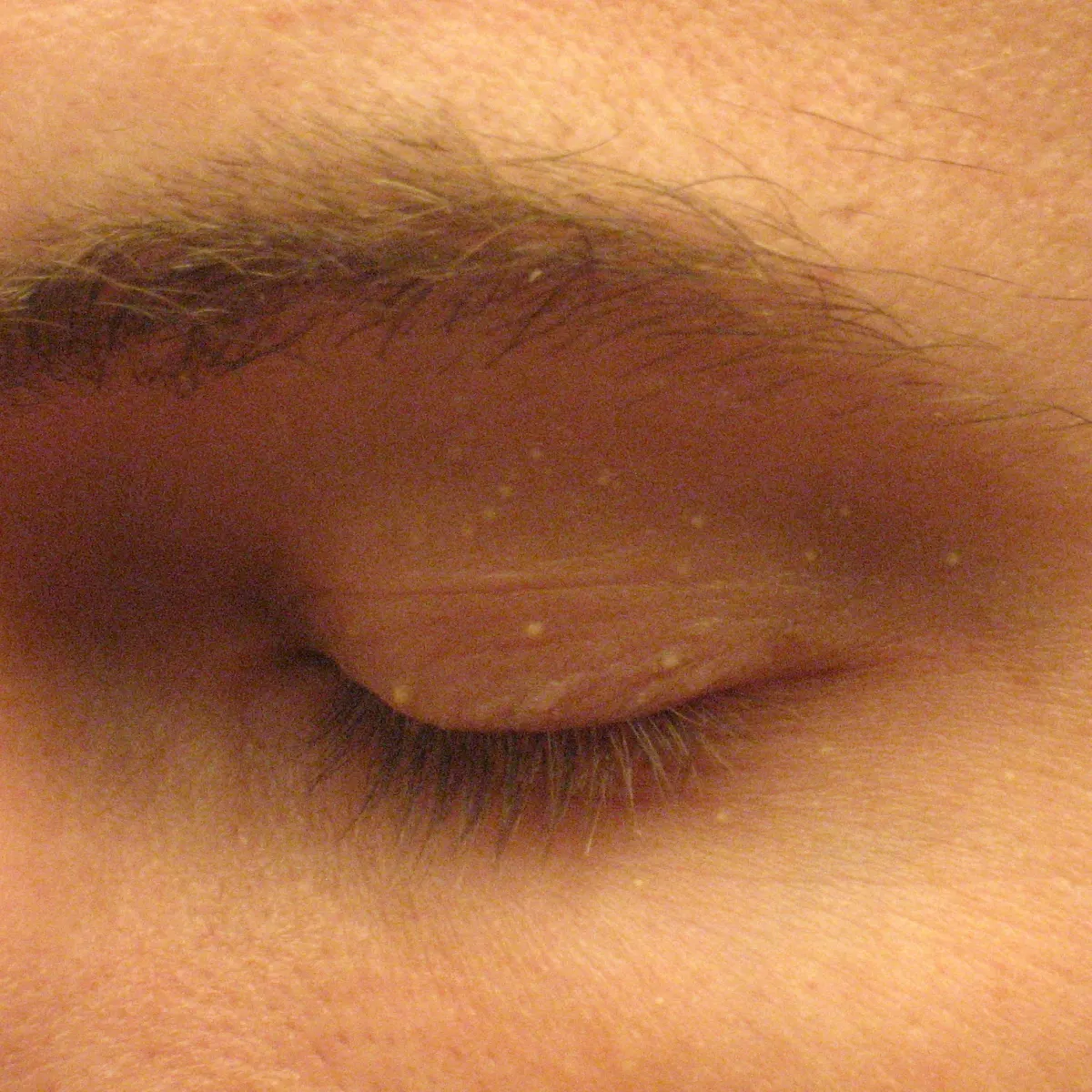
Simple intertrigo looks like symmetrical redness on both sides of the fold, a mirror image, with fairly blurred borders. The skin may be shiny, moist and slightly split at the base of the fold, and it stings most when you sweat.
| Type | What it looks like | How it feels | What helps |
|---|---|---|---|
| Simple (irritant) intertrigo | Symmetrical redness, blurred edges, no spots | Stinging, discomfort with friction | Drying, separating, zinc oxide, calendula |
| Candida superinfection | Bright red, shiny, whitish soggy edge, small satellite papules or pustules outside the main area | Intense itching and burning | Topical antifungal for 2-4 weeks plus the drying routine |
| Bacterial superinfection | Oozing, yellow crusts, unpleasant smell, local warmth | Pain, sometimes fever | See a doctor, antibiotics may be needed |
| Erythrasma | Fine brownish-red patches with light scale, no pustules | Mild itch | Medical diagnosis (Wood’s lamp), targeted treatment |
| Tinea cruris (jock itch) | Raised active border, clearer centre, spreads down the thigh | Itch | Antifungal, keeping dry |
| Inverse psoriasis | Sharply defined shiny red plaques, no satellites, keeps returning | Variable itch | Dermatologist |
If you are unsure which one you have, a GP or dermatologist can usually tell by looking, and may take a skin scraping or swab when needed.
The moisture-control routine
This is the part that matters most. Natural remedies and creams only work on skin that is kept dry.
Daily steps (once or twice a day and after heavy sweating)
- Wash the fold with lukewarm water (not hot) and a gentle, fragrance-free cleanser (a soap-free syndet with a slightly acidic pH). Don’t scrub with a sponge; use your palm.
- Rinse thoroughly. Soap left in the fold irritates.
- Pat dry with a soft, clean cotton towel. Lift the fold and leave it open to the air for 5-10 minutes. A hairdryer on the cool setting, held 20-30 cm away, also works.
- Apply a barrier: a thin layer of zinc oxide cream or paste, or calendula cream on skin that is only irritated (details below).
- Separate the fold with a strip of clean cotton, folded gauze or a purpose-made moisture-wicking fold textile (some contain silver). Change it whenever it gets damp, at least daily.
- Wear loose cotton or moisture-wicking underwear. For the breasts, a well-fitted supportive bra that lifts them off the chest wall makes a real difference.
Habits that prevent relapse
- Change out of sweaty clothes straight away; after exercise, shower and dry carefully.
- In summer, air the folds several times a day for about 10 minutes.
- If you sweat heavily, see our guide to excessive sweating.
- With incontinence, change pads often and clean the area promptly.
- Moderate weight loss makes folds shallower, though very rapid loss can leave loose skin and new folds.
- With diabetes, blood sugar control is part of the treatment; see type 2 diabetes.
 Photo: Kmtextor, CC BY-SA 4.0, via Wikimedia Commons
Zinc oxide and calendula: how to use them properly
Zinc oxide
Zinc oxide forms a protective film that cuts friction and keeps sweat, urine and secretions off the skin. It is also mildly astringent and soothing. It is the backbone of nappy rash creams and has been a dermatology staple for decades. For folds, choose a fragrance-free paste or cream and apply a thin layer, just enough to whiten the skin slightly. A thick layer spread over wet skin can seal moisture in.
You don’t need to scrub off every trace between applications: gently wipe away what is soiled and add a fresh layer. In the evening, lift the residue with a pad soaked in vegetable oil, then wash and dry.
Calendula (Calendula officinalis)
The European Medicines Agency’s herbal committee (HMPC/EMA) recognises calendula flowers as a traditional herbal remedy for minor skin inflammation and as an aid to healing small wounds. Traditional means the recommendation rests on long-standing use and plausibility, not on solid clinical trials in intertrigo. In the lab, calendula extracts show anti-inflammatory and tissue-repair effects; human studies mostly cover wounds and radiation dermatitis, with mixed results.
How to use it:
- Calendula cream or ointment from the pharmacy: a thin layer 2-3 times a day on irritated, uninfected skin. You can use calendula in the morning and zinc oxide at night, or pick a cream that combines both.
- Calendula compress: 1-2 teaspoons (about 1.5-2 g) of dried flowers in 150 ml of freshly boiled water, covered for 10 minutes, then strained through double gauze. Let it cool to room temperature (below 25 °C). Soak a sterile gauze pad, squeeze it lightly and hold it on the fold for 10 minutes, twice a day. Dry the area very thoroughly afterwards. Make a fresh infusion each time.
Read more about the plant in our calendula guide. People allergic to the daisy family (Asteraceae: chamomile, arnica, ragweed, chrysanthemums) can develop contact dermatitis from calendula, so patch test on the inner forearm for 24-48 hours first. A chamomile compress made the same way is a gentle alternative, with the same caution.
| Product | When to use it | How and how much | Duration |
|---|---|---|---|
| Zinc oxide paste or cream | Simple intertrigo, prevention, babies | Thin layer after each wash, 2-3 times/day | As long as the risk persists |
| Calendula cream | Irritated skin, no signs of infection | Thin layer, 2-3 times/day | 5-7 days, then reassess |
| Calendula compress | Redness, stinging | 1.5-2 g flowers per 150 ml, 10 minutes, twice/day | 3-5 days |
| Antifungal (clotrimazole 1%, miconazole 2%) | Suspected candida | Thin layer, 2-3 times/day as per leaflet | Until clear, then 1-2 more weeks |
| Mild hydrocortisone | Marked inflammation, only if advised | 1-2 times/day | A few days at most |
When it’s candida and you need an antifungal
Candida albicans normally lives on the skin and in the gut, but it multiplies easily in warm, damp folds. The giveaway signs:
- bright, shiny, raw-looking redness;
- small red spots or pustules beyond the main edge (satellite lesions);
- a whitish, soggy border that peels;
- intense itching and burning;
- no improvement after 3-5 days of a proper drying routine.
At this point zinc and calendula alone are not enough. An over-the-counter antifungal such as clotrimazole 1% or miconazole 2% is applied thinly 2-3 times a day to clean, dry skin, extending 1-2 cm beyond the red area. Keep going for 1-2 weeks after the skin looks normal, or the infection tends to return. Nystatin works well for candida but not for dermatophytes. When inflammation is intense, a doctor may suggest a combination with a mild steroid for the first few days; don’t use steroid creams in skin folds long term on your own, as they thin the skin and can make a fungal infection worse.
The drying routine continues alongside, and zinc oxide can go on top of the antifungal once it has absorbed, after about 15-20 minutes. For other fungal skin problems, see fungal infection.
Candida that keeps coming back in the folds is a reason to check fasting glucose and HbA1c, especially over 40 or if you have thirst, frequent urination or fatigue.
Intertrigo in babies
In infants, intertrigo most often appears on the neck, behind the ears, in the armpits and in the thigh creases. Wash the folds daily with lukewarm water, with no soap or a fragrance-free baby wash, pat dry, give the baby a few minutes without clothes and apply a thin layer of zinc oxide paste. Wipe drool and milk out of the neck folds after every feed. In the nappy area, the same rules apply as for diaper rash.
In babies, avoid talcum powder (it can be inhaled), essential oils (tea tree included), vinegar, alcohol, steroid creams without the paediatrician’s advice and overly warm clothing. Redness with satellite spots is common in infants too, and antifungals should be used only on medical advice. See the paediatrician if the baby has a fever, the redness spreads, blisters, yellow crusts or oozing appear, or there is no improvement within 3 days.
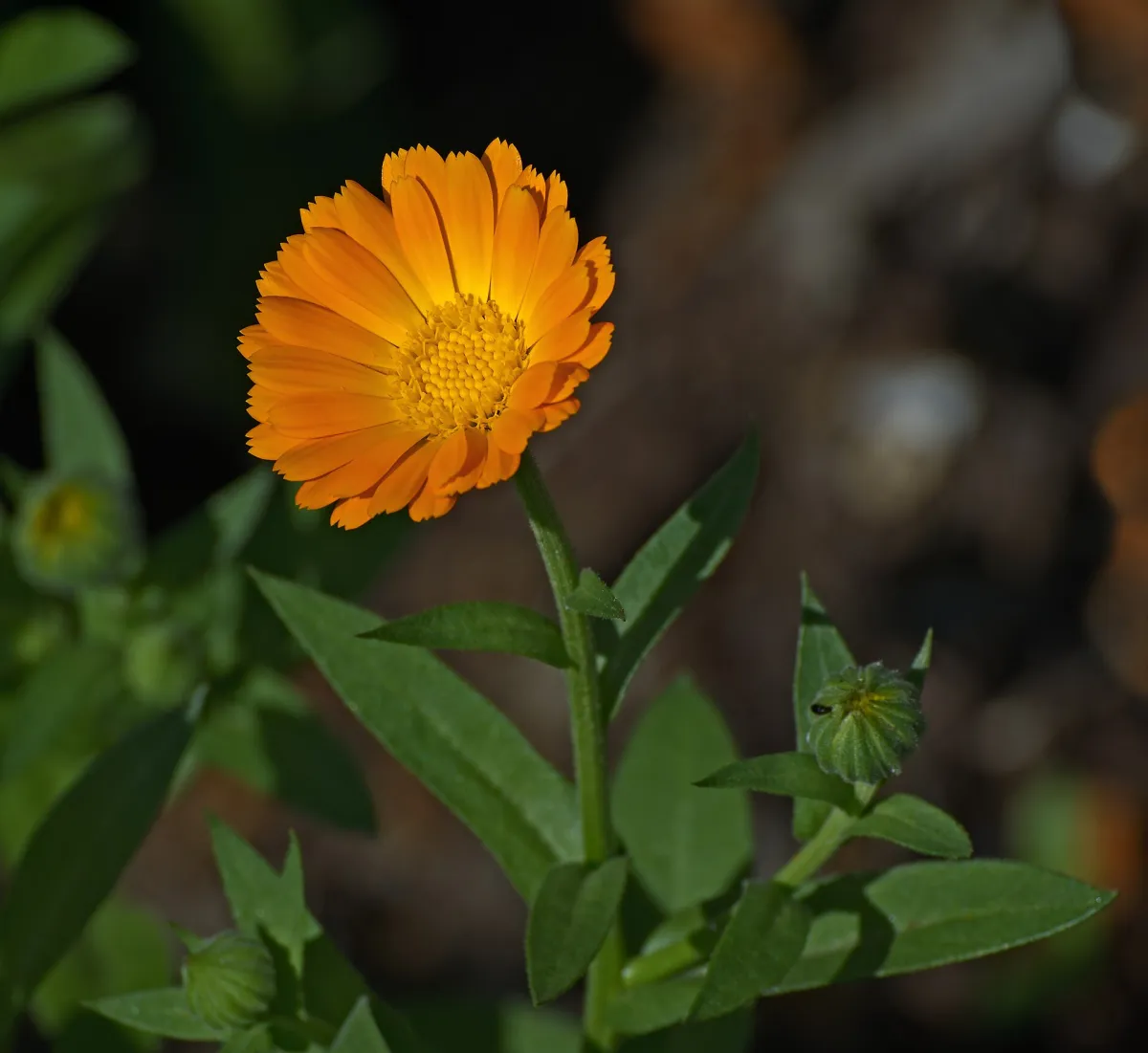 Photo: Ввласенко, CC BY-SA 3.0, via Wikimedia Commons
Contraindications and precautions
- Daisy family (Asteraceae) allergy: avoid calendula and chamomile or patch test first.
- Cracked or bleeding skin: don’t apply essential oils, apple cider vinegar, alcohol or baking soda; they sting and irritate further.
- Tea tree oil shows antifungal activity in the lab and in a few small studies, but on macerated skin it irritates easily and can sensitise. Use only diluted (no more than 5%), only in adults and only on intact skin; see our tea tree oil guide.
- Fatty oils (coconut, olive) left thickly in a fold hold moisture in; use them only to remove zinc paste.
- Cornstarch absorbs moisture but clumps in folds; don’t use it on cracked skin or with candida.
- Pregnancy and breastfeeding: topical zinc and calendula are considered safe; ask a doctor or pharmacist about antifungals and keep products off the nipple.
- Diabetes, weakened immunity, chemotherapy: any intertrigo with signs of infection should be checked by a doctor sooner.
When to see a doctor
- no improvement after 7 days of proper care, or after 2 weeks of antifungal treatment;
- fever, chills, increasing pain, local warmth or redness spreading quickly (possible cellulitis);
- oozing, yellow crusts, a foul smell or a greenish tinge;
- open sores, bleeding or areas that won’t heal;
- brownish patches, very sharply defined plaques or similar lesions on the scalp, elbows or nails, which suggest psoriasis;
- repeated candida episodes, especially if you don’t know whether you have diabetes;
- babies with fever or widespread redness.
Common mistakes
Treating the redness but not the moisture. Without drying and separating the fold, relapse is almost guaranteed.
Scrubbing or using harsh soap. Macerated skin tears easily, so washing must be gentle.
Applying thick cream to wet skin. You trap moisture inside the fold.
Using steroid cream for weeks. It thins the skin, can leave stretch marks in the folds, and candida thrives under it.
Stopping the antifungal as soon as the redness fades. Continue for another 1-2 weeks.
Dusting talc or cornstarch over an infection. It treats nothing and forms an irritating paste.
Conclusion
Intertrigo is treated first and foremost by managing moisture: keep the fold clean, dry, aired and separated. On that foundation, zinc oxide and calendula soothe and protect irritated skin well. When the redness turns bright and shiny with little spots at the edge, that’s candida, and a topical antifungal becomes the right treatment. Frequent relapses are worth a conversation with your doctor about blood sugar, weight and sweating.
Frequently asked questions
Is intertrigo contagious? Simple intertrigo is not contagious, since it is a mechanical irritation. Candida or bacterial superinfections rarely spread to healthy people, but use separate towels.
How long does intertrigo take to heal? Simple cases improve in 3-7 days with a good routine. With candida, antifungal treatment usually lasts 2-4 weeks in total.
Can I use powder on skin folds? On intact skin, a fine talc-free powder applied very thinly can help prevent it. Avoid powder on wet, cracked or yeast-infected skin, as it clumps.
Does apple cider vinegar or baking soda help? They are not recommended. On irritated skin they sting, can cause mild chemical burns and have no evidence in intertrigo.
What bra is best for a rash under the breasts? A well-fitted, supportive bra that lifts the breasts off the chest wall, made of cotton or moisture-wicking fabric. Change it daily and after sweating.
Why does it keep coming back in the same places? The folds stay, and so does sweat. Relapses are driven by weight, heat, clothing, diabetes or drugs such as gliflozins, so daily prevention is part of the treatment.
Can adults use nappy rash cream? Yes, zinc oxide creams and pastes made for babies work well for adults too, especially fragrance-free ones.
Sources and further reading
- NHS, Intertrigo, patient information page (nhs.uk).
- DermNet (New Zealand), Intertrigo.
- Kalra M.G., Higgins K.E., Kinney B.S., Intertrigo and Secondary Skin Infections, American Family Physician, 2014.
- European Medicines Agency, HMPC, Community herbal monograph on Calendula officinalis L., flos.
- German Commission E, monograph on Calendulae flos.
Informational content only; it does not replace a consultation with a doctor or pharmacist.