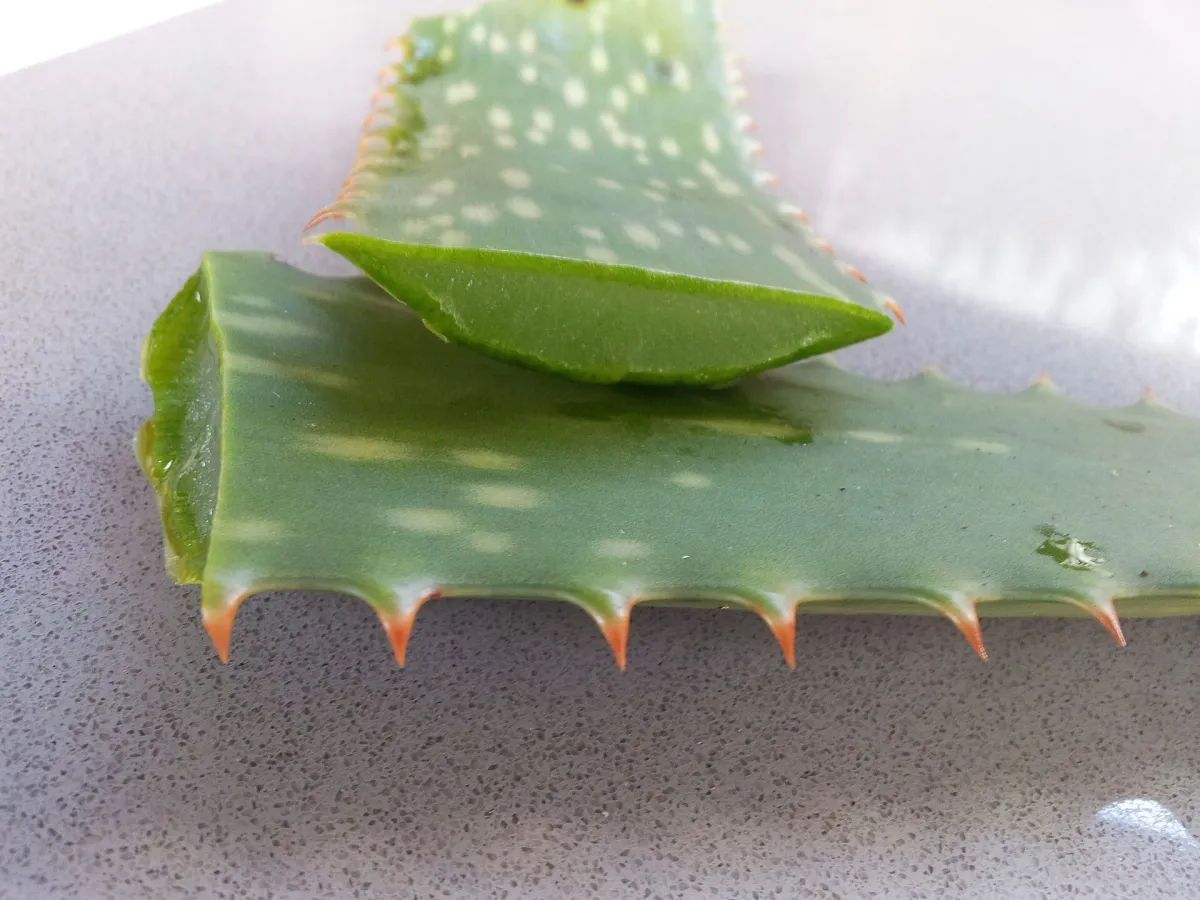
 Photo: Stephanie (strph) from Oklahoma City, USA, CC BY-SA 2.0, via Wikimedia Commons
Molluscum contagiosum is a harmless viral skin infection, very common in children aged 1 to 10, that causes small, firm, pearly bumps with a tiny dimple in the middle. It clears up on its own, usually within 6 to 18 months, and leaves no marks as long as the bumps aren’t squeezed or scratched open. The most useful things a parent can do are limit the spread, look after the surrounding skin and know the few situations that need a doctor.
Key takeaways:
- It is caused by a poxvirus that only infects the top layer of the skin and is not dangerous for healthy children.
- It resolves by itself once the immune system learns to recognise the virus; for children, most guidelines favour watchful waiting over treatment.
- It spreads through skin-to-skin contact, towels, bath sponges and scratching, yet your child can still go to nursery, school and the pool.
- Tea tree oil has only weak evidence and can irritate skin; apple cider vinegar under a plaster has caused burns.
- Don’t squeeze the bumps: you spread the virus and risk bacterial infection and scarring.
- See a doctor for bumps on the eyelids, signs of infection, very many or very large lesions, or a child with a weakened immune system.
What is molluscum contagiosum?
The condition is caused by the molluscum contagiosum virus, a member of the same broad family as the smallpox virus (poxviruses) but far gentler. It lives only in the epidermis, the surface layer of the skin, and does not enter the bloodstream or internal organs. It is not related to common warts, which are caused by human papillomavirus (HPV) and look different; see our page on warts if you’re unsure which is which. Some parents call the bumps “water warts”.
It mostly affects children between 1 and 10, children with atopic dermatitis (dry skin with a weakened barrier lets the virus spread more easily) and kids who swim a lot. In teenagers and adults, lesions in the genital area can be sexually transmitted, and in people with weakened immunity the infection can be widespread and stubborn.
What the bumps look like
- round, firm papules of 2 to 5 mm, skin-coloured, pink or pearly, with a shiny surface;
- a small central dip (umbilication), sometimes with a white, waxy core;
- usually in clusters, from a handful to several dozen, on the trunk, armpits, elbow and knee creases, thighs and buttocks;
- usually painless, but they can itch, especially when the surrounding skin is dry.
Some children develop a red, itchy patch of eczema around the bumps (“molluscum dermatitis”). It doesn’t mean things are getting worse, but scratching it seeds new lesions, so it is worth treating.
The “beginning of the end” sign
When a bump turns red, swells and looks like a small pimple, it is often a sign that the immune system has spotted the virus and the lesion is about to clear. Dermatologists call this the BOTE sign (beginning of the end). It does not need antibiotics unless your child has a fever, significant pain, lots of pus or redness that keeps spreading.
How it spreads
- direct skin-to-skin contact (play, contact sports, sharing a bed);
- shared objects: towels, bath sponges and mitts, clothes, swim floats and kickboards;
- autoinoculation: your child scratches one bump and carries the virus to another part of their own body.
The gap between contact and visible bumps can be anywhere from 2 weeks to 6 months, which is why you rarely know where your child picked it up. It stays contagious as long as lesions are present.
How long it lasts, and why waiting is a valid choice
A single bump lasts from a few weeks to about 2 months, but new ones can appear in the meantime, so an episode typically runs 6 to 18 months. In some children, especially those with eczema, it can drag on for 2 to 4 years. Once it clears, the child develops immunity and repeat episodes are uncommon.
The NHS and the UK NICE guidance say molluscum in otherwise healthy children does not need routine treatment. That isn’t neglect: treatments are often painful, can scar, and a Cochrane review found no treatment that clearly beats natural resolution. For a young child, a few months of patience is usually kinder than repeated sessions of freezing.
How to stop it spreading at home
Bath time and towels
- If siblings bathe together, give them separate baths until it clears, or bathe the child with molluscum last, after the others are out of the water.
- Every child has their own towel, sponge and wash mitt, hung separately.
- Pat the skin dry instead of rubbing, so the bumps don’t break open.
- Wash towels and bedding at 60 °C if the fabric allows.
- Rinse bath toys in hot water and let them dry completely.
- After the bath, apply a fragrance-free moisturiser with clean hands, doing the areas with bumps last so you don’t carry the virus to healthy skin.
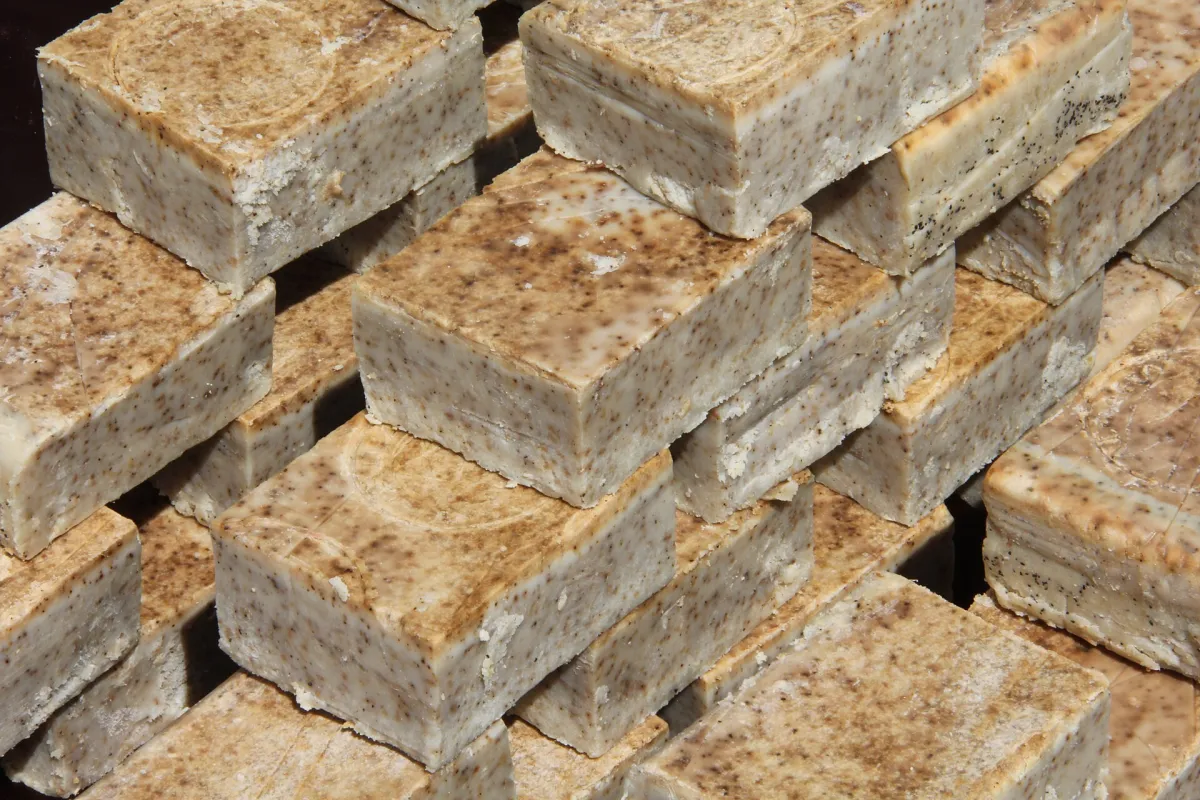 Photo: Albahaka, CC BY-SA 4.0, via Wikimedia Commons
Hands, nails and scratching
- Keep nails short and filed smooth so they can’t break the skin.
- Wash your hands with soap and water after touching the bumps.
- Long cotton pyjamas cut down on night-time scratching.
- Treat the surrounding eczema: moisturise twice a day; if it is intense, your doctor may suggest a mild steroid cream for a few days on the eczema patch, not on the bumps themselves.
- Teenagers should avoid shaving or waxing over affected areas, as the razor spreads the virus.
Nursery, school and the swimming pool
Your child does not need to stay home. Neither the NHS nor the CDC recommends keeping children with molluscum contagiosum away from school or daycare. A few simple rules matter more:
| Situation | What to do | Why |
|---|---|---|
| Nursery, school | Attend as normal; clothing covers the bumps | Risk comes from direct contact with lesions |
| Swimming pool | Can swim; cover bumps with waterproof plasters | Spread happens mainly through shared towels and kit |
| Contact sports (wrestling, judo) | Fully cover with clothing or bandages; if that isn’t possible, take a break | Intense skin-to-skin contact |
| Towels, kickboards, swim caps | Personal use only | The virus survives on objects |
| Sharing a bed with siblings | Long pyjamas, separate bedding if possible | Prolonged contact, night-time scratching |
| Teacher, coach | Let them know discreetly | Rules get followed without stigma |
Explain it to your child in their own terms: the bumps are “visitors that leave on their own if we don’t bother them”. A child who understands why scratching is a bad idea cooperates far better than one who is told off.
Why you shouldn’t squeeze the bumps
The white core of each bump is packed with virus particles. When you squeeze it you:
- spread the virus onto fingers and nearby skin, and new bumps appear a few weeks later;
- let bacteria in: staph and strep can cause impetigo or small abscesses;
- risk scars and marks, especially on the face, where untouched lesions usually heal without a trace;
- cause pain and fear, and your child may later refuse any skin care at all.
Curettage done by a dermatologist is a different thing: it uses numbing cream and sterile instruments and removes the whole lesion. At home, with a needle, tweezers or a fingernail, the result is almost always worse.
Home and natural remedies: what the evidence says
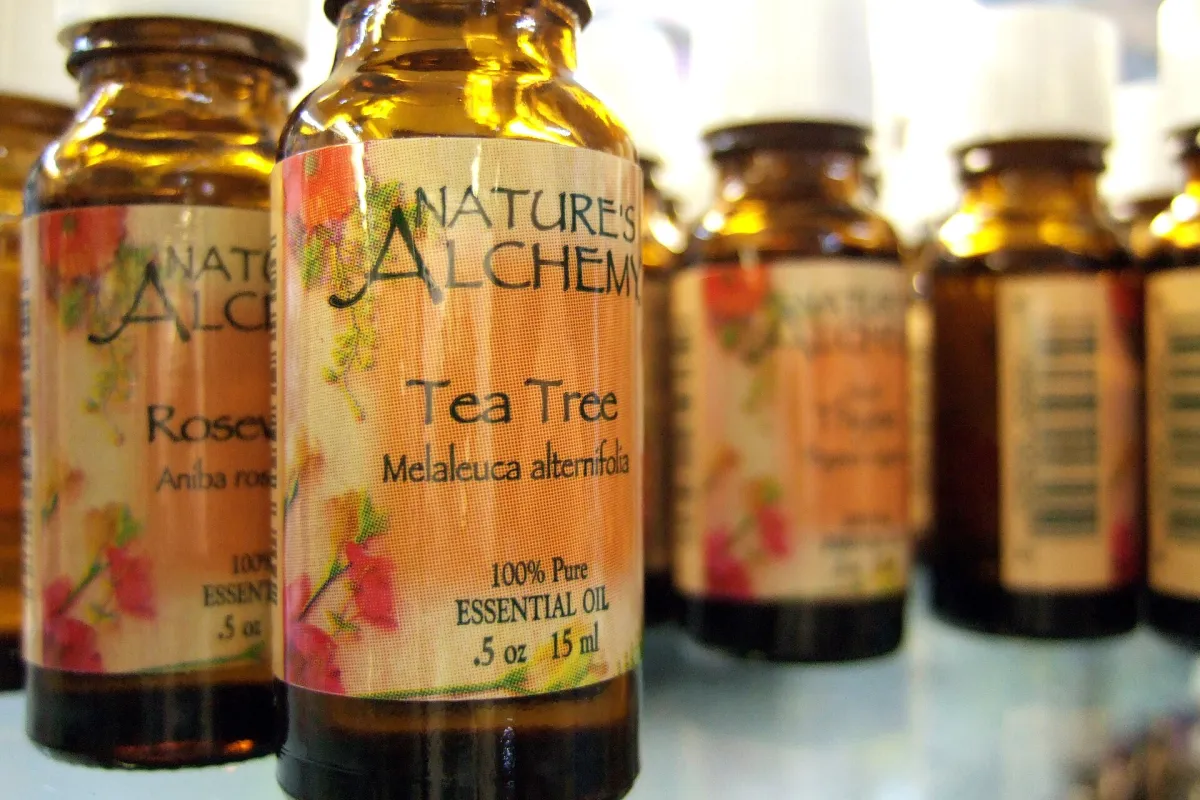
Tea tree oil
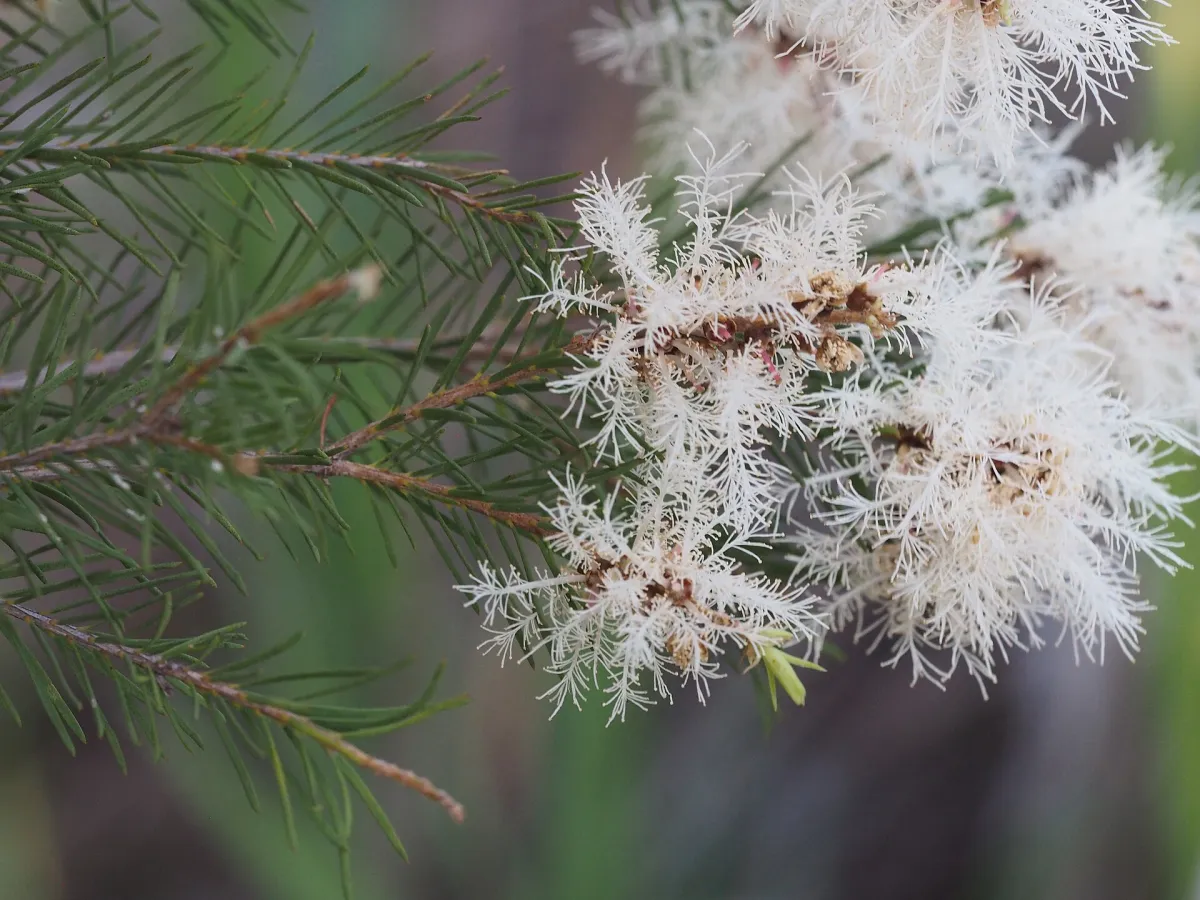
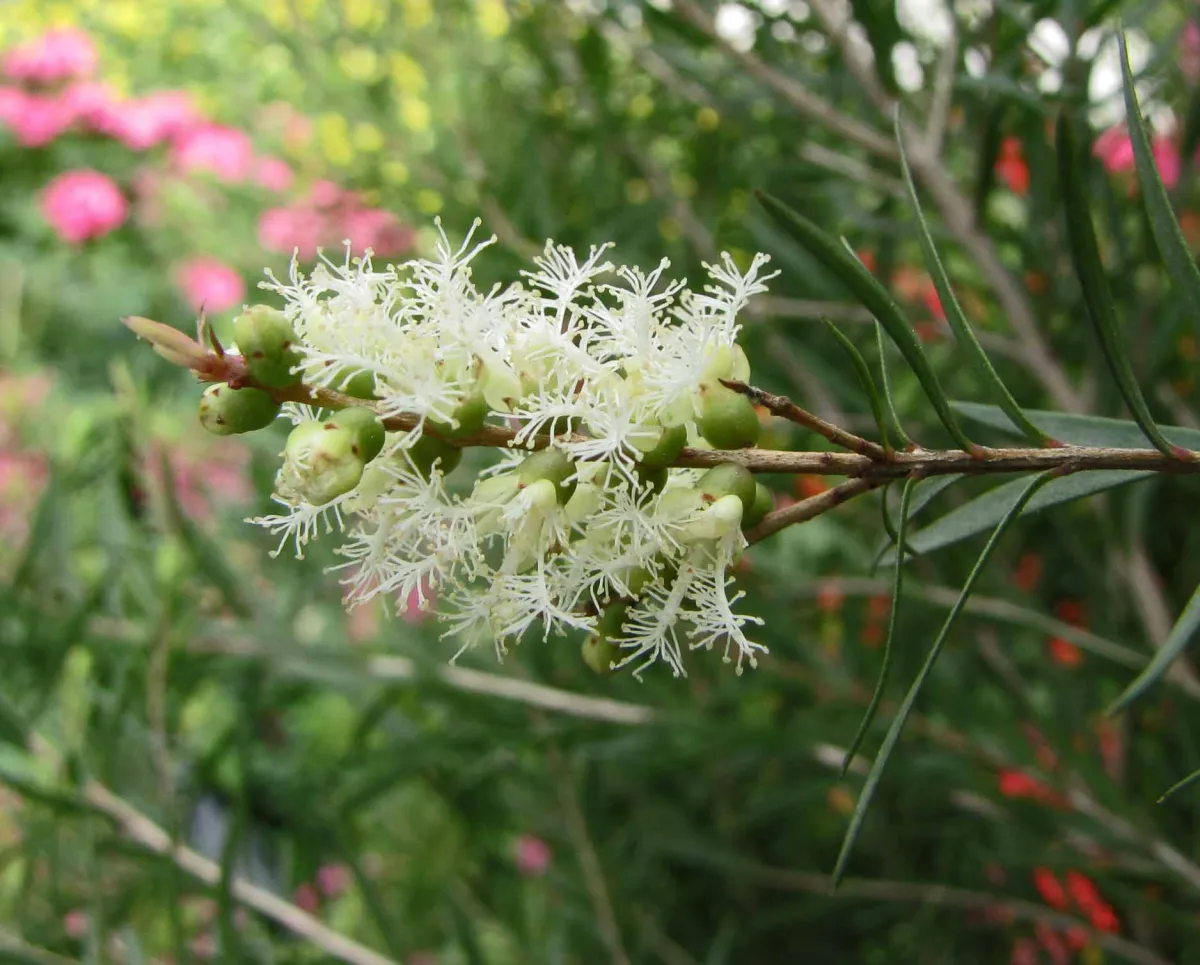
Tea tree essential oil (Melaleuca alternifolia) has well-documented antimicrobial activity in the lab and is the most popular home remedy for molluscum. Clinical evidence, however, is thin: one small study in children suggested that tea tree oil combined with iodine cleared lesions faster than either alone, and the rest comes from isolated reports. No large trials show that it shortens the illness.
If you still want to try it, only in a child over 6 and with your doctor’s agreement:
- Dilute 2 drops of essential oil in 5 ml (one teaspoon) of carrier oil, such as sweet almond or sunflower, roughly a 2% mix.
- Patch test on a small area of healthy skin and wait 24 to 48 hours.
- If there’s no redness, dab it only on the bumps with a cotton bud once a day in the evening, using a fresh bud for each area.
- Don’t go beyond 4 weeks; if nothing changes, stop.
Never use it undiluted, on the face, eyelids, genital area, on eczema or scratched skin, or in children under 3. Tea tree oil is toxic if swallowed (drowsiness, unsteady walking), so keep the bottle high up with a child-proof cap. There are also reports of breast enlargement in prepubertal boys after repeated use of products containing lavender and tea tree oil, which went away once use stopped. More safety detail is in our guide to tea tree oil.
Apple cider vinegar
Online forums often suggest taping a cotton pad soaked in apple cider vinegar over the bumps overnight. The medical literature describes chemical burns and scarring in children after vinegar was applied to skin lesions under a dressing. We don’t recommend it.
Duct tape, garlic, celandine
Duct tape occlusion has no evidence for molluscum and irritates delicate skin. Raw garlic and greater celandine sap applied to the skin can cause burns and blisters. These remedies are borrowed from wart treatment, a condition with a different mechanism.
What genuinely helps at home
- Fragrance-free emollients (thick creams, ointments) reduce dryness and itch, and therefore scratching.
- A colloidal oatmeal bath, 10 to 15 minutes in lukewarm water (around 36 to 37 °C), soothes irritated skin.
- Cool compresses on itchy areas for 5 to 10 minutes.
- Enough sleep and a varied diet support normal immune function; no supplement has been shown to speed recovery. Practical ideas are in our guide to children’s immunity.
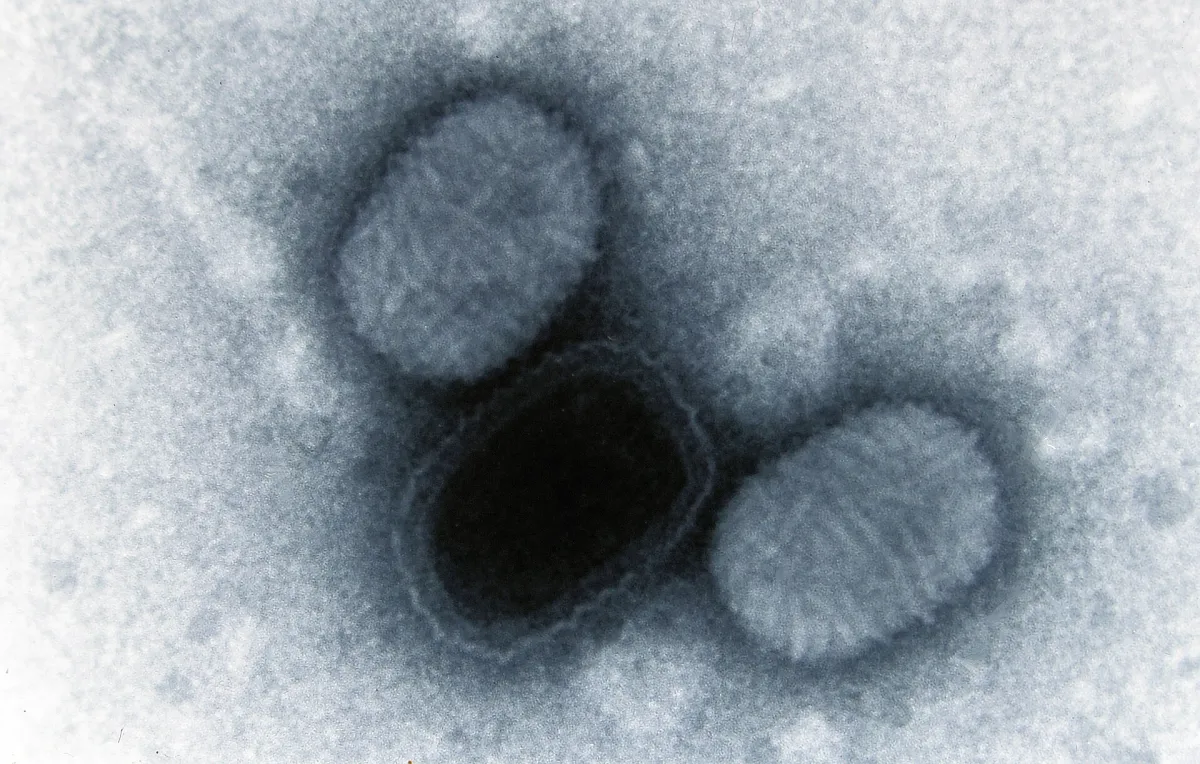 Photo: User:Graham Beards, CC BY-SA 3.0, via Wikimedia Commons
Medical treatments: when and which
A doctor may suggest treatment if the bumps are numerous, spreading fast, uncomfortable, on the face, or if the family wants it after understanding the trade-offs.
| Option | Who applies it | What we know | Downsides |
|---|---|---|---|
| Watchful waiting plus hygiene | Parents | Clears on its own in most cases | Takes months |
| Diluted tea tree oil | Parents, with doctor’s agreement | Weak evidence, small studies | Irritation, contact allergy, toxic if swallowed |
| Cryotherapy (liquid nitrogen) | Doctor | Destroys treated lesions | Pain, blisters, lighter or darker marks |
| Curettage with local anaesthetic | Dermatologist | Effective on the removed lesion | Discomfort, possible small scars |
| Potassium hydroxide solution 5-10% | At home, on medical advice | Some studies show benefit | Stinging, irritation, marks |
| Cantharidin | Doctor only, in some countries | Recently approved in the US from age 2 | Blistering, local pain |
| Imiquimod | Not recommended in children | Trials in children showed no benefit | Irritation with no gain |
No treatment prevents new bumps from virus already sitting unseen in the skin, so hygiene stays essential whatever you choose.
Contraindications and precautions for home remedies
- No essential oils for babies or children under 3; from 3 to 6 years only on medical advice.
- Nothing applied on the eyelids or near the eyes.
- No irritants (acids, vinegar, garlic) on eczema-prone skin.
- Children on oral steroids or chemotherapy, or with an immune disorder, should be assessed by a doctor rather than treated at home.
- Stop any remedy straight away if it causes burning, blisters or spreading redness.
When to see a doctor
- bumps on the eyelids or lash line, especially with a red or watery eye (they can keep a chronic conjunctivitis going);
- signs of bacterial infection: increasing pain, pus, spreading redness, fever;
- very numerous bumps, or bumps larger than 1 cm;
- a child with weakened immunity (immunosuppressive treatment, chronic illness);
- you are unsure of the diagnosis: chickenpox, warts, folliculitis or acne can look similar;
- lesions in the genital area: in young children they usually spread there from the thighs by scratching, but a doctor should see them; in teenagers they may be sexually transmitted;
- it lasts more than 18 months or is seriously disrupting your child’s sleep and wellbeing.
Common mistakes
Squeezing the bumps “to get the virus out”. It does the opposite: more lesions and a risk of scarring.
Antibiotics at the first sign of redness. Most of the time it is the BOTE sign, meaning healing has started.
Undiluted essential oil. Burns and contact dermatitis are common, especially on children’s skin.
Keeping your child home from school. It isn’t necessary and isolates them for no reason.
Ignoring eczema. Dry, scratched skin is where the virus spreads most easily.
Aggressive treatment for a cosmetic issue. For a contented child with a few bumps on the trunk, waiting is often the best option.
Conclusion
Molluscum contagiosum looks worrying but is a benign infection that resolves on its own. For most children, the most effective “treatment” is patience combined with sensible bath-time hygiene, personal towels, short nails and well-moisturised skin. Natural remedies have modest evidence and some can cause harm, so use them cautiously or not at all. A doctor should step in when bumps are on the eyelids, become infected, are very numerous or the child’s immunity is weakened.
Frequently asked questions
Can a child with molluscum contagiosum go swimming? Yes. Cover the bumps with waterproof plasters and use only their own towel and swim kit.
How long is molluscum contagious? For as long as there are bumps on the skin. It spreads mainly through direct contact and shared objects.
Can adults catch molluscum from a child? It is possible but less common, because many adults are already immune. Washing your hands after caring for your child lowers the risk.
Does molluscum leave scars? Usually not, as long as the bumps aren’t squeezed or scratched. Small pale marks can remain and fade over time.
Why do new bumps keep appearing while others go away? The virus can already be in the skin without being visible, and scratching carries it elsewhere. The episode ends once the immune system controls the virus everywhere.
Does tea tree oil work for molluscum? The evidence is weak and comes from small studies. It can be tried diluted in older children with a doctor’s agreement, but it isn’t needed for recovery.
Can my child get molluscum more than once? Repeat episodes are uncommon after it clears, but they can happen, particularly in children with atopic dermatitis.
Sources and further reading
- NHS: “Molluscum contagiosum”, patient and parent information page.
- NICE Clinical Knowledge Summaries: “Molluscum contagiosum”.
- van der Wouden J.C. et al., “Interventions for cutaneous molluscum contagiosum”, Cochrane Database of Systematic Reviews, 2017.
- CDC (Centers for Disease Control and Prevention): “Molluscum Contagiosum”.
- American Academy of Dermatology: “Molluscum contagiosum: diagnosis and treatment”.
- Henley D.V. et al., “Prepubertal gynecomastia linked to lavender and tea tree oils”, New England Journal of Medicine, 2007.
Informative content only; it does not replace a consultation with your paediatrician, dermatologist or pharmacist.