 Photo: Pmlydon, CC BY-SA 4.0, via Wikimedia Commons
Smelly feet (bromodosis) happen when skin bacteria break down sweat and dead skin into acids and sulfur compounds that smell like cheese, vinegar or cabbage. Sweat itself barely smells; the odor comes from what bacteria do with it inside a warm, damp shoe. Most cases clear up within 1-2 weeks with a simple plan: careful washing and drying, astringent black tea or vinegar soaks, moisture-wicking socks and shoes that get time to dry out.
Key takeaways:
- The odor is made by bacteria (staphylococci, Brevibacterium, Kytococcus) feeding on sweat and keratin.
- The real fix is keeping feet and footwear dry: without moisture, bacteria cannot multiply.
- Black tea soaks (tannins) and diluted vinegar soaks reduce sweating and bacteria; both are traditional remedies with a sound rationale but little clinical research.
- Tea tree oil should only be used diluted, and is most useful if you are also prone to fungus.
- Itching, peeling skin between the toes, tiny pits on the sole or any wound in someone with diabetes means seeing a doctor.
Why feet smell: the bacteria behind bromodosis
The soles have one of the highest densities of sweat glands in the body. Fresh sweat is almost odorless: water, salt, a little urea and lactic acid. Inside a sock and a closed shoe, though, heat and humidity rise and the thick outer skin of the sole softens. That is an ideal home for the bacteria that normally live on your skin.
Who makes the smell
- Staphylococcus epidermidis turns leucine, an amino acid in sweat, into isovaleric acid, the sharp cheesy or old-sock smell.
- Brevibacterium, from the same bacterial family used to ripen some cheeses, produces methanethiol, a sulfur compound.
- Propionibacteria make propionic acid, which smells sour and vinegary.
- Kytococcus sedentarius and some corynebacteria literally digest the outer skin layer, causing pitted keratolysis: small crater-like pits on the sole, mainly on the heel and toe pads, with a very strong odor.
What makes it worse
- heavy foot sweating (plantar hyperhidrosis), often inherited and worsened by stress;
- wearing the same pair of shoes every day with no drying time;
- shoes made of non-breathable materials, worn without socks;
- socks worn for more than a day or washed at low temperatures;
- thick skin, calluses and cracks, which feed bacteria;
- puberty, pregnancy, exercise and hot weather;
- fungal infections, which also change the smell.
Rarely, unusual body odor points to a metabolic disorder. In a newborn, a strong sweaty-feet smell together with poor feeding, vomiting or drowsiness is a medical emergency.
The 4-step anti-odor plan
The steps only work together. A foot soak followed by yesterday’s damp shoe solves nothing.
Step 1: get daily hygiene right
- Wash your feet once or twice a day with lukewarm water and a mild soap, paying attention to the spaces between the toes and the heels.
- Dry thoroughly, including between the toes. A separate foot towel limits the spread of fungus.
- Once a week, on softened skin, file thick heel skin with a pumice stone. A thick horny layer is a pantry for bacteria.
- Cut toenails straight across and clean underneath them.
- If you sweat heavily, apply an antiperspirant to completely dry soles at night, ideally one with aluminum chloride from the pharmacy. It works overnight; wash as normal in the morning.
Step 2: astringent soaks with black tea or vinegar
Both soaks reduce sweating and make the skin less welcoming to bacteria. Pick one, do it daily for 7-10 days, then 2-3 times a week as maintenance. For more recipes, see our guide to foot soaks with salt, mustard or baking soda.
Black tea foot soak
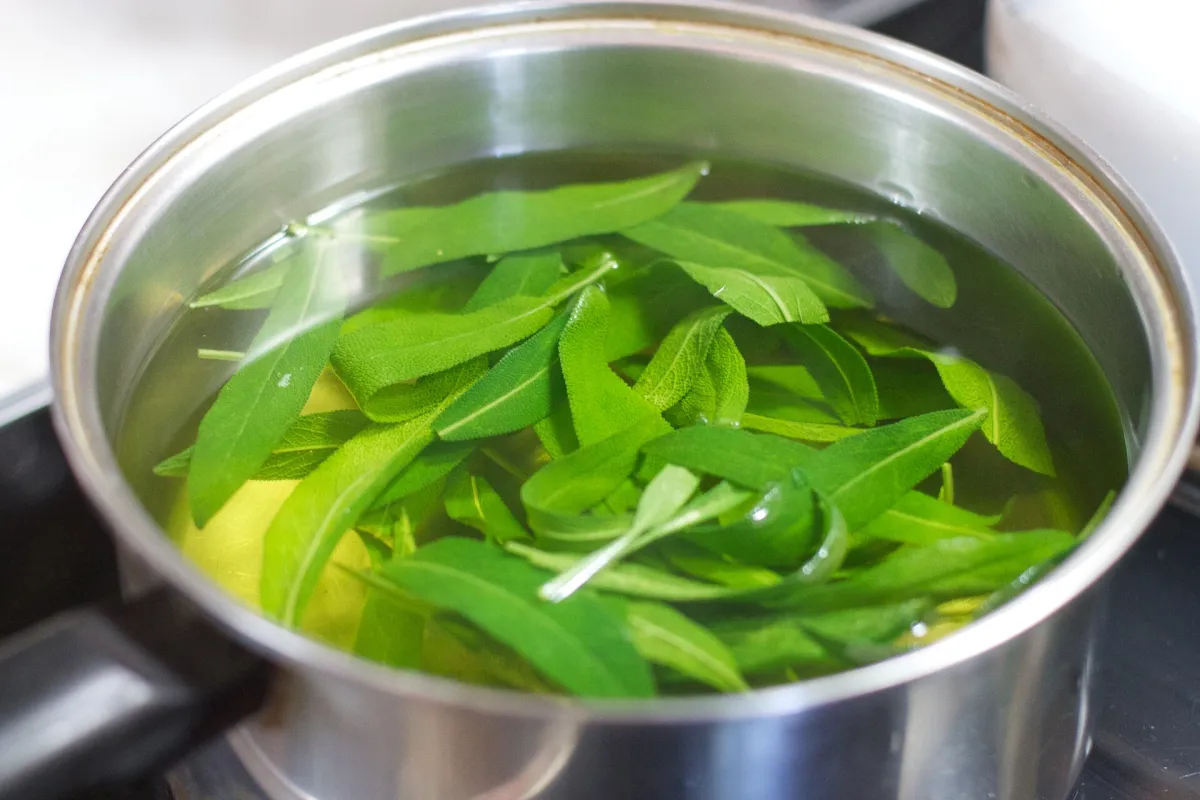
- 2-3 black tea bags or 2 tablespoons of loose tea in 1 liter of boiling water;
- steep for 15 minutes, then add 1-2 liters of cold water until it reaches body temperature (95-99°F, 35-37°C);
- soak for 20-30 minutes, then pat dry without rinsing.
The tannins in tea are astringent: they gently tighten proteins in the surface layer of the skin and temporarily reduce sweat output. This is a traditional remedy often suggested by dermatologists for sweaty feet, but it has no solid clinical trials behind it. It can tint skin and nails slightly brown for a few days.
Vinegar foot soak
- 1 part apple cider or white vinegar (5-6% acidity) to 2 parts lukewarm water, for example 500 ml vinegar to 1 liter of water;
- soak for 15-20 minutes, then rinse with plain water and dry well.
Acetic acid lowers skin pH and has antibacterial and antifungal activity in lab studies. The vinegar smell disappears after rinsing. Do not use it on cracks, wounds or eczema: it stings and irritates.
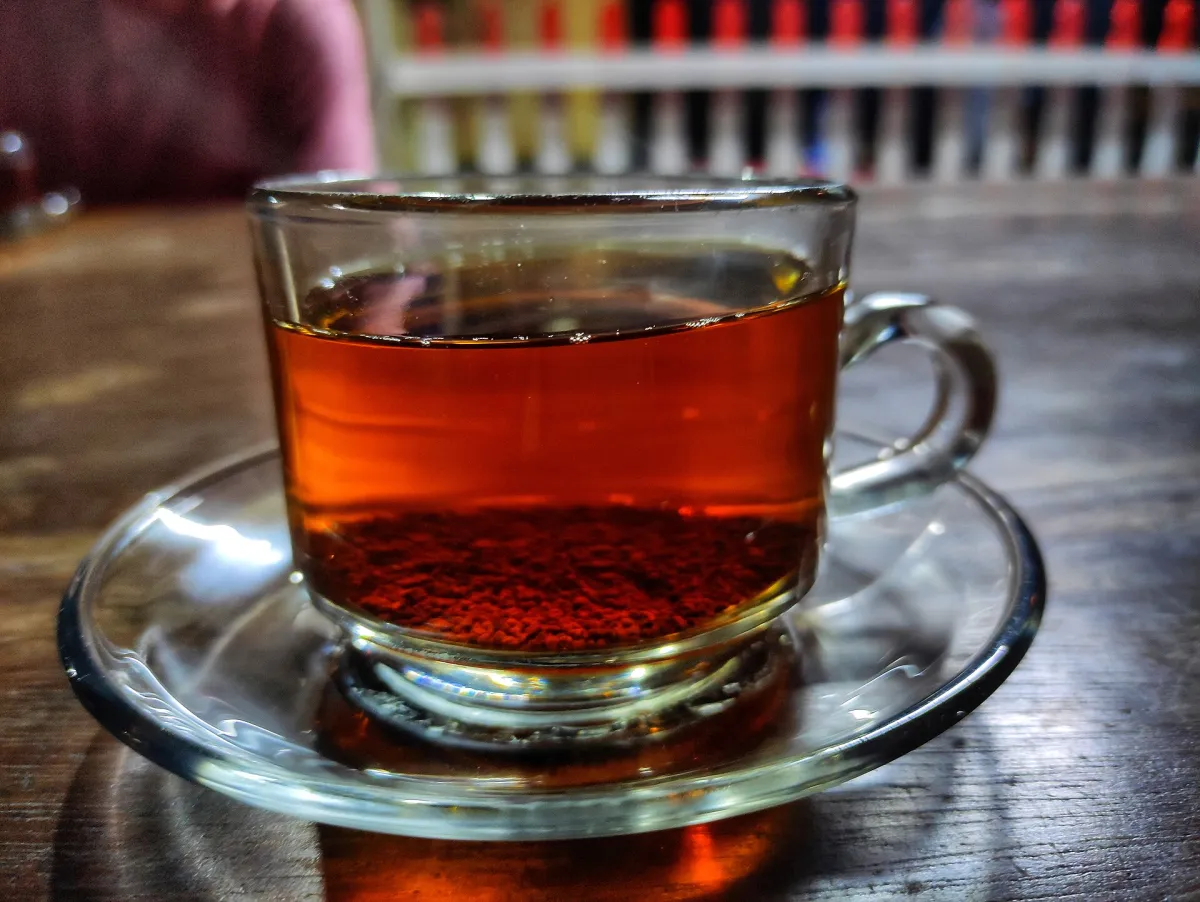 Photo: Sm faysal, CC BY-SA 4.0, via Wikimedia Commons
Step 3: shoes, the hidden source of the smell
Footwear holds sweat and bacteria for days. Skip this step and the odor returns within hours.
- Rotate your shoes: never wear the same pair two days running. A shoe needs at least 24 hours to dry completely.
- Take the insoles out at night and let them air. Activated charcoal or washable insoles should be replaced every few months.
- Baking soda, one teaspoon sprinkled into each shoe overnight, absorbs moisture and neutralizes odor; shake it out in the morning. Read more about baking soda as a home remedy and its limits.
- Washable sneakers can go in the machine at 30-40°C (86-104°F) if the label allows, then air dry, never on a radiator, where glue softens and soles warp.
- 3-4 drops of tea tree oil on a tissue left in the shoe overnight reduce odor and fungal spores.
- When the lining has been soaked in sweat for years, a new pair is the only real solution.
Step 4: the right socks
- Change socks at least once a day, twice if you exercise or keep shoes on for long hours.
- Cotton absorbs well but stays wet. Merino wool or technical blends (polyester, polypropylene) wick moisture away from the skin and suit heavy sweaters better.
- Wash socks at 60°C (140°F) when the fabric allows, or use a laundry sanitizer; a 30°C wash does not remove all bacteria and spores.
- At home and in summer, going barefoot or wearing open sandals lets the skin dry out.
Tea tree oil: how to use it safely
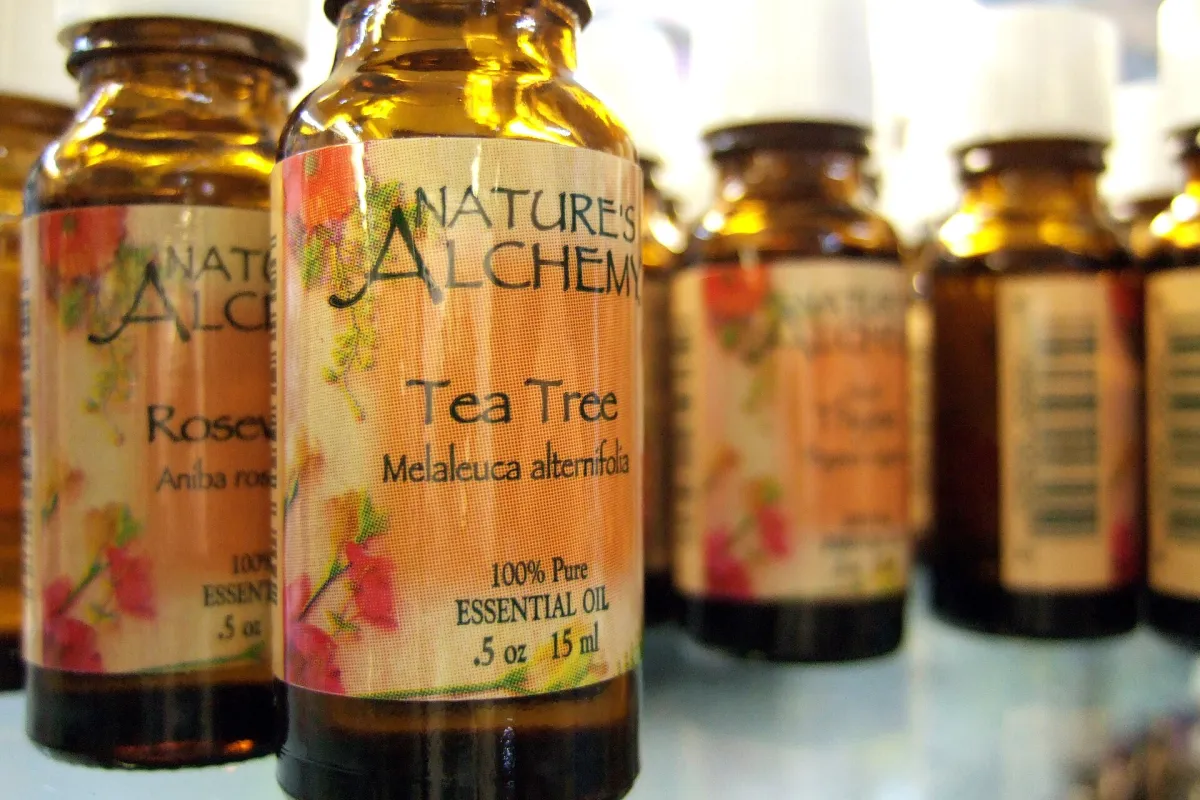
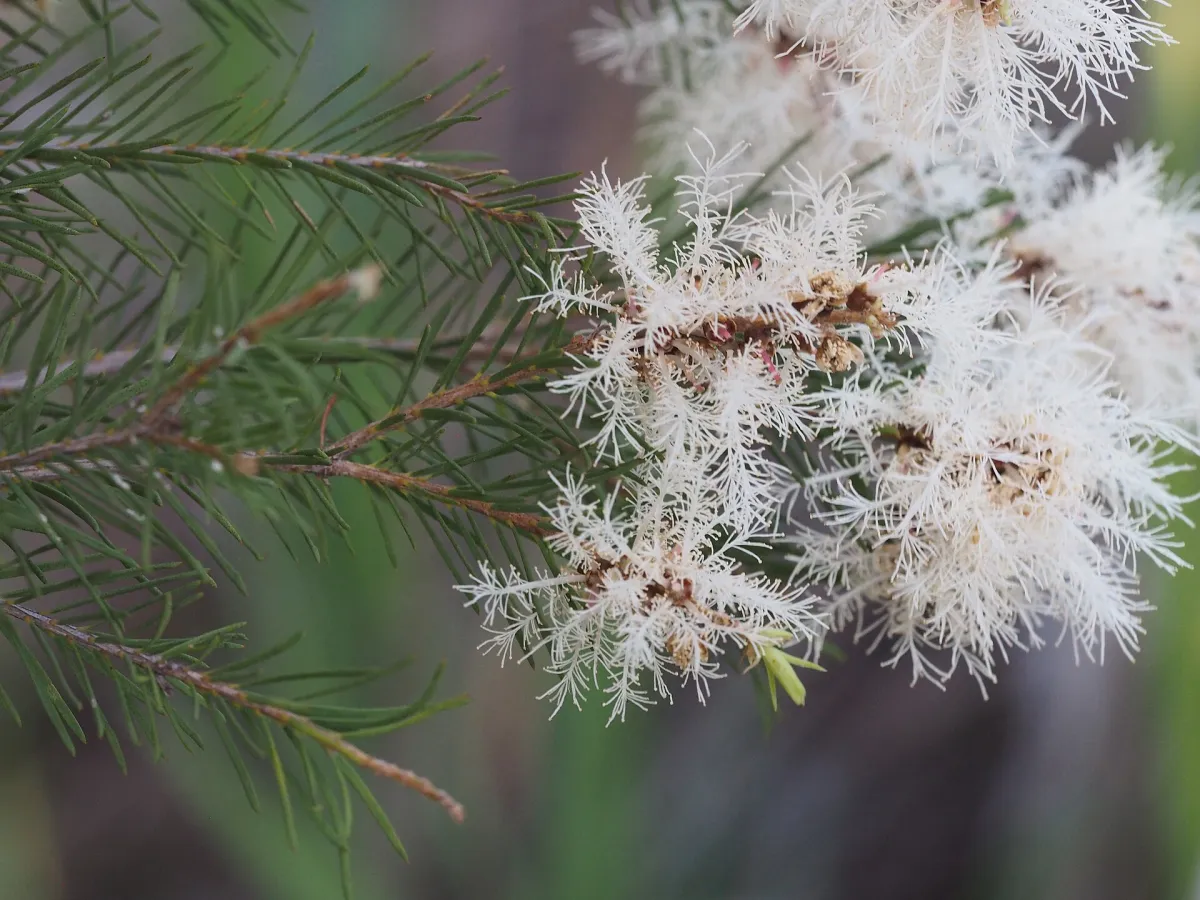
Tea tree essential oil (Melaleuca alternifolia) has well-documented antibacterial and antifungal activity in the lab, and a few small clinical trials showed benefit in athlete’s foot. The European Medicines Agency lists it as a traditional herbal product for minor skin complaints. There are no trials specifically on foot odor, but the mechanism makes sense.
- Dilution: 5 drops in one teaspoon (5 ml) of carrier oil (olive, almond) or aloe gel, roughly 5%;
- apply at night to the soles and between the toes, on clean, dry skin;
- in a soak: mix 5-10 drops with a tablespoon of salt or oil first, then add to the water, since essential oil does not dissolve in water;
- patch test on your inner wrist 24 hours beforehand.
For quality and safety tips, see our article on tea tree oil.
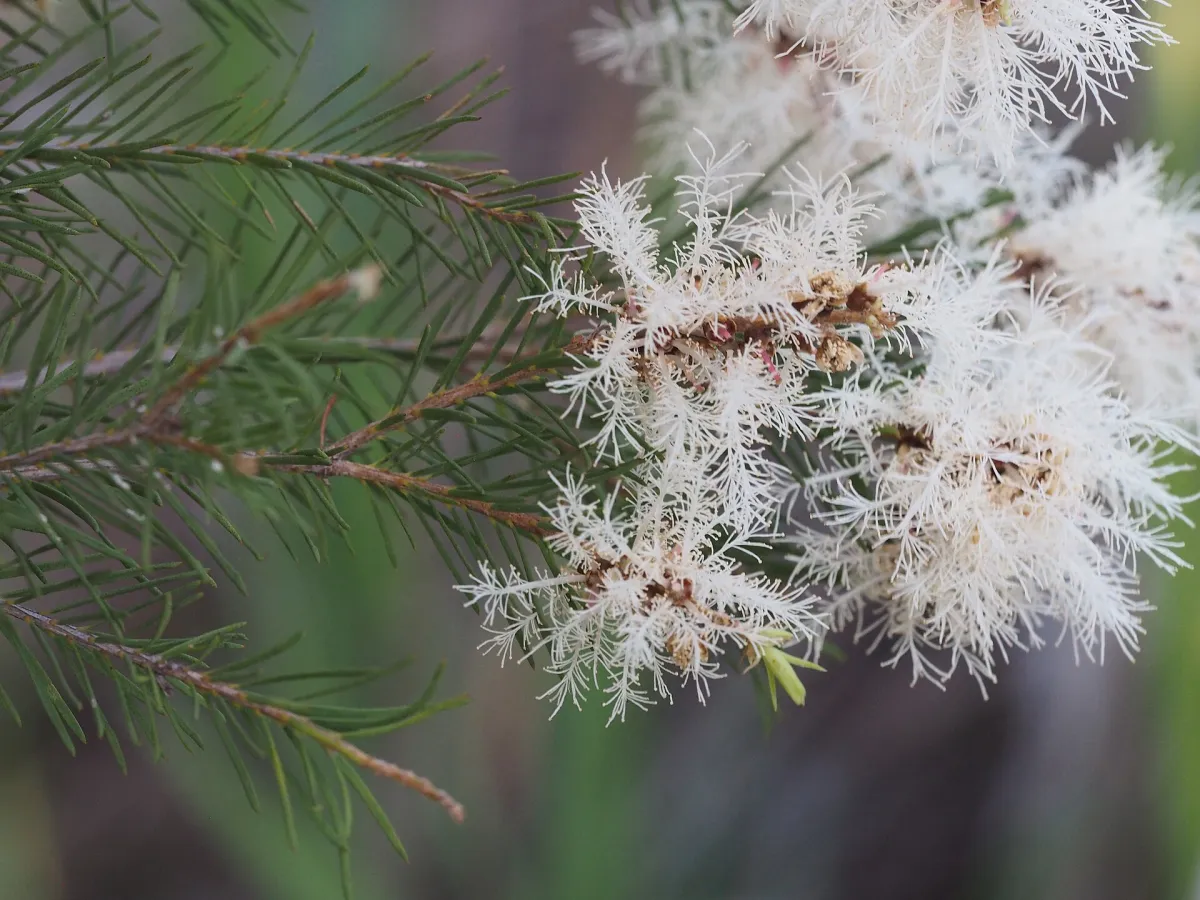 Photo: Geoff Derrin, CC BY-SA 4.0, via Wikimedia Commons
Remedies at a glance
| Remedy | How to do it | How often | What the evidence says | Watch out for |
|---|---|---|---|---|
| Black tea soak | 2-3 bags per liter, diluted, 20-30 min | daily for 7-10 days, then 2-3x/week | Traditional use, plausible astringent effect | Temporary skin staining |
| Vinegar soak | 1 part vinegar to 2 parts water, 15-20 min | 2-3x/week | Antimicrobial in lab studies | Stinging on cracks and eczema |
| Tea tree oil 5% | 5 drops in 5 ml carrier oil | at night | Antifungal and antibacterial in the lab, small trials in athlete’s foot | Contact allergy, toxic if swallowed |
| Aluminum chloride antiperspirant | on dry soles at night | nightly until sweating drops, then 1-2x/week | Recommended for hyperhidrosis | Irritation, stinging |
| Baking soda in shoes | 1 tsp per shoe overnight | daily | Absorbs moisture, neutralizes odor | Treats the shoe, not the skin |
| Shoe rotation, wicking socks | at least 24 h drying | always | Core advice from the NHS | No risks |
Contraindications and precautions
- Diabetes, neuropathy, peripheral arterial disease: no hot or long soaks. With reduced sensation, water that is too hot can burn without you noticing. Check the temperature with your elbow or a thermometer (below 37°C/99°F), keep soaks to 10 minutes and skip vinegar. Dry carefully between the toes and moisturize the soles, but not between the toes.
- Cracked skin, eczema, open wounds: no vinegar and no essential oils until healed.
- Tea tree oil: never swallow it, and keep it away from small children and cats. Old, oxidized oil irritates and sensitizes more easily. Stop if you notice redness or itching.
- Children under 6: washing, drying and clean socks; essential oils only with a pediatrician’s approval.
- Pregnancy: tea and vinegar soaks are safe; ask your doctor before using essential oils.
- Antiperspirant stings on damp or freshly shaved skin; use it less often if it burns.
When to see a doctor
Most cases improve within 2 weeks. Book an appointment if:
- the smell has not eased after 2-3 weeks of following the plan;
- you have itching, white soggy or peeling skin between the toes, cracks or blisters: signs of athlete’s foot, which needs an antifungal;
- toenails become thick, yellow and crumbly;
- you see tiny pinprick pits on the sole: pitted keratolysis is treated with prescription topical antibiotics;
- sweating affects your daily life; treatments such as iontophoresis or botulinum toxin exist (see also excessive sweating);
- you have diabetes and notice any wound, a callus with blood under it, redness, warmth or discharge; a smelly wound in a diabetic foot can mean infection and needs same-day assessment (see type 2 diabetes);
- you develop fever, swelling, red streaks up the leg or pus.
Common mistakes
Masking instead of drying. Scented sprays cover the smell for a few hours, but the bacteria stay.
Putting shoes in the freezer. Cold does not kill most bacteria and spores, it only slows them down.
Applying essential oil neat. It can cause contact dermatitis, leaving the skin even more vulnerable.
Daily vinegar soaks for months. They dry and irritate the skin; after the first 10 days, switch to maintenance.
Ignoring itching. If your feet smell and itch, it is most likely fungus, not just sweat.
One towel for the whole body. Foot fungus can spread to the groin.
Conclusion
Smelly feet are a problem of bacteria plus moisture. A consistent routine of careful washing and drying, an astringent black tea or vinegar soak, rotated shoes and moisture-wicking socks fixes most cases within a few weeks. Itching, skin lesions, pits on the sole or any wound in someone with diabetes call for a doctor, not another soak.
Frequently asked questions
Why do my feet smell even though I wash them every day? Usually the shoes are the problem: they hold bacteria and moisture and recontaminate clean skin within hours. Rotating and drying your footwear matters as much as washing.
How long does it take for foot odor to go away? With daily soaks and shoe hygiene, most people notice a difference in 7-10 days. If nothing has changed after 3 weeks, it is worth checking for fungus or pitted keratolysis.
Which is better, black tea or vinegar? Black tea is gentler and well suited to heavy sweating; vinegar is more antimicrobial but irritates sensitive skin. You can alternate them, just not on the same day.
Can I use green tea instead of black tea? Green tea also contains polyphenols, but black tea has more astringent tannins. Green tea is an acceptable substitute if it is all you have.
Does diet affect how feet smell? Garlic, onion, spicy food and alcohol can slightly change the smell of sweat, but they are rarely the main cause. Stress and how much you sweat matter more.
Is it normal for teenagers to have smelly feet? Yes, sweat glands become more active at puberty. Daily sock changes, aired-out sneakers and black tea soaks usually help.
Does foot powder help? Absorbent powders (talc, cornstarch) keep skin dry through the day but should not go on cracked or wet skin. Antifungal powders are useful if you are also prone to athlete’s foot.
Sources and further reading
- NHS, Smelly feet: self-care advice and when to see a GP.
- NHS, Athlete’s foot: symptoms and treatment.
- European Medicines Agency (HMPC), Community herbal monograph on Melaleuca alternifolia, aetheroleum (tea tree oil).
- American Academy of Dermatology, patient information on pitted keratolysis and hyperhidrosis.
- International Working Group on the Diabetic Foot (IWGDF), guidelines on the prevention and management of diabetes-related foot disease.
This content is for information only and does not replace a consultation with a doctor or pharmacist.