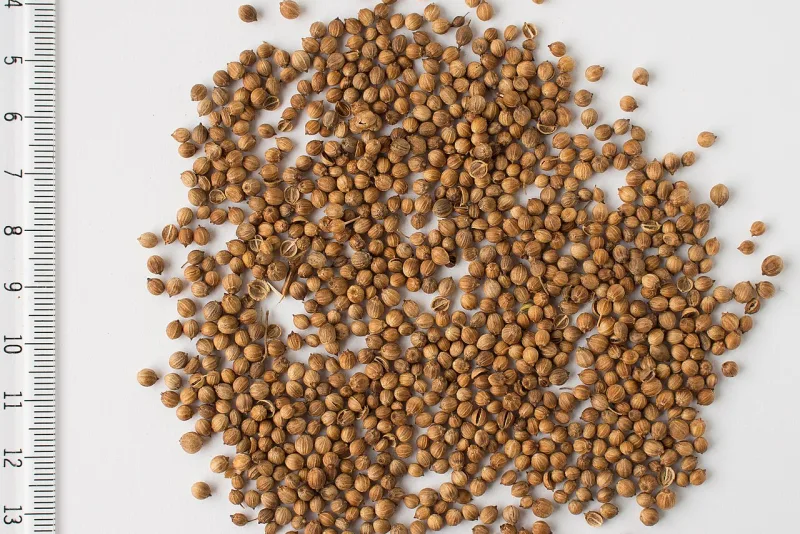
Dried coriander seeds, round and aromatic, scattered on a white surface

Coriander: Benefits, Uses and How to Use It

Coriander: Benefits, Uses and How to Use It IMPORTANT: Coriander is generally safe when used as food and seasoning in the usual culinary amounts. However, some people are allergic to coriander and to other plants in the Umbelliferae family (celery, carrot, caraway, fennel, dill) and may develop reactions ranging from an itchy mouth to more serious responses. Consuming therapeutic quantities (concentrated teas, extracts, essential oil) is not recommended during pregnancy and breastfeeding, in young children, or in people taking medication for diabetes or blood pressure (coriander may amplify the lowering of blood sugar and blood pressure) without a doctor’s advice. Coriander essential oil should never be ingested undiluted and should not be applied neat to the skin. Coriander is not a substitute for treatment prescribed by your doctor; it is a support, not a miracle cure. ...

January 25, 2026 · 15 min · Leacuri.ro
The red leaves of the sumac plant from which the tangy spice is made

Sumac: Benefits, Uses and How to Use the Tangy Spice

Sumac: Benefits, Uses and How to Use the Tangy Spice IMPORTANT: Edible sumac (Rhus coriaria) is safe for most people when used as a food in the usual culinary amounts. However, take care: there are species of poison sumac (Toxicodendron vernix) that have nothing to do with the spice and must never be foraged or eaten. Always buy sumac from trustworthy sources, clearly labeled as a food spice. People with an allergy to fruits in the Anacardiaceae family (cashews, pistachios, mango) should be cautious. Pregnant or breastfeeding women, as well as people taking diabetes medication or blood thinners, should talk to their doctor before using sumac in large amounts or as a supplement. This article is for informational purposes and does not replace medical advice. ...

January 22, 2026 · 15 min · Leacuri.ro
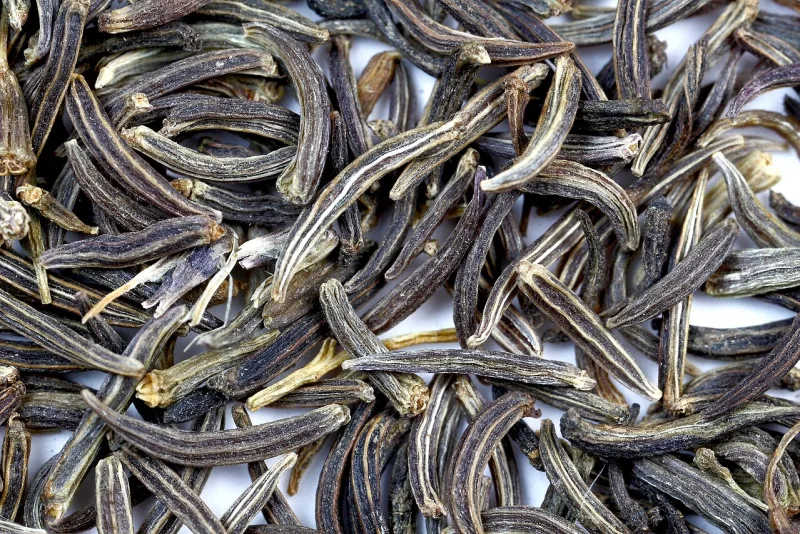
Whole aromatic cumin seeds photographed up close

Cumin: Benefits for Digestion, Uses and How to Use It

Cumin: Benefits for Digestion, Uses and How to Use It IMPORTANT: Cumin is generally safe when used in the usual culinary amounts. However, in large therapeutic doses (concentrated teas, tinctures, supplements) a few precautions apply. Pregnant women should avoid medicinal amounts of cumin, since folk tradition attributes to it effects that may stimulate the uterus; as a simple seasoning in normal cooking, it is considered safe. People taking medication for diabetes should be cautious, because studies suggest cumin may help lower blood sugar, and combining it with medication could push glucose levels too low. Likewise, those allergic to plants in the Apiaceae family (carrot, celery, dill, anise, fennel) may also react to cumin. If you have a chronic condition, are following treatment, or have persistent digestive symptoms, consult your doctor before using cumin as a remedy, and never replace a prescribed treatment with an herbal one. ...

December 22, 2025 · 13 min · Leacuri.ro
Dried red cayenne chili peppers spread out in the sun, a source of capsaicin

Cayenne Pepper: Benefits, Capsaicin and How to Use It

Cayenne Pepper: Benefits, Capsaicin and How to Use It IMPORTANT: Cayenne pepper is a powerful spice, not a medicine. People with active stomach ulcers, severe acid reflux (GERD), acute gastritis, inflamed hemorrhoids or irritable bowel syndrome should avoid it or use it only in very small amounts. Capsaicin can interact with certain medications (blood thinners, blood pressure drugs, aspirin), may intensify their effect and can irritate mucous membranes. Pregnant and breastfeeding women should consume cayenne in moderation. Never apply capsaicin creams or oils to irritated skin, open wounds or near the eyes. If you have a chronic condition, are on medication or have any doubts, talk to your doctor before using cayenne pepper as a remedy. ...

November 12, 2025 · 14 min · Leacuri.ro
A whole nutmeg seed resting on a metal grater, ready to be grated

Nutmeg: Benefits, Uses and How to Use It for Sleep and Digestion

Nutmeg: Benefits, Uses and How to Use It for Sleep and Digestion IMPORTANT: Nutmeg is a powerful spice that becomes toxic in very large amounts. A nutmeg seed contains myristicin, a compound that in high doses (typically more than one to two whole nutmegs eaten at once) can cause nausea, dizziness, palpitations, hallucinations and a deeply unpleasant state lasting for hours. Used sensibly, however, in a pinch at a time, nutmeg is perfectly safe and valuable. Pregnant and breastfeeding women should use it only as a culinary flavoring, in small amounts, and avoid “medicinal” doses. People taking psychiatric medication, blood thinners, or who have liver conditions should talk to their doctor before using it therapeutically. Nutmeg is not a substitute for medical treatment; it is a gentle, traditional support when dosed correctly. ...

October 31, 2025 · 12 min · Leacuri.ro
Fresh ginger root sliced on a wooden cutting board

Ginger: Benefits, Uses and How to Use It for Digestion and Nausea

Ginger: Benefits, Uses and How to Use It for Digestion and Nausea IMPORTANT: Ginger is generally safe for most people when used in ordinary culinary amounts, but it is not without precautions. People taking blood-thinning medication (such as warfarin or high-dose aspirin), those undergoing treatment for diabetes or high blood pressure, and pregnant women exceeding one gram of ginger per day should talk to their doctor first. Ginger may enhance the effect of blood-thinning medicines and can interfere with blood sugar. If you suffer from gallstones, an active stomach ulcer, or severe reflux, introduce it cautiously and in small amounts. This article is for informational purposes only and does not replace medical advice. ...

September 5, 2025 · 15 min · Leacuri.ro
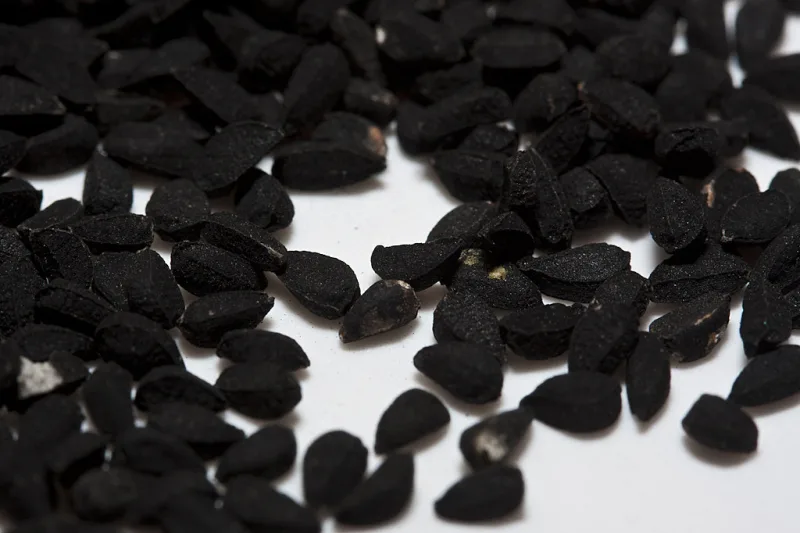
Close-up of black cumin (Nigella sativa) seeds in a bowl

Black Cumin (Nigella sativa): Benefits, Uses and How to Use It

Black Cumin (Nigella sativa): Benefits, Uses and How to Use It IMPORTANT: Black cumin (Nigella sativa) is generally well tolerated as a food and spice, but the oil and concentrated extracts should be used with caution. Pregnant women should avoid large medicinal doses of the oil or seeds, since folk tradition and some observations suggest a possible stimulating effect on the uterus. People taking medication for diabetes, blood pressure, or blood thinners should talk to their doctor before using black cumin in therapeutic amounts, as it may intensify the effect of these treatments. Discontinue use at least two weeks before any surgery. This article is informational and does not replace medical advice. ...

September 1, 2025 · 13 min · Leacuri.ro
Natural vanilla beans, dark cured pods drying in the sun

Vanilla: Benefits, Antioxidants, Uses and How to Use It

Vanilla: Benefits, Antioxidants, Uses and How to Use It IMPORTANT: Natural vanilla is generally safe when used as a food flavoring in the usual culinary amounts. Still, a few precautions are worth remembering. Commercial vanilla extracts contain alcohol (often 35% or more), so they are not suitable for very young children, for people who avoid alcohol, or for those taking medications that interact with it. People with a known allergy to vanilla or vanillin may develop skin reactions (contact dermatitis), especially those who handle the pods frequently (so-called “vanillism”). During pregnancy and breastfeeding, vanilla used as a flavoring in foods is considered safe, but avoid consuming large amounts of alcohol-based extract. Synthetic vanillin (artificial flavoring) does not provide the same beneficial compounds as natural vanilla and may trigger headaches in some sensitive people. If you are following medical treatment or have a chronic condition, vanilla never replaces a doctor’s advice — use it as a pleasant spice, not as a medicine. ...

July 9, 2025 · 13 min · Leacuri.ro
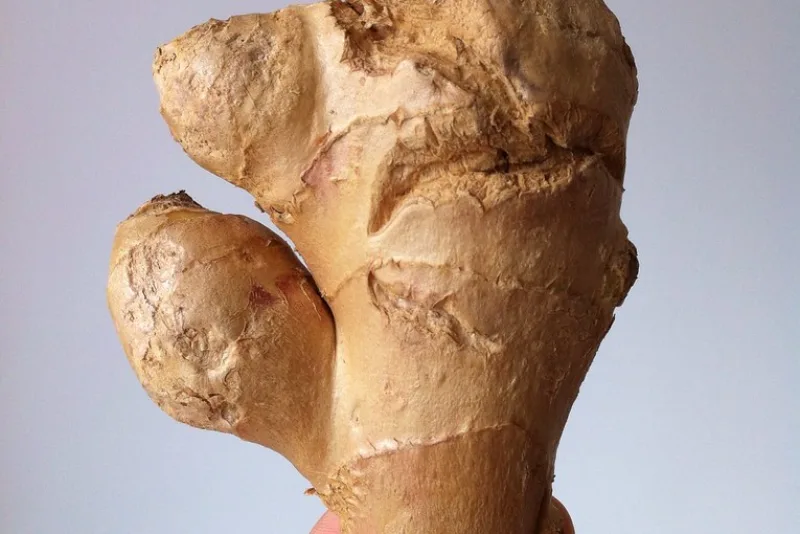
Fresh ginger root, the raw material from which ginger powder is made

Ginger Powder: Benefits, Uses and How to Use It

Ginger Powder: Benefits, Uses and How to Use It IMPORTANT: Ginger is generally safe when used in ordinary culinary amounts, but it is not without precautions. People taking blood-thinning medications (such as warfarin, aspirin or other anti-platelet drugs), those with gallstones, an active stomach ulcer or severe acid reflux should consult a doctor before consuming large amounts of ginger or concentrated supplements. In pregnancy, ginger is often used for nausea, but high doses are not recommended, and pregnant women should discuss its use with their obstetrician. Ginger may slightly lower blood sugar and blood pressure, so people with diabetes or hypertension under treatment should be cautious. This article is informational and does not replace medical advice. ...

April 19, 2025 · 14 min · Leacuri.ro
Dried allspice berries in close-up against a dark background

Allspice: Benefits for Digestion, Uses and How to Use It

Allspice: Benefits for Digestion, Uses and How to Use It IMPORTANT: Allspice is generally safe when used in the usual culinary amounts. However, in large medicinal doses (concentrated essential oils or extracts) it can irritate mucous membranes and is not recommended. Eugenol, its main active compound, can have a mild anticoagulant effect, so people taking blood-thinning medication, those with clotting disorders or anyone scheduled for surgery should be cautious and talk to their doctor. Allspice essential oil should never be applied undiluted to the skin or taken internally. Pregnant and breastfeeding women should limit themselves to culinary amounts and avoid concentrated extracts. People with an active stomach ulcer, severe reflux or a known allergy to cloves or cinnamon should introduce allspice cautiously. Allspice does not replace medical treatment: for persistent digestive problems, severe abdominal pain or unclear symptoms, see a doctor. ...

March 30, 2025 · 15 min · Leacuri.ro