
Anise: Benefits, Uses and How to Use It for Digestion and Breathing
IMPORTANT: Anise is generally well tolerated when used in moderation, like the pinch in a cake or the cup of tea after a meal. However, people allergic to plants in the Apiaceae family (dill, fennel, caraway, celery, carrot) may also react to green anise. Pregnant and breastfeeding women should limit anise to the usual amounts found in food and avoid concentrated essential oil or large doses of tea, because of its possible estrogen-like effect. Anise essential oil should NEVER be taken internally without the guidance of a specialist and should not be given to small children. Culinary star anise (Illicium verum) must not be confused with Japanese star anise (Illicium anisatum), which is toxic. If you are on medication or have a chronic condition, talk to your doctor before using anise for therapeutic purposes.
A Story from the Fireside
Aunt Veta from my grandparents’ village kept a whole drawer of her “remedies,” and in a little cork-stoppered jar she stored some brown, woody little stars with a scent that lingered in your nostrils for a long time. When one of the grandchildren came to her with a bloated belly after eating too many beans or too much cabbage, she never hurried. She would put the kettle on the stove, take two anise stars, gently crush them between her fingers, let them simmer slowly, and then pour the water over them into a cup. “Sit still and drink it warm, very slowly,” she would say, and within half an hour the child already felt lighter.
Beyond that, when autumn came and the colds began, Aunt Veta added anise to her linden and wild thyme tea, saying that it “opened the chest” and helped turn a dry, irritating cough into a gentler one. She knew nothing of anethole or volatile oils, but she knew from experience what folk tradition and some modern observations confirm today: anise is, above all, a friend of the stomach and of breathing.
What Is Anise
Anise is an aromatic spice obtained from the seeds of an annual plant called Pimpinella anisum, native to the eastern Mediterranean and the Near East. Also known as “green anise” to distinguish it from star anise, it is one of the oldest spices used by humankind, mentioned in Egyptian, Greek and Roman sources both as a food and as a remedy. The Romans made an anise cake called mustaceum, which they served at the end of heavy feasts precisely to ease digestion.
The flavor of anise is unmistakable: sweet, warm, slightly woody, with that note reminiscent of licorice and fennel. This taste is due mainly to anethole, an aromatic compound that anise shares with fennel and star anise, which explains why these three spices, though they come from different plants, have such a similar fragrance.
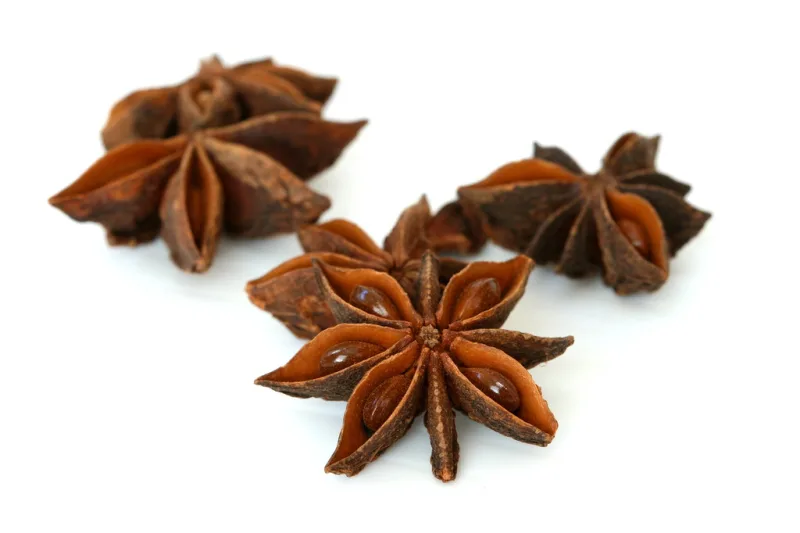
Alongside green anise, in shops and kitchens we frequently encounter star anise (Illicium verum), a woody, eight-pointed little star native to Asia, used heavily in Chinese and Vietnamese cooking and in the “five spice” blend. The two are not botanically related, but they share a similar aromatic profile and comparable benefits, which is why folk tradition often treats them together.
Table of Contents
- The composition and active principles of anise
- Health benefits
- Traditional uses in the village
- How to prepare anise: step-by-step recipes
- Dosage and how to take it
- Anise in the kitchen
- How to choose and store anise
- Lifestyle and practical tips
- Practical Tips and Common Mistakes
- Conclusion
- Frequently Asked Questions
The Composition and Active Principles of Anise
What makes anise a truly special spice is not just its fragrance but the wealth of compounds in its volatile oil. Anise seeds contain between 1.5 and 6% essential oil, and the dominant component is anethole, which usually accounts for more than 80-90% of that oil. Anethole is responsible for the sweet, aromatic taste and is believed to underlie most of its effects on digestion and breathing.
Besides anethole, anise also contains:
- Estragole (methylchavicol) – another aromatic compound, present in smaller amounts.
- Fatty acids and seed oils, which give a slight richness.
- Flavonoids – compounds with antioxidant roles that help the body cope with oxidative stress.
- Coumarins and other phenolic compounds.
- Proteins, fiber and minerals such as iron, calcium, magnesium and potassium, in modest amounts.
Anethole has a structure that resembles, at the chemical level, certain estrogenic compounds, which explains both some of its traditional uses (for example, stimulating lactation) and the reason caution is advised at high doses. Studies suggest that anethole has properties that relax the smooth muscle of the digestive tract, which would explain the calming effect on cramps and bloating that whole generations have observed.
Health Benefits
Supports Digestion and Fights Bloating
This is, without a doubt, the main reason anise has been prized for millennia. In folk tradition, anise tea is the classic remedy after a heavy meal, when the stomach feels swollen and sluggish. Anise is thought to help expel gas (a carminative effect), relax intestinal spasms and promote smoother digestion. Mothers and grandmothers once even gave anise water to colicky infants, although today this practice should only be done with great caution and under medical guidance.
Soothes Cough and Helps Breathing
The second major use of anise concerns the respiratory system. Tradition says that anise “opens the chest,” easing the elimination of secretions and calming a dry, irritating cough. Many old cough syrups contained anise precisely for its pleasant taste and its mucus-thinning effect. A warm cup of anise tea, perhaps sweetened with honey, is a comforting choice on cold autumn evenings when the throat scratches and the nose runs.
Calming and Relaxing Effect
The warm, sweet aroma of anise has, for many people, a soothing effect on the mind. A cup of anise tea in the evening, before bed, is considered in folk tradition a little relaxation ritual that helps you unwind after a busy day. This effect is probably linked both to the volatile compounds and to the simple act of giving yourself a moment of calm.
Support for Breastfeeding Mothers
In folk medicine, anise, along with fennel and caraway, belongs to the category of “galactagogue” plants, said to stimulate milk production. This effect is attributed to the estrogen-like compounds. For this very reason, however, doses must be moderate, and the use of essential oil is discouraged.
Antioxidant Properties and General Support
The flavonoids and phenolic compounds in anise contribute to its antioxidant capacity. Tradition also credits it with a “cleansing” and breath-freshening role – it is no accident that anise seeds were once chewed after meals to freshen the mouth, a habit still kept today in some cuisines.
Support for the Menstrual Cycle
Thanks to the same compound profile, anise is used in folk tradition to ease menstrual cramps and premenstrual discomfort. A warm cup of anise tea, perhaps combined with chamomile, is a gentle option many women choose during those days.
Traditional Uses in the Village
In the peasant household, anise was never missing from the spice chest, although it was used more sparingly than caraway or coriander. Here are some of its most common uses:
- The after-meal digestive tea, plain or combined with fennel and caraway.
- An addition to bread and sweet breads, where a few anise seeds gave that warm, festive aroma.
- In aromatic spirits – anise was sometimes macerated to obtain flavored drinks, similar to the Mediterranean ones (ouzo, anisette, pastis, raki).
- In homemade cough syrups, alongside wild thyme, linden and honey.
- In pickles and preserves, where the star anise gave a special note to pickled cabbage or compotes.
How to Prepare Anise: Step-by-Step Recipes
The Classic Anise Tea for Digestion
What you need:
- 1 teaspoon of green anise seeds (or 1 star anise)
- 250 ml of water
Steps:
- Gently crush the anise seeds with the back of a spoon or in a mortar – this step releases the aromatic oils.
- Bring the water to a boil and, once it boils, take it off the heat.
- Add the crushed seeds to the cup and pour the hot water over them.
- Cover the cup with a small saucer (very important, so the volatile oils are not lost with the steam).
- Let it steep for 8-10 minutes.
- Strain and drink the tea warm, in small sips, after the meal.
The “Three Seed” Tea for Bloating
This is a classic blend, gentle and very effective in folk tradition:
- ½ teaspoon anise
- ½ teaspoon fennel
- ½ teaspoon caraway
Proceed as above: crush the seeds, scald them with 300 ml of hot water, cover and let steep for 10 minutes, then strain. This trio covers a wide range of digestive discomforts.
Anise and Linden Tea for Cough
- 1 teaspoon crushed anise
- 1 teaspoon linden flowers
- honey to taste (added only once the tea has cooled a little)
Steep for 10 minutes, strain, sweeten with honey and drink warm, 2-3 times a day, during cold spells.
Flavored Anise Water
For a refreshing summer drink: put 1 teaspoon of anise in a carafe with 1 liter of cold water, add lemon slices and mint leaves, and chill in the fridge for a few hours. You get an aromatic, slightly sweet water that is pleasant for digestion.
Anise Tincture
For those who prefer a concentrated form: put 50 g of crushed anise seeds in a jar, pour 250 ml of food-grade alcohol (40-50 proof) over them, seal tightly and let macerate for 2-3 weeks, shaking daily. Strain and store in dark bottles. Use 10-20 drops diluted in water, but only after consulting a specialist.
Dosage and How to Take It
In traditional use, the recommended amounts of anise are moderate:
- As tea: 1-2 teaspoons of seeds per day, divided into 2-3 cups.
- As seeds in food: a tradition of using a few seeds when making bread or cakes.
- Star anise: 1 star is enough for a cup or to flavor a dish.
The golden rule is moderation. Anise is a strongly aromatic spice, and more does not mean better. Concentrated essential oil is never taken internally without supervision, because it is dozens of times more potent than whole seeds.
Anise in the Kitchen
Beyond its role as a remedy, anise is an invaluable spice in cooking. A few ideas:
- Sweet breads and cakes – a few anise seeds add a warm, festive aroma, especially combined with orange zest.
- Bread and pretzels – in Mediterranean cooking, anise is essential to certain breads.
- Compotes and jams – a single star anise turns a simple pear compote into a refined dessert.
- Asian soups and stews – star anise is essential in Vietnamese pho and in many slow-cooked meat dishes.
- Warm drinks – mulled wine and winter teas gain a great deal from a single anise star.
Tip: star anise releases its aroma best when added at the start to simmering liquid, while green anise seeds are better added toward the end or in dough.
How to Choose and Store Anise
When buying anise, choose whole seeds or stars, not powder, because the whole form keeps its aroma much better. Quality green anise seeds are greenish-gray to brown and have a strong, sweet smell. Star anise should be whole, reddish-brown, with an intense fragrance.
Store anise in an airtight jar, away from light, heat and moisture. Whole seeds keep their aroma for 2-3 years, while powder degrades within a few months. Grind the seeds only just before use, for maximum fragrance.
Be very careful about confusing culinary star anise (Illicium verum) with its toxic relative, Japanese star anise (Illicium anisatum). Always buy from trusted sources, shops with verified food products.
Lifestyle and Practical Tips
Anise fits most beautifully into a lifestyle where meals are moments of calm, not haste. A warm cup of anise tea after the evening meal can become a little ritual that signals to your body that the day is drawing to a close. Combine it with other healthy habits: eat slowly, chew well, avoid huge portions late in the evening and take a short walk after the meal.
If you often suffer from bloating, notice which foods trigger your discomfort and use anise tea as support, not as the sole solution. During cold seasons, keep a herbal tea blend on hand – anise, linden, wild thyme – so you have it ready at the first signs of a cold.
Practical Tips and Common Mistakes
Mistake no. 1: Using uncrushed seeds. If you put whole seeds in water without crushing them, a good part of the aromatic oils stays locked inside. Always crush them lightly before steeping.
Mistake no. 2: Boiling the tea for a long time. The volatile oils evaporate with prolonged boiling. For green anise seeds, scalding and covered steeping are enough; only star anise tolerates a longer gentle simmer.
Mistake no. 3: Steeping without a lid. The aromatic steam that rises from the cup contains the very active principles. Always cover the cup while steeping.
Mistake no. 4: Confusing anise with the essential oil. The seeds and the essential oil are not the same thing. The oil is extremely concentrated and is not taken internally without guidance.
Mistake no. 5: Overdoing the amounts. “If one teaspoon is good, two are better” is faulty logic. Anise in excess can cause discomfort and, in the case of the oil, even adverse effects.
Mistake no. 6: Adding honey to boiling tea. Honey loses its properties at high temperatures. Add it only after the tea has cooled a little.
Mistake no. 7: Buying star anise from unverified sources. The risk of confusion with the toxic species is real. Buy only from trusted shops.
Conclusion
Anise is one of those discreet spices that, behind its warm and sweet aroma, hide a whole heritage of practical use. From the after-meal tea that calms the stomach, to the warm cup that “opens the chest” on cold autumn evenings, anise has accompanied generations of homemakers and wise grandmothers. Used with measure and common sense, it remains a trusted ally for digestion, breathing and those moments of calm we all need. Remember the golden rule of moderation, mind the source you buy it from, and enjoy its fragrance in the kitchen and in the teacup.
Frequently Asked Questions
What is the difference between green anise and star anise? Green anise (Pimpinella anisum) is a plant in the dill family whose small seeds are used as a spice. Star anise (Illicium verum) is a woody, eight-pointed star from an Asian tree. Botanically they are not related, but both contain anethole, which is why they have a very similar aroma and comparable uses.
Can I drink anise tea every day? In moderate amounts (1-2 cups a day), anise tea is generally well tolerated by healthy adults. Still, as with any plant, it is good to take breaks and not turn it into an excessive habit. If you have chronic conditions or take medication, consult your doctor first.
Is anise safe during pregnancy? In the small amounts found in food, anise is usually considered safe. However, large doses of tea and especially the essential oil are discouraged in pregnancy and breastfeeding, because of the estrogen-like effect. It is best to ask your doctor.
Does anise help with weight loss? Anise is not a “weight-loss remedy,” but through its effect on digestion and bloating it can give a feeling of abdominal comfort. Weight loss depends on a balanced diet and movement, not on a single spice.
How does anise soothe a cough? Tradition credits anise with thinning secretions and calming a dry cough. A warm cup of anise tea, perhaps with honey, eases throat irritation and offers a pleasant sense of relief during colds.
Can anise be given to children? Weak anise tea is traditionally given to older children, but with infants and small children caution and medical guidance are needed. The essential oil is never given to small children.
Why must the seeds be crushed before making tea? Crushing breaks the seed coat and releases the aromatic oils that contain the active principles. Whole seeds give off far less aroma in water.
How long does anise keep? Whole seeds and stars keep their aroma for 2-3 years if kept in a closed jar, in the dark and away from moisture. Powder degrades much faster, within a few months.