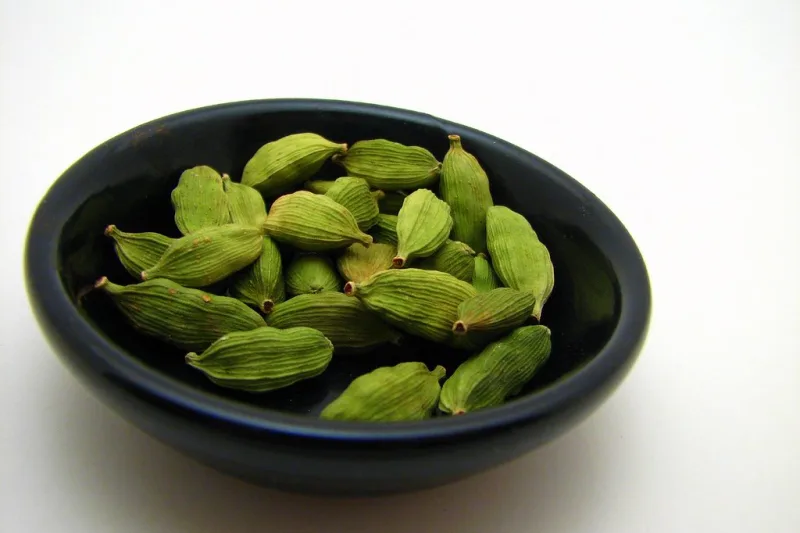

Cardamom: Benefits for Digestion and Breathing, Uses and How to Use It
IMPORTANT: Cardamom is generally safe when used as a spice in the usual culinary amounts. However, in medicinal quantities (concentrated teas, extracts, supplements) it is wise to be cautious. People who suffer from gallstones should avoid large amounts, because cardamom can stimulate gallbladder contraction. Pregnant or breastfeeding women should limit themselves to culinary amounts and avoid therapeutic doses without medical advice. Cardamom may interact with anticoagulant medications and with blood-sugar-control drugs, so diabetics and those on blood-thinning treatment should consult their doctor. Some sensitive individuals may experience an allergic reaction. This article is for informational purposes and does not replace medical advice.
A Story from the Edge of the Village
Aunt Veta, a slim, cheerful woman from the Sibiu region, kept in an old tin box, hidden behind the jars of jam, a handful of green pods she called her “golden beads.” She had received them, so she said, from an Armenian merchant who once passed through the market town with a crate full of spices from distant lands. “When your food sits heavy in your stomach and it feels like you’ll never make it from supper to morning,” she would say, “you chew two or three of these beads and you’re a new person.” No one in the village quite knew what they were called, but everyone had grown used to asking Aunt Veta for “the Armenian’s remedy” whenever they had a bloated belly or heavy breathing after a rich meal.
It was only later, when one of her grandchildren went off to the city and got an education, that it emerged the “golden beads” were in fact cardamom — one of the most expensive and prized spices in the world, used for millennia in the East both in the kitchen and as a remedy. Aunt Veta had never read a word about it, but she had felt on her own skin what the folk traditions of many peoples had confirmed for centuries: cardamom is a friend to the stomach and the breath. And its warm, sweetish, slightly pungent fragrance stayed linked, in the grandchildren’s minds, to those quiet evenings after dinner, when the scent of cardamom drifted over the house like a blessing.
What Cardamom Is
Cardamom is a spice obtained from the dried seeds of plants in the ginger family (Zingiberaceae), the best known being Elettaria cardamomum (green, or “true,” cardamom) and Amomum subulatum (black cardamom). Native to the humid forests of southern India and Sri Lanka, cardamom is today cultivated in tropical regions such as Guatemala, India, Sri Lanka and Tanzania. The small, pale-green pods conceal inside black, sticky, intensely aromatic seeds — the true treasure of the spice.
Prized since time immemorial, cardamom has been considered a royal spice. The Egyptians chewed it to whiten their teeth and freshen their breath, the Greeks and Romans used it in perfumes, and Arab traders added it to coffee as a sign of hospitality. Because of its high price — after saffron and vanilla, it is among the most expensive spices in the world — it has always been a symbol of refinement. Beyond its taste, however, cardamom earned a place of honor in traditional Indian medicine (Ayurveda) and in Arabic medicine, as a remedy for digestive complaints, respiratory problems and for freshening the breath.
Table of Contents
- Composition and active principles
- Health benefits
- Traditional uses
- How to prepare: tea, infusions and step-by-step recipes
- Dosage and how to take it
- Cardamom in the kitchen and in daily life
- Practical tips and common mistakes
- Conclusion
- Frequently Asked Questions
Composition and Active Principles
Cardamom’s powerful aroma and its effects come from a rich blend of volatile compounds concentrated in the essential oil of the seeds. Among the most important are:
- Cineole (eucalyptol) — the compound that gives cardamom its cooling, eucalyptus-like notes. Tradition associates it with expectorant effects and the clearing of the airways.
- Terpinyl acetate and limonene — responsible for the floral, sweetish, slightly citrusy aroma, as well as for the relaxing properties on the digestive muscles.
- Linalool and sabinene — contributing to the complex fragrance and believed to have calming effects.
- Volatile oils, fiber, starch and a small amount of protein — alongside minerals such as potassium, magnesium, calcium, iron and manganese, and traces of B-group vitamins and vitamin C.
These active principles make cardamom more than a simple aromatic spice. Studies suggest that its essential oil has antioxidant, antimicrobial and carminative properties (that is, it helps expel intestinal gas). Its antioxidant content helps fight oxidative stress, which is why cardamom is valued in many traditions as a general tonic.
Health Benefits
Support for Digestion
The oldest and most widespread use of cardamom is the digestive one. In Ayurvedic medicine, it is considered a spice that “kindles the digestive fire” (agni) without overheating the body. Its volatile compounds relax the smooth muscle of the digestive tract, helping to relieve bloating, the feeling of heaviness after eating, and flatulence. Chewing a few seeds after a hearty meal is an age-old habit in India, precisely to prevent discomfort. Cardamom also stimulates the secretion of saliva and gastric juices, helping the body process heavy, fatty or spicy foods more easily.
Help for the Airways
Thanks to its cineole content, cardamom is traditionally used as a remedy for labored breathing, dry cough and nasal congestion. Its mild expectorant effect helps thin mucus and clear the chest. Inhaling the steam of a cardamom infusion or adding it to winter teas is a common practice to soothe an irritated throat and ease breathing. In folk tradition, cardamom is considered an “opener of channels,” letting air flow freely.
Freshening the Breath and Oral Health
Cardamom is perhaps the oldest natural “chewing gum.” Its antimicrobial properties help combat the bacteria that cause bad breath and cavities. Chewing a cardamom pod after a meal leaves the mouth with a clean, sweet-spicy aroma, masking unpleasant odors (including garlic or onion) and supporting gum health.
Supporting the Heart and Circulation
Studies suggest that the antioxidants in cardamom and its mild diuretic effect may contribute to maintaining balanced blood pressure and cardiovascular health. In folk tradition, cardamom is used as a tonic that “revives” and gives energy, and is associated with good blood circulation. These effects remain gentle and complementary to a healthy lifestyle, however, not a substitute for medical treatment.
Balancing Mood and the Tonic Effect
Cardamom’s warm, enveloping aroma has a calming effect recognized in aromatherapy. Many people describe a feeling of comfort and relaxation when drinking a tea scented with cardamom. In the Arab tradition, coffee with cardamom is the drink of hospitality and of restful moments, and its very fragrance creates an atmosphere of calm and goodwill.
Support for Detoxification and the Kidneys
Cardamom has a mild diuretic effect, helping the body eliminate excess water and toxins through urine. In traditional medicine, it is used to “cleanse” and support the function of the kidneys and bladder. This effect also contributes to the general feeling of lightness and freshness experienced by those who consume it regularly in moderate amounts.
Traditional Uses
Over the centuries, cardamom has been used in many ways, far beyond simply flavoring food:
- As a digestive after meals — chewed seeds or a warm infusion to soothe the stomach.
- In Oriental coffee and tea — Arabic coffee (qahwa) and Indian chai are unthinkable without cardamom.
- As a remedy for colds and coughs — added to warm milk with honey or to winter teas.
- For fresh breath — chewed after meals with garlic or onion.
- In cakes and desserts — in many cuisines, from Scandinavian (sweet cardamom bread) to Middle Eastern.
- As an energizing tonic — added to warm drinks to drive away fatigue.
How to Prepare: Tea, Infusions and Step-by-Step Recipes
Simple Cardamom Tea
The most accessible way to benefit from cardamom’s properties is tea. Here is how to prepare it correctly:
- Take 3-4 green cardamom pods and crush them lightly with the flat of a knife or a pestle, just enough to crack the husk and release the aroma of the seeds.
- Place the crushed pods in a cup (about 250 ml).
- Pour boiling water over them.
- Cover the cup and let steep for 7-10 minutes, so the volatile oils pass into the water.
- Strain and, if you wish, sweeten with a teaspoon of honey.
Drink this tea warm, especially after meals or in the evening, when you want a moment of relaxation and easy digestion.
Cardamom Tea with Ginger and Cinnamon (for Winter)
This combination is excellent for cold days and for supporting the airways:
- Crush 3 cardamom pods.
- Add 2-3 thin slices of fresh ginger and a small cinnamon stick.
- Simmer everything in 300 ml of water for 5 minutes over low heat.
- Turn off the heat, cover and let infuse for another 5 minutes.
- Strain and sweeten with honey to taste.
Golden Milk with Cardamom (for the Throat and Restful Sleep)
- Heat a cup of milk (dairy or plant-based).
- Add the seeds from 2 crushed cardamom pods, a pinch of turmeric and a little cinnamon.
- Let it simmer gently for 3-4 minutes, without boiling.
- Strain, sweeten with honey and drink warm, before bed.
Coffee with Cardamom (Arabic Style)
- Prepare your coffee as usual.
- Add the crushed seeds from 1-2 cardamom pods directly into the coffee while it brews.
- Let it come to a gentle simmer and serve.
Cardamom’s aroma balances the bitterness of the coffee and is said to reduce the irritating effects of caffeine on the stomach.
Dosage and How to Take It
For culinary use, the amount is at your discretion and poses no problems: a few pods to a pot of food or tea. For digestive or respiratory purposes, tradition recommends:
- Direct chewing: 1-2 pods (just the seeds) after a meal.
- Tea: 1-2 cups a day, each made from 3-4 pods.
- Cardamom milk: a cup in the evening, as needed.
It is wise not to exceed a few pods a day for therapeutic purposes. Cardamom is a powerful spice, and excess brings no additional benefits — it may irritate a sensitive stomach. It is best used with moderation and regularity, as part of a balanced diet.
Cardamom in the Kitchen and in Daily Life
Cardamom suits both sweet and savory dishes. In modern cooking, it can be added to compotes, cakes, sweet breads or warm winter drinks. It pairs wonderfully with apples, pears, oranges, honey, cinnamon, cloves and ginger.
To preserve its aroma for as long as possible, buy cardamom as whole pods, not ground. The pods keep the volatile oils protected, while the powder quickly loses its fragrance. Grind the seeds only when you need them. Store the pods in an airtight jar, away from light, heat and moisture — exactly as Aunt Veta did with her tin box.
Bringing cardamom into everyday life is not only about cooking, but about creating small rituals of calm: a cup of fragrant tea after dinner, an aromatic coffee in the morning, a glass of warm cardamom milk before sleep. These moments, beyond the physical benefits, nourish the soul as well.
Practical Tips and Common Mistakes
Mistake no. 1: Buying cardamom already ground. Ground cardamom loses its aroma within a few weeks. Whole pods stay fragrant for months. Always buy pods and grind them fresh.
Mistake no. 2: Using the whole pod without crushing it. If you don’t crack the husk, the aroma stays trapped inside, and the tea or dish will be bland. Always crush the pods before use.
Mistake no. 3: Over-boiling the tea. The volatile oils, the very ones that provide the benefits, evaporate with long boiling. For a simple tea, it is better to steep in covered boiling water rather than boil for minutes on end.
Mistake no. 4: Overdoing the quantity. Cardamom is intense. Too much can make a dish bitter and irritate the stomach. Less is often more.
Mistake no. 5: Ignoring the contraindications. Those with gallstones, pregnant women (in therapeutic doses) and people on anticoagulant treatment should be cautious. Consult a doctor when in doubt.
Mistake no. 6: Storing it improperly. Light, heat and moisture destroy the aroma. Use an airtight container kept in a cool, dark place.
Conclusion
Cardamom is far more than an expensive, exotic spice. It is an ancient ally of digestion and breathing, a natural breath freshener and a balm for restful moments. Used with moderation and wisdom — whether chewed after a meal, or in the form of a fragrant tea or a cup of golden milk — it can bring gentle comfort and a general sense of well-being. As Aunt Veta knew from experience, “golden beads” was no idle phrase: cardamom is a modest but precious treasure, well worth keeping always within reach in your pantry.
Frequently Asked Questions
How much cardamom can I safely consume daily? For culinary use, the amounts in recipes are safe. For therapeutic purposes, 1-2 cups of tea a day or chewing 1-2 pods after meals are sufficient. Avoid large, prolonged doses without medical advice.
What is the difference between green and black cardamom? Green cardamom (Elettaria cardamomum) has a sweet, floral, cooling aroma and is the one most often used in teas and desserts. Black cardamom has a smoky, more intense aroma, used mainly in savory and spicy dishes.
Can I use cardamom if I am pregnant? In the small amounts used in cooking, cardamom is generally considered safe. However, therapeutic doses (concentrated teas, extracts) should be avoided during pregnancy and breastfeeding without medical advice.
Does cardamom help with bad breath? Yes, this is one of its oldest uses. Chewing a cardamom pod freshens the breath and combats bacteria in the mouth, masking even the smell of garlic or onion.
Does cardamom help with cough and cold? Folk tradition uses it to ease breathing, thin mucus and soothe an irritated throat, thanks to its cineole content. A warm cardamom tea with ginger and honey is a classic winter remedy, complementary to the care recommended by your doctor.
How do I store cardamom so it doesn’t lose its aroma? Buy whole pods, not powder, and keep them in an airtight jar in a cool, dark place. Grind the seeds only before use, to benefit from the maximum aroma.
Can I add cardamom to coffee? Yes, coffee with cardamom is a Middle Eastern tradition. Its aroma balances the bitterness and is said to reduce caffeine’s irritation of the stomach. Add the crushed seeds from 1-2 pods while brewing.
Does cardamom interact with medications? It may interact with anticoagulants and blood-sugar medications. People on such treatments, as well as diabetics, should consult their doctor before consuming cardamom in therapeutic amounts.