
Cinnamon: Benefits, Blood Sugar, Antioxidants and How to Use It
IMPORTANT: Cinnamon is a beloved and safe spice in the amounts normally used in cooking. However, common cinnamon (the Cassia type) contains a compound called coumarin, which in large quantities can stress the liver. People taking diabetes medication, blood thinners (such as warfarin), or who have liver conditions should talk to their doctor before consuming cinnamon in therapeutic amounts. Pregnant and breastfeeding women should use it only in normal culinary quantities, not as concentrated supplements. Cinnamon never replaces prescribed treatment for diabetes or any other illness — consult your doctor.
Grandma Veta from the highlands near Sibiu had a habit I still remember today: every winter morning, before the men left for the barn, she would put a large tin pot on the stove in which apple slices, a cinnamon stick, and a few cloves were simmering. That warm aroma rose through the whole house and, she would say, “opens your chest and warms your blood.” She never spoke in terms of blood sugar or antioxidants — for her, cinnamon was simply the spice that “is good for the stomach, for colds, and for a heavy heart.” And, surprisingly, many of her folk observations have today gained an explanation in the language of modern nutrition.
Aunt Elena, her neighbor, swore that a teaspoon of honey mixed with a pinch of cinnamon, taken first thing in the morning on an empty stomach, “keeps the belly in order and won’t let you gain weight in winter.” These simple recipes, passed down from one generation to the next, made cinnamon one of the most cherished spices in the Romanian household — used in pies, sweet breads, sweet dumplings, mulled wine, and countless home remedies.
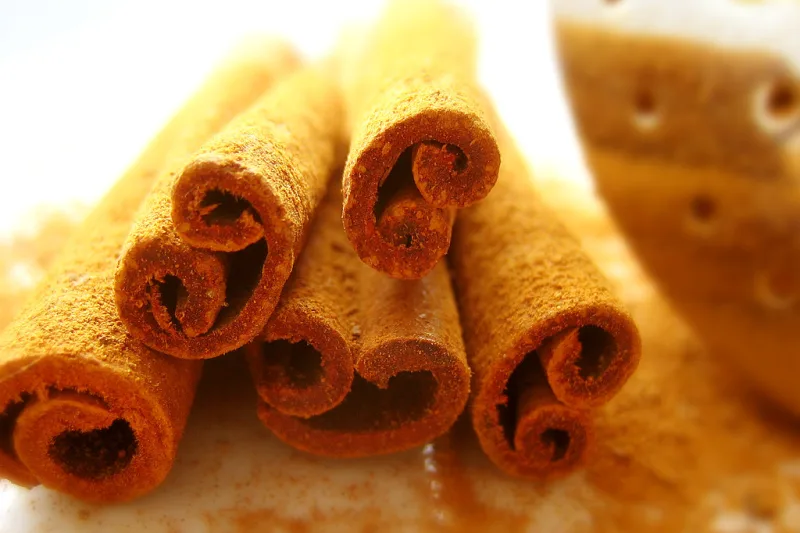
Cinnamon is the dried inner bark of certain tropical trees of the genus Cinnamomum. After harvesting, the bark naturally curls into those characteristic sticks (popularly called “quills”) or is ground into the fragrant powder we all know. Native to Sri Lanka and southern India, cinnamon was among the most prized spices of antiquity — so valuable it was offered as a gift to kings and used in sacred rituals. Today it is accessible to everyone, yet it has kept its aura of a “warming,” comforting, and beneficial spice.
Table of Contents
- What cinnamon is and where it comes from
- The two types: Ceylon vs. Cassia
- Composition and active principles
- Health benefits
- Traditional uses in folk medicine
- How to prepare it: teas, infusions, and blends
- Dosage and how to take it
- Cinnamon in the kitchen and lifestyle
- Practical tips and common mistakes
- Conclusion
- Frequently Asked Questions
What cinnamon is and where it comes from
Cinnamon comes from the bark of cinnamon trees, evergreen plants that grow in the warm, humid climates of South and Southeast Asia. The harvesting process is a true art: the cutters carefully peel away the rough outer layers of bark to reach the tender, aromatic inner layer. This is then cut into long strips which, as they dry in the sun, curl up on their own into sticks.
The very word for cinnamon in Romanian, “scorțișoară,” derives from “scoarță” (bark) — which is exactly what this spice is: the bark of a tree. Its unmistakable aroma, sweet-spicy and slightly woody, comes largely from a volatile oil it contains in abundance. That is why cinnamon is not merely a spice but also a concentrated source of active aromatic compounds, which is why it has been used in the kitchen, in perfumery, and in traditional medicine alike.
The two types: Ceylon vs. Cassia
An essential point that few people know is that store shelves actually hold two main types of cinnamon, with quite different properties.
Ceylon cinnamon (also called “true cinnamon”) comes from Sri Lanka. Its sticks are thin and fragile, made of several fine curled layers resembling a soft cigar, and crumble easily. The aroma is delicate, sweet, and refined. Most importantly, it contains very small amounts of coumarin, which is why it is considered the safer option for regular consumption and in larger amounts.
Cassia cinnamon (originating in China or Indonesia) is the most widespread and cheapest. Its sticks are thick, hard, made of a single thick layer of bark, dark reddish-brown in color. The aroma is stronger, spicier, and more “intense.” This is the cinnamon we use most often. Its drawback is the much higher coumarin content, a compound that in large doses can be hard for the liver to process.
The practical takeaway: if you use cinnamon only occasionally, in cakes and desserts, either type is fine. But if you intend to consume it daily, to support your health, it is worth seeking out Ceylon cinnamon.
Composition and active principles
Cinnamon is much more than a pleasant aroma. Folk tradition and herbalists’ observations long sensed that it “has something” that makes it beneficial, and modern nutrition has identified a series of interesting compounds:
- Cinnamaldehyde — the main volatile oil, responsible for the aroma and for a good part of cinnamon’s properties. Studies suggest it has antimicrobial and anti-inflammatory effects.
- Polyphenols and proanthocyanidins — plant pigments with antioxidant action that help neutralize free radicals.
- Cinnamic acid and eugenol — aromatic compounds with potentially protective properties.
- Fiber and minerals — cinnamon contains modest amounts of manganese, calcium, and iron.
- Coumarin — present mainly in Cassia; beneficial in tiny amounts, but to be avoided in excess.
This combination makes cinnamon one of the most “dense” spices in terms of antioxidants. It is precisely this wealth of phenolic compounds that explains why, gram for gram, cinnamon is often cited among the most powerful antioxidant spices.
Health benefits
Supporting blood sugar balance
Probably the most discussed benefit of cinnamon is its connection to blood sugar levels. Studies suggest that certain compounds in cinnamon may help cells respond more efficiently to insulin and may slightly slow the breakdown of carbohydrates in the gut, leading to gentler rises in blood sugar after a meal. In folk tradition, cinnamon sprinkled over sweet or starchy dishes was seen as a way to “tame the sugar.” Be careful, though: cinnamon is a helper, not a treatment. People with diabetes must follow their medication and change nothing without their doctor.
A wealth of antioxidants
Free radicals are unstable molecules that, over time, contribute to cellular aging and various inflammatory processes. The antioxidants in cinnamon — especially polyphenols — help neutralize them. A moderate, regular intake of cinnamon thus contributes to the overall antioxidant intake of your diet, alongside fruits, vegetables, and other spices.
Support for digestion
Grandmothers were right when they said cinnamon “is good for the belly.” Its aromatic compounds gently stimulate digestive secretions and may help reduce the feeling of bloating and discomfort after heavy meals. A warm cinnamon tea after a hearty meal is a classic home remedy for a “lazy” stomach.
A warming, comforting effect
In traditional medicine, cinnamon is classified as a “warming” spice. It creates that pleasant feeling of inner warmth, which is why it appears in mulled wine, winter teas, and comforting drinks. This effect makes it especially beloved during the cold season, when the body craves comfort and warmth.
Natural antimicrobial properties
Cinnamaldehyde and the volatile oils in cinnamon have shown, in laboratory studies, the ability to inhibit the growth of certain bacteria and fungi. For this reason, cinnamon was historically used as a natural food preservative, long before the invention of refrigerators.
Support for a sore throat
Mixed with honey, cinnamon is a popular remedy for a sore throat and mild colds. The honey coats and soothes, while the cinnamon brings warmth and its balsamic aroma.
Traditional uses in folk medicine
In Romanian households, cinnamon had many uses beyond the kitchen:
- For colds and “cold in the bones”: hot cinnamon tea with honey and a slice of lemon.
- For heavy digestion: a cinnamon stick simmered in warm milk, especially in the evening.
- For sugar cravings: cinnamon sprinkled over baked apples or yogurt, as a healthier alternative to desserts.
- For scenting the home and “warding off bad spirits”: cinnamon sticks simmered with orange peel, an almost ritual habit around the winter holidays.
How to prepare it: teas, infusions, and blends
Simple cinnamon tea
What you need: 1 cinnamon stick (or ½ teaspoon of powder), 250 ml water, optional honey and lemon.
Step by step:
- Place the cinnamon stick in a cup or small pot with the water.
- Bring to a boil, then lower the heat and simmer gently for 8–10 minutes. (If using powder, simmer for 5 minutes, then strain.)
- Turn off the heat and let it infuse, covered, for another 5 minutes.
- Pour into a cup; add honey and lemon to taste, only after it has cooled slightly (honey keeps its properties if you don’t add it to boiling liquid).
Golden milk with cinnamon
A comforting evening drink: heat a cup of milk (or plant-based drink), add ¼ teaspoon cinnamon, a pinch of turmeric, a touch of honey, and optionally a dash of nutmeg. Stir well and drink warm.
Cinnamon-honey water
A popular morning remedy: heat a cup of water (not boiling), add ½ teaspoon of Ceylon cinnamon, stir, let it cool slightly, and add a teaspoon of honey. Drink on an empty stomach.
“Winter” antioxidant blend
Combine cinnamon with other warming spices: freshly grated ginger, cloves, and a slice of orange. Simmer everything in water for 10 minutes for a fragrant tea rich in beneficial compounds.
Dosage and how to take it
For culinary use, cinnamon is safe in the amounts normally used in cooking. For daily consumption to support health, tradition and prudent recommendations suggest roughly ¼ to 1 teaspoon of powder per day (preferably the Ceylon type if you consume it regularly). It is wise not to exceed these amounts over the long term, especially with Cassia cinnamon, because of its coumarin content. As a general rule: cinnamon works best as a moderate, consistent habit rather than as an occasional “large dose.”
Cinnamon in the kitchen and lifestyle
Cinnamon is a wonderful ally for anyone trying to reduce added sugar. Because it gives a sense of “sweetness” without containing any sugar, a teaspoon of cinnamon sprinkled over oatmeal, yogurt, coffee, or fruit can reduce the need for a sweetener. This simple habit, woven into daily life, supports both the control of sugar cravings and antioxidant intake.
Storage matters enormously: cinnamon loses its aroma over time, especially as a powder. Buy small amounts, keep it in airtight containers, away from light, heat, and moisture. Whole sticks keep their aroma far longer than powder — you can grind them fresh when you need them, for a much more intense flavor.
Practical tips and common mistakes
Mistake no. 1: Confusing the two types. Many people consume Cassia cinnamon daily, believing it is just as suitable as Ceylon for regular use. If you take it every day, choose Ceylon.
Mistake no. 2: Excessive amounts. “If a little is good, more is better” does not apply here. Excess cinnamon, especially Cassia, can overload the liver because of coumarin.
Mistake no. 3: Adding honey to boiling liquid. Boiled honey loses some of its properties and can take on a slightly bitter taste. Always add it after the drink has cooled a little.
Mistake no. 4: Expecting medical miracles. Cinnamon supports health, but it does not cure diabetes or other illnesses. Never abandon medication in its favor.
Mistake no. 5: Using old, flavorless powder. Old cinnamon with no smell has lost most of its active volatile oils. Replace it.
Mistake no. 6: Inhaling the powder. Never swallow a spoonful of dry cinnamon all at once (the infamous internet “challenge”) — it can cause violent coughing and irritation of the airways.
Conclusion
Cinnamon is a wonderful example of a spice that blends culinary pleasure with health benefits. Rich in antioxidants, valued for the gentle support it can offer in balancing blood sugar, and for its comforting, digestive effect, it deserves a place of honor in any pantry. The secret, as with many of our grandmothers’ remedies, lies in measure and consistency: a moderate amount, used daily and with pleasure, brings far more than a large dose taken now and then. Whenever possible, choose Ceylon cinnamon for regular use, store it properly, and enjoy its aroma and warmth in teas, desserts, and little home remedies — just as our grandmothers did.
Frequently Asked Questions
Is cinnamon good for blood sugar? Studies suggest that certain compounds in cinnamon may help with a better insulin response and gentler rises in blood sugar after meals. It is a useful helper as part of a healthy lifestyle, but it does not replace medication or the diet recommended by your doctor.
How much cinnamon can I consume daily? For regular use, roughly ¼ to 1 teaspoon of powder per day is a reasonable amount, preferably Ceylon cinnamon. The usual culinary quantities are safe for most people.
What is the difference between Ceylon and Cassia cinnamon? Ceylon is “true cinnamon,” with thin, fragile sticks, a fine aroma, and very low coumarin content. Cassia is thicker, cheaper, and more intense, but it has far more coumarin, which is why it is not ideal for daily consumption in large amounts.
Can I drink cinnamon tea every day? Yes, a moderate cinnamon tea can be consumed daily by most healthy adults, preferably made from Ceylon cinnamon. If you take medication or have a medical condition, consult your doctor first.
Can pregnant women consume cinnamon? In normal culinary amounts, the cinnamon in food is generally considered safe. Concentrated supplements or therapeutic quantities should be avoided during pregnancy and breastfeeding without a doctor’s approval.
Does cinnamon help with weight loss? Cinnamon does not “melt” fat, but it may help indirectly by reducing the need for added sugar and supporting a better insulin response. Weight loss always depends on the overall diet and lifestyle.
How do I store cinnamon so it doesn’t lose its aroma? Keep it in airtight containers, in the dark, away from heat and moisture. Whole sticks last far better than powder; grind them fresh when you need them.
Can I give cinnamon to children? In small amounts, in food and desserts, cinnamon is generally well tolerated by children. Avoid concentrated supplements and large quantities, and introduce it gradually and cautiously for very young children.