
Cumin: Benefits for Digestion, Uses and How to Use It
IMPORTANT: Cumin is generally safe when used in the usual culinary amounts. However, in large therapeutic doses (concentrated teas, tinctures, supplements) a few precautions apply. Pregnant women should avoid medicinal amounts of cumin, since folk tradition attributes to it effects that may stimulate the uterus; as a simple seasoning in normal cooking, it is considered safe. People taking medication for diabetes should be cautious, because studies suggest cumin may help lower blood sugar, and combining it with medication could push glucose levels too low. Likewise, those allergic to plants in the Apiaceae family (carrot, celery, dill, anise, fennel) may also react to cumin. If you have a chronic condition, are following treatment, or have persistent digestive symptoms, consult your doctor before using cumin as a remedy, and never replace a prescribed treatment with an herbal one.
A Story from Grandma Maria
Grandma Maria, a small and spry woman from a village along the Mureș valley, kept a tiny glass jar of brown seeds in her pantry, sealed with a cork stopper. She called it “the after-meal remedy.” Whenever someone in the family rose from the table with a bloated belly, groaning after stuffed cabbage rolls and sausages, she would take a teaspoon of those seeds, drop them into a mug of boiling water, and cover it with a small plate. “Let it sit as long as it takes to say a prayer, and then a couple more,” she would say with a smile. After a quarter of an hour, she poured out the golden-green tea and gave it to whoever was suffering. More often than not, within minutes the bloating eased and the person breathed a sigh of relief.
As a child, I thought it was a kind of magic. Only later did I understand that Grandma Maria was doing nothing more than what the women of her family had done for generations: they used cumin, a humble but powerful spice that they kept near the hearth like a little household doctor. That little jar smelled of warm earth, baked bread, and a dry summer field, and to this day that scent remains, for me, a synonym for relief.
What Is Cumin
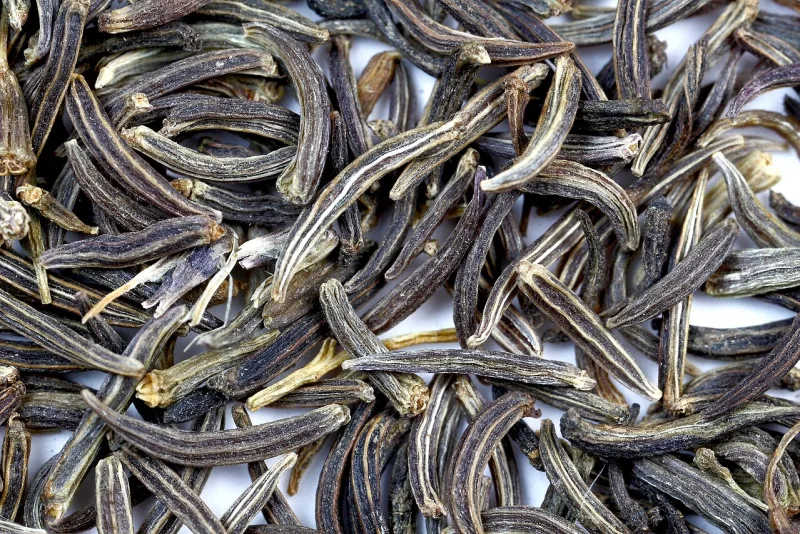
Cumin is a spice made from the dried seeds of plants in the Apiaceae family, the same family as dill, fennel, carrot, and celery. In everyday and culinary language, the term can refer to two related but different plants: caraway (Carum carvi), with slightly curved seeds and a sweet, aromatic taste used traditionally in bread, cheeses, and cabbage dishes, and true cumin (Cuminum cyminum), with smaller seeds and a warmer, more intense aroma used in Middle Eastern and spiced cuisine. Both share a long history as a remedy for the stomach and an unmistakable aroma that turns simple food into food with soul.
The origin of cumin is lost in the mists of time. It has been used since antiquity in Egypt, the Middle East, and across Europe, both as a food and as a remedy. In Romanian households, cumin is a constant presence in the pantry: it goes into bread, kneaded cheese, sautéed cabbage, soups, and the warm spiced plum brandy of winter. Beyond the kitchen, it has been valued for centuries for its ability to soothe the stomach, chase away bloating, and warm the body on cold days.
Table of Contents
- Composition and Active Principles
- Health Benefits
- Traditional Uses in the Romanian Village
- How to Prepare It: Tea, Tincture, Chewed Seeds
- Dosage and How to Take It
- Cumin in the Kitchen and in Daily Life
- Practical Tips and Common Mistakes
- Conclusion
- Frequently Asked Questions
Composition and Active Principles
The small cumin seed is, in fact, a tiny storehouse of active substances. The most important part is the volatile (essential) oil, which gives it its strong, characteristic aroma. In caraway, the main component is carvone, alongside limonene; in true cumin, cuminaldehyde predominates, alongside other aromatic compounds. These volatile oils are responsible for much of cumin’s traditional effects on digestion.
In addition to the essential oil, the seeds contain dietary fiber, protein, fatty oils, flavonoids, and a range of minerals such as iron, magnesium, calcium, and manganese. The small amounts typically used do not make cumin a major source of nutrients, but the presence of these compounds explains why folk tradition regarded it as a “warm,” tonic food that is friendly to the stomach.
The aromatic compounds in cumin have, according to what traditional observation and some modern studies suggest, carminative properties (that is, they help expel gas from the intestine), mild antispasmodic action (relaxing the smooth muscle of the digestive tract), and antimicrobial effects. It is precisely this combination that explains why a simple cup of cumin tea can bring such quick relief after a heavy meal.
Health Benefits
Supports Digestion and Eases Bloating
This is, without doubt, the reason cumin found its way into grandmothers’ pantries. The aromatic compounds stimulate the secretion of digestive juices and help relax the intestinal muscles, which favors the expulsion of gas and reduces the feeling of a swollen belly. Studies suggest the carminative effect is real, and centuries of folk experience confirm it. A cup of cumin tea drunk after a fatty meal or after foods that “ferment” in the belly (beans, cabbage, peas) can make the difference between a miserable evening and a peaceful one.
Calms Cramps and Colic
Thanks to its mild antispasmodic effect, cumin has traditionally been used to calm abdominal cramps and colic. In some regions, women prepared a weak cumin infusion for infants with colic, but today this practice should be approached with caution and never used without the advice of a pediatrician.
Supports Appetite and Absorption
The intense aroma of cumin stimulates the appetite and prepares the stomach to receive food. In folk tradition, cumin was given to those who were weak, convalescent, or lacking appetite, precisely because it “opened the appetite” and helped the body better absorb what it ate.
Possible Effect on Blood Sugar
Modern research has begun to study cumin’s effect on blood sugar levels. Studies suggest that certain compounds may contribute to more balanced glucose, but this is not a substitute for diabetes treatment. For this very reason, people with diabetes who take medication must be careful to avoid an overly sudden drop in blood sugar.
Support for New Mothers and Lactation
In Romanian folk tradition, cumin (alongside fennel, dill, and anise) was considered a “milk” plant. Nursing women drank teas made from these seeds in the hope of stimulating milk production. Although solid scientific evidence is limited, the custom persisted for generations and remains part of household wisdom.
Tonic and Warming Effect
Cumin is regarded in traditional medicine as a “warm” spice that heats the body and drives the cold from the bones. That is why it appears in warm spiced plum brandy, in winter soups, and in the heavy dishes of the cold season. This subjective sense of comfort and warmth is one of the reasons cumin is so beloved in the cold months.
Traditional Uses in the Romanian Village
In the peasant household, cumin was not only a remedy but a daily companion. The most widespread traditional uses include:
- Cumin bread – the seeds were kneaded directly into the dough, giving the bread an unmistakable aroma and helping, as people said, so that the bread “would not sit heavy on the stomach.”
- Kneaded cheese with cumin – in many areas, sheep’s or cow’s cheese was mixed with crushed cumin, producing an aromatic preparation that kept better and was easier to digest.
- Sautéed cabbage and pickles – cumin was added to sautéed cabbage and sometimes to pickles, both for aroma and to reduce the bloating caused by cabbage.
- Spiced plum brandy with cumin – in winter, plum brandy was simmered with honey, pepper, and cumin into a warm drink considered good for “cutting the cold” and warming the stomach.
- The after-meal tea – the simplest and most widespread remedy, used for bloating and heaviness in the stomach.
These customs show how deeply cumin was woven into everyday life, serving at once as food, natural preservative, and home remedy.
How to Prepare It: Tea, Tincture, Chewed Seeds
Cumin Tea (Step-by-Step Recipe)
Tea is the most popular and accessible way to use cumin as a digestive remedy.
- Place one level teaspoon of cumin seeds (about 2-3 grams) in a mug.
- To better release the aroma and active principles, lightly crush the seeds with the back of a spoon or in a mortar before steeping.
- Pour 200-250 ml of boiling water over them.
- Cover the mug with a small plate so the volatile oils are not lost with the steam.
- Let it steep for 10-15 minutes.
- Strain and drink the tea warm, in small sips, preferably after a meal.
You can sweeten it with a little honey if you like, but many prefer the natural, slightly sweet, earthy taste of cumin.
Cumin Tincture
The tincture is a concentrated form, suitable for those who want a remedy on hand without preparing tea each time.
- Place 2-3 tablespoons of lightly crushed cumin seeds in a clean jar.
- Pour over them food-grade alcohol of 40-50 proof strength, enough to cover the seeds by about two fingers.
- Close the jar and let it macerate for 2-3 weeks in a cool, dark place, shaking occasionally.
- Strain through cheesecloth and store the tincture in a dark glass bottle.
Usually 10-20 drops diluted in a little water are taken after meals. The tincture is not recommended for children, pregnant women, or those who avoid alcohol.
Chewed Seeds
The oldest and simplest method: after a heavy meal, take a few cumin seeds (a quarter teaspoon) and chew them slowly. This act stimulates salivation and digestion and freshens the breath. It is the perfect “pocket” method, requiring no preparation.
Dosage and How to Take It
For culinary use, cumin is used freely, to taste. As a remedy, the traditional and prudent recommendations are:
- Tea: 1 teaspoon of seeds per mug, 1-3 times a day, after meals.
- Chewed seeds: a quarter teaspoon after the main meal.
- Tincture: 10-20 drops diluted in water, 1-2 times a day (adults only).
As a general rule, it is wise to start with small doses and observe how your body responds. For children, the elderly, and people with chronic conditions, doses should be reduced and discussed with a doctor. Occasional use after heavy meals is far more in the spirit of tradition than daily consumption in large amounts over long periods.
Cumin in the Kitchen and in Daily Life
The healthiest way to benefit from cumin is, paradoxically, the most pleasant: to use it consistently in cooking. Added to bread, cabbage dishes, soups, stews, cheeses, and pickles, cumin not only enriches the flavor but also helps digest heavier foods. In this way, it becomes a kind of “preventive medicine” quietly slipped onto the plate.
A few ideas for working cumin into your everyday diet:
- Sprinkle cumin over baked potatoes or roasted vegetables.
- Add a teaspoon of cumin to bean or lentil soup to reduce bloating.
- Knead cumin seeds into homemade bread dough.
- Mix fresh cheese with a little crushed cumin and spring onion.
- Use cumin in spice blends for meat or grilled vegetables.
Alongside these, a simple and pleasant ritual is a cup of cumin tea in the evening, after a more substantial dinner, as a small moment of calm and care for your own stomach.
Practical Tips and Common Mistakes
Mistake no. 1: Using old seeds with no aroma. Cumin loses its volatile oils over time, that is, the very active part. If the seeds no longer smell strongly when rubbed between your fingers, they will have neither flavor nor effect. Buy small quantities and store them in airtight jars.
Mistake no. 2: Not crushing the seeds before steeping. Whole seeds release their aroma and active principles much more slowly. A light crushing before steeping makes the tea far more effective.
Mistake no. 3: Boiling the tea instead of steeping it. Prolonged boiling evaporates the volatile oils. The correct way is to pour boiling water over the seeds and cover the mug, letting it steep.
Mistake no. 4: Overconsumption, believing that “more means better.” Large doses bring no extra benefit and can cause discomfort. The traditional way, with small and occasional amounts, is also the safest.
Mistake no. 5: Ignoring precautions in pregnancy and diabetes. As mentioned, pregnant women and people with treated diabetes must be cautious. Cumin as a simple seasoning is fine, but medicinal doses require a conversation with the doctor.
Mistake no. 6: Storing it in a place with light and humidity. Light and moisture quickly degrade the aroma. The ideal spot is a cool, dark pantry.
Conclusion
Cumin is a perfect example of a humble remedy, within everyone’s reach yet often overlooked. The small brown seed, with its warm and earthy aroma, holds within it centuries of household wisdom: it eases bloating, soothes the stomach after heavy meals, warms the body on cold days, and turns simple food into food with soul. Whether you choose a cup of tea after a meal, a few chewed seeds, or simply add it more often to your cooking, cumin can be a discreet and reliable companion. As with any natural remedy, the key lies in moderation, respecting the precautions, and common sense: cumin supports digestion, but it does not replace a balanced diet and a doctor’s advice when needed.
Frequently Asked Questions
What is the difference between cumin and caraway? In everyday language the two words are often used as synonyms, but they refer to two related plants. Caraway (Carum carvi) has a sweet, aromatic taste and is used in bread, cheese, and cabbage. True cumin (Cuminum cyminum) has a warmer, more intense aroma and is used in Middle Eastern cooking. Both have similar digestive effects.
Can I drink cumin tea every day? Occasionally, after heavy meals, it is perfectly suitable. Daily consumption in small amounts is generally well tolerated by most healthy adults, but over long periods it is wise to take breaks and, if you have chronic conditions, to ask your doctor.
Is cumin good for bloating? Yes, it is one of its best-known uses. Thanks to its carminative effect, it helps expel gas and reduce the feeling of a swollen belly. A warm cup of tea after a meal is the classic remedy.
Can I use cumin during pregnancy? As a simple seasoning, in the normal amounts found in food, cumin is considered safe. In medicinal doses (concentrated teas, tinctures, supplements) it should be avoided during pregnancy, since tradition attributes to it effects that may stimulate the uterus. Always talk to your doctor.
Does cumin help with weight loss? Cumin alone does not produce weight loss. It may support better digestion and, through the effect on blood sugar suggested by some studies, can be a small aid within a healthy lifestyle, but it is no miracle remedy for shedding pounds.
How do I properly store cumin seeds? In an airtight jar, protected from light, heat, and moisture. It is best to buy small amounts and use them within a few months, while the aroma is still strong.
Can I give cumin tea to children? For children, especially infants, any herbal remedy should be used only with a pediatrician’s approval. As a food, cumin in bread or in dishes is usually no problem.
Does cumin interact with medications? In therapeutic doses it may influence blood sugar, so it is important for people taking diabetes medication to be careful. If you are on chronic treatment, talk to your doctor before using cumin as a regular remedy.