
Curry Powder: Anti-Inflammatory Benefits, Uses and How to Use It
IMPORTANT: Curry powder is a safe culinary spice for most people when used in ordinary cooking amounts. However, because many blends contain turmeric rich in curcumin, caution is needed in a few situations. People taking blood-thinning medications (such as warfarin or aspirin) should talk to their doctor, as turmeric may influence blood clotting. Those with gallstones or bile duct obstruction should avoid consuming it in large amounts, since turmeric stimulates bile secretion. Pregnant or breastfeeding women may use curry as a food in their meals, but should avoid concentrated curcumin supplements without medical advice. The chili in some blends can irritate the stomach of people with gastritis, ulcers or reflux. If you notice allergies, itching or digestive upset after eating it, stop using it and consult a doctor. Curry powder is not a substitute for medical treatment — it is a spice that accompanies a balanced diet.
The story of grandma Voichița and the cauldron that smelled of sunshine
Aunt Voichița, a woman from the outskirts of a small Romanian town who had spent several good years cooking for a family of merchants, kept a small jar in her pantry, full of a powder as golden as sunlight. She hid it behind the boxes of thyme and paprika, like a treasure. She said she had learned about this “colorful remedy” from a neighbor who had once worked on a ship, and ever since, whenever her joints ached or she felt her “stomach growing heavy,” she would sprinkle a teaspoon into her vegetable stew and let it simmer slowly until the whole kitchen smelled “of warm faraway lands.”
The children in the yard would gather around the cauldron just to breathe in that warm, slightly bitter, fragrant aroma. Grandma Voichița always told them: “This gold isn’t just for taste — it’s for the blood and for the bones, too. Your grandparents didn’t have pills, but they had spices.” Many years later, when her grandchildren learned that the turmeric in that curry powder really is studied for its anti-inflammatory properties, they smiled: folk wisdom had grasped, on the fly, a truth that science was only beginning to confirm.
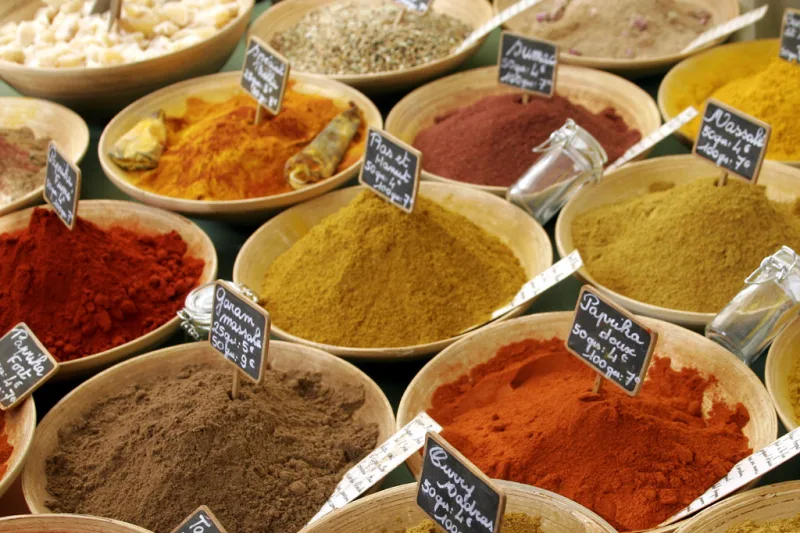
Curry powder is not a single plant but an orchestra of spices. Originating in Indian and South Asian cuisine, the term “curry” reached Europe along with merchants and colonists, who tried to reproduce the complex flavors of Eastern dishes in a single, ready-made blend. Today, curry powder is appreciated everywhere not only for its rich taste, but also for the wealth of beneficial compounds brought by its component spices.
Table of Contents
- What curry powder is and where it comes from
- Which spices go into the blend
- Composition and active principles
- Health benefits
- Traditional and culinary uses
- How to use it correctly in the kitchen
- Step-by-step recipes with curry powder
- How to choose and store it
- Lifestyle and practical tips
- Practical Tips and Common Mistakes
- Conclusion
- Frequently Asked Questions
What curry powder is and where it comes from
Unlike a single spice such as cinnamon or thyme, curry powder is a blend — a combination of several finely ground spices mixed in varying proportions. There is no universal recipe: in India, every household prepares its own “masala,” while the blends sold in Europe and America are Westernized adaptations of these traditional combinations.
The word “curry” probably comes from the Tamil term “kari,” which originally meant “sauce” or “spiced dish.” British merchants of the colonial era encountered these aromatic preparations and wanted to recreate them at home, which is why they began manufacturing standardized spice blends — and so the “curry powder” we know today on store shelves was born.
The characteristic golden-yellow color comes mainly from turmeric, that yellow root related to ginger, which provides not only the hue but also a good part of the properties associated with health. The rest of the symphony of aromas is built around turmeric, each spice contributing both flavor and its own benefits.
Which spices go into the blend
Although every producer has its own recipe, a classic curry powder usually contains the following spices:
- Turmeric — the golden base, the main source of curcumin, with anti-inflammatory action.
- Ground coriander — brings a citrusy, slightly sweet note and supports digestion.
- Cumin — adds depth and a slightly smoky taste; traditionally used for bloating.
- Dried ginger — adds warmth and spicy notes, supporting circulation and digestion.
- Fenugreek — a slightly bitter note, traditionally associated with blood sugar regulation.
- Chili / cayenne pepper — for the characteristic heat (in variable amounts).
- Black pepper — important not only for flavor, but because it helps the absorption of curcumin.
- Cardamom, cinnamon, cloves, nutmeg — in many blends, for aromatic complexity.
- Mustard, fennel, dried curry leaves — regional variations.
It is precisely this diversity that makes curry a small aromatic “medicine cabinet”: each spoonful contains a wide palette of bioactive plant compounds.
Composition and active principles
The health value of curry powder comes from the sum of the active principles of its component spices. Here are the most important:
Curcumin is the most studied compound. It comes from turmeric and is responsible for the golden-yellow color. Studies suggest that it has significant antioxidant and anti-inflammatory properties. One important detail: curcumin is poorly absorbed on its own, but the black pepper in the blend (through a compound called piperine) can considerably increase its bioavailability. This is one of the beauties of the traditional blend — the spices work together.
The volatile oils in coriander, cumin and fennel give the aroma and are associated with carminative effects (reducing bloating and intestinal gas) in folk tradition.
Ginger compounds (gingerols) support digestion and are valued for their warming and stomach-soothing effect.
Antioxidants present in most of the spices (phenolic compounds, flavonoids) help the body cope with oxidative stress, a process involved in cellular aging.
Fiber and minerals: although consumed in small amounts, curry brings traces of iron, manganese, magnesium and potassium that contribute to the daily intake.
Health benefits
The anti-inflammatory effect
The most appreciated benefit of curry powder is its anti-inflammatory effect, due mainly to the curcumin in turmeric. Chronic low-grade inflammation is considered a factor involved in many modern conditions, from joint pain to digestive discomfort. Studies suggest that curcumin may help modulate the body’s inflammatory processes. Folk tradition has used turmeric for centuries precisely for joint pain and for “stiffness in the joints.”
Support for digestion
The spices in curry traditionally have a reputation for “lighting the digestive fire.” Coriander, cumin and fennel are known as carminative remedies that help reduce bloating and the feeling of heaviness after meals. Ginger soothes the stomach, while turmeric stimulates bile secretion, which can help digest fats. This is exactly why, in Asian cuisines, heavy dishes are almost always seasoned generously with spices.
Supporting the immune system
The wealth of antioxidants in curry powder supports the immune system in its fight against oxidative stress. Ginger and chili traditionally have a reputation for “waking up” the body and helping with mild colds, which is why spiced teas are valued in the cold season.
Support for cardiovascular health
Studies suggest that a diet rich in antioxidants and spices may support the health of the heart and blood vessels. Curcumin and the compounds in garlic and chili (present in some blends) are associated with maintaining healthy circulation. Moreover, using spices to flavor food can reduce the need for excess salt, which is beneficial for blood pressure.
Blood sugar balance
Fenugreek and cinnamon, present in many blends, are associated in folk tradition and in some research with maintaining balanced blood sugar levels. This does not replace diabetes treatment, but adding spices to food can be a support within a healthy lifestyle.
Brain health and mood
Curcumin is being studied for its possible role in protecting neurons and supporting cognitive function. Although research is ongoing, many cultures where curry is eaten daily associate these spices with general well-being and vitality at advanced ages.
Traditional and culinary uses
In Indian cuisine, spice blends are used to season almost anything: vegetables, legumes (lentils, chickpeas), rice, meat, fish and creamy sauces based on coconut milk or yogurt. In folk tradition, beyond taste, spices also had a “medicinal” role: they were believed to aid digestion, warm the body and protect against illness.
Besides cooking, turmeric (the main component of curry powder) was traditionally used externally as well, in the form of a paste applied to the skin for irritations or to soothe aching joints. “Golden milk” — a drink made of warm milk, turmeric and pepper — is a traditional remedy for sleep and for calming the body, still popular today.
How to use it correctly in the kitchen
The secret to using curry powder correctly is lightly frying the spices in fat at the start of cooking. This step, called “blooming” the spices, releases the volatile oils and intensifies the aroma. Here are the basic rules:
- Heat a little oil or butter in a pan or pot.
- Add onion, garlic and ginger and sauté them gently.
- Sprinkle in the curry powder and stir quickly for 30-60 seconds, until you smell the aroma — be careful, the spices burn easily and turn bitter.
- Add the liquid (water, stock, tomatoes, coconut milk) immediately to stop the frying.
- Simmer slowly, letting the flavors blend.
Adding a pinch of black pepper and a source of fat (oil, coconut milk) helps absorb curcumin, which is fat-soluble. This is a golden rule for using turmeric.
Step-by-step recipes with curry powder
Vegetable curry stew (4 servings)
Ingredients: 2 tablespoons oil, 1 onion, 2 cloves of garlic, a piece of ginger, 1-2 teaspoons curry powder, 1 potato, 1 carrot, a small cauliflower, a cup of cooked chickpeas, 400 ml coconut milk, salt, a pinch of black pepper.
Preparation:
- Heat the oil and sauté the chopped onion until translucent.
- Add the garlic and grated ginger, stir for 30 seconds.
- Sprinkle in the curry powder and fry it quickly until it releases its aroma.
- Add the diced vegetables and stir to coat them in the spices.
- Pour in the coconut milk and a little water, salt and add the black pepper.
- Simmer over low heat for 20-25 minutes, until the vegetables are tender. Add the chickpeas toward the end.
- Serve with rice or flatbread. The flavor intensifies if you let it “rest” for an hour.
Golden milk with curry (1 serving)
Ingredients: 250 ml milk (dairy or plant-based), 1/2 teaspoon curry powder or turmeric, a pinch of black pepper, a teaspoon of honey, optionally a piece of cinnamon.
Preparation:
- Heat the milk over low heat, without boiling it.
- Add the spices and black pepper, stirring well.
- Let it infuse for 5 minutes over very low heat.
- Strain if necessary, sweeten with honey and drink warm, especially in the evening.
Yogurt curry marinade for vegetables or chicken
Ingredients: 200 g full-fat yogurt, 1 teaspoon curry powder, 1 grated garlic clove, lemon juice, salt.
Preparation: Mix all the ingredients, coat the pieces of vegetables or meat and leave in the fridge for 1-3 hours. The yogurt tenderizes and helps the spices penetrate. Bake or grill.
How to choose and store it
When buying curry powder, choose it from a trusted producer and check the color: it should be a bright, golden yellow, not pale or grayish (a sign that it is old). The smell should be intense and fragrant. If you can, choose blends without unnecessary additives (excess salt, colorants, anti-caking agents).
Ground spices lose their aroma over time. Store curry in an airtight jar, away from light, heat and moisture — not above the stove, as many people do. Used within 6-12 months of opening, it keeps its aroma best. For maximum flavor, some enthusiasts grind their own blend from whole spices, lightly toasted and freshly ground.
Lifestyle and practical tips
Curry powder fits beautifully into a balanced lifestyle. Instead of relying solely on salt for flavor, use spices — they bring aroma, color and beneficial compounds without extra calories. Curry transforms simple and inexpensive dishes (lentils, chickpeas, vegetables, rice) into tasty and satisfying meals, thus encouraging the consumption of plant foods.
Combine curry with a source of healthy fat (olive oil, coconut milk) and black pepper to make the most of curcumin. Add it gradually to your diet, especially if you are not used to spiced food, so your stomach can adapt. Stay well hydrated, especially if your blend contains chili.
Practical Tips and Common Mistakes
Mistake no. 1: Adding curry at the end, over the finished dish. This way the spices stay “raw,” and the flavor is flat and slightly floury. Fry them briefly in fat at the start of cooking to release their fragrance.
Mistake no. 2: Frying the spices too long. Curry burns very easily and becomes bitter and astringent. 30-60 seconds of continuous stirring is enough; then add liquid immediately.
Mistake no. 3: Forgetting the black pepper. Without pepper, a good part of the curcumin is not absorbed. A simple pinch of black pepper can make a big difference to the health benefits.
Mistake no. 4: Using old, flavorless curry. Ground spices “die” over time. If your jar no longer has a strong smell, replace it — you will get no good flavor from it.
Mistake no. 5: Storing it above the stove. Heat and steam rapidly degrade the spices. Keep them in a cool, dark cupboard.
Mistake no. 6: Expecting miraculous “medical” effects. Curry is a beneficial spice, part of a healthy diet, not a medicine. The benefits come from regular, moderate consumption within a balanced lifestyle.
Conclusion
Curry powder is far more than a yellow food coloring. It is a true orchestra of spices — turmeric, coriander, cumin, ginger, fenugreek, pepper and many others — each bringing both aroma and beneficial compounds for the body. The star of the blend, the curcumin in turmeric, is valued for its antioxidant and anti-inflammatory properties, especially when accompanied by black pepper and a source of fat.
Used correctly — briefly fried in fat, combined with pepper and eaten regularly as part of a balanced diet — curry brings flavor, color and a touch of folk wisdom to the plate. As aunt Voichița used to say, “this gold isn’t just for taste.” Tradition and modern science seem to be, at least this time, in agreement.
Frequently Asked Questions
Is curry powder the same thing as turmeric? No. Turmeric is a single spice — the ground yellow root. Curry powder is a combination of several spices, including turmeric, which gives it its characteristic color.
How much curry can I eat daily? For culinary use, 1-2 teaspoons per day, incorporated into food, are generally safe for most people. Concentrated curcumin supplements are another matter and should only be taken on a doctor’s recommendation.
Why is black pepper added to curry dishes? Because the piperine in black pepper considerably increases the absorption of curcumin from turmeric. It is a clever traditional combination, confirmed by research as well.
Is curry spicy? It depends on the blend. Some versions contain a lot of chili and are very hot, while others are mild and aromatic. Read the label or ask if you are sensitive to heat.
Can I use curry if I have a sensitive stomach? You can, but start with small amounts and choose a mild blend without much chili. If you have gastritis, ulcers or reflux, be cautious and observe how your stomach reacts.
Does curry really help with joint pain? Folk tradition uses turmeric for joints, and studies suggest anti-inflammatory effects of curcumin. It is not a treatment in itself, but it can be a support within a healthy lifestyle. For persistent pain, see a doctor.
How do I store curry so it doesn’t lose its aroma? In an airtight jar, away from light, heat and moisture. Ideally use it within 6-12 months of opening and don’t keep it above the stove.
Can I make my own curry powder at home? Yes, and many enthusiasts do. Lightly toast whole spices (coriander, cumin, fenugreek), then grind them together with turmeric, dried ginger and pepper. You will get a much livelier aroma than long-stored store-bought blends.