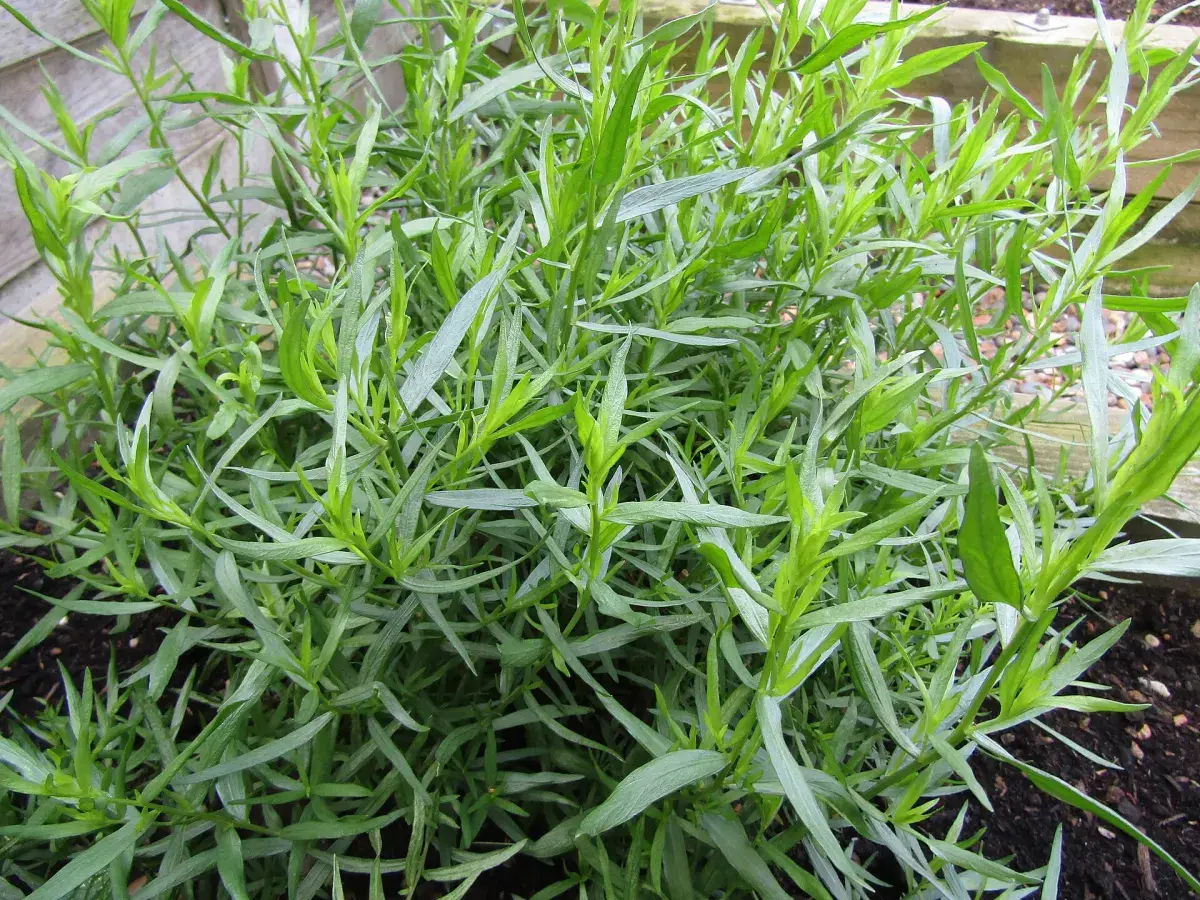
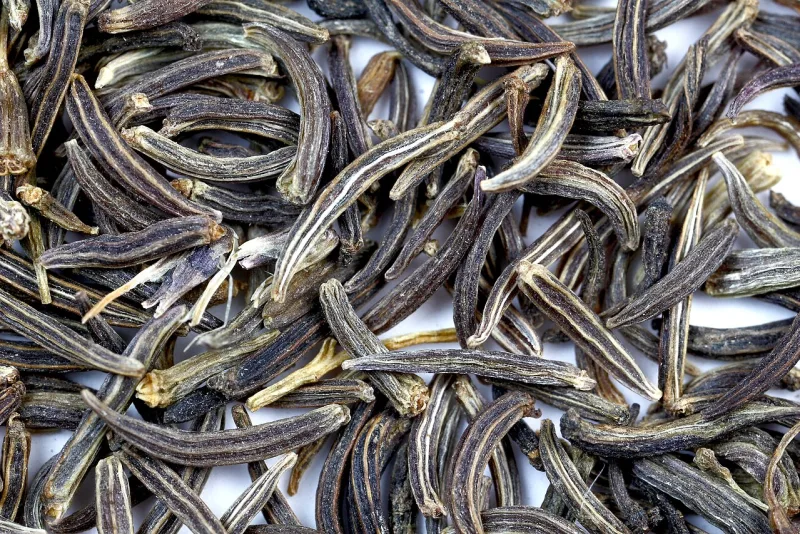
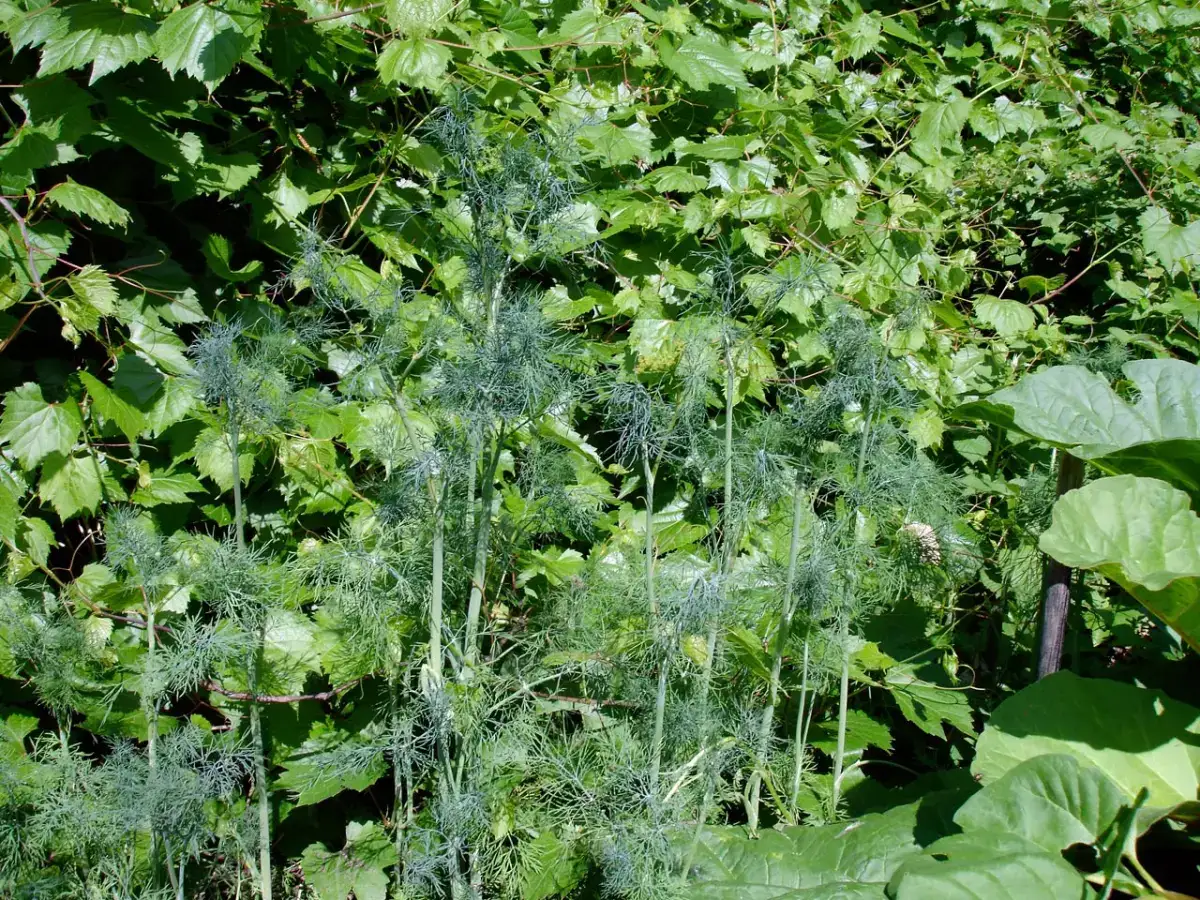
 Photo: daryl_mitchell from Saskatoon, Saskatchewan, Canada, CC BY-SA 2.0, via Wikimedia Commons
Dill (Anethum graveolens) is the fragrant herb of soups, pickles and cucumber salads, and its seeds are a traditional remedy for bloating, gas and digestive cramps. The effect comes from an essential oil rich in carvone and limonene, which relaxes intestinal muscle. For adults, dill seed tea is a gentle and safe remedy; for babies, during pregnancy and for people allergic to umbellifers, it is used only with caution.
For Romanians, dill means pickled cucumbers with flowering heads, new potatoes with butter, and cheese pie. Few people know that its seeds were used in ancient Egypt against gas, and that the English word “dill” is thought to come from an old Norse word meaning “to lull”. Here is what is worth knowing.
Key takeaways
- Dill seeds contain 2-4% essential oil with carvone (30-60%) and limonene; the leaves have a finer aroma with “dill ether” and phellandrene.
- Main traditional use: bloating, gas, mild digestive cramps, hiccups.
- Small studies suggest effects on menstrual pain and blood lipids, but the evidence is limited.
- Seed tea: 1 crushed teaspoon (2-3 g) per 250 ml boiling water, covered for 10 minutes, 2-3 times a day.
- Precautions: umbellifer allergy, pregnancy (culinary use only), babies (only on medical advice).
What dill is
Dill is an annual in the Apiaceae family, related to fennel, parsley and caraway. It grows 40-120 cm tall, with a slender stem, finely divided thread-like blue-green leaves and large umbels of yellow flowers. It originated in the Mediterranean and western Asia, but has been grown for centuries throughout Eastern Europe.
Three parts are used:
- Leaves (dill weed): fresh, delicate, slightly anise-like aroma. Used raw or added at the end.
- Umbels with green seeds: stronger aroma, ideal for pickles.
- Dried seeds: warm, caraway-like aroma, used in teas, bread and spice blends.
Active compounds
- Seed essential oil: carvone (S-carvone, the same as in caraway), limonene, dillapiole.
- Leaf essential oil: alpha-phellandrene, limonene and dill ether, responsible for the typical fresh dill aroma.
- Flavonoids: quercetin, kaempferol, isorhamnetin.
- Coumarins and furanocoumarins in small amounts.
- Nutrients in the leaves: vitamin C, vitamin A (from beta-carotene), manganese, calcium.
Benefits: tradition and evidence
Bloating, gas and cramps
This is the oldest and most consistent use. Carvone and limonene are carminative and antispasmodic: they relax the smooth muscle of the digestive tract and help expel gas. The effect is similar to fennel and caraway seeds, used for the same purpose. For a broader approach, read our guide to bloating and our article on teas for digestion.
Infant colic
In many countries, “gripe water” containing dill was given to colicky babies for generations. Old formulas also contained alcohol and sugar, and the evidence of efficacy is weak. Today, doctors advise against giving babies herbal teas or preparations without a pediatrician’s approval.
Menstrual pain
A few small clinical studies, mainly from Iran, compared dill seed powder with an anti-inflammatory drug in primary dysmenorrhea and reported comparable effects. The studies are few and small, so the results should be seen as preliminary.
Cholesterol and blood sugar
Some animal studies and a few small human studies have observed modest effects on blood lipids and blood sugar. The results are inconsistent and do not justify using dill as a treatment.
Breastfeeding
Traditionally, dill, fennel and anise seed tea was drunk by nursing mothers for “more milk”. There is no solid evidence for this effect.
Breath and hiccups
Chewing a few seeds after a meal freshens the breath, and warm dill tea was a folk remedy for hiccups. Both uses rest on tradition.
Dill in the kitchen
- Pickles: 2-3 umbels with stems per 3-liter jar of cucumbers, with garlic, horseradish leaves and peppercorns. Umbels with green seeds give the best aroma.
- Cucumber yogurt salad (tzatziki): 2 grated and drained cucumbers, 400 g Greek yogurt, 2 garlic cloves, 2 tablespoons chopped dill, olive oil.
- New potatoes with dill: boiled potatoes, butter, salt and a handful of chopped dill.
- Soups: 2 tablespoons chopped dill at the end, in meatball, chicken or vegetable soup.
- Cheese and dill pie: 1 bunch of dill per 500 g cheese.
- Fish: salmon and trout pair beautifully with dill and lemon.
- Dill seed bread: 1 teaspoon of seeds per 500 g flour.
Fresh dill loses its aroma when boiled or dried. It keeps best frozen, chopped, or in salt (1 part salt to 4 parts dill).
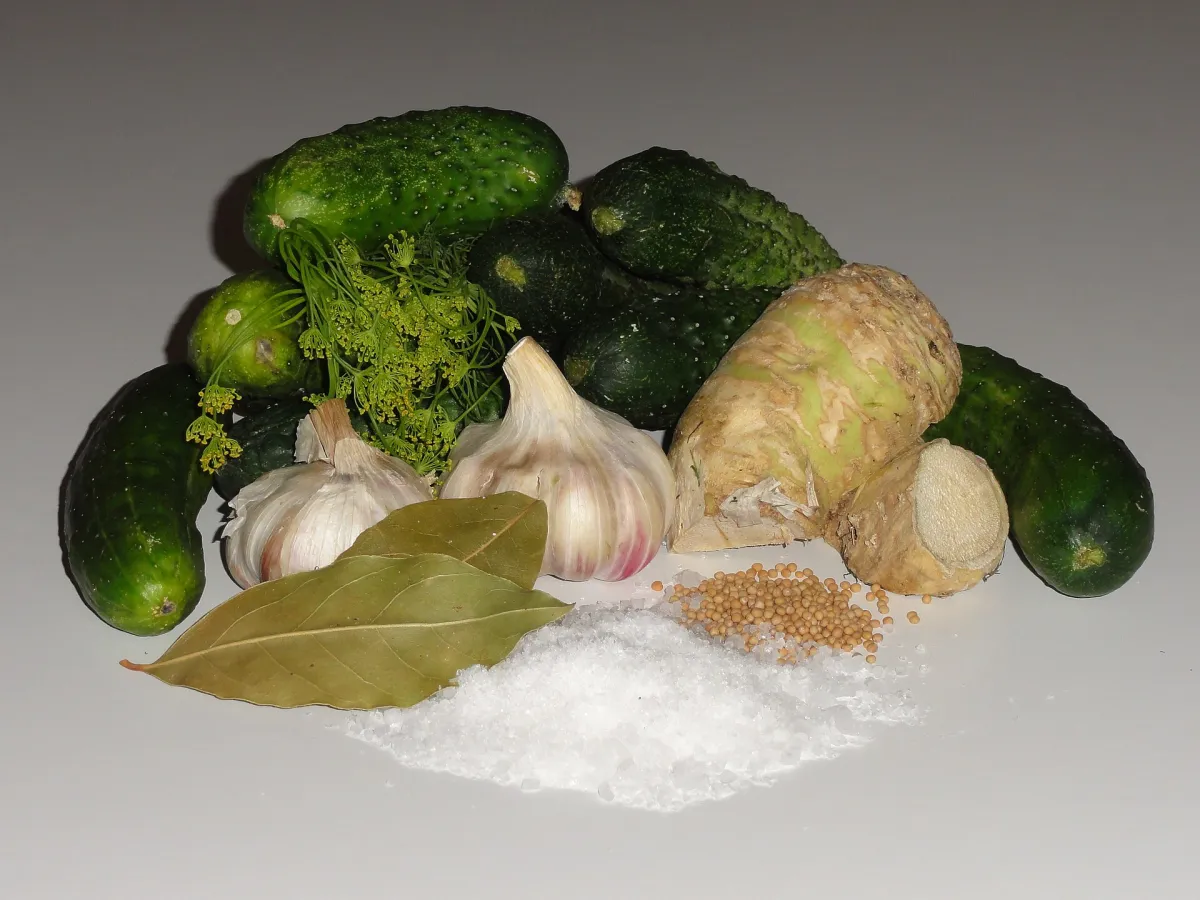 Photo: Kpalion, CC BY-SA 4.0, via Wikimedia Commons
How to prepare the remedies
Dill seed tea for bloating
- Lightly crush 1 teaspoon of seeds (2-3 g) in a mortar to release the oil.
- Place them in a mug and pour over 250 ml boiling water.
- Cover and steep for 10 minutes.
- Strain and drink after meals, 2-3 times a day.
“Three seeds” tea for gas
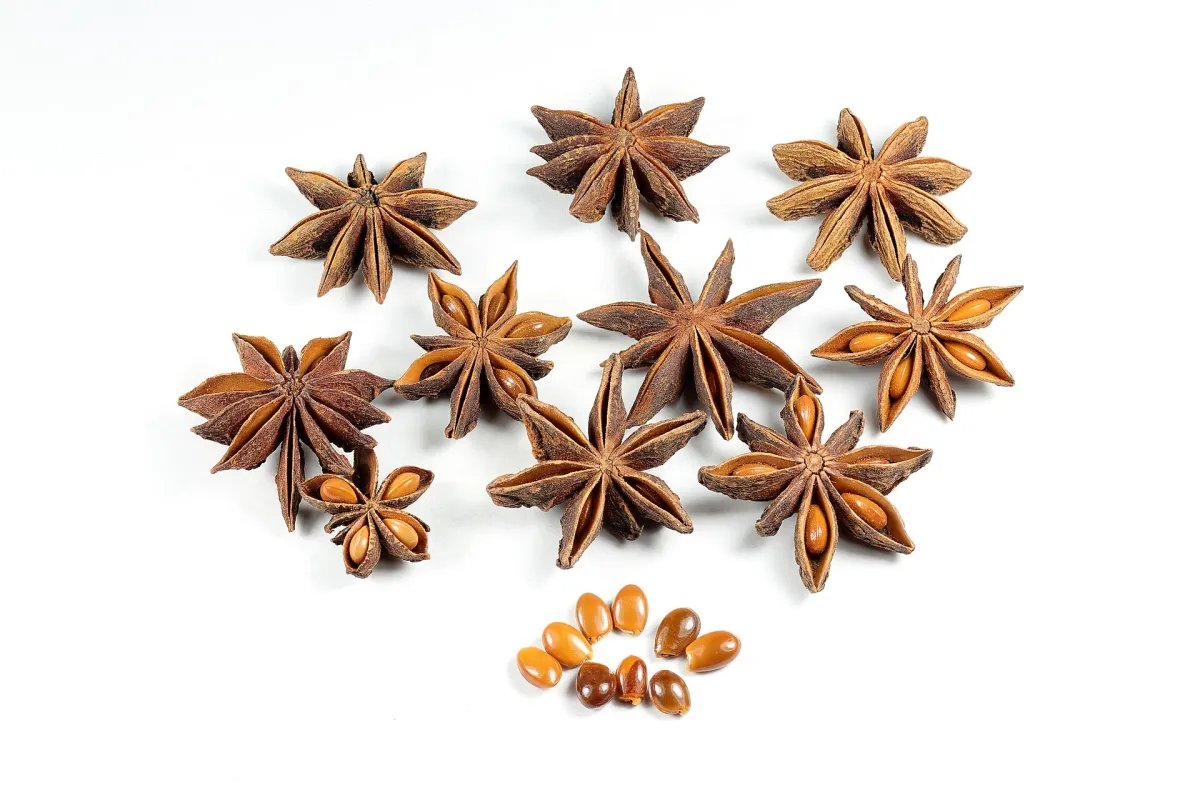
Mix equal parts of dill, fennel and anise seeds. Use 1 crushed teaspoon per 250 ml boiling water, covered for 10 minutes. Drink after rich meals.
Dried leaf tea
1 tablespoon of dried leaves per 250 ml boiling water, 5-7 minutes. Milder than seed tea, with a grassier taste.
Chewed seeds
½ teaspoon of seeds chewed slowly after a meal, for bloating and fresh breath.
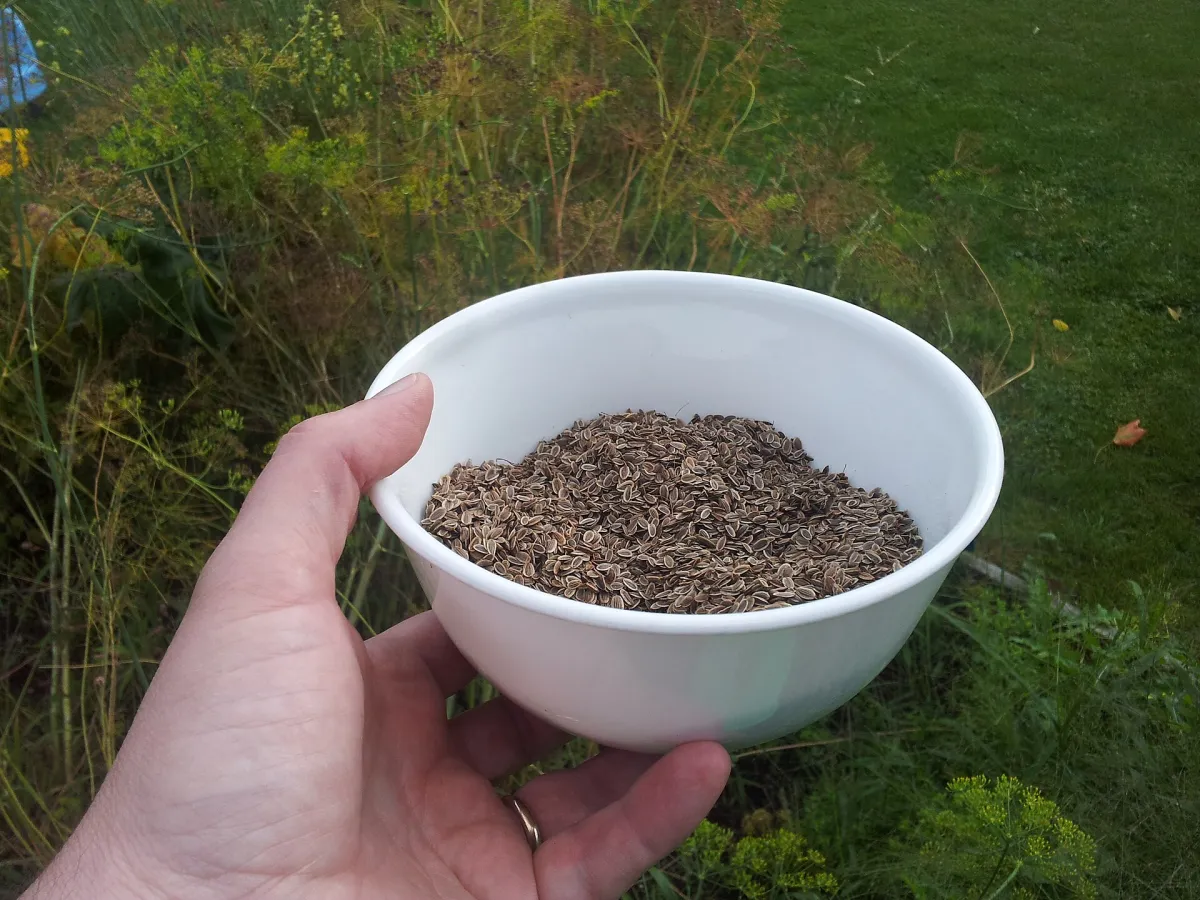 Photo: Michael Hiemstra from Canada, CC BY 2.0, via Wikimedia Commons
Dosage guide
| Form | Adult dose | Frequency | Notes |
|---|---|---|---|
| Seeds, tea | 2-3 g / 250 ml | 2-3 times a day | after meals |
| Total seeds per day | up to 3-6 g | - | courses of 2-4 weeks |
| Fresh leaves | 1-3 tablespoons / serving | as food | no restriction |
| Dried leaves, tea | 1 tablespoon / 250 ml | 1-2 times a day | occasionally |
| Essential oil | do not swallow at home | - | only on specialist advice |
Contraindications and interactions
- Umbellifer allergy: people allergic to celery, carrot, fennel or coriander may react to dill. Celery allergy can be severe.
- Pregnancy: fresh dill in food is safe. Medicinal amounts of seeds and the essential oil should be avoided, as they were traditionally used to stimulate menstruation.
- Infants and young children: do not give dill tea to babies without a pediatrician’s approval. For older children, use only small, diluted amounts.
- Photosensitivity: contact with fresh plant sap followed by sun exposure can irritate sensitive skin.
- Lithium and diuretics: dill has a mild diuretic effect; at medicinal doses, talk to your doctor if you take these drugs.
- Diabetes: if you use extracts or large amounts of seeds, monitor your blood sugar.
When to see a doctor
- Bloating with weight loss, blood in the stool, repeated vomiting or fever.
- Severe or localized abdominal pain, or pain that wakes you at night.
- A baby who cries inconsolably, has a fever, vomits, will not feed or is not gaining weight.
- Very intense menstrual pain, or pain that has changed from what you used to have.
Common mistakes
- Boiling dill with the soup. The aroma disappears completely; add it after turning off the heat.
- Tea from whole, uncrushed seeds. The oil stays locked inside; crush them lightly.
- Dill tea for babies without a pediatrician. Infants are sensitive, and colic can hide other causes.
- Old dried dill. Dried dill turns tasteless within months; freezing keeps the aroma far better.
- Expecting too much. Dill helps with occasional bloating; it does not treat irritable bowel syndrome or other digestive diseases.
- Ignoring a celery allergy. Cross-reactions among umbellifers are common.
Conclusion
Dill is a generous herb: it flavors soups, pickles and salads, and its seeds offer a gentle, effective remedy for bloating and gas with thousands of years of tradition. Other promoted benefits (for cholesterol, blood sugar or breastfeeding) have weak evidence. Use it freely in the kitchen, drink the seed tea after heavy meals, and stay cautious with babies, during pregnancy and with an umbellifer allergy. For other digestive spices, read about fennel seeds, anise and cumin.
Frequently asked questions
Does dill tea help with bloating? Yes, this is its main traditional use. Crushed seeds contain carvone and limonene, which relax the gut and help expel gas. The effect usually appears within 20-30 minutes.
Can I give dill tea to my baby for colic? Only with your pediatrician’s approval. The evidence of efficacy is weak, and infants are more sensitive to herbs. Persistent colic should be assessed by a doctor.
Are dill and fennel the same plant? No. They are relatives in the same family with similar digestive uses, but fennel tastes of anise while dill has its own grassier aroma. Fennel seeds are larger.
How much dill tea can I drink per day? For an adult, 2-3 cups of seed tea a day is a normal amount. As a remedy, use it in courses of a few weeks, not continuously.
Can I eat dill during pregnancy? Yes, fresh dill in food is safe. Avoid only medicinal amounts of seeds and the essential oil.
How do I store dill for winter? Freezing it chopped in small portions works best. Dill preserved in salt also keeps its aroma. Dried, it loses much of its flavor.
Does dill help with sleep? Tradition used it as a mild calmative, and a warm cup after dinner may ease digestive discomfort that disturbs sleep. No clinical studies confirm a direct sedative effect.
Sources and further reading
- European Medicines Agency (HMPC): monographs on Foeniculi fructus and Carvi fructus, references for the traditional use of carminative Apiaceae seeds.
- PubMed: reviews on Anethum graveolens: essential oil composition and pharmacological studies.
- Cochrane: review of dietary supplements and herbs for dysmenorrhoea (limited evidence for herbs, including dill).
Informational content only. It does not replace advice from your doctor or pharmacist.