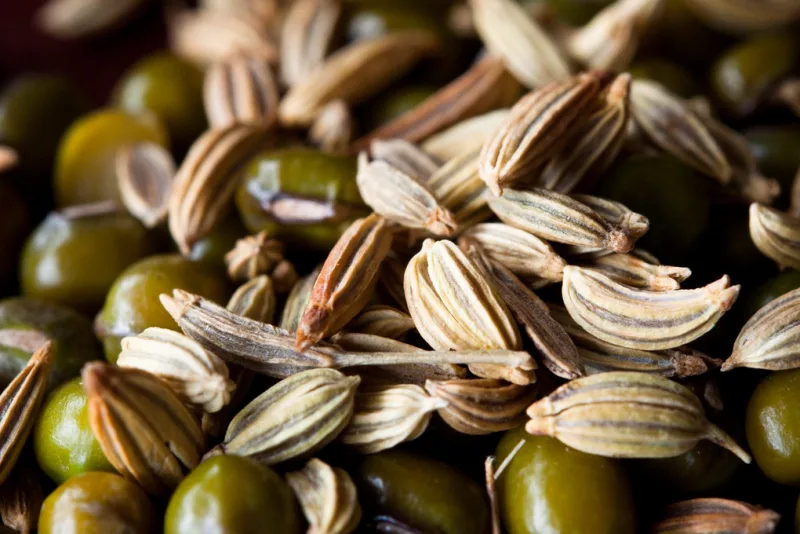

Fennel Seeds: Benefits, Uses and How to Use Them
IMPORTANT: Fennel is generally well tolerated, but it is not without precautions. People allergic to plants in the Apiaceae family (carrot, celery, dill, anise, cumin) may also react to fennel. In large amounts, fennel essential oil contains estragole and anethole, compounds that in concentrated doses over long periods are not recommended; pure essential oil should NOT be ingested without professional guidance. Pregnant women should avoid medicinal doses (concentrated teas, tinctures, essential oil), since fennel has mild estrogen-like and uterine-stimulating effects; normal culinary use is, however, considered safe. People with hormone-sensitive conditions (certain forms of breast cancer, endometriosis) should talk to their doctor before using fennel therapeutically. For infants, fennel tea for colic should be given only well diluted, in small amounts, and ideally after consulting a pediatrician. This article is for informational purposes and does not replace medical advice.
A story from the edge of the garden
Aunt Veta from Maramureș had a tall bush at the far end of her garden, almost as high as the fence, with fine leaves like green wigs and yellow flowers in broad umbels. In summer, walking past it, you could smell anise and sweetness. “That’s our molura,” she would say, using the old Romanian name for fennel. In autumn she gathered the seeds into a cloth pouch and hung them from a beam in the kitchen. Whenever a child in the family came with a swollen little belly, crying from colic, Aunt Veta would put a knife-tip of seeds in a cup, pour boiling water over them, and let them “rest.” Then she strained the tea, added a teaspoon of honey, and gave it to the child warm, by the spoonful.
“After Friday’s beans,” she joked, “the whole house drinks molura tea, otherwise there’s no room left at the table.” It was her way of saying that fennel chased away the bloating after heavy meals. Later, reading books on herbal medicine, I understood that grandmothers had invented nothing: fennel has been used for thousands of years for exactly what she used it for — for the belly, for digestion, and for soothing colic.
What is fennel
Fennel (Foeniculum vulgare) is an aromatic perennial plant in the Apiaceae family, related to dill, anise, cumin and carrot. It is native to the Mediterranean region but today grows and is cultivated worldwide, including in Romania, both in gardens and wild along roadsides in warm areas. The plant can reach one to two meters in height, with fine, branching stems, thread-like blue-green leaves and small yellow flowers grouped in umbels.
For medicinal and culinary use, the seeds are mainly used (actually dried fruits called achenes), which have a sweet, aromatic, slightly anise-like taste and a warm, calming aroma. There is also the “Florence” or “sweet” fennel, grown for the fleshy bulb at the base, eaten as a vegetable. In this article we focus mainly on the seeds, the ones that make up the traditional tea for bloating and colic.
Fennel has been prized for millennia. The ancient Greeks and Romans used it for digestion and as a tonic, and Romanian folk tradition kept it as a trusted remedy for a swollen belly, gas and infant colic. Today it is one of the most widespread ingredients in commercial digestive teas.
Table of Contents
- Composition and active compounds
- Health benefits
- Traditional uses
- How to brew fennel tea (step by step)
- Tincture and other preparations
- Fennel for infant colic
- Dosage and how to take it
- Fennel in the kitchen
- How to choose and store the seeds
- Practical tips and common mistakes
- Conclusion
- Frequently Asked Questions
Composition and active compounds
Fennel’s power lies in its essential oils and the active compounds the seeds contain. Among the most important are:
- Anethole — the main component of the essential oil, responsible for the sweet, anise-like aroma. It is considered the compound behind the antispasmodic and carminative (gas-relieving) effect, relaxing the smooth muscle of the digestive tract.
- Fenchone — a slightly bitter-tasting compound that contributes to the digestive and aromatic effect.
- Estragole (methylchavicol) — present in small amounts; beneficial in culinary doses, but to be avoided in high concentrations over the long term.
- Flavonoids (quercetin, rutin, kaempferol) — compounds with antioxidant action.
- Phenolic acids — with antioxidant and anti-inflammatory roles.
- Dietary fiber — whole seeds provide fiber that supports intestinal transit.
- Minerals and vitamins — fennel contains useful amounts of potassium, calcium, magnesium, iron and vitamin C, plus traces of B-complex vitamins.
This combination explains why fennel has digestive, antispasmodic, antioxidant and mildly diuretic effects at the same time. Studies suggest that anethole and the flavonoids work together to calm intestinal spasms and reduce the sensation of bloating.
Health benefits
Relieves bloating and gas
This is why fennel is so beloved. Its carminative effect helps expel gas accumulated in the intestine and relaxes the digestive muscles, reducing the unpleasant feeling of a swollen belly. A cup of warm fennel tea after a meal rich in fiber, legumes or fermenting foods (beans, cabbage, onions) is an excellent traditional habit.
Supports digestion
Fennel gently stimulates the secretion of digestive juices and bile, which helps break down fatty foods and makes digestion smoother. That is why it appears so often in “after-meal” tea blends. Folk tradition recommends it for a feeling of heaviness in the stomach, belching and discomfort after large meals.
Calms spasms and cramps
Thanks to its antispasmodic effect on smooth muscle, fennel can ease intestinal cramps and, by tradition, is also used for mild menstrual cramps. Relaxing the muscles contributes to both digestive and pelvic comfort.
Supports lactation
In traditional medicine, fennel is one of the “galactagogue” plants — it is believed to stimulate milk production in breastfeeding mothers. Many lactation teas contain fennel, anise and cumin. The effect is thought to be due to compounds with mild estrogen-like action. Breastfeeding mothers should still discuss amounts with their doctor.
Antioxidant action
The flavonoids and phenolic acids in fennel help the body neutralize free radicals, contributing to the protection of cells against oxidative stress. A regular intake of antioxidant-rich plants is part of a healthy lifestyle.
Support for breathing
Tradition also uses fennel tea as a mild expectorant, to thin secretions and calm an irritating cough. Its warm, anise-like aroma has a pleasant, soothing effect on an irritated throat.
Mild diuretic effect and fresh breath
Fennel has a mild diuretic action, helping the body eliminate excess water. In addition, chewing a few seeds after a meal freshens the breath and stimulates digestion — an old habit found in many cultures, especially in Indian cuisine, where roasted fennel seeds are served at the end of a meal.
Traditional uses
In Romanian folk medicine, fennel was used for centuries for:
- digestive tea after heavy meals;
- soothing colic and bloating in children and adults;
- tea for coughs and mild colds;
- stimulating lactation in breastfeeding women;
- mouthwashes and gargles for an irritated throat;
- warm compresses on the belly for cramps.
The seeds were often combined with chamomile, mint, cumin or anise, forming balanced blends that covered several needs at once.
How to brew fennel tea (step by step)
Fennel tea is the simplest and most popular form of use. Here is the correct method, which preserves the active essential oils.
Ingredients:
- 1 teaspoon (about 2-3 g) of fennel seeds
- 250 ml of water
Steps:
- Lightly crush the seeds in a mortar or with the back of a spoon. This step matters — whole seeds release their oils with difficulty, while crushed seeds make a far more aromatic and effective tea.
- Put the seeds in a cup and pour freshly boiled water over them (not water boiled for several minutes, but freshly brought to a boil).
- Cover the cup with a small plate. Covering is essential to prevent the volatile oils from evaporating — and those are precisely the ones that provide the therapeutic effect.
- Let it steep for 10-15 minutes.
- Strain and drink the tea warm, not hot. You may sweeten it with a little honey once it has cooled slightly, if you wish.
For bloating, drink the tea warm, in small sips, after a meal. For a stronger effect, some traditions recommend a short simmer (“decoction”) of 2-3 minutes over low heat, then covered and left for another 10 minutes — the hard seeds release their active compounds better this way.
Tincture and other preparations
Fennel tincture is made by letting crushed seeds macerate in food-grade alcohol (usually 40-60%) for two to three weeks, shaking daily, then straining. It is taken in small doses, a few drops diluted in water, for digestion. Tinctures are more concentrated, so they are used with caution and avoided in children, pregnant women and people who do not consume alcohol.
Fennel essential oil is highly concentrated. It is used mainly externally and diluted (in abdominal massages, mixed into a carrier oil such as almond or coconut oil). It should NOT be ingested without specialized guidance.
Ground seed powder can be sprinkled over food or dissolved in a little warm water, a quick option for digestion.
Fennel for infant colic
One of the best-known traditional uses is fennel tea for baby colic. Tradition and some observations suggest that the antispasmodic effect may calm the cramps and gas that cause crying. A few basic rules:
- the tea must be very weak and diluted — much more diluted than for adults;
- it is given warm, in small amounts, by spoon or bottle;
- do not sweeten with honey for children under one year (risk of infant botulism);
- ideally, consult a pediatrician first, especially for newborns.
Many commercial colic preparations contain fennel precisely because of this traditional role. That said, modern recommendations about hydrating infants are cautious, so a doctor’s advice remains essential.
Dosage and how to take it
- Tea for adults: 1 teaspoon of seeds per 250 ml of water, 2-3 times a day, after meals.
- Seeds to chew: a pinch after a meal, for digestion and fresh breath.
- Tincture: small doses, according to the manufacturer’s or herbalist’s instructions.
- Duration: for therapeutic use, it is wise to take breaks (for example, 2-3 weeks of use followed by a pause), avoiding continuous concentrated intake over very long periods.
As a general rule, culinary use and one or two cups of tea a day are considered safe for most healthy adults.
Fennel in the kitchen
Beyond remedies, fennel is a delicious spice. The seeds flavor:
- bread and braided loaves (alongside anise);
- fish and seafood dishes;
- sausages and pork dishes;
- soups, stews and roasted vegetables;
- pickles and cabbage.
The Florence fennel bulb is eaten raw in salads (thinly sliced, with lemon and olive oil) or roasted in the oven, caramelized and sweet. The fine leaves are used as an aromatic herb, similar to dill. In this way, fennel can make both your food tastier and your digestion easier at the same time.
How to choose and store the seeds
- Choose whole, greenish-gray seeds with a strong anise aroma when you rub them between your fingers. Faded or odorless ones are old and weak.
- Buy from trusted sources, ideally organic, to avoid pesticide residues.
- Store them in a tightly sealed glass jar, in a dark, cool place, away from moisture.
- Grind the seeds only just before use — the powder loses its aroma quickly.
- Used within a year of purchase, the seeds best retain their potency.
Practical tips and common mistakes
Mistake no. 1: Using whole, uncrushed seeds. Whole seeds release very little of their oils. Always crush them before steeping for an effective, aromatic tea.
Mistake no. 2: Steeping uncovered. If you leave the cup uncovered, the volatile oils (precisely the active compounds) evaporate. Always cover the tea while it steeps.
Mistake no. 3: Water too hot or boiled too long. Use freshly boiled water and do not boil the seeds for minutes at a rolling boil, so as not to destroy the delicate compounds.
Mistake no. 4: Doses too large, too often. “More” does not mean “better.” Concentrated fennel consumed in excess and over the long term is not recommended. Respect the doses and take breaks.
Mistake no. 5: Honey for babies. Never give honey to children under one year. For colic tea, keep it plain and diluted.
Mistake no. 6: Ignoring allergies. If you are allergic to dill, celery or carrot, test with caution — you may also react to fennel.
Mistake no. 7: Confusing essential oil with tea. The essential oil is extremely concentrated and is not drunk as such. For ordinary internal use, use the seeds.
Conclusion
Fennel is one of those simple, ancient and trusted remedies that deserves a place in every kitchen and every herbal cupboard. With its sweet anise aroma and calming effect on the belly, it is the perfect ally against bloating, gas and the digestive discomfort that follows heavy meals. Romanian folk tradition used it for centuries for colic, digestion, lactation and colds, and its composition rich in anethole, flavonoids and antioxidants confirms why. Used correctly — crushed seeds, covered tea, reasonable doses and attention to precautions — fennel can bring real and pleasant comfort. As always, for chronic conditions or during pregnancy, a doctor’s advice comes first.
Frequently Asked Questions
How quickly does fennel tea help with bloating? The effect is usually felt within 15-30 minutes of drinking, as the intestinal muscles relax and gas is expelled. A warm cup, sipped slowly after a meal, gives the best results.
Can I drink fennel tea every day? One or two cups a day are generally well tolerated by healthy adults. For concentrated therapeutic use it is wise to take breaks and avoid intense, continuous intake over very long periods.
Is fennel safe during pregnancy? Normal culinary use (as a spice) is considered safe, but medicinal doses — concentrated teas, tinctures, essential oil — should be avoided during pregnancy because of the mild estrogen-like and uterine-stimulating effects. Consult your doctor.
What is the difference between fennel seeds and anise? Both have a sweet anise aroma, but they come from different plants. Anise (Pimpinella anisum) and fennel are related and can be used for similar purposes, but fennel has a somewhat milder, more vegetal taste.
Does fennel help with weight loss? Fennel does not “burn fat,” but by reducing bloating, supporting digestion and acting as a mild diuretic, it can contribute to a feeling of comfort and a flatter belly. Chewing the seeds can also curb snack cravings.
Can I give fennel tea to my baby? Tradition uses it for colic, but it must be given very diluted, warm, in small amounts, and without honey under one year. The safest approach is to ask your pediatrician first.
How do I store the seeds so they don’t lose their aroma? In a tightly sealed glass jar, in a dark, cool place, away from moisture. Grind them only just before use and consume them within a year.
Can I combine fennel with other plants? Yes, it pairs very well with chamomile (calming), mint (cooling and digestive), cumin and anise (for gas) or lemon balm (relaxing). Such blends cover several digestive needs at once.