 Photo: Holger Casselmann, CC BY-SA 4.0, via Wikimedia Commons
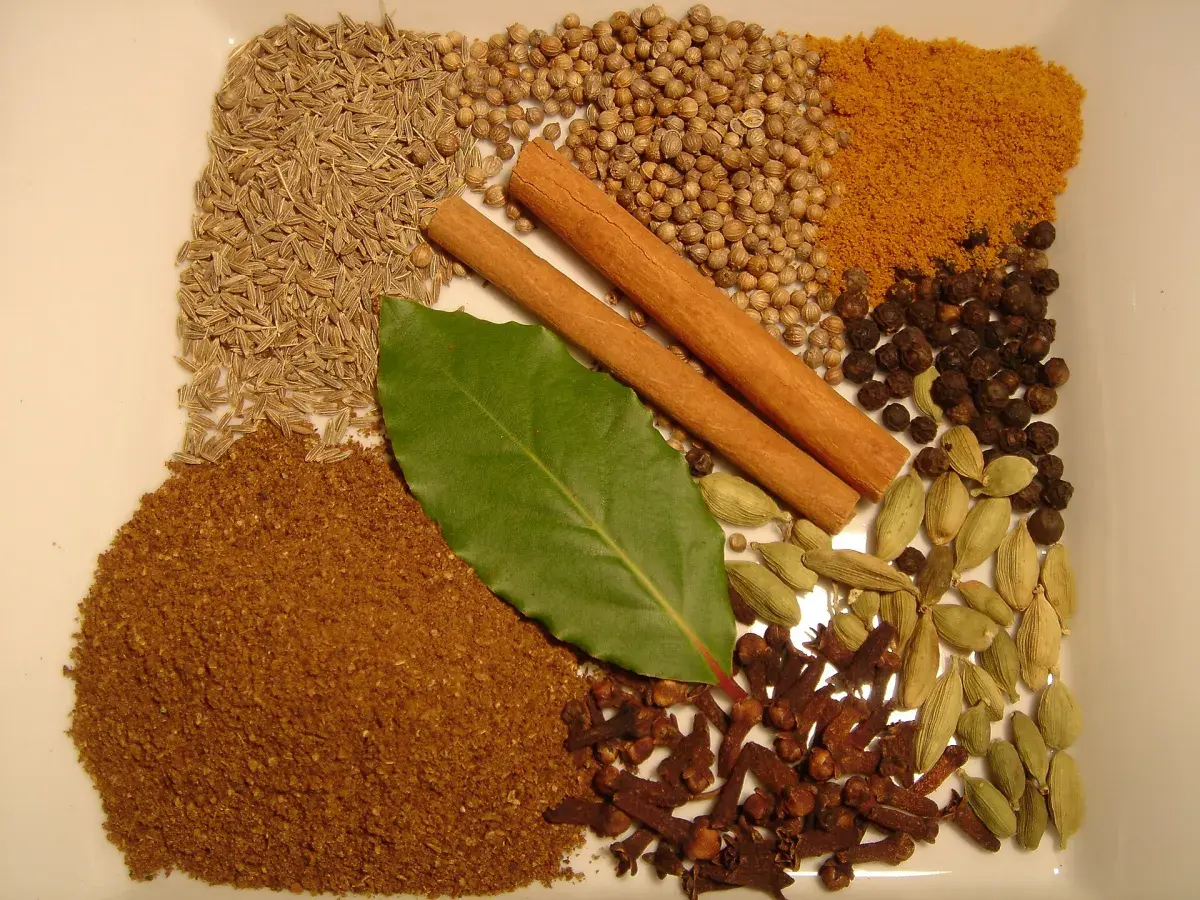
Garam masala is an Indian blend of toasted, ground spices, usually coriander, cumin, cardamom, cinnamon, cloves, black pepper, bay leaves and nutmeg. The name means “warm blend”, not because it is hot, but because in traditional Ayurvedic medicine these spices are considered “warming” and good for digestion. Unlike curry powder, garam masala usually contains no turmeric and is typically added at the end of cooking.
In a Romanian or European kitchen, garam masala is an easy way to flavor vegetable stews, chickpeas, lentils, roasted squash or oven-baked chicken with less salt. Below you will find a homemade recipe, how to use it properly, what research says about its spices, and a few precautions.
Key takeaways
- Garam masala has no single recipe: every region and every family in India has its own version.
- Basic recipe: coriander, cumin, cardamom, black pepper, cinnamon, cloves, bay leaves, nutmeg.
- The spices are dry-toasted for 2-3 minutes and freshly ground; the blend keeps its aroma for about 3 months.
- Add it at the end, ½-1 teaspoon per 4-serving pot.
- Its spices have traditional digestive uses, some supported by small studies; the blend itself has not been studied as a remedy.
What garam masala is
In Hindi, “garam” means warm and “masala” means spice blend. The blend originated in northern India, in the Mughal cuisine rich in meat, rice and yogurt sauces, but today it is used throughout South Asia.
Regional variations:
- North India (Punjab): heavier on coriander, cumin and pepper, earthy and robust.
- Mughal cuisine (Delhi, Lucknow): emphasis on cardamom, cinnamon, mace and sometimes rose petals, perfumed.
- Bengal: a simple mix of cardamom, cinnamon and cloves, added at the end.
- Kashmir: often includes fennel and dried ginger.
Garam masala vs. curry powder
| Feature | Garam masala | Curry powder |
|---|---|---|
| Origin | traditional Indian blend | blend created for the British market |
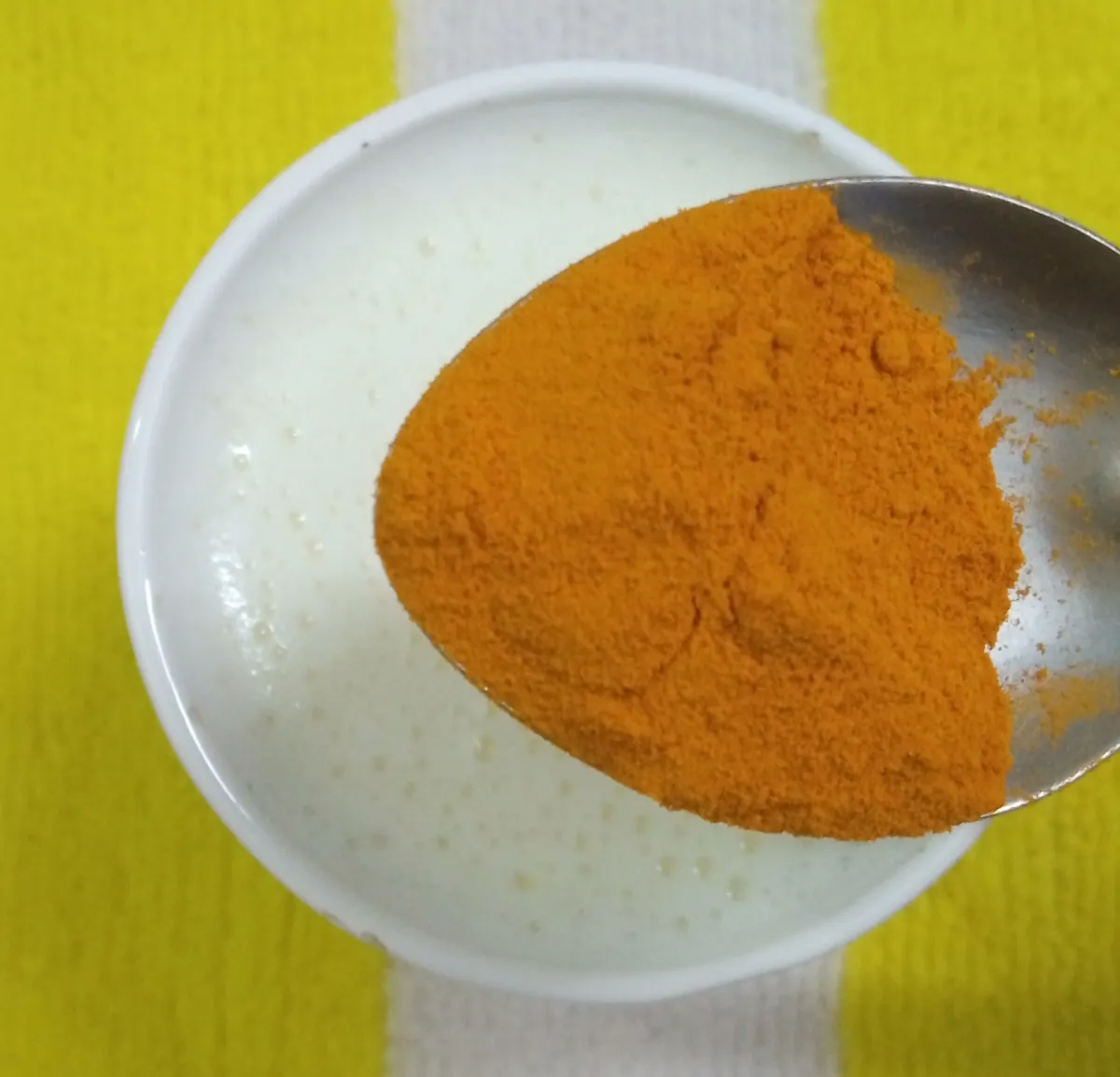
| Turmeric | usually not | yes, gives the yellow color |
| Taste | aromatic, warm, sweet-peppery | earthy, hotter, sometimes with chili |
| When to add | at the end or in the last minutes | usually at the start, in fat |
| Use | finishes a dish | base for a sauce |
For the yellow version, read our article on curry powder.
Homemade garam masala recipe (about 60 g)
Ingredients:
- 3 tablespoons coriander seeds
- 1½ tablespoons cumin seeds
- 1 tablespoon black peppercorns
- 1 tablespoon green cardamom pods (or 1½ teaspoons seeds)
- 1 teaspoon cloves
- 2 cinnamon sticks (about 10 cm in total), broken
- 2-3 bay leaves
- ½ nutmeg, grated
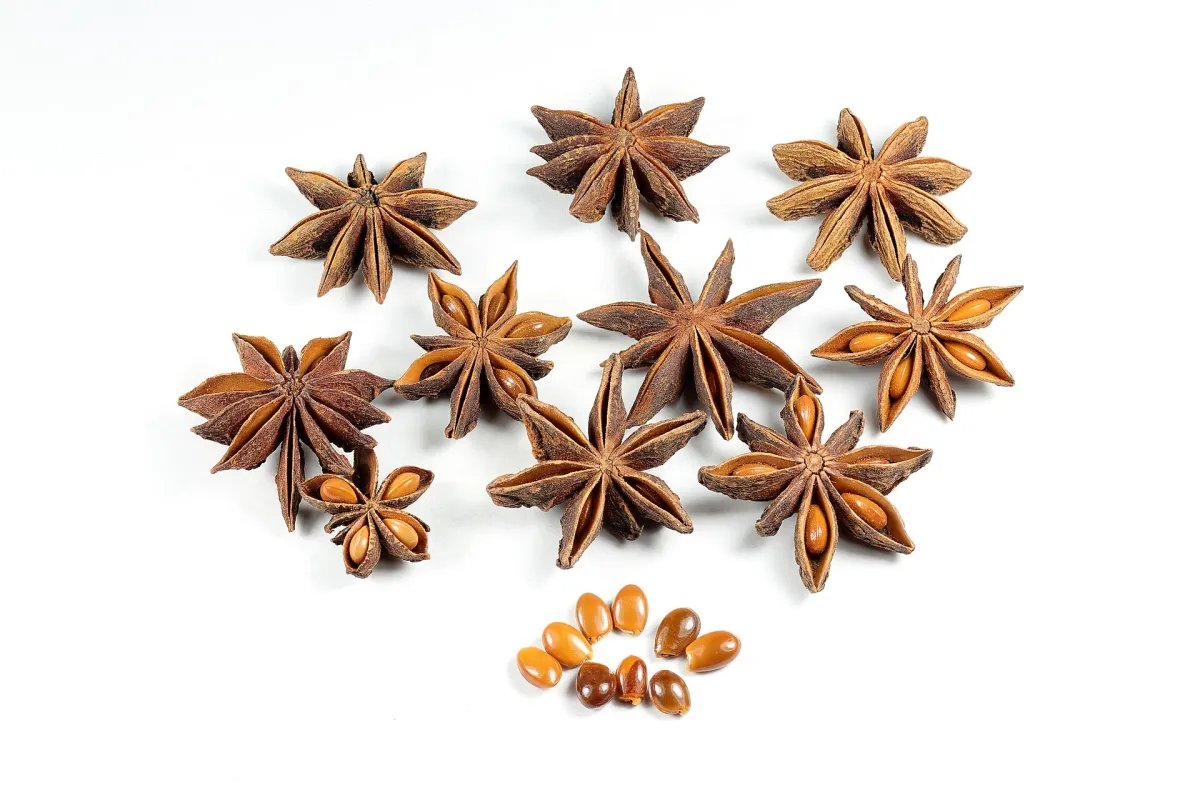
- optional: 1 star anise, 1 black cardamom pod, 1 teaspoon fennel seeds
Method:
- Heat a dry, heavy-bottomed pan over medium-low heat.
- Add the coriander, cumin, pepper, cardamom, cloves, cinnamon and bay leaves.
- Toast for 2-3 minutes, stirring constantly, until fragrant and slightly darker. Do not let them blacken: they turn bitter.
- Tip them immediately onto a cold plate and let them cool for 10 minutes.
- Remove the seeds from the cardamom pods (the husks can be discarded).
- Grind everything finely in a coffee grinder or mortar, together with the grated nutmeg.
- Sift if you want a fine powder and store in a closed glass jar.
Homemade blend keeps its best aroma for 1-3 months in the dark. Whole spices keep for up to a year, so it is better to make small batches more often.
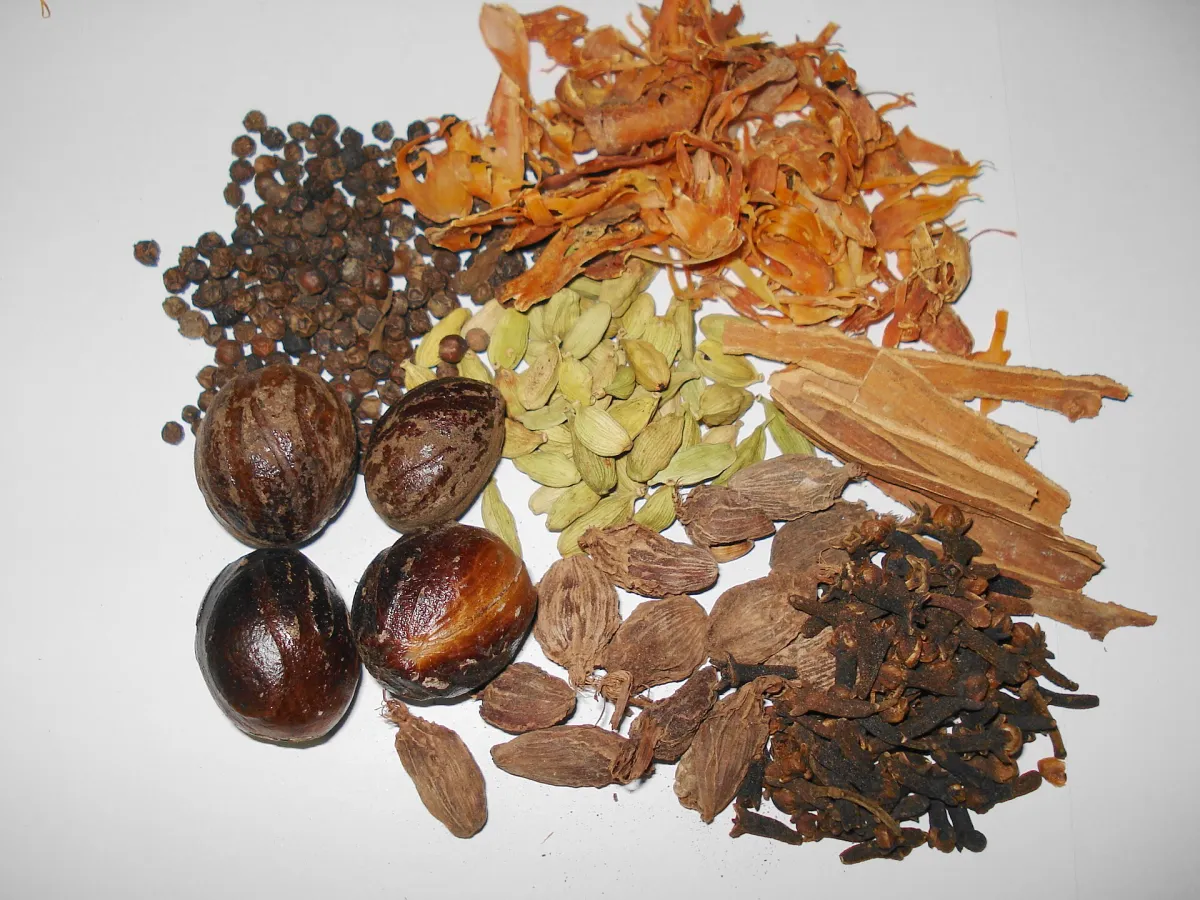 Photo: Miansari66, Public domain, via Wikimedia Commons
How to use garam masala
The basic rule: garam masala is a finishing spice. Its volatile aromas fade with long cooking.
- Lentils (dal): ½ teaspoon per 4-serving pot in the last 2-3 minutes, with garlic sizzled in butter or ghee. See also our article on lentils.
- Chickpeas in tomato sauce (chana masala): 1 teaspoon at the end, over chickpeas simmered in tomato sauce with onion, ginger and garlic.
- Oven-baked chicken: marinate 1 kg of thighs in 200 g yogurt with 2 teaspoons garam masala, 2 garlic cloves, grated ginger, salt and lemon juice, for at least 2 hours.
- Roasted squash or carrots: 1 teaspoon mixed with 2 tablespoons oil over 1 kg of vegetables.
- Red lentil or pumpkin soup: ½ teaspoon at the end.
- Potato or vegetable stew: an interesting twist on Romanian dishes, with ½ teaspoon added at the end.
- Pilaf rice: ½ teaspoon in rice cooked with onion and raisins.
- Cakes and drinks: a pinch in carrot cake or in golden milk.
Benefits: what tradition and research say
Garam masala as a blend has not been studied clinically. What we know comes from research on its individual ingredients:
| Spice | Traditional use | What studies suggest |
|---|---|---|
| Cumin | bloating, digestion | small studies in irritable bowel syndrome |
| Coriander | gas, cramps | carminative and antispasmodic in the lab |
| Cardamom | nausea, digestion | preliminary data on blood pressure and inflammation |
| Cinnamon | blood sugar, digestion | mixed results for blood sugar |
| Black pepper | stimulates digestion | piperine increases absorption of some compounds |
| Cloves | toothache, gas | eugenol is antiseptic and mildly anesthetic locally |
Digestion
Many of these spices are carminative: they help expel gas and reduce heaviness after legume dishes. It is no accident that in India garam masala appears mostly in lentil, chickpea and bean dishes. For frequent digestive trouble, read our guide to bloating.
Less salt
A practical, far from trivial benefit: aromatic spices let you cut salt without food tasting bland. Reducing sodium intake is one of the best-supported recommendations for blood pressure.
Antioxidants
The spices in garam masala are among the foods with the highest polyphenol content by weight. Still, they are eaten in small amounts, so their contribution to total intake is modest.
Dosage guide
| Use | Amount | Notes |
|---|---|---|
| Pot of food (4 servings) | ½-1 teaspoon | at the end |
| Marinade for 1 kg meat | 2 teaspoons | with yogurt and lemon |
| Roasted vegetables (1 kg) | 1 teaspoon | with oil |
| Reasonable daily intake | up to 1-2 teaspoons | as food |
Contraindications and precautions
- Reflux, gastritis and ulcers: pepper, cloves and cinnamon can worsen symptoms. Use small amounts or a pepper-free version.
- Nutmeg: contains myristicin, toxic in large doses (above roughly 5 g of nutmeg, about one whole nut). The amount in garam masala is very small, but do not “improve” the recipe with extra nutmeg.
- Cassia cinnamon: contains coumarin, which in large amounts may harm the liver. For daily use, prefer Ceylon cinnamon.
- Anticoagulants: culinary amounts are not a problem, but concentrated spice courses (capsules, extracts) should be discussed with your doctor.
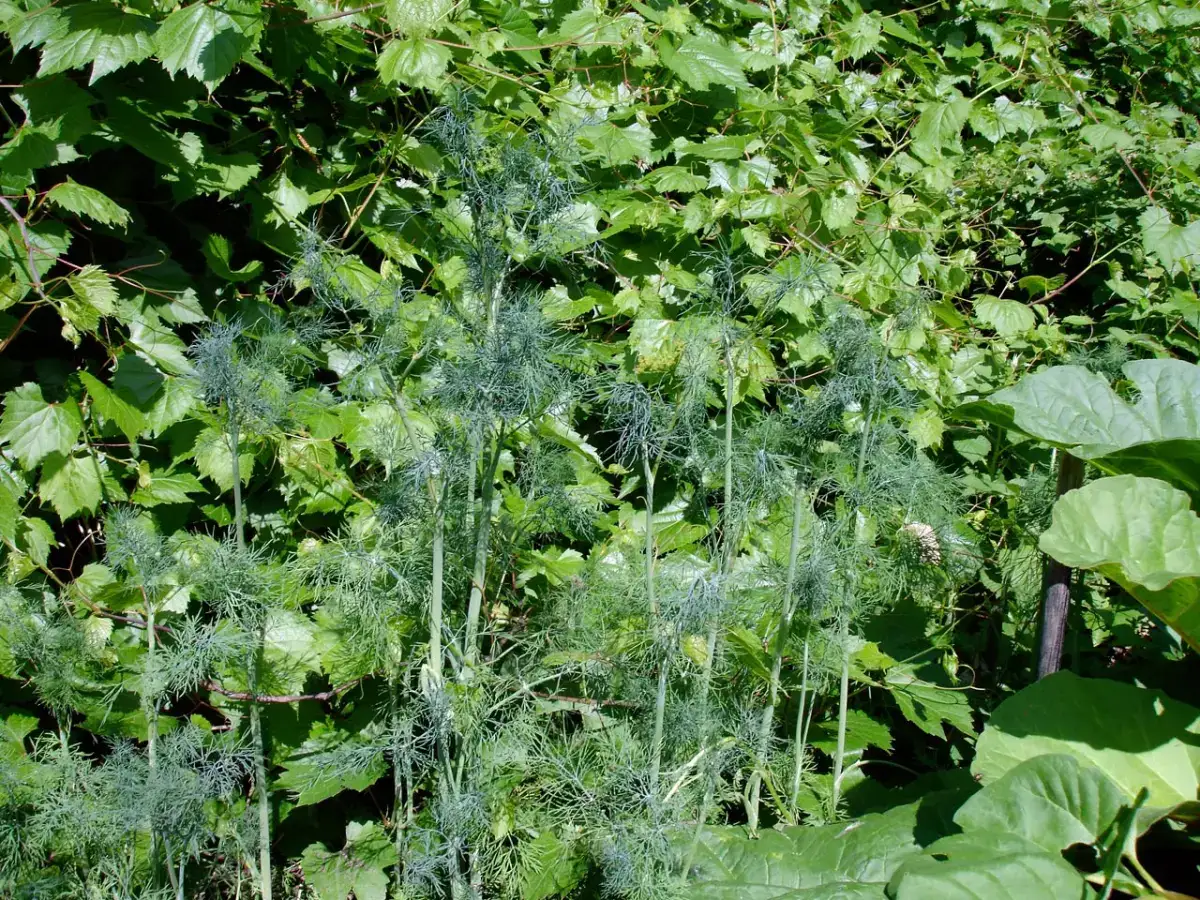
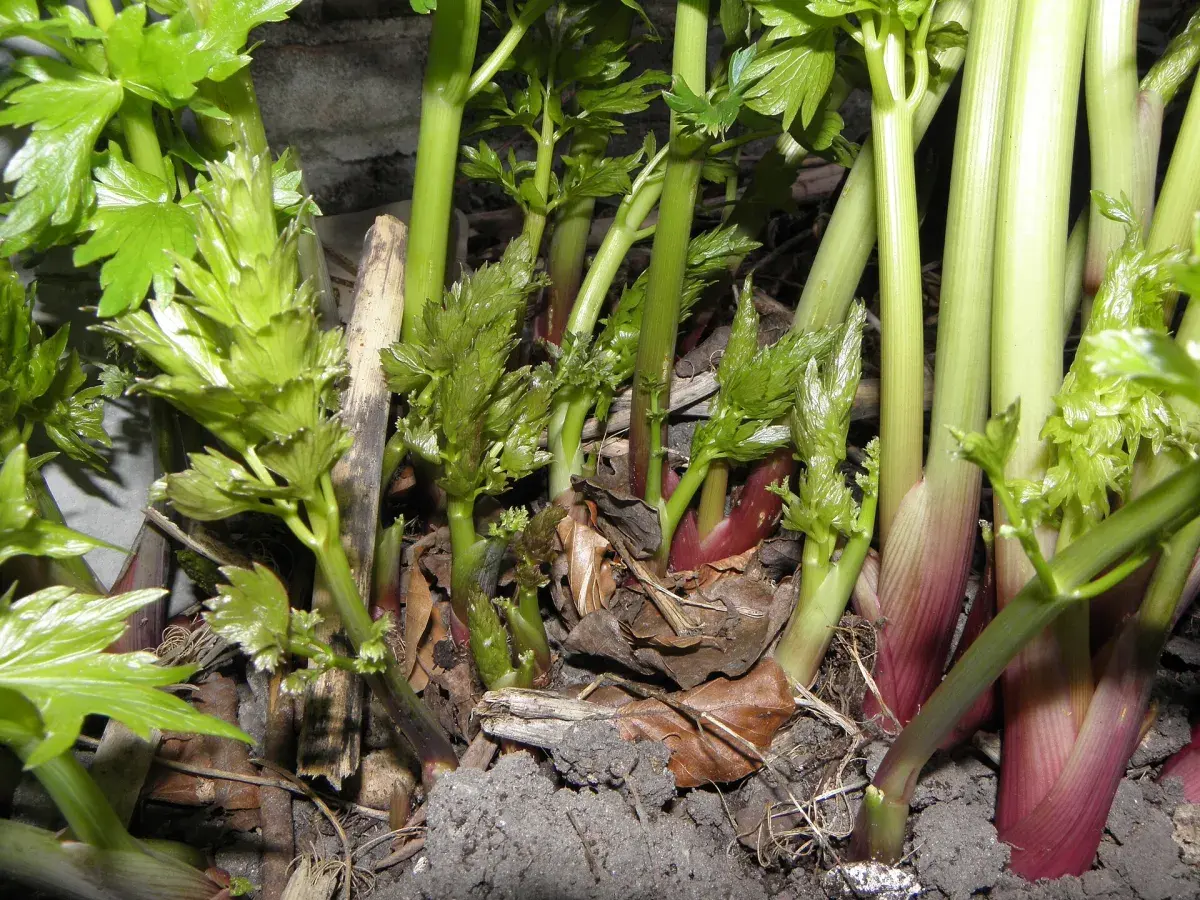
- Allergies: coriander, cumin and fennel belong to the umbellifer family; people allergic to celery may react.
- Spice quality: some ground spices have been recalled from the market due to heavy metal contamination. Buy from reputable brands or grind whole spices yourself.
- Pregnancy and breastfeeding: culinary amounts are safe.
When to see a doctor
- Persistent bloating, abdominal pain or diarrhea, especially with weight loss or blood in the stool.
- Heartburn several times a week or heartburn that wakes you at night.
- An allergic reaction (itching, hives, swollen lips) after a spiced meal.
Common mistakes
- Adding garam masala at the start and simmering for an hour. The aroma evaporates; add it at the end.
- Burning the spices while toasting. They turn bitter; toast on low heat and remove them from the pan at once.
- A blend bought years ago. Old powder has no aroma left; make small batches.
- Confusing it with curry powder. Do not swap them 1:1; garam masala is more aromatic and does not color the food.
- Too much. An extra teaspoon makes the dish bitter and “medicinal”.
- Therapeutic expectations. Garam masala is a seasoning, not a supplement.
Conclusion
Garam masala is a generous blend that brings together in one teaspoon spices valued for centuries for digestion: coriander, cumin, cardamom, cinnamon, cloves and pepper. Made at home from whole spices toasted and freshly ground, it has an aroma that store-bought sachets cannot match. Use it at the end of cooking, in small amounts, with legumes, vegetables and meat, and enjoy flavorful food with less salt. To get to know its ingredients better, read about cardamom, coriander and cumin.
Frequently asked questions
What is in garam masala? Usually coriander, cumin, cardamom, black pepper, cinnamon, cloves, bay leaves and nutmeg. Some versions add star anise, fennel, black cardamom or mace.
Is garam masala spicy? Not very. It is warm and aromatic, with a slight bite from pepper and cloves. It contains no chili, except in some commercial blends.
When do you add garam masala to food? Usually at the end, in the last few minutes of cooking, or even sprinkled when serving. In marinades it goes in from the start, because it is not boiled for long.
Can I replace garam masala with curry powder? Only if necessary and in a smaller amount. The taste will differ: curry powder is earthier and turns food yellow.
How long does garam masala keep? Homemade blend keeps its best aroma for 1-3 months in a closed jar in the dark. It does not spoil, but it gradually loses flavor.
Does garam masala help digestion? Its spices are traditionally used for digestion and bloating, and some have small studies supporting this. The blend has not been tested as a remedy, but many people find it makes legumes easier to digest.
Can I use garam masala in European dishes? Yes. It suits vegetable stews, lentil or bean soups, roasted squash, oven-baked chicken and even meatballs, a pinch at a time.
Sources and further reading
- PubMed: reviews on the biological properties of garam masala spices (cumin, coriander, cardamom, cinnamon, black pepper, cloves).
- EFSA: scientific opinion on coumarin in cassia cinnamon and the tolerable daily intake.
- World Health Organization: recommendations on reducing salt intake.
Informational content only. It does not replace advice from your doctor or pharmacist.