
Ginger Powder: Benefits, Uses and How to Use It
IMPORTANT: Ginger is generally safe when used in ordinary culinary amounts, but it is not without precautions. People taking blood-thinning medications (such as warfarin, aspirin or other anti-platelet drugs), those with gallstones, an active stomach ulcer or severe acid reflux should consult a doctor before consuming large amounts of ginger or concentrated supplements. In pregnancy, ginger is often used for nausea, but high doses are not recommended, and pregnant women should discuss its use with their obstetrician. Ginger may slightly lower blood sugar and blood pressure, so people with diabetes or hypertension under treatment should be cautious. This article is informational and does not replace medical advice.
I still remember Grandma Veta, a short woman with rough hands from the north of Moldavia, who kept a glass jar high on the pantry shelf filled with a golden-brown powder that gave off a sharp aroma the moment you lifted the lid. She called it “the burning root dust” and brought it out whenever anyone in the house complained of an upset stomach or came in shivering from the cold. She would put a teaspoon in a mug of hot water, add a slice of lemon and a spoonful of honey, and have us drink it slowly, in small sips. “It warms you from the belly up,” she used to say, and we really did feel that warmth spreading through our chest.
Only much later did I understand that Grandma’s “burning root dust” was nothing more than ginger powder, the same spice we now find in any supermarket, but which the generations before us treasured as a true household remedy. Ginger has traveled thousands of miles, from Asia all the way to Romanian pantries, and everywhere it has remained the same: a dependable helper in times of need.
Ginger powder is the root (more precisely the rhizome) of the plant Zingiber officinale, dried and finely ground into a fragrant, mildly pungent powder. Unlike fresh ginger, which has a lively, citrusy, biting aroma, the powdered version is more concentrated, warmer and sweeter-peppery. It is extremely practical because it keeps for months and is easy to measure out. It is prized in both the kitchen and folk medicine, being one of the oldest spice-medicines known to humankind.
Table of Contents
- What ginger powder is and where it comes from
- Composition and active compounds
- Health benefits
- Traditional uses in folk medicine
- How to prepare and use ginger powder
- Dosage and how to take it
- Ginger powder in the kitchen
- How to choose and store it
- Practical tips and common mistakes
- Conclusion
- Frequently Asked Questions
What ginger powder is and where it comes from
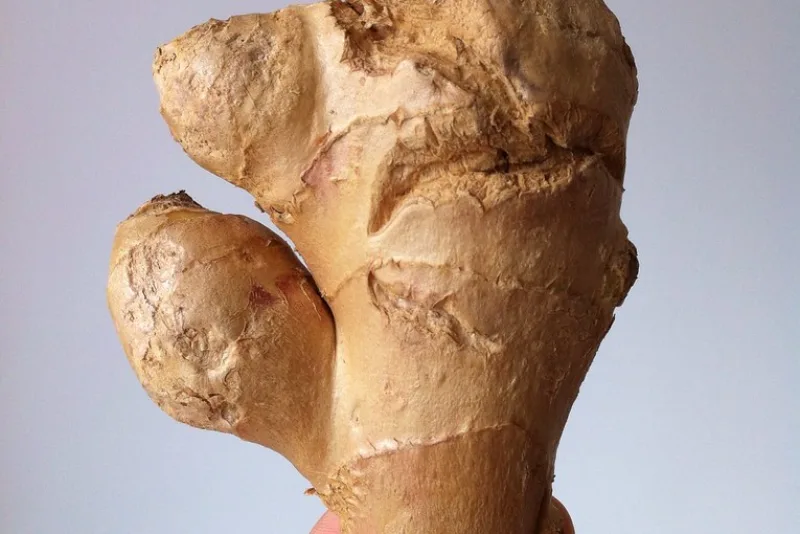
Ginger is a perennial herbaceous plant native to Southeast Asia, cultivated for thousands of years in India, China and Indonesia, and later spread to Africa, the Caribbean and South America. The part used is the rhizome, the thick, knobbly underground stem we know as “ginger root.” After harvest, the rhizomes are washed, sometimes blanched, then dried in the sun or in special kilns, after which they are ground into a fine yellowish-brown powder.
In Chinese and Ayurvedic tradition, ginger has been used for over two thousand years not only as a food but also as a remedy for digestive troubles, colds and aches. Arab merchants carried it along the Silk Road, and in medieval Europe it was so prized that a pound of ginger could cost as much as a sheep. It reached the Romanian lands through trade with the Orient, appearing in recipes for gingerbread, spiced homemade bread and warm winter drinks.
The powdered form became popular precisely because it is stable and convenient: it does not spoil quickly, takes up little space and can be added instantly to food or drinks. Many households kept a little jar of ground ginger alongside their cinnamon and cloves, bringing it out especially in autumn and winter.
Composition and active compounds
The aroma and effects of ginger come from a remarkable cocktail of bioactive compounds. The most important are the gingerols, pungent substances present in fresh ginger. During drying and grinding, some of the gingerols transform into shogaols, compounds that are even more pungent and concentrated, which is why ginger powder sometimes has a stronger “burn” than fresh ginger. Heating can also produce zingerone, responsible for sweeter notes.
In addition to these phenolic compounds, ginger contains volatile oils (such as zingiberene, which gives it its characteristic smell), starch, fiber, small amounts of B-complex vitamins, vitamin C, and minerals such as magnesium, potassium, manganese and copper. Folk tradition and part of modern research attribute the anti-inflammatory, antioxidant and stomach-soothing properties to the gingerols and shogaols.
It is worth remembering that, being a concentrated powder, dried ginger is “stronger” gram for gram than the fresh root. That is why, in recipes, one teaspoon of powder usually replaces a considerably larger amount of grated fresh ginger.
Health benefits
Supports digestion and fights nausea
The best-known and most appreciated quality of ginger is its effect on the stomach. Studies suggest that ginger may help reduce nausea and the urge to vomit, including in cases of motion sickness (in the car, on a boat or plane), morning sickness during pregnancy, or the discomfort that sometimes follows surgery or certain treatments. Folk tradition has always used it for the “lazy stomach,” for bloating and for the heavy feeling that follows rich meals.
The mechanism, as far as we understand it, is linked to ginger’s ability to stimulate the natural movements of the stomach and intestines, helping food move along more easily and reducing the stagnation that causes bloating.
Anti-inflammatory action
Gingerols and shogaols are known for their anti-inflammatory properties. In traditional medicine, ginger has been used to ease joint and muscle pain. Many people who suffer from joint discomfort drink ginger tea or use warm poultices. Studies suggest that regular, moderate consumption might contribute to reducing certain inflammatory processes in the body, although ginger does not replace medical treatment.
Support for the immune system and against colds
In winter, ginger is a classic companion. Its “warming” effect and mild sweat-inducing action made it a popular remedy at the first signs of a cold, for a sore throat and a stuffy nose. Combined with honey and lemon, ginger powder becomes a comforting drink that soothes the throat and gives a pleasant feeling of warmth. According to tradition, the antioxidants it contains support the body’s natural defenses.
Supports circulation and a feeling of warmth
Ginger has a reputation for “warming the blood.” People with constantly cold hands and feet often use it in the cold season for the sense of thermal comfort it provides. This effect is one of the reasons it appears so often in winter drinks.
Comfort during menstruation
In folk tradition, ginger tea was offered to girls and women to ease menstrual cramps. Studies suggest that ginger might help reduce discomfort in the first days of the cycle, thanks to the same anti-inflammatory and soothing effect.
Antioxidant and general support
Its wealth of phenolic compounds makes ginger a food with antioxidant potential, capable of helping neutralize free radicals. This recommends it as part of a varied and balanced diet, especially in combination with other spices such as cinnamon and turmeric.
Traditional uses in folk medicine
In country homes, ginger powder was a “cure-all” remedy. Here are some of the uses passed down from generation to generation:
- For an upset stomach: half a teaspoon of ginger powder in warm water, sipped slowly after a meal.
- For colds and chill: hot ginger tea with honey and lemon, drunk in the evening, well wrapped in a blanket.
- For nausea: a small cup of weak ginger tea, sipped little by little.
- For joint pain: warm poultices of ginger paste applied to the painful area (after testing the skin first).
- For general winter tonic: a pinch of ginger added to soups, teas and warm compotes.
These practices are part of folk wisdom and should not be confused with medical treatment, but they show how versatile this spice has been over time.
How to prepare and use ginger powder
Ginger powder tea (basic recipe)
This is the simplest and most popular way to use it.
Ingredients:
- 1 cup (250 ml) water
- 1/2 – 1 teaspoon ginger powder
- 1 teaspoon honey (optional)
- 1 slice of lemon (optional)
Method:
- Boil the water and let it settle for 1-2 minutes (so it is no longer boiling violently).
- Put the ginger powder in a mug.
- Pour the hot water over the powder and stir well.
- Cover the mug and let it steep for 5-10 minutes.
- Add the honey (once the liquid has cooled slightly, to preserve its properties) and the lemon.
- Drink warm, in small sips.
The powder does not dissolve completely, so small sediments will remain at the bottom. You can strain the tea through a fine sieve if you prefer a clearer drink.
Ginger tea with cinnamon and cloves (for winter)
Ingredients:
- 2 cups water
- 1 teaspoon ginger powder
- 1/2 teaspoon cinnamon
- 2 cloves
- honey and lemon to taste
Method:
- Put all the spices in a pot with cold water.
- Bring to a boil and let it simmer gently for 5 minutes.
- Turn off the heat, cover and let it steep for another 5 minutes.
- Strain, sweeten with honey and add lemon.
It is a warm, fragrant drink, perfect for cold winter evenings.
Ginger paste for external poultices
For external use, on muscle or joint areas:
- Mix 1-2 teaspoons of ginger powder with warm water (or a little oil) until you get a thick paste.
- Spread the paste on a piece of gauze.
- Apply to the painful area for 10-15 minutes, after testing it on a small patch of skin.
- Remove and rinse the skin with lukewarm water.
Caution: ginger can irritate sensitive skin, so always test on a small area and do not leave the poultice on too long.
“Liquid gold” paste (ginger, turmeric, honey)
A popular mixture is a paste made from ginger powder, turmeric and honey, kept in a jar in the fridge. A teaspoon can be added to warm milk or water as a comforting drink in the cold season.
Dosage and how to take it
For ordinary culinary use, ginger powder is used in small amounts, to taste, from a pinch to a level teaspoon in a recipe. For comforting teas, the usual dose is 1/2 to 1 teaspoon of powder per cup, 1-3 times a day.
In general, a total intake of up to 3-4 grams of ginger per day (from all sources) is considered well tolerated by most healthy adults. For pregnant women, recommendations are more cautious, and large amounts should be avoided and discussed with a doctor. Concentrated ginger supplements have their own dosing rules and should not be taken without professional advice.
The wisest approach is to start with small amounts and observe how your body reacts, especially if you have a sensitive stomach.
Ginger powder in the kitchen
Beyond remedies, ginger powder is an extraordinarily versatile spice. It pairs wonderfully with:
- Baked goods and confectionery: gingerbread, spiced cookies, carrot cakes, winter loaf cakes.
- Drinks: teas, warm lemonades, spiced milk, compotes.
- Savory dishes: cream soups (especially pumpkin, carrot or lentil), stews, curries, marinades for meat and fish.
- Spice blends: it features in many traditional combinations alongside cinnamon, nutmeg, cloves and pepper.
A kitchen tip: ginger powder is much more concentrated than fresh ginger, so add it gradually and taste as you go. It “opens up” and releases its aroma better when added at the start of cooking, into warm fat or hot liquid.
How to choose and store it
When you buy ginger powder, look for a powder with a vivid yellowish-brown color and a strong, sharp, fragrant smell. A weak or absent aroma is a sign that the powder is old and has lost its potency.
For storage:
- Keep it in an airtight container, preferably glass, away from light, heat and moisture.
- The best places are a closed cupboard or a cool pantry.
- Avoid keeping the jar above the stove, where steam and heat destroy its aroma.
- Use a dry spoon each time so you do not introduce moisture into the jar.
Ginger powder keeps its aroma best in the first 6-12 months after opening, although it remains safe to consume later too. It simply loses some of its intensity.
Practical tips and common mistakes
Mistake no. 1: Using too much at once. Because the powder is concentrated, many people add it generously and end up with a drink or dish that is too hot and bitter. Always start with a little and adjust.
Mistake no. 2: Boiling the tea hard for a long time. Aggressive, prolonged boiling can degrade some of the fragrant volatile oils. It is better to steep the powder in hot water, covered, than to boil it for minutes on end.
Mistake no. 3: Adding honey to boiling liquid. Honey loses some of its properties at high temperatures. Let the tea cool a little before adding the honey.
Mistake no. 4: Storing the powder near a heat source or in the light. This speeds up the loss of aroma. Keep the jar in the dark and cool.
Mistake no. 5: Ignoring medical precautions. Ginger seems harmless because it is “natural,” but it can interact with medications (especially blood thinners) and can irritate a sensitive stomach. Do not treat serious problems with ginger alone, and consult a doctor when appropriate.
Mistake no. 6: Applying ginger poultices directly to irritated skin or for too long. It can cause stinging or redness. Test first and limit the application time.
Conclusion
Ginger powder is one of those humble spices that hide a surprising wealth of qualities. Practical, fragrant and easy to use, it carries on the tradition we saw in our grandmothers: a teaspoon of “burning root dust” in a mug of warm water, with honey and lemon, ready to warm the body and soothe the stomach. From comforting winter teas to fragrant cakes and spiced dishes, ginger powder deserves a place of honor in the pantry. Used in moderation and with attention to precautions, it remains a trusted ally of both health and the kitchen.
Frequently Asked Questions
What is the difference between ginger powder and fresh ginger? Fresh ginger has a lively, citrusy, biting aroma and is ideal in dishes and “on the spot” teas. The powder is dried, more concentrated, warmer and more pungent, perfect for baking, spice blends and long-term storage. During drying, some gingerols turn into the spicier shogaols. In general, since the powder is more concentrated, it is used in smaller amounts than freshly grated root.
How much ginger powder can I consume per day? For most healthy adults, a total intake of up to 3-4 grams of ginger per day is considered well tolerated. For teas, 1/2 – 1 teaspoon per cup, 1-3 times a day, is a usual amount. Start with small doses and consult your doctor if you take medications or have chronic conditions.
Can I drink ginger tea during pregnancy? Ginger is often used for nausea during pregnancy, in small amounts. However, large doses are not recommended, and pregnant women should discuss its regular use with their obstetrician beforehand.
Does ginger help with weight loss? Ginger is not a miracle solution for weight loss, but tradition and some studies suggest it may support digestion and give a feeling of fullness and warmth. It only makes sense as part of a balanced diet and an active lifestyle.
Is ginger good for a sore throat and colds? Yes, it is a classic folk remedy. Warm ginger tea with honey and lemon soothes the irritation in the throat and provides comfort during colds. It does not cure the infection, but it helps relieve symptoms.
Why does ginger powder sometimes taste bitter? If too much was used, or if it was boiled too long, ginger can develop bitter and harsh notes. Use it in moderation and steep it rather than boiling it aggressively.
How long does ginger powder keep? It keeps its aroma best in the first 6-12 months after opening, if stored in an airtight container, in the dark and cool. It remains safe to consume later, but gradually loses its intensity.
Who should avoid ginger? Caution is recommended for people taking blood thinners, those with gallstones, an active stomach ulcer or severe reflux, as well as those with unstable blood sugar or blood pressure under treatment. In all these cases, it is wise to ask a doctor before consuming large amounts of ginger.