
Ginger: Benefits, Uses and How to Use It for Digestion and Nausea
IMPORTANT: Ginger is generally safe for most people when used in ordinary culinary amounts, but it is not without precautions. People taking blood-thinning medication (such as warfarin or high-dose aspirin), those undergoing treatment for diabetes or high blood pressure, and pregnant women exceeding one gram of ginger per day should talk to their doctor first. Ginger may enhance the effect of blood-thinning medicines and can interfere with blood sugar. If you suffer from gallstones, an active stomach ulcer, or severe reflux, introduce it cautiously and in small amounts. This article is for informational purposes only and does not replace medical advice.
Grandma Maria, from a village in the Mureș valley, had a habit that no one in the family ever questioned: every winter morning, before stepping out to her chores in the yard, she would boil a small cup of water and add a few thin slices of a knobbly, yellowish root that she kept wrapped in a cloth in the pantry. “This keeps my stomach warm and my thoughts clear,” she would say, blowing on the fragrant steam. Whenever one of the grandchildren came to her with nausea, a bloated belly after a heavy meal, or the first signs of a cold, she turned to that same root. She grated it on her fine grater, mixed it with honey, and squeezed it into a glass of warm water.
It was only later, when one of the grandchildren moved to the city and saw the very same root being sold at a high price in health-food shops under the name “ginger,” that he understood Grandma’s remedy was not just a country superstition but one of the world’s most treasured medicinal spices, used for thousands of years from Asia all the way to Europe. Ginger — for that is what we are talking about — belongs to that rare category of plants that manage to be, at the same time, a tasty food, a powerfully aromatic spice, and a trusted traditional remedy.
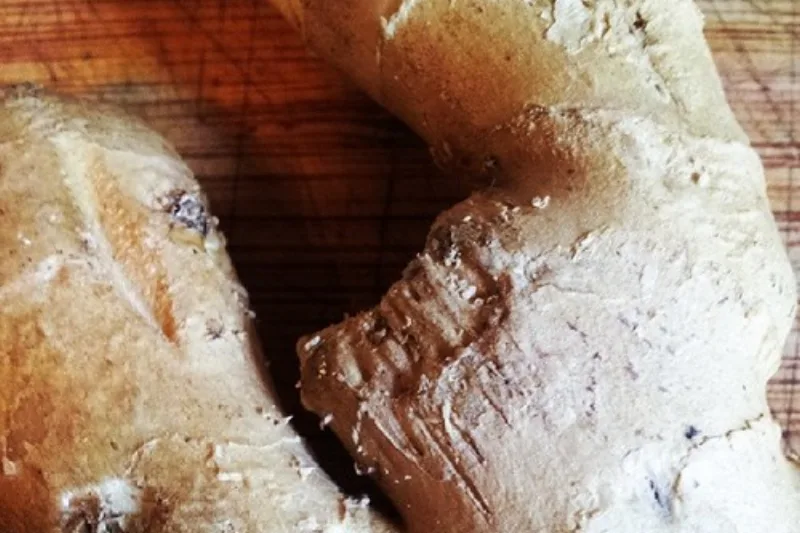
Ginger is the rhizome (the thickened underground stem) of the plant Zingiber officinale, native to the tropical regions of Southeast Asia. Beneath its thin, yellowish skin lies a fibrous, juicy flesh with a warm, slightly spicy and pungent aroma that leaves a pleasant tingling on the tongue. For centuries, ginger has traveled the spice routes and come to be prized both in the kitchens of every continent and in the folk medicine of countless cultures. In traditional Chinese medicine and in Ayurveda, ginger holds a place of honor, considered a plant that “kindles the digestive fire” and warms the body.
Table of Contents
- What ginger is and where it comes from
- Composition and active principles
- Health benefits
- Traditional uses
- How to prepare it: tea, tincture, syrup and more
- Dosage and how to take it
- Ginger in the kitchen and lifestyle
- Practical tips and common mistakes
- Precautions and contraindications
- Conclusion
- Frequently Asked Questions
What ginger is and where it comes from
The ginger plant is a perennial herb that grows to about a meter in height, with narrow, lance-shaped leaves and pale, yellowish-green flowers arranged on spikes. The part we use, however, is not the flower or the leaf, but the rhizome that develops horizontally underground. This rhizome, usually harvested after the plant has passed its peak growth, is what ends up in our kitchens and teas.
Native to the humid tropical zones of Asia, ginger was among the first spices exported from the East to the ancient world. The Romans and Greeks knew and valued it, and in medieval Europe it became so sought-after that its price rivaled that of other luxury spices. Today, the main growers are India, China, Nigeria, and other countries with warm climates, but fresh ginger can be found in nearly any market or supermarket in the world.
There are several forms in which we can buy it: the fresh rhizome (the most aromatic and versatile), dried and ground ginger (the yellow-beige powder often used in baking and spice blends), candied or crystallized ginger (small pieces coated in sugar, sweet and spicy at once), and ginger essential oil (very concentrated, used externally or in aromatherapy). Each form has its uses, but for traditional remedies the fresh rhizome remains the uncrowned king.
Composition and active principles
Ginger’s aroma and strength come from a group of phenolic compounds, the best known of which are the gingerols, especially 6-gingerol. This is responsible for the pungent taste and for much of the properties that tradition attributes to ginger. When ginger is dried or heated, the gingerols partly convert into shogaols, compounds that are even more pungent, which explains why dried ginger sometimes feels more “fiery” than fresh.
In addition to these core compounds, ginger contains volatile oils (zingiberene, bisabolene, which give it its warm, woody fragrance), a notable amount of antioxidants, as well as modest quantities of minerals (potassium, magnesium, manganese) and vitamins from the B and C groups. It is not, admittedly, a calorie-rich superfood — we consume it in small amounts — but its density of bioactive compounds is remarkable relative to the volume used.
Studies suggest that it is precisely the gingerols and shogaols that lie behind most of the effects people have observed over time: the soothing of the stomach, the warming sensation, the help with joint discomfort. Folk tradition intuited these things long before they were studied in the laboratory.
Health benefits
Support for digestion and easing bloating
The oldest and most widespread use of ginger is connected to digestion. Folk tradition recommends it after heavy meals, when the stomach feels full and sluggish, or when bloating and a feeling of discomfort set in. Ginger is said to “get the belly moving,” stimulating the emptying of the stomach and helping food pass more smoothly through the digestive tract. Many people report that a cup of ginger tea after a rich meal brings almost immediate relief.
Help with nausea and motion sickness
Perhaps ginger’s best-known modern benefit is its ability to calm nausea. Sailors and travelers long used it against seasickness and travel sickness, and grandmothers gave it to children who felt unwell in the car. Studies suggest that ginger may help with various forms of nausea, including the morning nausea that appears in the first months of pregnancy — though, again, during pregnancy the doses must be kept small and discussed with a doctor. For motion sickness, many prefer to chew a small piece of candied ginger before traveling.
A warming effect and support during colds
In Romanian folk tradition, as in Asian tradition, ginger is the winter remedy par excellence. Hot ginger tea with honey and lemon is a must at the first signs of a cold, a sore throat, or a chill that has settled into the bones. The warming effect it produces — that pleasant sensation that spreads from the stomach throughout the body — is appreciated by everyone who has tried it. It is said to help “break” a cold and bring on the sweat that accompanies recovery.
Support for joints and muscle discomfort
Owing to its properties, considered anti-inflammatory in tradition, ginger is used by many people for joint discomfort and muscle aches. Some consume it regularly as tea, while others prefer warm poultices applied locally. Studies suggest a possible beneficial role here, especially with consistent use, but it is wise to regard it as support rather than a replacement for the treatment recommended by a doctor.
Support for immunity and general well-being
Ginger’s wealth of antioxidants recommends it as an ally of the immune system, especially in the cold season. Many people adopt the habit of drinking a glass of warm water with ginger, lemon, and honey every morning, regarding it as an energizing and protective “start” for the whole day. Beyond the effect itself, the ritual — the quiet morning moment, the warm aroma — has a genuine psychological value.
Traditional uses
Over time, ginger has been used in countless ways. Here are some of the most common in folk tradition:
- Ginger tea — the simplest and most widespread form, drunk for digestion, colds, and warmth.
- Strong decoction — for cases where a more powerful effect is wanted, the root is boiled longer.
- Ginger tincture — an alcohol-based extract, taken a few drops at a time as needed.
- Ginger syrup — combined with honey, given to children and adults for the throat and cough.
- Warm poultice — grated ginger, warmed and applied to painful areas, wrapped in cloth.
- Ginger baths — a few slices added to bathwater, for the warming and relaxing effect.
- Candied ginger — chewed as is for nausea and to freshen the breath.
How to prepare it: tea, tincture, syrup and more
Classic ginger tea (the basic recipe)
This is the preparation everything starts from. You will need:
- a piece of fresh rhizome about 3-4 cm long;
- 400-500 ml of water;
- to taste: honey, lemon juice, a pinch of cinnamon.
Steps:
- Wash the ginger well and, optionally, peel the thin skin with the edge of a spoon (much of the aroma is right under the skin, so don’t remove it too aggressively).
- Slice it thinly or grate it on the coarse grater.
- Put the slices in the water and bring to a boil, then lower the heat and let it simmer for 8-10 minutes. The longer it boils, the stronger and spicier the tea.
- Strain into a cup and let it cool slightly.
- Add the honey and lemon juice only once the tea is no longer boiling — this better preserves both the aroma and the qualities of the honey.
Quick infusion
If you don’t have time to boil it, you can put the thin ginger slices straight into a cup, pour hot water over them, cover, and let it infuse for 10 minutes. It comes out milder than the decoction, but very pleasant.
Ginger tincture
For a concentrated version to keep on hand:
- Grate or finely chop about 100 g of fresh ginger.
- Place it in a clean jar and cover it completely with food-grade alcohol (40-50 proof) or good-quality vodka.
- Close the jar and let it macerate for 2-3 weeks, in a dark, cool place, shaking it daily.
- Strain through cheesecloth and store the tincture in a dark glass bottle.
Use 10-20 drops diluted in a little water, as needed.
Ginger and honey syrup
- Boil 5-6 thick slices of ginger in 250 ml of water for 15 minutes.
- Let it cool until lukewarm.
- Strain and mix the liquid with roughly an equal amount of honey.
- Store in the refrigerator, in a closed jar, for a maximum of 1-2 weeks.
One teaspoon as needed, for an irritated throat and a feeling of chill.
Warm poultice
Grate fresh ginger, warm it gently (over steam or in a cheesecloth placed above a cup of hot water), and apply it, wrapped in clean cloth, to the painful area for 15-20 minutes. Always test the temperature on the back of your hand so you don’t burn yourself.
Dosage and how to take it
For most adults, a reasonable amount of ginger used as a remedy is around 2-4 grams of fresh rhizome per day, which means a few slices or a teaspoon of grated ginger, spread over one or two servings. For dried, ground ginger, the amounts are smaller, as it is more concentrated.
The wisest approach is to start with small doses and observe how your body reacts. Some people are more sensitive and may feel a slight burning sensation in the stomach if they overdo it. Ginger is best taken after or during a meal, especially if you have a sensitive stomach. For a digestive effect, a cup of tea after a meal is ideal; for warmth and immunity, the morning on an empty stomach works well for those who tolerate it.
Ginger in the kitchen and lifestyle
Beyond its role as a remedy, ginger is a wonderful spice that can transform everyday dishes. It pairs beautifully with soups, with Asian-style stir-fries, with fish, chicken, and vegetables. A grated piece in a vegetable soup gives it a warm depth, and in marinades it helps tenderize the meat.
In desserts, dried ginger is a fixture of winter cakes, gingerbread, and holiday spice blends. Combined with cinnamon, cloves, and nutmeg, it creates that unmistakable cold-season fragrance. Candied ginger can be finely chopped into doughs or eaten as is, as a spicy-sweet snack.
For drinks, ginger is the basis of ginger lemonade, of detox water with cucumber and lemon, or of the classic energizing morning “shot” with ginger, turmeric, and a touch of black pepper. Working ginger into your daily diet is one of the most pleasant ways to reap its benefits effortlessly — you simply slip it into the dishes you are cooking anyway.
As a lifestyle habit, many people have discovered that a simple ritual — the morning glass of warm water with ginger — helps them start the day with a feeling of freshness and balance. It is not a miracle, but a small gesture of care toward one’s own body, repeated with consistency.
Practical tips and common mistakes
Mistake no. 1: Peeling the skin too aggressively. Many people peel ginger with a knife, throwing away a good part of the flesh. Much of the aroma and the active compounds sit right beneath the thin skin. Use the edge of a spoon to gently scrape off only the peel, or leave it on entirely if the ginger is well washed and of good quality.
Mistake no. 2: Adding honey to boiling tea. Honey placed in hot liquid loses some of its qualities and takes on a less pleasant taste. Let the tea cool until lukewarm before sweetening it.
Mistake no. 3: Overdoing the amount. “If a little is good, a lot is better” does not apply to ginger. Excessive amounts can irritate the stomach, especially on an empty stomach. Better consistent and moderate than a lot and rarely.
Mistake no. 4: Storing it incorrectly. Fresh ginger spoils if kept in moisture. It keeps best in the refrigerator, wrapped in a paper towel and placed in a bag, or frozen in pieces (it grates easily straight from the freezer).
Mistake no. 5: Ignoring interactions with medication. If you take blood thinners or medicines for diabetes or blood pressure, do not turn ginger into a concentrated daily remedy without asking your doctor.
Mistake no. 6: Expecting miraculous results. Ginger is a valuable support, but not a cure-all. It works best as part of a balanced lifestyle, alongside healthy eating, sleep, and movement.
Precautions and contraindications
Although ginger is well tolerated by most people, there are situations in which it must be used carefully. People with an active stomach ulcer, severe gastroesophageal reflux, or gastritis may feel discomfort, as ginger stimulates the digestive secretions. Those taking blood thinners must be cautious, since ginger can enhance the blood-thinning effect. Likewise, people with diabetes or high blood pressure who take medication should monitor their values, as ginger can influence blood sugar and blood pressure.
During pregnancy, ginger is traditionally used against morning sickness, but large amounts (over one gram per day) are not recommended without a doctor’s approval. People about to undergo surgery should stop concentrated ginger consumption a few days beforehand, because of its effect on clotting. And, as always, if unusual reactions appear — rashes, marked discomfort — it is best to stop and consult a specialist.
Conclusion
Ginger is one of those gifts of nature that manage to combine the pleasant with the useful: an aromatic spice that brings food to life and, at the same time, a trusted traditional remedy for digestion, nausea, colds, and warming the body. From the knobbly root in Grandma’s pantry to the shelves of today’s health-food shops, ginger has kept its place of honor in the folk wisdom of the entire world. Used in moderation, with respect for a few simple precautions and naturally woven into the everyday diet, it can become a pleasant and reliable ally of our well-being. As Grandma Maria used to say, blowing on her steaming tea, ginger “keeps the stomach warm and the thoughts clear” — a simple saying that beautifully sums up a tradition thousands of years old.
Frequently Asked Questions
How much ginger can I safely consume per day? For most healthy adults, 2-4 grams of fresh rhizome per day (the equivalent of a few slices or a teaspoon of grated ginger) is a reasonable amount. Start with small doses and increase gradually, observing how your stomach reacts.
Does ginger really help with nausea? Tradition and the experience of countless people confirm it, and studies suggest a beneficial effect in various forms of nausea, including motion sickness and mild morning nausea. For travel, a small piece of candied ginger chewed before the journey is a popular solution.
Can I drink ginger tea every day? Yes, many people drink it daily without problems, especially in the cold season. The important thing is not to overdo the amount and, if you have gastric conditions or take medication, to talk to your doctor.
Is fresh or dried ginger better? It depends on the use. Fresh is more aromatic and versatile for teas and dishes, while dried and ground is more concentrated and ideal for desserts and spice blends. Both have their value.
How do I store ginger so it doesn’t spoil? Best in the refrigerator, wrapped in a paper towel and placed in a bag, where it lasts a few weeks. For long periods, freeze it in pieces and grate it straight from the freezer when you need it.
Is ginger suitable for children? In small amounts, as a mild tea sweetened with honey (after the age of one for honey), ginger is traditionally used for children with mild colds and nausea. For little ones, the doses are reduced considerably, and it is wise to ask the pediatrician.
Does ginger help with weight loss? Ginger is not a miracle weight-loss solution, but it can support digestion and the feeling of fullness, making it a pleasant addition to a balanced diet. The real benefits come from the overall lifestyle, not from a single ingredient.
Can I use ginger if I take blood medication? With caution and after consulting your doctor. Ginger can enhance the effect of blood thinners, so it is not advisable to turn it into a concentrated daily remedy without a specialist’s approval.