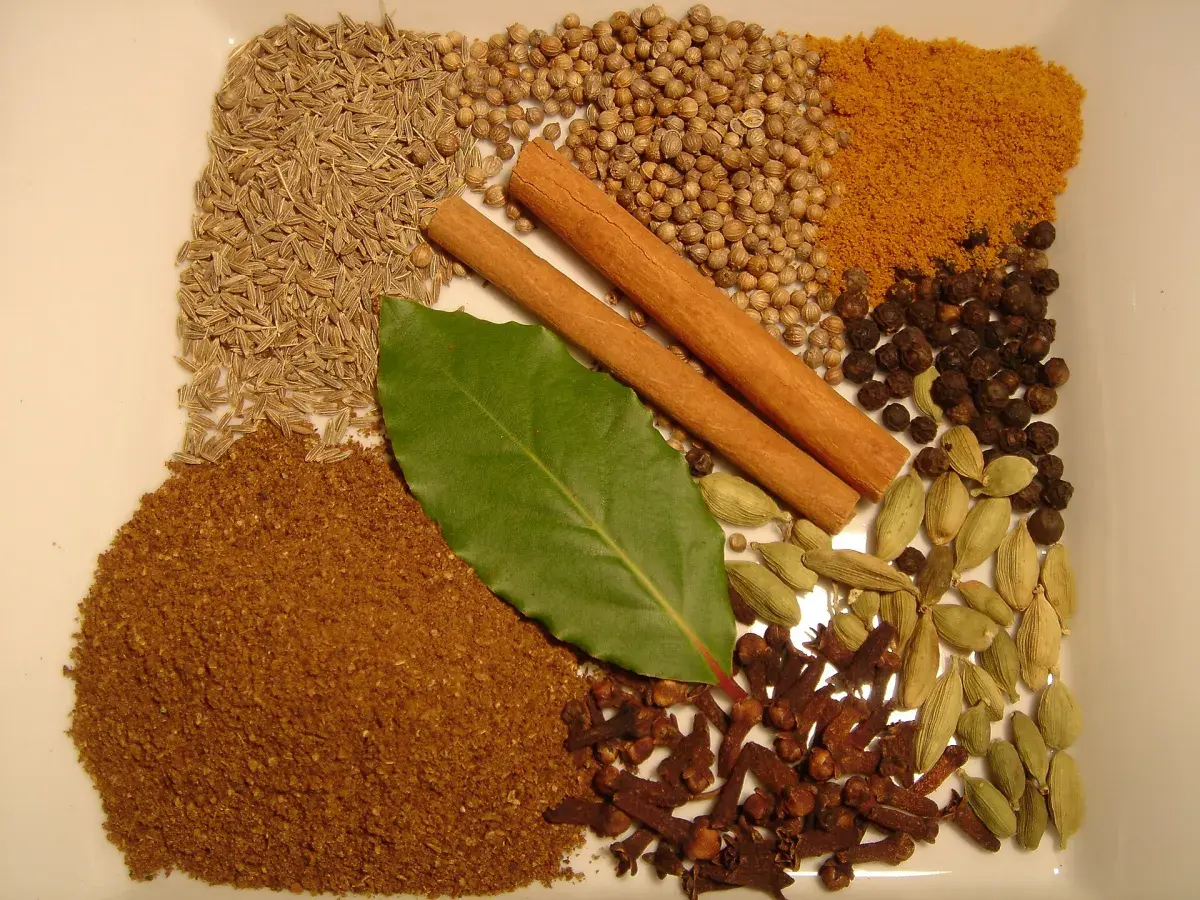
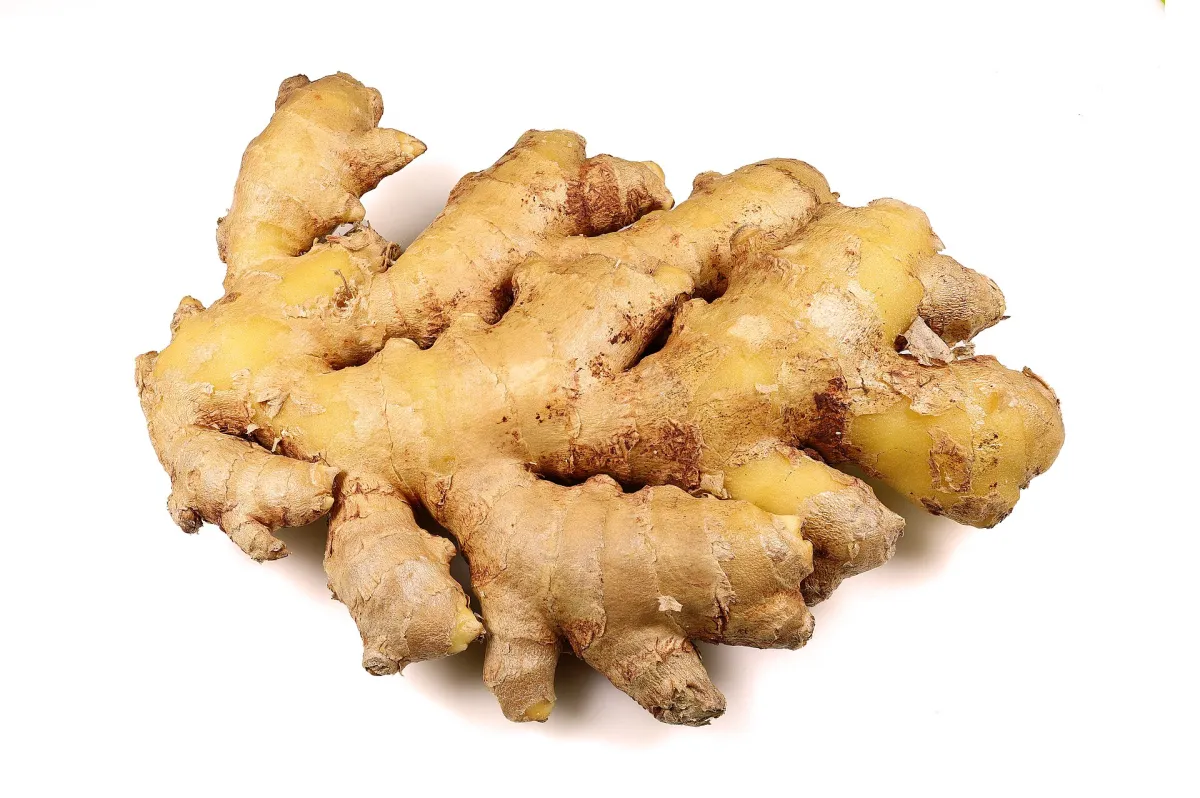
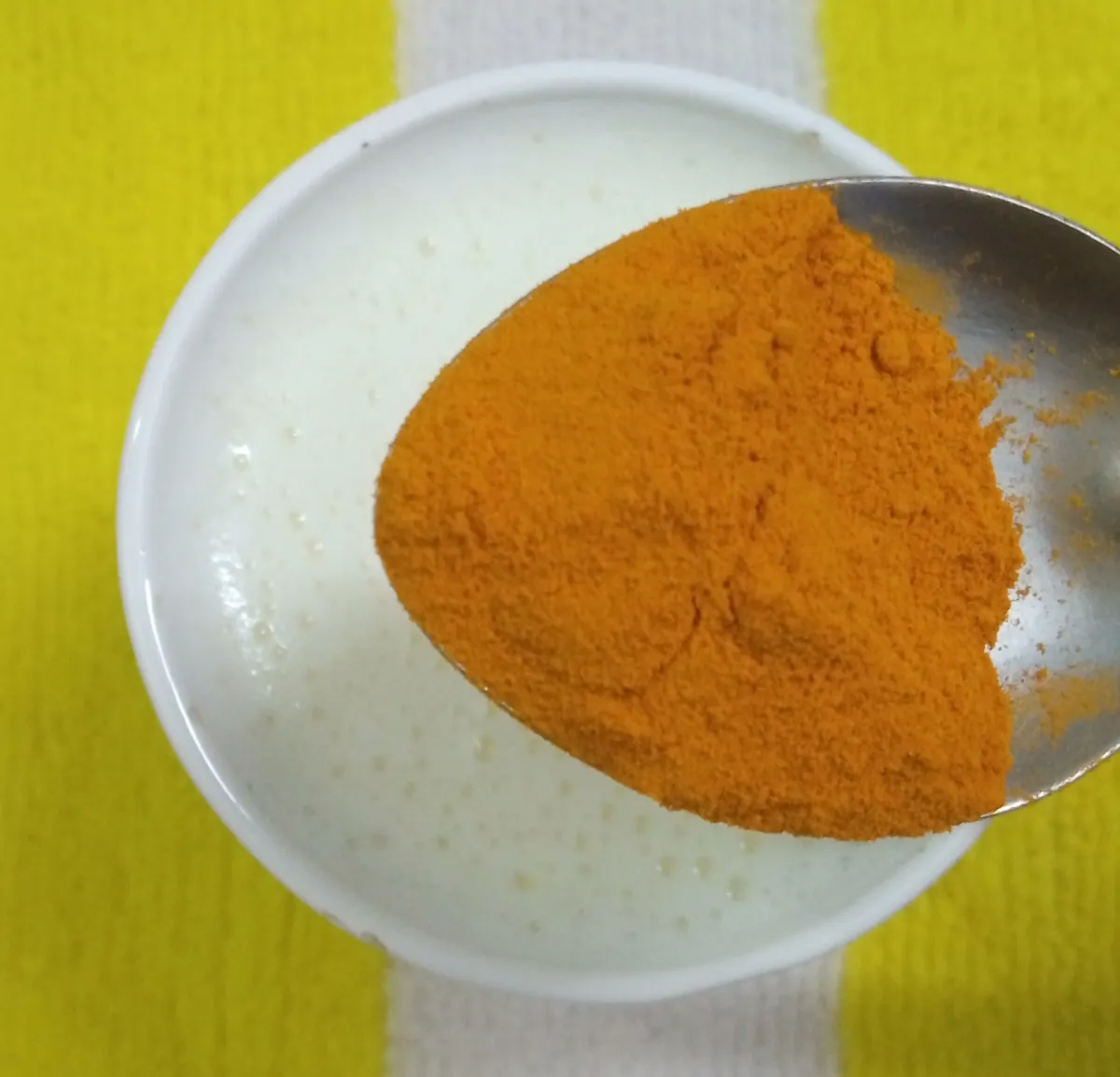
 Photo: మురళీకృష్ణ ముసునూరి, CC BY-SA 4.0, via Wikimedia Commons
Golden milk (in India, “haldi doodh”) is warm milk simmered with turmeric, a pinch of black pepper, ginger and cinnamon. The correct recipe for one cup: 250 ml milk, 1 teaspoon turmeric, ¼ teaspoon ginger, a pinch of pepper and ½ teaspoon of fat, simmered for 5 minutes on low heat. Pepper and fat are essential: without them, the curcumin in turmeric is very poorly absorbed.
Golden milk is a warm, soothing drink for cold evenings and a pleasant way to regularly consume spices with anti-inflammatory properties. It is not a medicine, though: a cup contains far less curcumin than the supplements tested in studies. Below you will find the classic recipe, a plant-based version, “golden paste”, what you can realistically expect, and who should avoid it.
Key takeaways
- Key ingredients: turmeric (curcumin), black pepper (piperine), fat, ginger, cinnamon.
- Piperine can increase curcumin absorption by roughly 20 times, according to a classic human study; fat helps too.
- One teaspoon of turmeric (about 3 g) contains around 60-100 mg of curcumin, well below the doses used in osteoarthritis studies.
- Realistic benefits: digestive comfort, a relaxing evening ritual, regular intake of antioxidant spices.
- Avoid it or ask your doctor if you have gallstones, take anticoagulants, have severe reflux or iron-deficiency anemia.
What golden milk is
The drink has roots in traditional Indian cooking, where warm turmeric milk was given to children and adults for colds, after exertion or in the evening before bed. Over the last decade it has become popular in Western cafés as the “turmeric latte”.
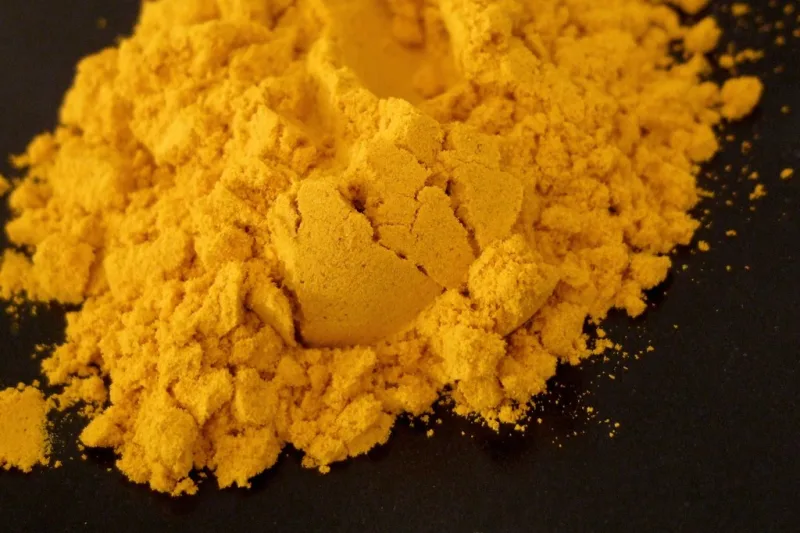
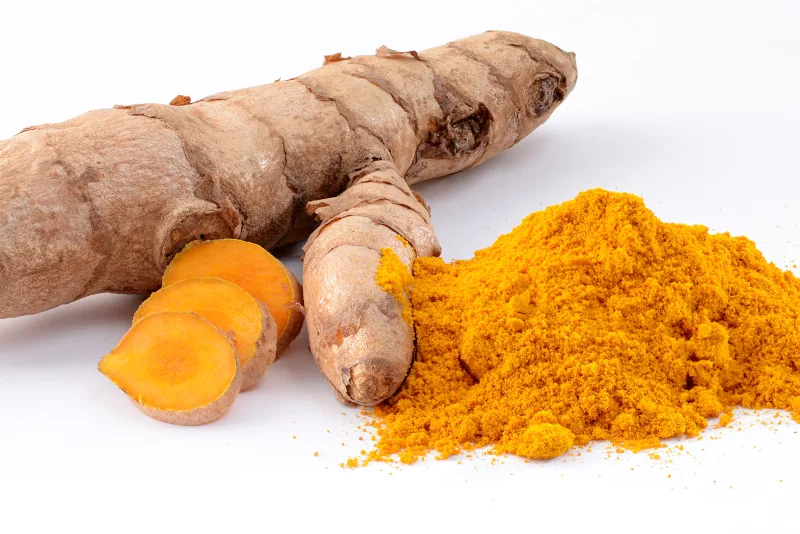
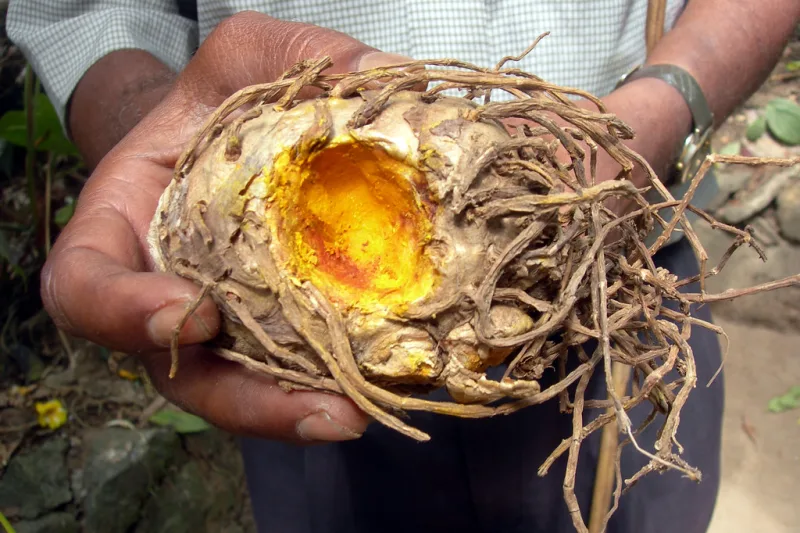
The main ingredient is turmeric, the orange-yellow rhizome of Curcuma longa, a relative of ginger. Its color and much of its effect come from curcuminoids, especially curcumin. Curcumin’s problem is bioavailability: it barely dissolves in water, is poorly absorbed from the gut and is quickly metabolized by the liver. The golden milk recipe intuitively solves part of this problem.
Why each ingredient matters
| Ingredient | Active compound | Role in the recipe | Amount per cup |
|---|---|---|---|
| Turmeric | curcumin | antioxidant, anti-inflammatory | 1 teaspoon (3 g) |
| Black pepper | piperine | slows curcumin breakdown | 1 pinch (¼ teaspoon) |
| Fat (whole milk, ghee, coconut oil) | - | dissolves fat-soluble curcumin | ½ teaspoon + milk fat |
| Ginger | gingerols | digestive, anti-nausea, warming | ¼ teaspoon powder or 2 cm fresh |
| Cinnamon | cinnamaldehyde | sweetness without sugar | ¼ teaspoon |
| Honey (optional) | - | taste | 1 teaspoon, after cooling |
The classic study cited for the turmeric-pepper combination (Shoba and colleagues, 1998) showed that 20 mg of piperine increased curcumin bioavailability in humans by about 20 times. Golden milk uses smaller amounts, but the principle holds.
Benefits: what to realistically expect
Anti-inflammatory effects and joints
Curcumin is one of the most studied natural compounds. Reviews and meta-analyses of clinical trials suggest that standardized curcumin extracts (usually 500-1,500 mg of curcuminoids a day) can reduce pain in knee osteoarthritis, with an effect comparable in some studies to common anti-inflammatory drugs. A cup of golden milk, however, provides 10-20 times less curcumin. It can be part of an anti-inflammatory diet, not a substitute for treatment. More on turmeric as a food in our article on turmeric.
Digestion
Turmeric, ginger and cinnamon are traditionally used for digestion, bloating and nausea. Ginger has the best evidence for nausea. A warm cup after dinner may bring digestive comfort, provided you do not have reflux.
Sleep and relaxation
There is no evidence that turmeric is sedative. The calming effect comes from the ritual: a warm, caffeine-free drink at the same time each evening signals to your body that sleep is coming. Milk adds tryptophan, but only modestly.
Colds and immunity
In India, golden milk is a traditional cold remedy. The warm drink soothes the throat and the spices are antioxidant, but no studies show that golden milk prevents or shortens colds.
Antioxidant
Curcumin, gingerols and cinnamon polyphenols have antioxidant activity. Regularly eating colorful spices is part of dietary patterns associated with better health, such as Mediterranean and traditional Indian diets.
Classic golden milk recipe (1 cup)
Ingredients: 250 ml milk (whole cow’s milk or plant-based), 1 teaspoon turmeric powder, ¼ teaspoon ground ginger (or 2 cm grated fresh ginger), ¼ teaspoon cinnamon, 1 pinch freshly ground black pepper, ½ teaspoon ghee or coconut oil, optionally 1 teaspoon honey and 1 crushed cardamom pod.
- Put the milk in a small saucepan with all the spices and the fat.
- Heat on low, whisking constantly, until it starts to simmer gently.
- Simmer softly for 5 minutes (a short simmer helps disperse the curcumin and mellows the raw taste of turmeric).
- Strain through a fine sieve if you used fresh ginger or cardamom.
- Let it cool to about 40°C, then add the honey.
- Drink warm, ideally in the evening or after a meal.
Plant-based version: oat and almond drinks work very well; coconut milk gives the creamiest texture and already contains fat. Fat-free plant drinks definitely need ½ teaspoon of oil.
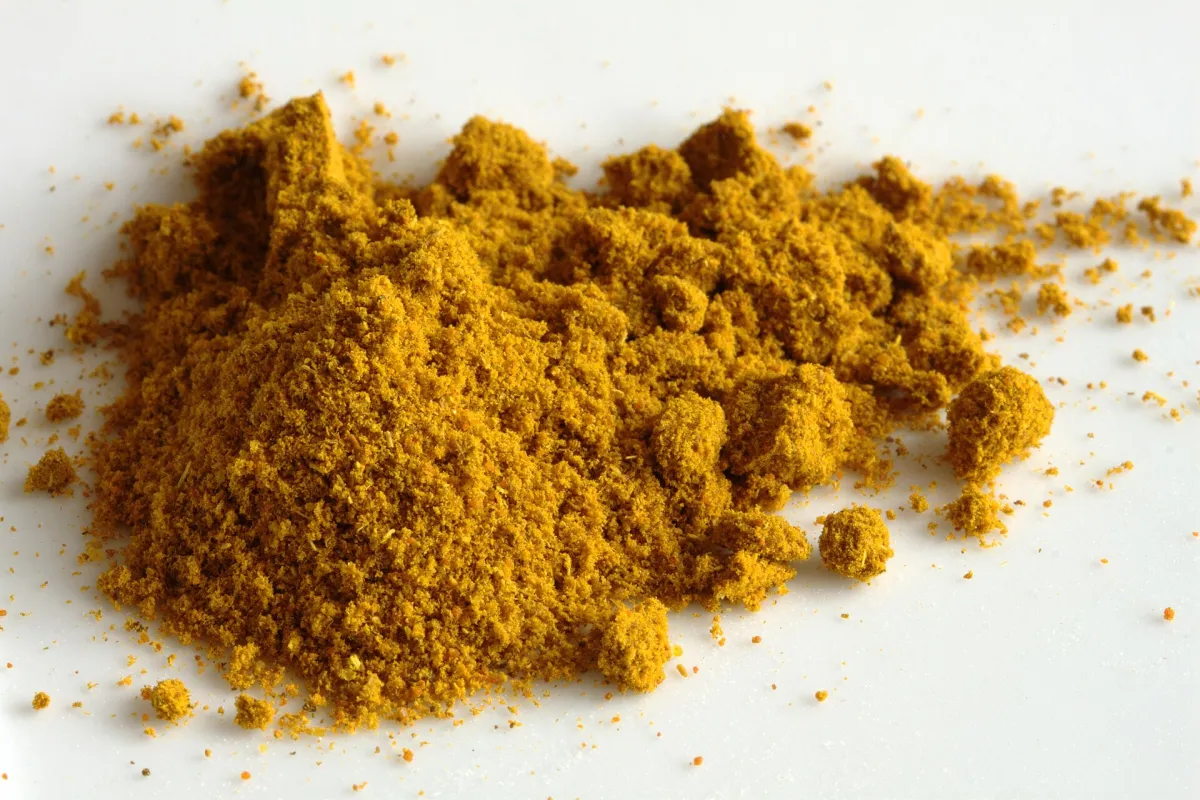
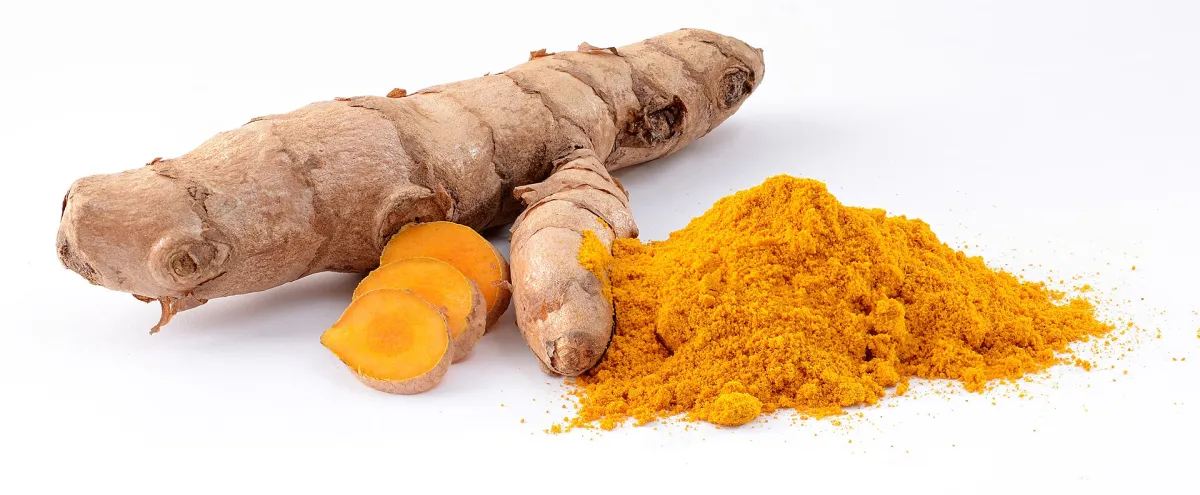 Photo: Simon A. Eugster, CC BY-SA 3.0, via Wikimedia Commons
Golden paste (for 7-10 cups)
If you drink golden milk often, make a concentrated paste:
- In a small pan, mix 50 g turmeric powder with 120 ml water.
- Simmer on low for 5-8 minutes, stirring, until it forms a thick paste.
- Add 1½ teaspoons ground black pepper and 60 ml coconut oil or olive oil.
- Mix well, let it cool and transfer to a jar.
- Keep in the fridge for up to 2 weeks.
For one cup, heat 250 ml milk with 1 teaspoon of paste and add ginger and cinnamon to taste.
Dosage guide
| Situation | Amount | Frequency |
|---|---|---|
| Healthy adult | 1 cup (1 teaspoon turmeric) | once a day |
| Reasonable maximum for adults | 2 cups | per day, not permanently |
| Children over 3 | ½ cup, ¼ teaspoon turmeric, no pepper | occasionally |
| Pregnancy and breastfeeding | ½-1 cup | occasionally, culinary amounts |
Turmeric as a food is considered safe. The European Food Safety Authority (EFSA) has set an acceptable daily intake for curcumin used as a food additive of 3 mg per kilogram of body weight, roughly 180-210 mg for an adult. Two cups of golden milk fall within this range.
Contraindications and interactions
- Gallstones or bile duct obstruction: turmeric stimulates gallbladder contraction. With gallstones, it may trigger colic.
- Anticoagulants and antiplatelet drugs (warfarin, clopidogrel, daily aspirin): curcumin has a mild antiplatelet effect. Talk to your doctor before daily use and stop it 2 weeks before surgery.
- Reflux and ulcers: turmeric, pepper and ginger can worsen heartburn. See also our article on heartburn.
- Iron-deficiency anemia: curcumin binds iron and may reduce its absorption; do not drink golden milk at the same time as an iron supplement.
- Diabetes: curcumin may slightly lower blood sugar; monitor your levels if you take medication.
- Drugs metabolized by the liver: piperine affects liver enzymes and can change the levels of some medications. If you take long-term treatment, ask your pharmacist.
- Kidney stones: turmeric contains oxalates; people with calcium oxalate stones should not overdo it.
- Lactose intolerance or milk protein allergy: use a plant-based drink.
- Supplements: rare cases of liver injury have been reported after high-bioavailability curcumin supplements, not after turmeric in food. Do not turn golden milk into a “cure” with added capsules.
When to see a doctor
- Joint pain with swelling, redness and warmth, or fever.
- Pain in the upper right abdomen, especially after fatty meals, or yellowing of the skin and eyes.
- Unusual bruising, bleeding gums or black stools.
- Insomnia lasting more than 3 weeks and affecting your daytime life.
Common mistakes
- No pepper and no fat. Curcumin is very poorly absorbed; both are a must.
- Adding honey to boiling milk. Enzymes and aroma are lost; add it below 40°C.
- Too much turmeric. Beyond 1-2 teaspoons per cup, the taste turns bitter and earthy and may irritate the stomach.
- Expecting a medicine. Golden milk does not replace treatment for osteoarthritis, diabetes or inflammatory diseases.
- Stains on clothes and countertops. Curcumin stains strongly; clean immediately with baking soda and leave in the sun.
- Mixing it with iron supplements. Keep them at least 2 hours apart.
Conclusion
Golden milk is a warm, beautiful and healthy drink that brings turmeric, ginger, cinnamon and pepper together in one cup. Made correctly, with fat and pepper, it is a pleasant way to consume these spices regularly and an evening ritual that helps you unwind. It is not an anti-inflammatory cure, though: the curcumin doses in studies are much higher. Enjoy one cup a day and keep the contraindications in mind. If you prefer a milk-free option, try turmeric tea; if you want to cook with the same spices, read about garam masala.
Frequently asked questions
When is the best time to drink golden milk? In the evening, 1-2 hours before bed, or after your main meal. It contains no caffeine, so it does not affect sleep. If you have reflux, avoid it right before lying down.
Can I drink golden milk every day? Yes, one cup a day is a reasonable amount for most healthy adults. If you have gallstones, take anticoagulants or have other chronic conditions, ask your doctor.
Why add black pepper to golden milk? Piperine slows the breakdown of curcumin in the liver and gut, increasing the amount that reaches the blood. A pinch is enough and you will not taste it.
Can I use fresh turmeric instead of powder? Yes. Use about 2-3 cm of grated fresh rhizome per cup and strain the drink. Be warned: fresh turmeric stains your hands strongly.
Does golden milk help with weight loss? Not directly. It is a drink with calories (from milk and honey). It can replace an evening dessert, which helps indirectly, but it does not “burn” fat.
Can I give golden milk to children? Children over 3 can occasionally have half a cup, with a little turmeric and no pepper. Honey is not given to babies under 1. If your child has a chronic condition or takes medication, ask your pediatrician.
Is golden milk safe during pregnancy? Culinary amounts of turmeric are considered safe during pregnancy. Avoid curcumin supplements and excessive intake, and if you have reflux, which is common in pregnancy, you may not tolerate it.
Sources and further reading
- Shoba G. et al., Planta Medica (1998): influence of piperine on the pharmacokinetics of curcumin in animals and humans.
- NCCIH (National Center for Complementary and Integrative Health): turmeric fact sheet on efficacy and safety.
- EFSA: evaluation of curcumin (E 100) as a food additive and its acceptable daily intake.
- PubMed: meta-analyses on curcumin in knee osteoarthritis.
Informational content only. It does not replace advice from your doctor or pharmacist.