Close-up of cinnamon sticks dusted with cinnamon powder

Cinnamon: Benefits, Blood Sugar, Antioxidants and How to Use It

Cinnamon: Benefits, Blood Sugar, Antioxidants and How to Use It IMPORTANT: Cinnamon is a beloved and safe spice in the amounts normally used in cooking. However, common cinnamon (the Cassia type) contains a compound called coumarin, which in large quantities can stress the liver. People taking diabetes medication, blood thinners (such as warfarin), or who have liver conditions should talk to their doctor before consuming cinnamon in therapeutic amounts. Pregnant and breastfeeding women should use it only in normal culinary quantities, not as concentrated supplements. Cinnamon never replaces prescribed treatment for diabetes or any other illness — consult your doctor. ...
February 11, 2025 · 12 min · Leacuri.ro
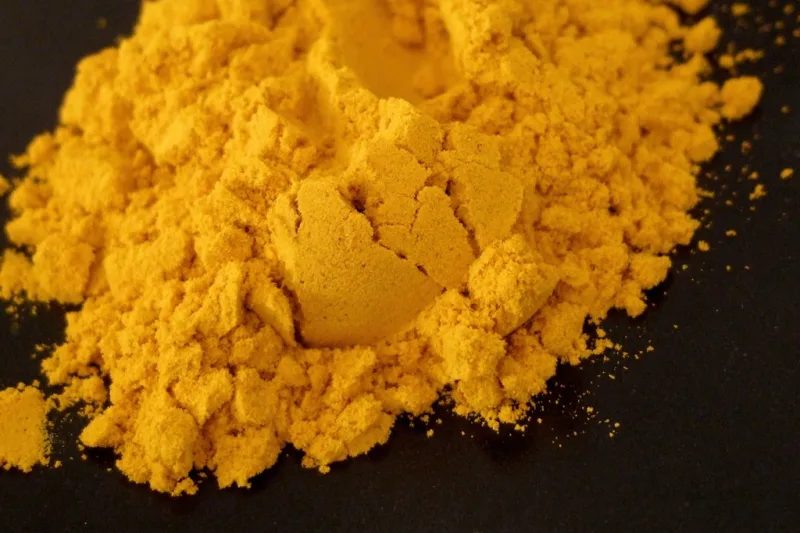
Golden-yellow turmeric powder, an anti-inflammatory spice

Turmeric Spice: The Golden Anti-inflammatory and How to Use It

Turmeric Spice: The Golden Anti-inflammatory and How to Use It IMPORTANT: Turmeric is generally safe when used as a culinary spice in ordinary kitchen amounts. In large doses, in the form of concentrated supplements, it may interact with blood-thinning medications (such as warfarin or aspirin), may enhance the effect of diabetes medications, and may irritate the stomach in people with reflux or ulcers. People with gallstones or a blocked bile duct should avoid it, because turmeric stimulates bile secretion. Pregnant or breastfeeding women should not take turmeric in medicinal amounts, only as a flavoring in food. If you take chronic medications, are facing surgery, or have a liver or kidney condition, consult your doctor before using turmeric therapeutically. This article is informative in nature and does not replace medical advice. ...

November 25, 2024 · 15 min · Leacuri.ro
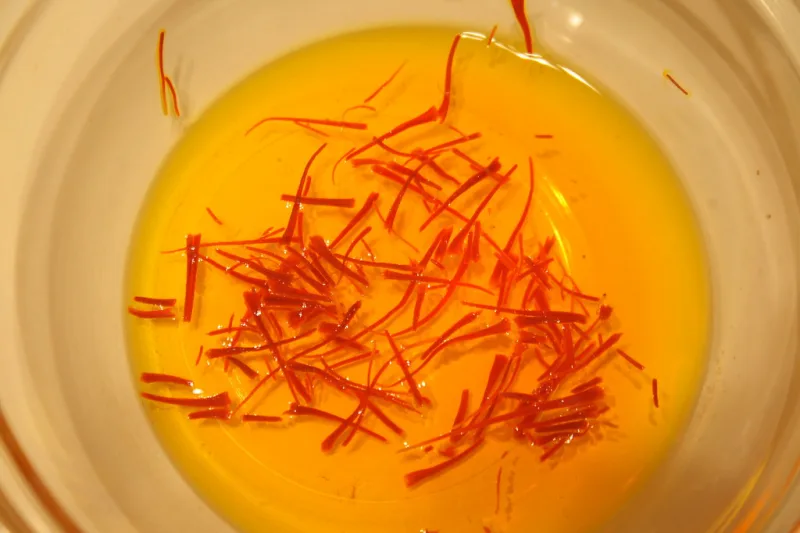
Red saffron threads steeping in a bowl of golden water

Saffron: Benefits, Uses and How to Use the World's Most Expensive Spice

Saffron: Benefits, Uses and How to Use the World’s Most Expensive Spice IMPORTANT: Saffron is safe in the small amounts used in cooking (a pinch, a few threads). Large doses, above 1.5 grams per day, can become toxic, and amounts over 5 grams are considered dangerous. Pregnant women should avoid large quantities of saffron, as folk tradition and some observations associate it with uterine stimulation. People taking antidepressants or blood thinners, or those with bipolar disorder, should consult a doctor before using saffron as a supplement. This article is for informational purposes and does not replace the advice of a doctor or pharmacist. ...

November 18, 2024 · 14 min · Leacuri.ro
Golden yellow curry powder in a wooden bowl, surrounded by spices

Curry Powder: Anti-Inflammatory Benefits, Uses and How to Use It

Curry Powder: Anti-Inflammatory Benefits, Uses and How to Use It IMPORTANT: Curry powder is a safe culinary spice for most people when used in ordinary cooking amounts. However, because many blends contain turmeric rich in curcumin, caution is needed in a few situations. People taking blood-thinning medications (such as warfarin or aspirin) should talk to their doctor, as turmeric may influence blood clotting. Those with gallstones or bile duct obstruction should avoid consuming it in large amounts, since turmeric stimulates bile secretion. Pregnant or breastfeeding women may use curry as a food in their meals, but should avoid concentrated curcumin supplements without medical advice. The chili in some blends can irritate the stomach of people with gastritis, ulcers or reflux. If you notice allergies, itching or digestive upset after eating it, stop using it and consult a doctor. Curry powder is not a substitute for medical treatment — it is a spice that accompanies a balanced diet. ...

October 21, 2024 · 13 min · Leacuri.ro
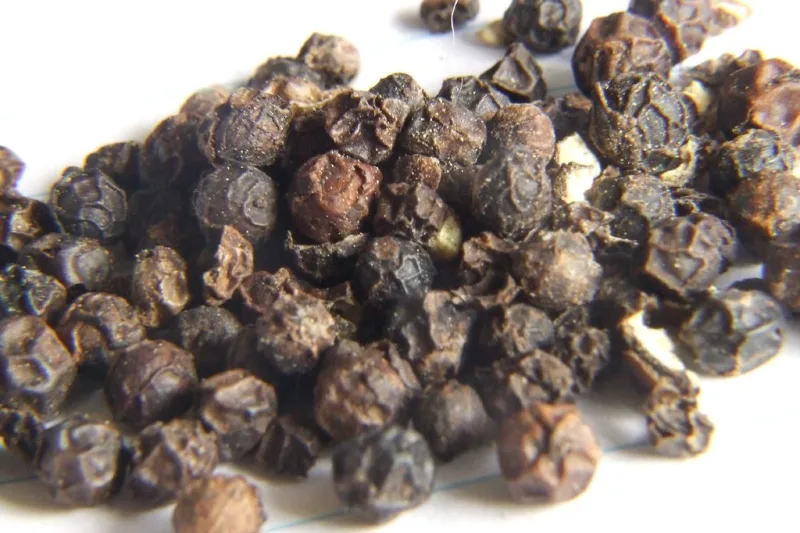
Fresh black peppercorns seen in close-up

Black Pepper: Benefits, Piperine and How to Use It Correctly

Black Pepper: Benefits, Piperine and How to Use It Correctly IMPORTANT: Although black pepper is a safe spice in the amounts normally used in cooking, consuming it in large doses (concentrated piperine supplements) may interact with certain medications, because piperine alters the way the liver metabolizes substances. People taking anticoagulants, blood-pressure medication, antidiabetics, antiepileptics, or undergoing cancer treatment should talk to their doctor before using supplements. In normal culinary amounts, pepper poses no risk for most people. Those with an active ulcer, severe gastritis, or strong reflux may feel some irritation and should moderate the amount. Consult your doctor if you have chronic conditions or are breastfeeding. ...

October 17, 2024 · 12 min · Leacuri.ro
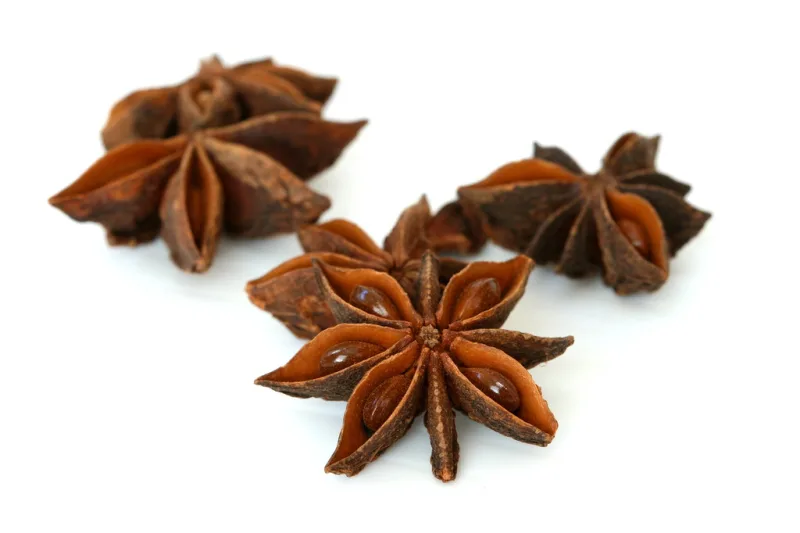
Star anise pieces on a white background, an aromatic spice used for digestion and breathing

Anise: Benefits, Uses and How to Use It for Digestion and Breathing

Anise: Benefits, Uses and How to Use It for Digestion and Breathing IMPORTANT: Anise is generally well tolerated when used in moderation, like the pinch in a cake or the cup of tea after a meal. However, people allergic to plants in the Apiaceae family (dill, fennel, caraway, celery, carrot) may also react to green anise. Pregnant and breastfeeding women should limit anise to the usual amounts found in food and avoid concentrated essential oil or large doses of tea, because of its possible estrogen-like effect. Anise essential oil should NEVER be taken internally without the guidance of a specialist and should not be given to small children. Culinary star anise (Illicium verum) must not be confused with Japanese star anise (Illicium anisatum), which is toxic. If you are on medication or have a chronic condition, talk to your doctor before using anise for therapeutic purposes. ...

October 14, 2024 · 13 min · Leacuri.ro
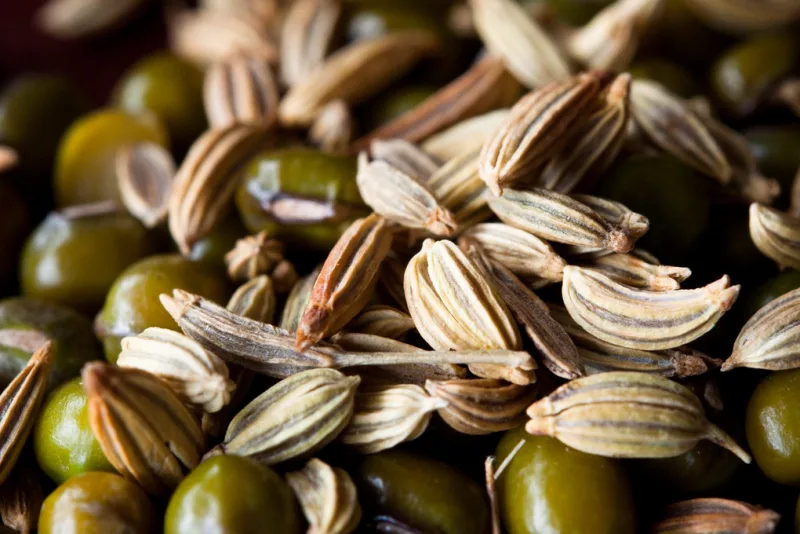
Fennel seeds in a wooden spoon on a rustic table

Fennel Seeds: Benefits, Uses and How to Use Them

Fennel Seeds: Benefits, Uses and How to Use Them IMPORTANT: Fennel is generally well tolerated, but it is not without precautions. People allergic to plants in the Apiaceae family (carrot, celery, dill, anise, cumin) may also react to fennel. In large amounts, fennel essential oil contains estragole and anethole, compounds that in concentrated doses over long periods are not recommended; pure essential oil should NOT be ingested without professional guidance. Pregnant women should avoid medicinal doses (concentrated teas, tinctures, essential oil), since fennel has mild estrogen-like and uterine-stimulating effects; normal culinary use is, however, considered safe. People with hormone-sensitive conditions (certain forms of breast cancer, endometriosis) should talk to their doctor before using fennel therapeutically. For infants, fennel tea for colic should be given only well diluted, in small amounts, and ideally after consulting a pediatrician. This article is for informational purposes and does not replace medical advice. ...

October 12, 2024 · 12 min · Leacuri.ro
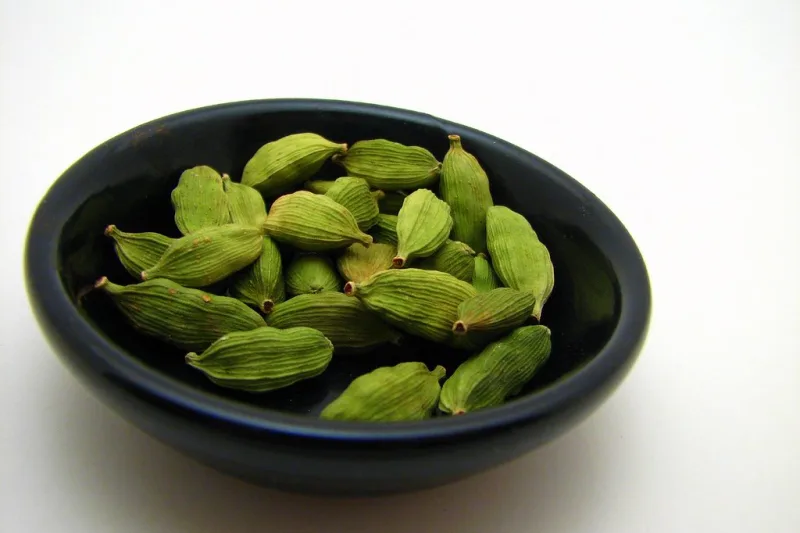
Green cardamom pods in a black ceramic bowl

Cardamom: Benefits for Digestion and Breathing, Uses and How to Use It

Cardamom: Benefits for Digestion and Breathing, Uses and How to Use It IMPORTANT: Cardamom is generally safe when used as a spice in the usual culinary amounts. However, in medicinal quantities (concentrated teas, extracts, supplements) it is wise to be cautious. People who suffer from gallstones should avoid large amounts, because cardamom can stimulate gallbladder contraction. Pregnant or breastfeeding women should limit themselves to culinary amounts and avoid therapeutic doses without medical advice. Cardamom may interact with anticoagulant medications and with blood-sugar-control drugs, so diabetics and those on blood-thinning treatment should consult their doctor. Some sensitive individuals may experience an allergic reaction. This article is for informational purposes and does not replace medical advice. ...

October 8, 2024 · 12 min · Leacuri.ro
Dried bay leaves, laurel leaves used as a spice and a traditional remedy for digestion

Bay Leaves: Benefits, Uses and How to Use Them for Digestion

Bay Leaves: Benefits, Uses and How to Use Them for Digestion IMPORTANT: Bay leaves are safe in the ordinary amounts used in cooking, but as a concentrated remedy (teas, strong infusions, oil) they call for caution. Pregnant and breastfeeding women should avoid drinking bay leaf tea in medicinal quantities, as folk tradition associates it with uterine stimulation. People with diabetes who take blood-sugar-lowering medication should be careful, since bay leaf may intensify the drop in blood glucose. Also, the whole leaf should never be swallowed — its edges remain hard and sharp even after boiling and can scratch or pierce the digestive tract. If you are on medication, suffer from kidney or liver conditions, or have surgery scheduled, talk to your doctor before using bay leaf as a remedy. Bay leaf does not replace a medical diagnosis or treatment. ...

September 18, 2024 · 13 min · Leacuri.ro
Close-up of a dried clove, the aromatic spice used for teeth and digestion

Cloves: Benefits, Uses and How to Use Them for Digestion and Teeth

Cloves: Benefits, Uses and How to Use Them for Digestion and Teeth IMPORTANT: Cloves are very potent and should not be consumed in large amounts. Clove essential oil is extremely concentrated and must NEVER be applied undiluted to the skin or gums, nor swallowed as is — it can cause burns, irritation and, in high doses, liver damage. Pregnant and breastfeeding women should avoid medicinal doses and the essential oil. People taking blood thinners (such as warfarin) should be cautious, because the eugenol in cloves can thin the blood. Cloves are no substitute for dental care: a toothache soothed with cloves often hides an infection that needs professional treatment. Always consult your doctor or dentist before using cloves therapeutically, especially with children. ...

August 18, 2024 · 13 min · Leacuri.ro