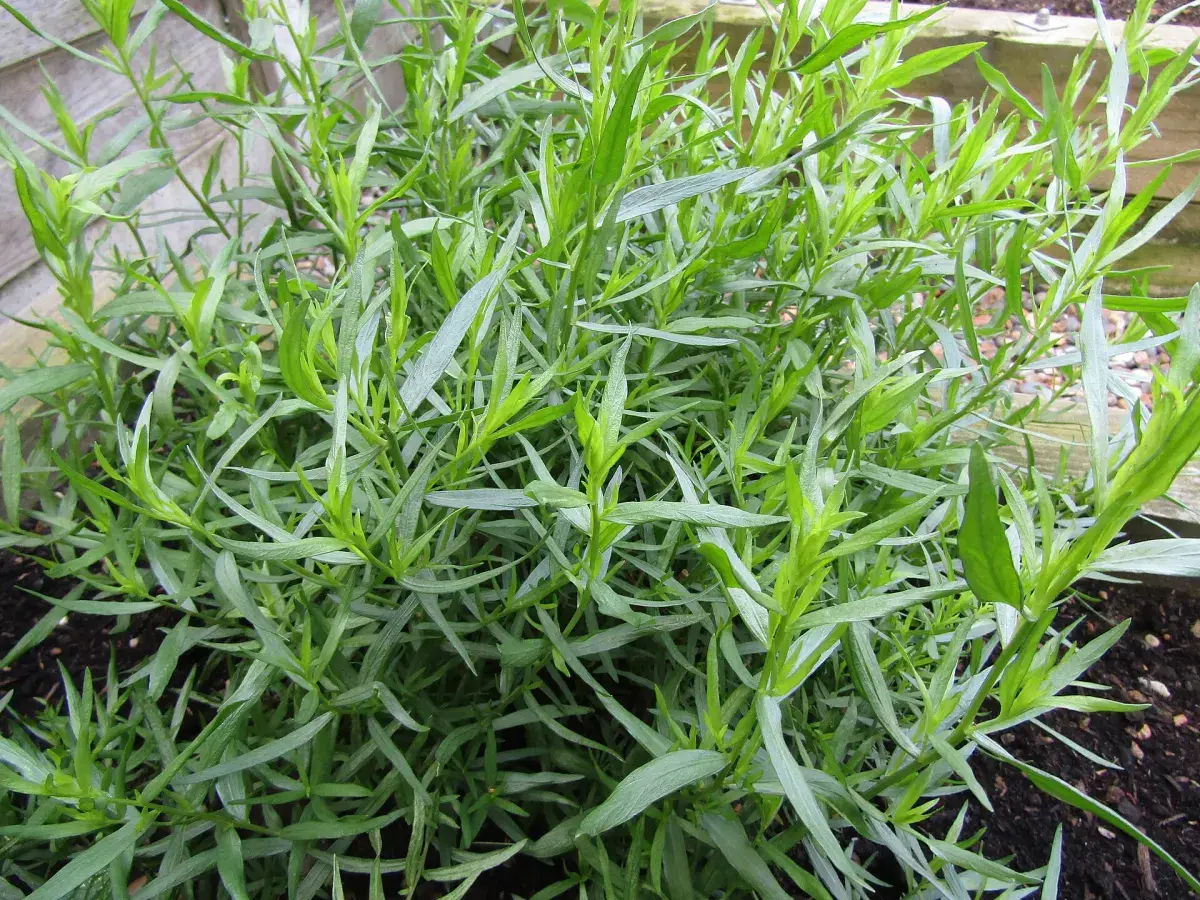
 Photo: Kolforn, CC BY-SA 4.0, via Wikimedia Commons
Tarragon (Artemisia dracunculus) is an aromatic herb with narrow leaves and a sweet, anise-like flavor, used in Transylvanian tarragon soup, flavored vinegar and French sauces. Traditionally it stimulates appetite and helps digestion, and a few lab and animal studies suggest effects on blood sugar. As a food it is safe; only the essential oil and concentrated extracts should be avoided during pregnancy and in children because of their estragole content.
In Transylvania, tarragon is almost synonymous with lamb or chicken soup soured with vinegar and thickened with sour cream. The French count it among the “fines herbes” and build béarnaise sauce on it. Here is what we know about its effects, how to cook with it and how to use it as a remedy.
Key takeaways
- The anise aroma comes from estragole (methyl chavicol), the main component of French tarragon essential oil.
- Traditionally it is used for poor appetite, sluggish digestion, bloating and hiccups.
- Russian tarragon is less aromatic; its extracts have been studied for insulin sensitivity, with preliminary results.
- As a tea: 1 teaspoon of dried leaves per 250 ml, 1-2 cups a day, in short courses.
- Precautions: allergy to Asteraceae plants (mugwort, ragweed), pregnancy (culinary amounts only), anticoagulant therapy.
What tarragon is
Tarragon is a perennial in the Asteraceae family, in the same genus as wormwood, but with a completely different taste: instead of bitterness, it has an aromatic sweetness with anise and licorice notes and a faint numbing sensation on the tongue. It grows in clumps 60-120 cm tall, with thin stems and long, narrow, glossy leaves.
There are two main types:
| Type | Aroma | Propagation | Use |
|---|---|---|---|
| French tarragon (A. dracunculus var. sativa) | intense, sweet, anise-like | vegetative only (cuttings, division) | fine cooking, vinegar, sauces |
| Russian tarragon (wild type) | weak, slightly bitter | from seed, very hardy | soups, teas, studied extracts |
If you bought “tarragon” seeds and the plants grew vigorously but tasteless, you most likely have Russian tarragon. True French tarragon does not produce viable seeds.
Active compounds
- Essential oil (0.3-1% in the leaves): in French tarragon dominated by estragole (60-75%), plus ocimene, limonene and methyl eugenol.
- Coumarins: herniarin and scoparone, antispasmodic and mildly anticoagulant in the lab.
- Flavonoids and phenolic acids: antioxidants.
- Polyacetylenes: compounds with antimicrobial activity in lab studies.
Benefits: tradition and evidence
Appetite and digestion
This is the main traditional use. The aromatic, slightly bitter taste stimulates saliva and stomach secretions, which explains why tarragon was used as an “appetite opener” for convalescents and older people. The essential oil is also carminative and helps with bloating. If you often feel overly full after meals, see also indigestion.
Blood sugar
The most studied modern topic is a Russian tarragon extract researched in the US in animals and a few small human studies for improving insulin sensitivity. The results are preliminary and concern a standardized extract, not the leaves in your soup. Tarragon does not replace diabetes treatment, but it can be part of a diet with less salt and more herbs.
Sleep and hiccups
In folk medicine, tarragon tea was drunk in the evening for calmer sleep and for hiccups. A possible explanation is the mild antispasmodic effect of the oil. No clinical studies confirm these uses.
Toothache
Chewing fresh leaves produces a slight numbing sensation, hence the traditional use for toothache. The effect is weak and temporary; a toothache needs a dentist.
Antimicrobial and antioxidant effects
Lab studies show that tarragon oil and extracts inhibit some foodborne bacteria (for example Staphylococcus aureus and E. coli). This explains the usefulness of tarragon vinegar in preserving pickles, not a proven therapeutic effect.
Tarragon in the kitchen
Transylvanian tarragon soup (4-6 servings)
- Simmer 600-800 g lamb, chicken or pork in 2.5 liters of water, skimming well.
- Add 1 onion, 1 carrot, 1 parsley root and 1 bell pepper, finely chopped, and cook until soft.
- Separately, whisk 200 g sour cream with 2 egg yolks and 1 tablespoon of flour.
- Temper it with a ladle of hot soup, then pour it into the pot and bring to a single boil.
- Sour with 3-4 tablespoons of tarragon vinegar or lemon juice.
- Turn off the heat and add 2 tablespoons of fresh chopped tarragon (or 1 tablespoon of tarragon preserved in vinegar).
Tarragon vinegar
Put 4-5 sprigs of fresh tarragon, washed and thoroughly dried, into a 500 ml bottle. Fill with white wine vinegar and leave in the dark for 2-3 weeks. Use it in soups, salads and mayonnaise.
Other uses
- Béarnaise sauce: tarragon is the essential aromatic, along with shallot and vinegar.
- Tarragon mustard: 1 teaspoon chopped tarragon per 3 tablespoons Dijon mustard.
- Roast chicken: 2 tablespoons fresh tarragon with butter and garlic under the skin.
- Omelets and egg salad: tarragon pairs beautifully with eggs.
- Pickles: a sprig in a jar of cucumbers or green tomatoes.
Dried tarragon loses much of its aroma; preserved in vinegar or frozen, it keeps its flavor far better.
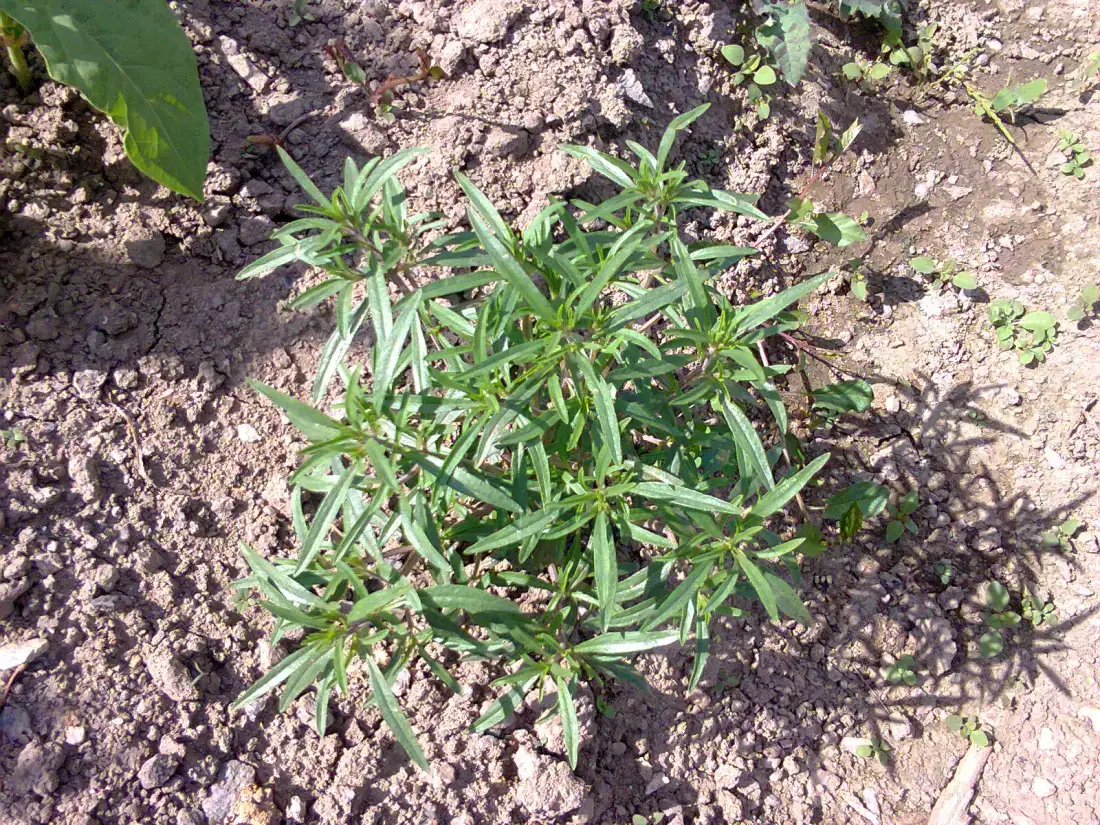 Photo: DenesFeri, CC BY-SA 4.0, via Wikimedia Commons
Simple remedies for adults
Tarragon tea for digestion and appetite
- Place 1 teaspoon of dried leaves (about 1-1.5 g) or 1 tablespoon of chopped fresh leaves in a mug.
- Pour over 250 ml boiling water.
- Cover and steep for 5-10 minutes.
- Drink 20-30 minutes before a meal (for appetite) or after a meal (for bloating).
Evening tea with tarragon and chamomile
Mix ½ teaspoon of dried tarragon with 1 teaspoon of chamomile flowers. Steep covered for 10 minutes in 250 ml boiling water and drink an hour before bed.
Dosage guide
| Form | Adult dose | Frequency | Notes |
|---|---|---|---|
| Fresh leaves, culinary | 1-2 tablespoons / family dish | as food | safe |
| Dried leaves, tea | 1-1.5 g / 250 ml | 1-2 cups a day | courses up to 2 weeks |
| Tarragon vinegar | 1-2 tablespoons / serving | as food | safe |
| Essential oil | do not swallow | - | not in pregnancy, not for children |
Contraindications and interactions
- Estragole: in animal studies, isolated estragole at very high doses had genotoxic effects. The EMA’s Committee on Herbal Medicinal Products recommends limiting exposure to estragole-rich herbal medicines, especially for children and pregnant or breastfeeding women. Food amounts are not considered a problem; essential oil and concentrated extracts are.
- Pregnancy and breastfeeding: use tarragon in cooking only. Do not drink daily teas or use the oil.
- Asteraceae allergy: people allergic to mugwort, ragweed, chamomile or sunflower may react.
- Anticoagulants: coumarins and some extracts have inhibited platelet aggregation in the lab. At culinary doses the risk is low, but avoid tea courses if you take warfarin or other anticoagulants and stop them 2 weeks before surgery.
- Diabetes: if you use tarragon extracts, monitor your blood sugar.
- Children: food only, no regular medicinal teas and never essential oil.
When to see a doctor
- Loss of appetite lasting more than 2 weeks or accompanied by weight loss.
- Bloating with severe pain, vomiting, blood in the stool or fever.
- Hiccups lasting more than 48 hours.
- Itching, hives or swollen lips after eating tarragon.
Common mistakes
- Boiling tarragon from the start. The volatile aroma disappears; add it at the end, like lovage.
- Buying “French” tarragon seeds. True French tarragon does not set seed; buy it as a potted plant.
- Old dried tarragon. Without an anise smell, it has neither flavor nor effect.
- Essential oil “for digestion”. It is concentrated and rich in estragole; do not swallow it.
- Confusing it with other Artemisia species. Wormwood and mugwort are bitter medicinal plants with different uses and risks.
- Too much tarragon in the soup. The taste turns medicinal; 2 tablespoons per large pot are enough.
Conclusion
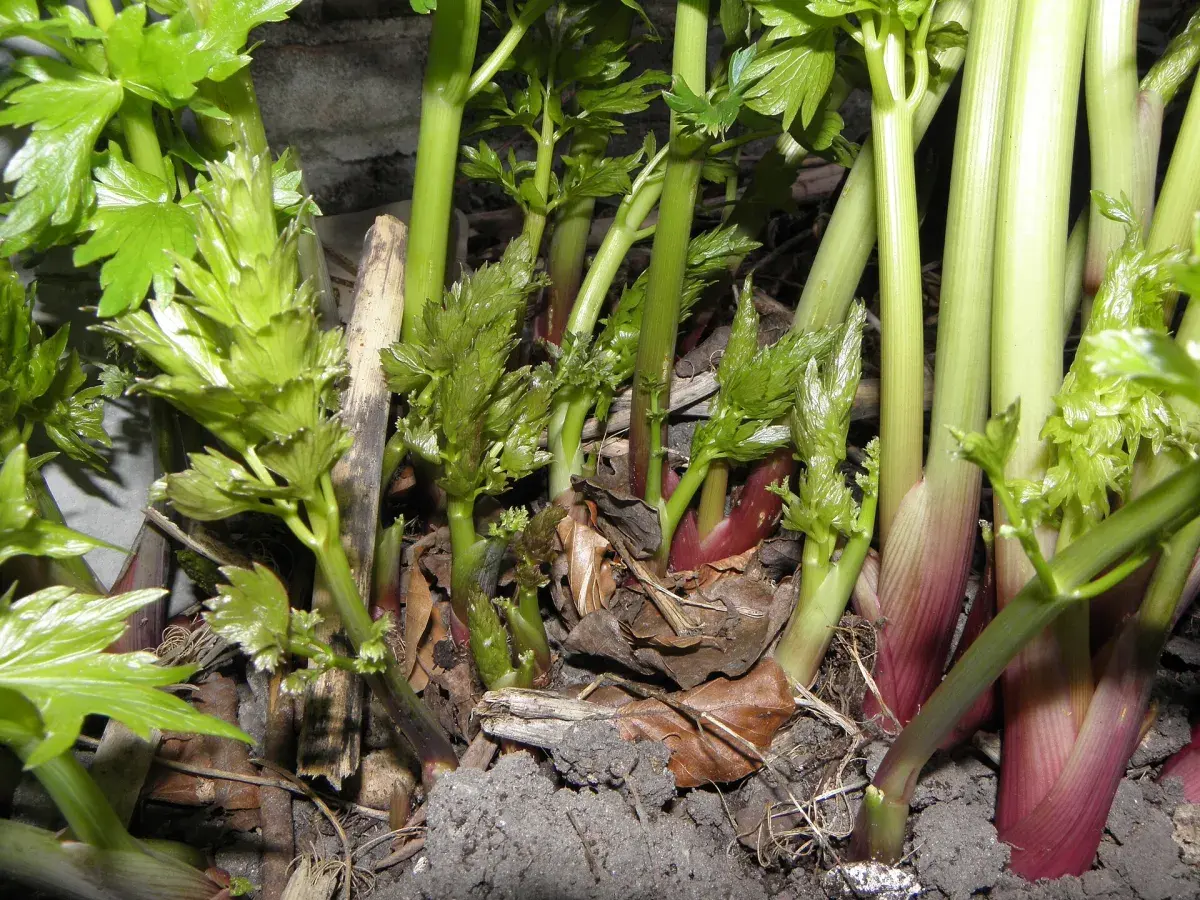
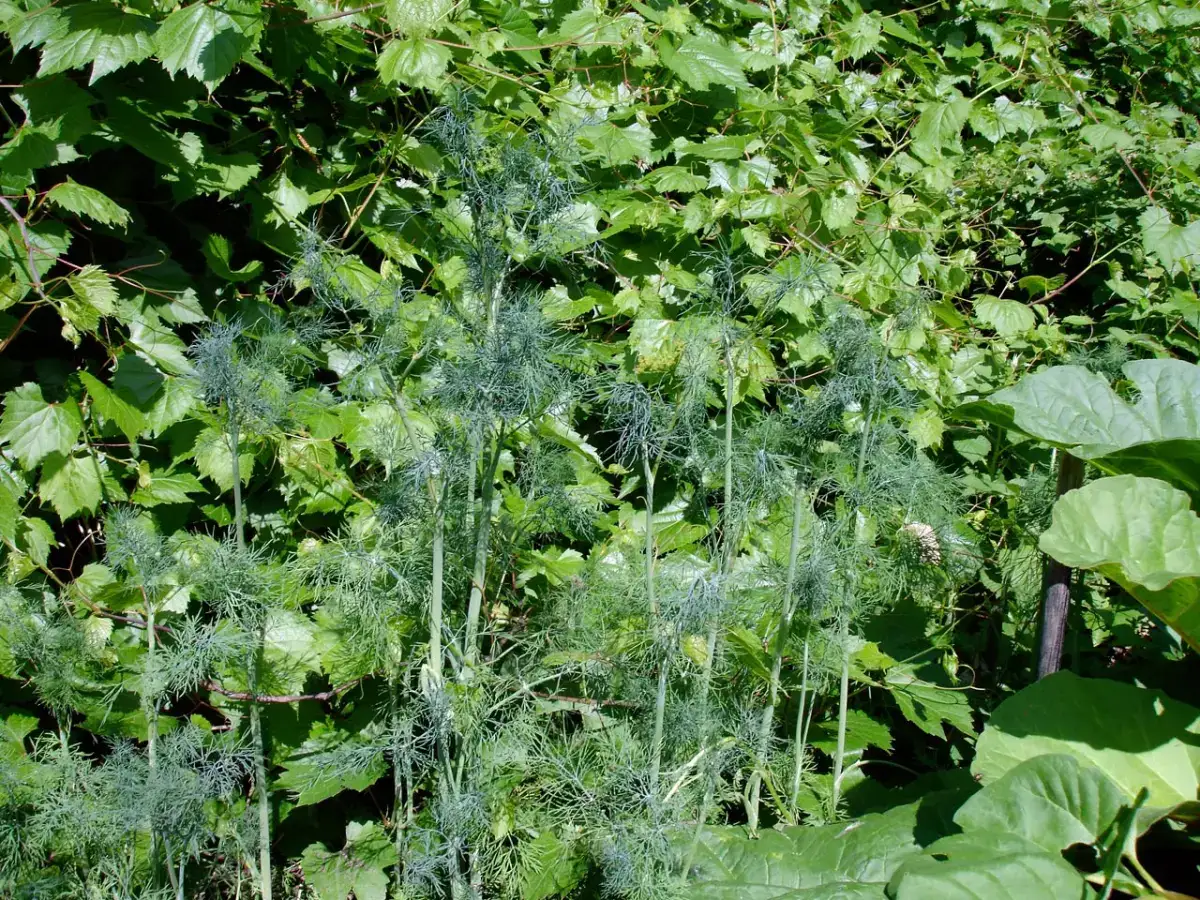
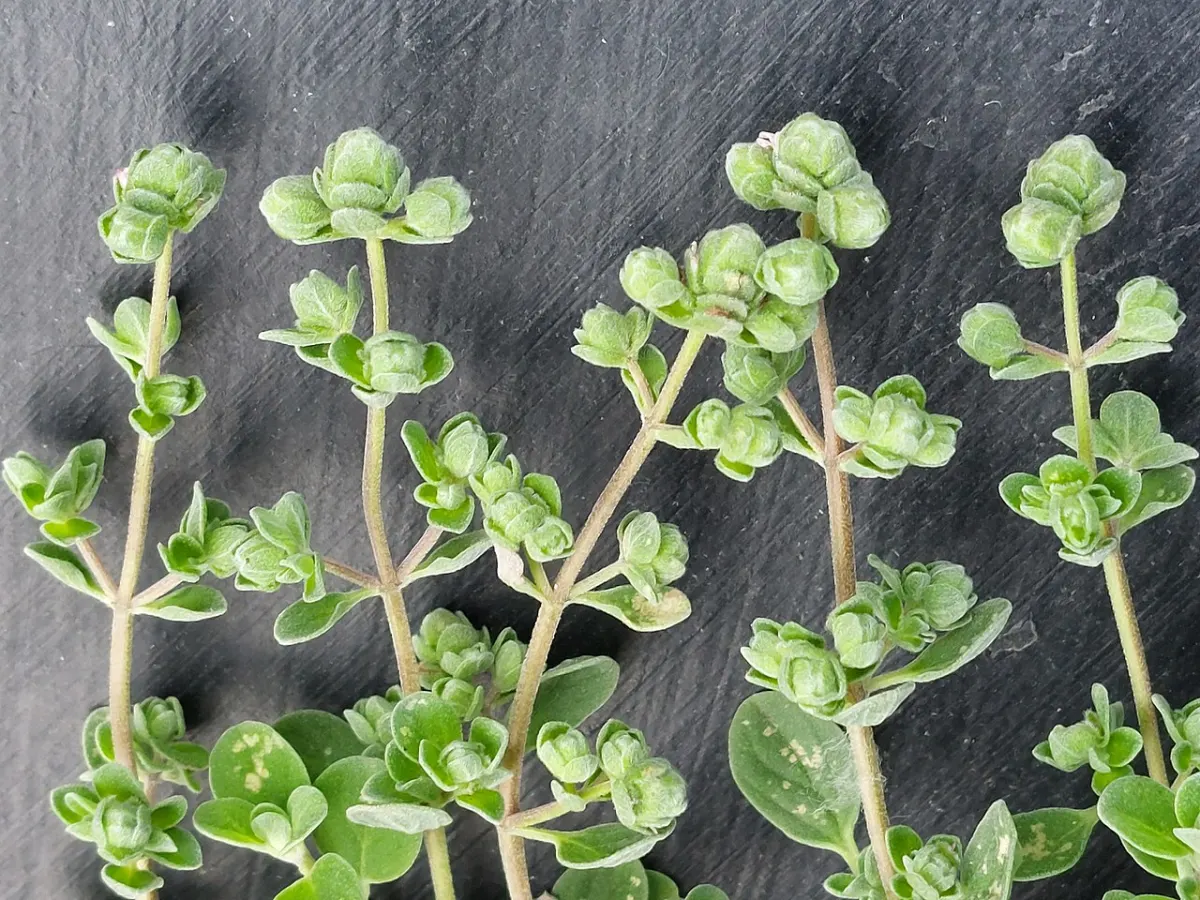
Tarragon is a treasure of Transylvanian and French cooking: it brings aroma, helps digestion and stimulates appetite, with a long history of traditional use. Modern blood sugar data are interesting but still preliminary. Use it freely in the kitchen, keep teas for short courses, and avoid the essential oil and concentrated extracts during pregnancy and for children. For other herbs that make soups easier to digest, read about lovage and dill, and for another everyday aromatic herb, about marjoram.
Frequently asked questions
What does tarragon taste like? It has a sweet, aromatic taste of anise and licorice with a faint numbing sensation on the tongue. Russian tarragon is much weaker.
Can I use dried tarragon in soup? Yes, but it is less aromatic. Tarragon preserved in vinegar or frozen works better. Add it at the end either way.
Is tarragon dangerous because of estragole? In culinary amounts it is not considered dangerous. The precautions concern essential oil and concentrated extracts consumed frequently, especially by children and during pregnancy.
Does tarragon tea help with diabetes? Some studies on Russian tarragon extracts showed effects on insulin sensitivity, but they are preliminary. The tea does not replace treatment, and you should not change your medication without your doctor.
Can I eat tarragon during pregnancy? Yes, in normal food amounts. Avoid daily teas, supplements and essential oil.
How do I propagate tarragon in the garden? French tarragon is propagated by dividing the clump in spring or by cuttings. It likes well-drained soil and sun; rejuvenate the clump every 3-4 years.
Are tarragon and wormwood the same plant? No. They belong to the same genus, Artemisia, but wormwood is very bitter and has different uses and risks. Tarragon is a culinary herb.
Sources and further reading
- European Medicines Agency (HMPC): Public statement on the use of herbal medicinal products containing estragole.
- PubMed: reviews on Artemisia dracunculus: chemical composition, antimicrobial activity and insulin sensitivity studies.
- Obolskiy D. et al., Journal of Agricultural and Food Chemistry (2011): review of the phytochemistry and pharmacology of tarragon.
Informational content only. It does not replace advice from your doctor or pharmacist.