
Turmeric Spice: The Golden Anti-inflammatory and How to Use It
IMPORTANT: Turmeric is generally safe when used as a culinary spice in ordinary kitchen amounts. In large doses, in the form of concentrated supplements, it may interact with blood-thinning medications (such as warfarin or aspirin), may enhance the effect of diabetes medications, and may irritate the stomach in people with reflux or ulcers. People with gallstones or a blocked bile duct should avoid it, because turmeric stimulates bile secretion. Pregnant or breastfeeding women should not take turmeric in medicinal amounts, only as a flavoring in food. If you take chronic medications, are facing surgery, or have a liver or kidney condition, consult your doctor before using turmeric therapeutically. This article is informative in nature and does not replace medical advice.
Grandmother Ileana, from a village at the foot of the hills, kept an old tin jar, rusty at the corners, in which she stored a yellow-orange powder she fondly called “the gold of the kitchen.” Whenever one of her grandchildren complained of aching joints or a cold that just wouldn’t go away, she would heat up a cup of milk, sprinkle in a pinch of that golden powder, add a drop of honey and a touch of pepper, and place the warm cup in our hands. “Drink it slowly, let it warm your bones,” she would say. Back then, none of us knew that what grandmother was making was a tradition thousands of years old, brought from India and spread around the world under the name “golden milk.”
Much later, when I began reading about plants and spices, I discovered that the powder in that rusty jar was turmeric, a spice prized in many cultures for its color, similar to that of saffron. Grandmother had no access to scientific articles, but the tradition she had inherited said the same thing that more and more researchers repeat today: turmeric is one of the most appreciated anti-inflammatory spices in the world.
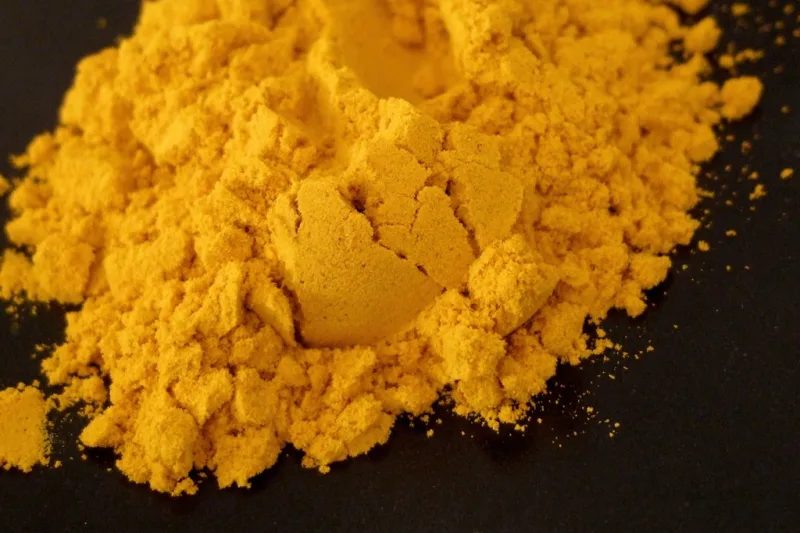
Turmeric (Curcuma longa) is a plant in the ginger family, native to Southeast Asia, more precisely the region of India and Indonesia. The spice itself is obtained from the rhizome (the thickened root) of the plant, which is boiled, dried, and then ground into a fine powder of intense yellow-orange color. This strong color comes from a pigment called curcumin, which is also the main compound responsible for its health benefits. In India, turmeric has been used for over 4,000 years both in cooking and in traditional Ayurvedic medicine, where it is considered a “warming,” purifying, and balancing spice.
Table of Contents
- What turmeric is and where it comes from
- Composition and active principles
- The health benefits of turmeric
- Traditional uses of turmeric
- How to use turmeric in cooking
- Turmeric recipes: golden milk, tea and paste
- Why black pepper is needed
- Dosage and how to take it
- Lifestyle tips with turmeric
- Practical tips and common mistakes
- Conclusion
- Frequently Asked Questions
What turmeric is and where it comes from
Turmeric is a perennial plant that grows in warm, humid climates. It has large, long leaves of an intense green, and delicate flowers, white-pink in color, that emerge from a central cluster. But the valuable part of the plant is not above ground; it is below: the thick, branched rhizomes, which at first glance resemble those of ginger, but which, when cut open, reveal a flesh of vivid, almost fluorescent orange.
In its countries of origin, fresh turmeric is used just like ginger: grated, sliced, or crushed into food. In our part of the world, we most often find it as a dried powder, sold in sachets or small jars in the spice aisle. The vivid color and warm aroma make it instantly recognizable. Although turmeric and saffron share a golden color, they are completely different spices: saffron comes from the stigmas of the crocus flower and is extremely expensive, whereas turmeric is affordable and is obtained from a root.
Turmeric is the base ingredient of the spice blend known as curry, being largely responsible for its characteristic yellow color. It is also used as a natural food coloring, a healthier alternative to synthetic dyes, lending a golden hue to rice, soups, sauces, and pickles.
Composition and active principles
The absolute star of turmeric is curcumin, a compound from the curcuminoid class, which gives the powder its yellow-orange color and which is intensely studied for its antioxidant and anti-inflammatory properties. Besides curcumin, turmeric also contains two other important curcuminoids, demethoxycurcumin and bisdemethoxycurcumin, as well as volatile oils (turmerone, atlantone, zingiberene) that contribute to its warm, slightly bitter, earthy aroma.
Turmeric also contains small amounts of fiber, minerals such as manganese, iron, potassium, and magnesium, as well as vitamin B6 and vitamin C. It must be said, however, that in the small amounts usually used as a spice, the actual nutritional contribution is modest; turmeric’s value lies more in its bioactive compounds than in calories or macronutrients.
An important thing to know is that, naturally, curcumin is absorbed quite poorly by the body. Studies suggest that its bioavailability increases significantly when it is combined with piperine (the active compound in black pepper) and with a source of fat, which is why in traditional recipes turmeric almost always appears alongside black pepper and a drop of oil or fatty milk. We will return to this below, because it is one of the most useful things you can learn about this spice.
The health benefits of turmeric
The anti-inflammatory effect
The best-known property of turmeric is its anti-inflammatory effect. Chronic, low-grade inflammation is currently associated with numerous modern conditions. Curcumin appears to act on some of the mechanisms involved in inflammatory processes in the body, and studies suggest that regular consumption could help support joint health and ease the discomfort associated with stiffness. In folk tradition, turmeric has always been used for rheumatic pains and “stiff bones,” exactly as grandmother Ileana used it.
Support for the joints
Many people turn to turmeric for joint comfort. Tradition and some observations suggest that consistent consumption of turmeric, possibly combined with ginger, may help maintain mobility and reduce the sensation of joint discomfort, especially in those who feel stiffness in the morning or in cold, damp weather.
Antioxidant properties
Curcumin is a natural antioxidant, which means it helps neutralize free radicals, those unstable molecules that can damage cells over time. Antioxidants are valuable because they support the body’s natural protective processes and are associated with healthy aging. Moreover, studies suggest it may stimulate the activity of the body’s own antioxidant enzymes.
Support for digestion and the liver
In traditional medicine, turmeric has been used as a digestive tonic. It stimulates bile secretion, which can help with the digestion of fats and combat the feeling of bloating after heavy meals. Grandmothers used to say that “a pinch of turmeric in the soup eases the stomach.” Great care is needed here, though: precisely because it stimulates bile, turmeric is contraindicated for those with gallstones.
Skin health
Applied externally, in the form of a paste, turmeric has been used traditionally for skin care. In India, brides would have a turmeric paste applied to their face and body before the wedding, in a ritual called “haldi,” intended to give the skin a glow. Studies suggest that its properties could be useful in soothing minor skin irritations, but keep in mind that it leaves yellow stains that are hard to remove.
Immune support
Turmeric has always been among the first remedies used at the first signs of a cold. Warm golden milk with turmeric was considered a trusted remedy for a sore throat and for the feeling of cold in the bones. Its compounds are associated with the natural support of the immune system, especially in the cold season.
Traditional uses of turmeric
In Ayurvedic medicine, turmeric has held a central place for thousands of years. It was used to “purify the blood,” to support digestion, to soothe aching joints, and to care for the skin. A turmeric paste with water or milk was applied to scratches, bumps, and stings, being considered a natural disinfectant and a skin soother.
In our culinary tradition, turmeric entered mainly through cooking, but also as a winter remedy. Homemakers used it to color rice and holiday dishes, to give a golden hue to cakes and pickles, but also for remedies such as warm milk with honey and turmeric, drunk in the evening against a cold. In some areas, turmeric paste was used as an external remedy for swollen joints, in the form of a warm poultice.
How to use turmeric in cooking
Turmeric is a versatile spice with a warm, slightly bitter, earthy aroma that suits a wide range of dishes. Here are a few simple ways to introduce it into your everyday diet:
- In soups and broths: a pinch of turmeric added to soup not only gives it an appetizing golden color but also adds a touch of aroma and its benefits.
- In rice dishes: sprinkled over cooking rice, turmeric gives it a beautiful color and a subtle aroma, ideal for side dishes.
- In stews and vegetable dishes: it combines excellently with onion, garlic, ginger, and the rest of the spices, being the base of curry-style dishes.
- In omelets and scrambled eggs: a dash of turmeric turns ordinary eggs into a colorful, aromatic breakfast.
- In smoothies and juices: a small amount can be added to smoothies, especially alongside sweet fruits that mask its slightly bitter taste.
- In dressings and sauces: mixed with olive oil, lemon, and pepper, it makes a golden sauce for salads.
One important tip: so that turmeric’s benefits are as well utilized as possible, always add it together with a little black pepper and a source of fat (oil, butter, milk), not on its own in water.
Turmeric recipes: golden milk, tea and paste
Golden milk
This is the classic recipe, the one grandmother Ileana used to make. It is a warm, comforting drink, ideal for cold evenings.
Ingredients:
- 1 cup of milk (dairy or plant-based, such as coconut or almond)
- 1/2 teaspoon of turmeric powder
- 1 pinch of freshly ground black pepper
- 1/2 teaspoon of cinnamon (optional)
- 1 thin slice of fresh ginger or a dash of ginger powder
- 1 teaspoon of honey, or to taste
- 1 teaspoon of coconut oil or butter (optional, helps absorption)
Method:
- Place the milk in a small saucepan and heat it over medium heat, without letting it boil.
- Add the turmeric, pepper, cinnamon, and ginger and whisk well to avoid lumps.
- Leave on low heat for 3-5 minutes, stirring continuously, so the flavors infuse.
- Remove from heat, let it cool slightly, then add the honey and coconut oil.
- Drink warm, preferably in the evening before bed.
Turmeric tea
For a lighter version without milk, you can make an aromatic turmeric tea.
Ingredients:
- 1 cup of water
- 1/4 - 1/2 teaspoon of turmeric powder (or a piece of grated fresh rhizome)
- 1 pinch of black pepper
- 1 slice of lemon
- honey to taste
Method:
- Bring the water to a boil, then remove it from the heat.
- Add the turmeric and pepper and stir.
- Let it infuse, covered, for 5-10 minutes.
- Strain if you used fresh rhizome, add lemon and honey, and drink warm.
Turmeric paste for repeated use
For those who want to always have a base for golden milk on hand, you can prepare a paste that keeps in the fridge.
Ingredients:
- 4 tablespoons of turmeric powder
- 1/2 teaspoon of ground black pepper
- 1/2 cup of water
- 2-3 tablespoons of coconut oil
Method:
- In a small saucepan, mix the turmeric, pepper, and water.
- Heat over low heat, stirring continuously, until a thick, smooth paste forms (3-5 minutes).
- Add the coconut oil and mix well.
- Let it cool, then put the paste in a clean jar and keep it in the fridge for up to 2 weeks.
- Use a teaspoon at a time in warm milk, tea, or a smoothie.
Why black pepper is needed
This is perhaps the most precious secret about turmeric. As mentioned, curcumin, the valuable compound in turmeric, is absorbed quite poorly when consumed on its own. Most of it simply passes through the digestive system without being used by the body.
This is where black pepper comes in. Piperine, the active compound in black pepper, appears to significantly increase the bioavailability of curcumin, helping the body absorb it much more efficiently. That is why, in all traditional recipes, turmeric appears alongside pepper, and grandmother always added “a touch of pepper” to the golden milk, without knowing exactly why, but following a tradition tested over centuries.
In addition, curcumin is fat-soluble, meaning it dissolves in fats, not in water. This is precisely why it is recommended to consume it together with a source of healthy fat: coconut oil, olive oil, butter, or fatty milk. The combination of “turmeric + black pepper + fat” is the classic formula by which this spice shows its full worth.
Dosage and how to take it
As a culinary spice, turmeric is safe and can be used daily in ordinary amounts (a pinch up to a level teaspoon per day, sprinkled into food or drinks). For those who wish to consume it for health-supporting purposes, an amount of about 1/2 - 1 teaspoon of turmeric powder per day, combined with black pepper and fat, is a moderate and prudent approach followed in folk tradition.
Concentrated supplements with turmeric extract, which contain high doses of curcumin, are an entirely different matter and should only be used on the recommendation and under the supervision of a doctor, especially because of possible drug interactions. For home use, the natural spice remains the safest and most balanced option.
It is good to introduce turmeric into your diet gradually, starting with small amounts, to see how your stomach tolerates it. Some sensitive individuals may experience mild gastric irritation with large amounts.
Lifestyle tips with turmeric
Turmeric gives the best results as part of a healthy lifestyle, not as a standalone miracle solution. A pleasant habit is to turn golden milk into an evening ritual, a warm pause that marks the end of the day and helps with relaxation. For those who are active, turmeric combined with ginger can be a pleasant support for joint comfort after exertion.
Keep turmeric in an airtight jar, away from light and moisture, so that its aroma and color retain their intensity. Exposed to light and heat, turmeric gradually loses its properties, so don’t buy huge quantities you won’t use within a few months. Fresh turmeric (the rhizome) keeps in the fridge, wrapped, and has a livelier aroma than the dried powder.
Practical tips and common mistakes
Mistake no. 1: Consuming turmeric without black pepper. This is, by far, the most widespread mistake. Without black pepper, most of the curcumin is not absorbed. Always add a pinch of freshly ground black pepper alongside turmeric.
Mistake no. 2: Consuming turmeric without fat. Curcumin dissolves in fats, not in water. If you only drink turmeric mixed in cold water, the benefits are greatly reduced. Combine it with oil, butter, or fatty milk.
Mistake no. 3: Using old, flavorless powder. Turmeric that has sat in a cupboard for years has lost most of its properties. Quality turmeric has a vivid orange-yellow color and a distinct earthy aroma.
Mistake no. 4: Excessive doses in the hope of stronger effects. More does not necessarily mean better. Very high doses can irritate the stomach and increase the risk of drug interactions. Moderation is key.
Mistake no. 5: Ignoring the contraindications. People with gallstones, those taking blood thinners, or those facing surgery should be cautious. Turmeric is not suitable for everyone in medicinal doses.
Mistake no. 6: Being surprised by yellow stains. Turmeric intensely colors everything it touches: clothes, the kitchen countertop, hands. Use a dedicated cutting board and be careful where you sprinkle it, because the stains are very hard to remove.
Conclusion
Turmeric is much more than a simple spice that colors food yellow. It is an ingredient with a history thousands of years long, prized both in cooking and in traditional medicine, especially for its anti-inflammatory and antioxidant properties. The secret to using it correctly lies in three simple words that tradition passed down instinctively: turmeric, pepper, and fat. Combined this way, in a warm cup of golden milk or sprinkled into everyday food, they turn a modest spice into a pleasant ally for health. Used in moderation and with respect for the precautions, turmeric can find its place in any kitchen, exactly as it once sat in grandmother Ileana’s rusty jar.
Frequently Asked Questions
What is the difference between turmeric and saffron? They are two completely different spices, although they share a similar color. Turmeric is obtained from the root of the Curcuma longa plant, is affordable, and has an earthy aroma. True saffron is obtained from the stigmas of the crocus flower, is one of the most expensive spices in the world, and has an entirely different aroma.
Can I consume turmeric daily? Yes, as a culinary spice, in ordinary amounts (a pinch up to a teaspoon per day), turmeric can be consumed daily by most healthy people. For larger doses or concentrated supplements, it is best to seek your doctor’s advice.
Why do I need to add black pepper to turmeric? Because piperine in black pepper appears to significantly increase the absorption of curcumin, the valuable compound in turmeric. Without pepper, most of the curcumin passes through the body unused.
Does turmeric help with joint pain? Folk tradition and some studies suggest that regular consumption of turmeric may support joint comfort and reduce the sensation of stiffness. It is not, however, a substitute for medical treatment, but a support within a healthy lifestyle.
Can I use turmeric during pregnancy? As a flavoring in food, in small amounts, turmeric is generally considered safe. In medicinal amounts or as a supplement, however, it is not recommended during pregnancy and breastfeeding. Consult your doctor in any situation.
How do I get rid of the yellow stains left by turmeric? Turmeric stains are hard to remove. For surfaces, try immediately with water and soap or with baking soda. For clothes, wash them as quickly as possible. The best approach is prevention: use a dedicated cutting board and be careful when handling it.
Is fresh turmeric better than the powder? Fresh turmeric rhizome has a livelier, more intense aroma, similar to fresh ginger. The powder, however, is more concentrated and more practical. Both are valuable; the choice comes down to preference and availability.
Is turmeric safe for children? In small amounts, as a spice in food, turmeric is usually well tolerated by children. For any therapeutic use or in larger doses, it is best to first discuss with the pediatrician.