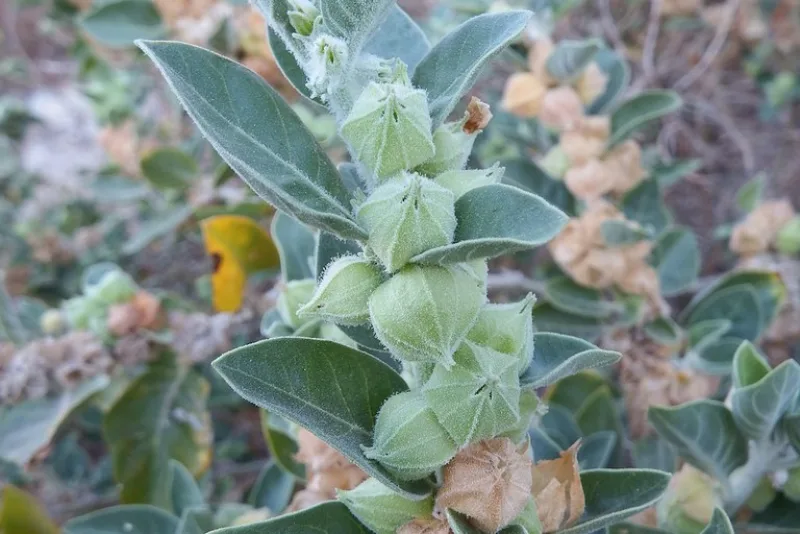
Ashwagandha plant (Withania somnifera) with silvery leaves and husk-covered fruit

Ashwagandha: Benefits, Uses and How to Prepare the Adaptogenic Root

Ashwagandha: Benefits, Uses and How to Prepare the Adaptogenic Root IMPORTANT: Ashwagandha is a plant with genuine effects on the body, not merely a “trendy powder.” It is not recommended during pregnancy (Ayurvedic tradition considers it potentially abortifacient in large doses) and should be used cautiously while breastfeeding. People with autoimmune diseases (lupus, Hashimoto’s thyroiditis, rheumatoid arthritis, multiple sclerosis) should avoid it or use it only under supervision, because it may stimulate the immune system. It can interact with thyroid medication (it raises thyroid hormones), with sedatives, with blood pressure and blood sugar drugs, and with immunosuppressants. If you are on long-term treatment, have hyperthyroidism, or have surgery scheduled, consult your doctor before starting. It is not a substitute for prescribed treatment. ...

April 23, 2025 · 13 min · Leacuri.ro
A glass jar filled with golden ghee, clarified butter, on a wooden table

Ghee: Benefits, Uses and How to Consume It the Right Way

Ghee: Benefits, Uses and How to Consume It the Right Way IMPORTANT: Ghee remains an energy-dense fat (about 9 kcal per gram, like any pure fat), so it is not a “free” food you can eat without limit. People with high cholesterol, cardiovascular disease, pancreatitis or gallbladder problems should talk to their doctor before making it a regular part of their diet. Although ghee contains very little lactose and casein, those with a severe milk-protein allergy should be cautious and choose certified products. Ghee is not a medicine and does not replace any prescribed treatment. Used in moderation, as part of a balanced diet, it can however be a valuable cooking fat. ...

February 9, 2025 · 14 min · Leacuri.ro