Yellow St. John's Wort flowers (Hypericum perforatum) used to make tea

St. John's Wort Tea: Benefits, How to Prepare and Side Effects

St. John’s Wort Tea: Benefits, How to Prepare and Side Effects IMPORTANT: St. John’s Wort is one of the most studied medicinal plants, but also one of the most “temperamental” when it comes to interactions. It can reduce the effectiveness of many medications: oral contraceptives, blood thinners (warfarin), prescription antidepressants (especially serotonin reuptake inhibitors), immunosuppressants, HIV medications, some chemotherapy drugs and antiarrhythmics. Combining St. John’s Wort with antidepressants can trigger a dangerous “serotonin syndrome.” The plant also increases the skin’s sensitivity to sunlight (photosensitization). Do NOT drink St. John’s Wort tea if you are pregnant or breastfeeding, if you take any of the medications above, or if you are about to have surgery. Before starting a course, consult your doctor or pharmacist, especially if you are on long-term medication. ...

March 27, 2026 · 13 min · Leacuri.ro
Cup of fresh peppermint tea with green leaves on a wooden table

Peppermint Tea: Benefits for Digestion, How to Prepare It and Side Effects

Peppermint Tea: Benefits for Digestion, How to Prepare It and Side Effects IMPORTANT: Although peppermint tea is one of the gentlest and most beloved teas in the world, it is not suitable for everyone. The menthol in mint relaxes the sphincter between the stomach and the esophagus, which is why people who suffer from gastroesophageal reflux (heartburn, acid regurgitation, hiatal hernia) may notice their symptoms getting worse. Peppermint tea should be given with caution to infants and small children, in whom menthol can, in rare cases, trigger a spasm of the airways — never place mint under a baby’s nose. Pregnant and breastfeeding women should consume moderate amounts and consult their doctor, since large amounts of mint may affect milk flow. People with gallstones or gallbladder conditions should be careful, because mint stimulates bile flow. If you are taking medication (especially drugs metabolized by the liver, antacids, or blood pressure medicine), ask your doctor or pharmacist before drinking large amounts of peppermint tea regularly. ...

February 19, 2026 · 14 min · Leacuri.ro
Fresh green rosemary sprigs, the aromatic herb used to make tea

Rosemary Tea: Benefits for Memory, Circulation and How to Prepare It

Rosemary Tea: Benefits for Memory, Circulation and How to Prepare It IMPORTANT: Rosemary tea is generally safe when consumed in moderate amounts, as an ordinary beverage (1-2 cups per day). However, in large doses or in the form of swallowed essential oil, rosemary can be toxic. Pregnant women should avoid large amounts of rosemary, as folk tradition considers it a plant that may stimulate uterine contractions. People with epilepsy, uncontrolled high blood pressure, stomach ulcers, or those taking anticoagulants, diuretics, or blood pressure medication should talk to their doctor before using it regularly. Rosemary tea is not a substitute for medical treatment. If you have a chronic condition or take medication, always consult your doctor. ...

October 10, 2025 · 14 min · Leacuri.ro
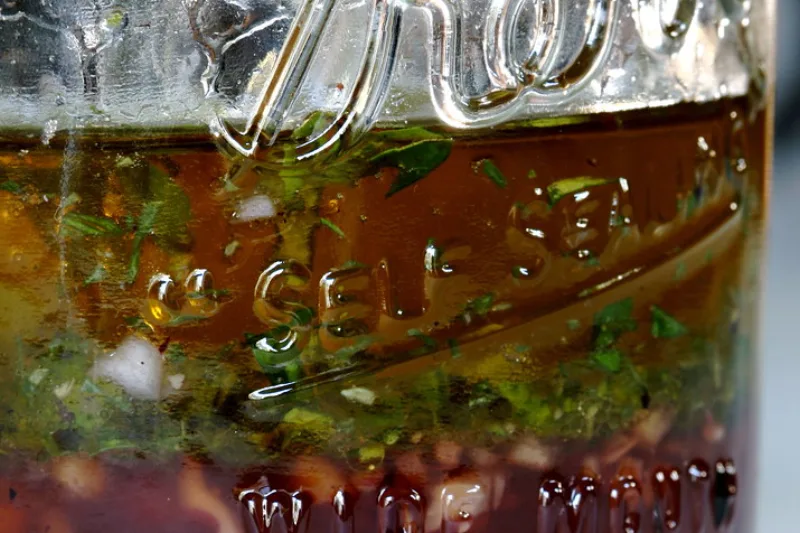
Glass jar of medicinal vinegar with aromatic herbs steeping inside

Medicinal Herbal Vinegars: Recipes, Benefits and Traditional Uses

Medicinal Herbal Vinegars: Recipes, Benefits and Traditional Uses IMPORTANT: Medicinal vinegars are home remedies, not medicines. Vinegar is acidic and may irritate the stomach or erode tooth enamel if taken undiluted; always dilute it. People with ulcers, gastritis, acid reflux, a hiatal hernia, or those taking medication for diabetes, diuretics, or heart drugs (such as digoxin) should ask their doctor before using vinegar internally. On the skin, undiluted vinegar can cause burns, especially on open wounds. Pregnant or breastfeeding women and small children should not use concentrated medicinal vinegars without medical advice. This article is for information only and does not replace professional medical care. ...

September 10, 2025 · 11 min · Leacuri.ro
Glass of clear red hibiscus tea held in hand in natural light

Hibiscus Tea: Benefits, How to Prepare and Side Effects

Hibiscus Tea: Benefits, How to Prepare and Side Effects IMPORTANT: Hibiscus tea can lower blood pressure, which is why people already taking medication for hypertension (especially diuretics or antihypertensives) should talk to their doctor before drinking it regularly — the cumulative effect can push blood pressure down too far. Pregnant or breastfeeding women should avoid hibiscus, since folk tradition and some observations suggest it may influence hormonal balance and the uterus. Hibiscus may also interact with certain medications (for example diabetes drugs or some painkillers) and can reduce the absorption of certain substances, such as paracetamol. If you are on any treatment, have kidney stones, or live with a chronic condition, always seek your doctor’s advice. Hibiscus never replaces prescribed treatment. ...

July 21, 2025 · 14 min · Leacuri.ro
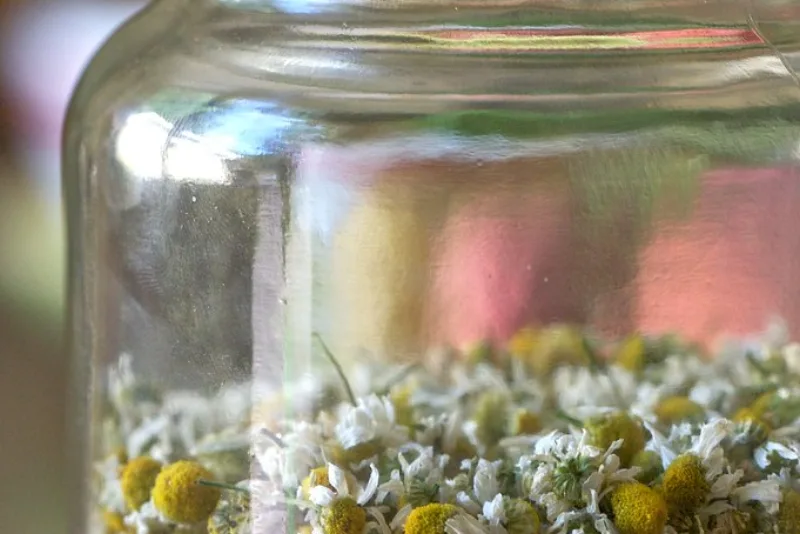
Jar of dried chamomile flowers ready for tea

Chamomile Tea: Benefits, How to Prepare and Contraindications

Chamomile Tea: Benefits, How to Prepare and Contraindications IMPORTANT: Although chamomile is one of the gentlest and safest medicinal plants, it is not without its cautions. People allergic to plants in the Asteraceae family (daisies, marigolds, arnica, ragweed, chrysanthemums, mugwort) may develop allergic reactions, sometimes serious. Chamomile has a mild sedative and anticoagulant effect, which is why it should be used carefully before surgery, alongside blood-thinning medication (such as warfarin), or with sedatives and anti-anxiety drugs. During pregnancy and breastfeeding, moderate consumption is advised and only after consulting a doctor, since chamomile may slightly stimulate the uterus. Do not replace medical treatment for serious conditions with herbal teas. If a problem persists, worsens, or unusual symptoms appear, see a doctor. ...

March 9, 2025 · 13 min · Leacuri.ro
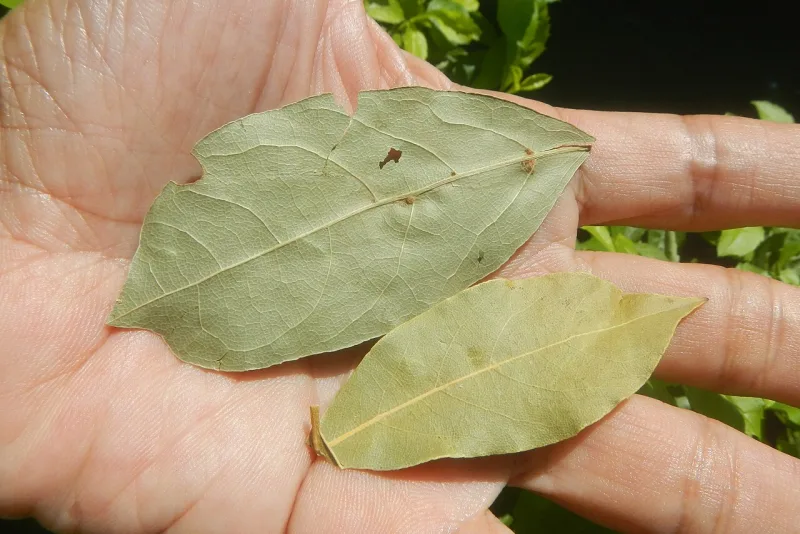
Dried bay leaves, laurel leaves used as a spice and a traditional remedy for digestion

Bay Leaves: Benefits, Uses and How to Use Them for Digestion

Bay Leaves: Benefits, Uses and How to Use Them for Digestion IMPORTANT: Bay leaves are safe in the ordinary amounts used in cooking, but as a concentrated remedy (teas, strong infusions, oil) they call for caution. Pregnant and breastfeeding women should avoid drinking bay leaf tea in medicinal quantities, as folk tradition associates it with uterine stimulation. People with diabetes who take blood-sugar-lowering medication should be careful, since bay leaf may intensify the drop in blood glucose. Also, the whole leaf should never be swallowed — its edges remain hard and sharp even after boiling and can scratch or pierce the digestive tract. If you are on medication, suffer from kidney or liver conditions, or have surgery scheduled, talk to your doctor before using bay leaf as a remedy. Bay leaf does not replace a medical diagnosis or treatment. ...

September 18, 2024 · 13 min · Leacuri.ro