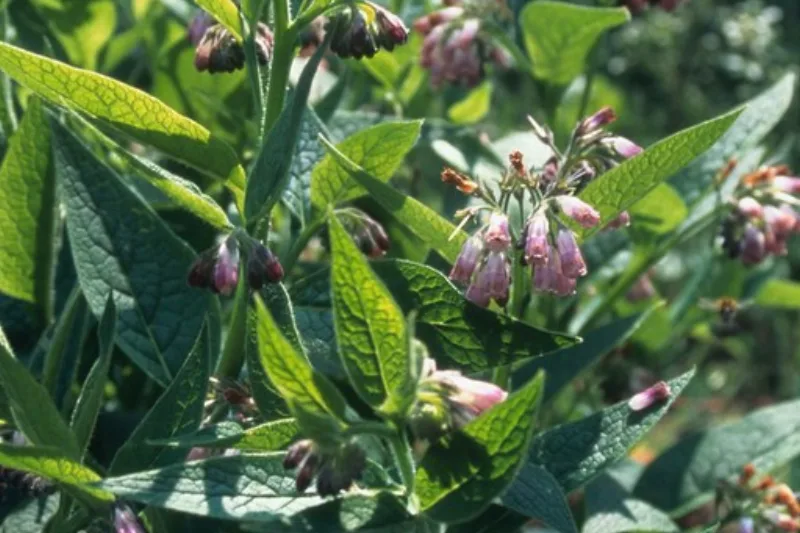
Comfrey (Symphytum officinale) with pink-purple bell-shaped flowers and large, rough leaves

Comfrey: Benefits, External Uses for Bones and Skin, and How to Prepare It

Comfrey: Benefits, External Uses for Bones and Skin, and How to Prepare It IMPORTANT: Comfrey (Symphytum officinale) contains pyrrolizidine alkaloids, substances that can be toxic to the liver if swallowed in significant amounts or over a long period. For this reason, the firm recommendation of modern herbalism is that comfrey be used EXCLUSIVELY EXTERNALLY, on intact skin, for short periods. Do not drink the tea, take the tincture, or eat the leaves internally; do not apply it to deep open wounds; and do not use it on young children, pregnant or breastfeeding women. People with liver conditions should avoid the plant entirely. Comfrey is not a substitute for medical care: a fracture, a serious sprain, or a wound that will not heal must be evaluated by a doctor. ...
February 23, 2025 · 14 min · Leacuri.ro
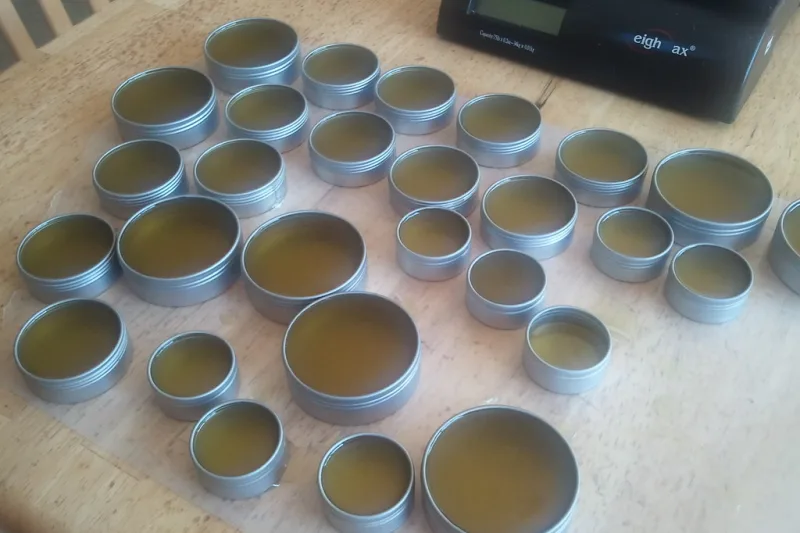
Metal tins of homemade herbal salve on a wooden table

Herbal Salves: How to Make Them at Home, Step by Step

Herbal Salves: How to Make Them at Home, Step by Step IMPORTANT: Homemade salves are meant for external use on intact skin. Do not apply salves to deep open wounds, severe burns, weeping infections, or rashes of unknown origin without medical advice. Always perform a patch test on a small area of skin (the inner forearm) 24 hours before first use, especially if you have sensitive skin, allergies, or dermatitis. Some plants (for example comfrey) must NOT be applied to broken skin because of their pyrrolizidine alkaloids, and must never be used internally. Pregnant or breastfeeding women, young children, and people with chronic conditions should ask a doctor or pharmacist before using herbal preparations. A homemade salve is not a substitute for medical treatment of a serious condition. ...

September 24, 2024 · 14 min · Leacuri.ro