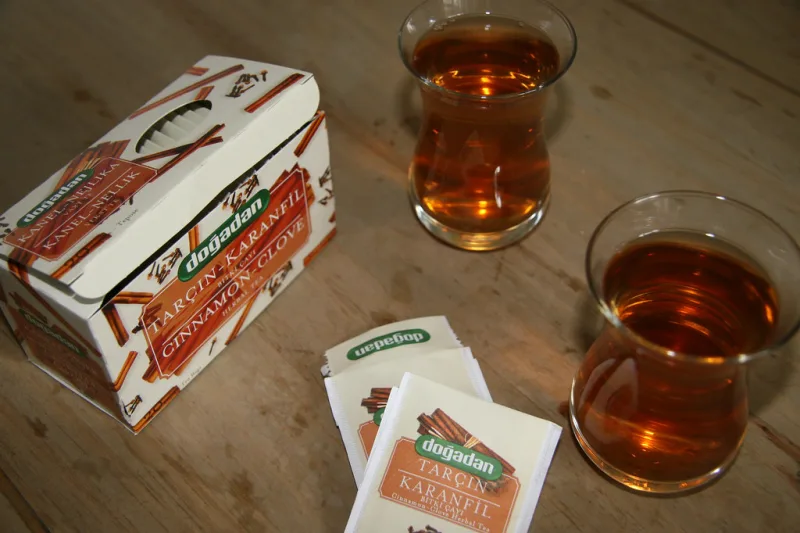
Steaming clove tea in glasses next to a box of teabags and whole cloves

Clove Tea: Benefits, How to Prepare It and Side Effects

Clove Tea: Benefits, How to Prepare It and Side Effects IMPORTANT: Clove tea is a traditional remedy, not a substitute for medical treatment. Cloves contain a high concentration of eugenol, an active compound that can be harmful in excess. People taking blood-thinning medication (such as warfarin, acenocoumarol or aspirin) should be cautious, because eugenol can thin the blood and prolong clotting time. Pregnant and breastfeeding women should avoid medicinal amounts and stick to the quantity normally used in cooking. Clove tea should not be given to young children without a doctor’s advice, and clove essential oil must never be swallowed undiluted. If you have a sore throat that lasts more than a few days, a high fever, trouble breathing or a persistent toothache, see a doctor — a cup of tea does not replace a diagnosis. ...
October 8, 2024 · 13 min · Leacuri.ro
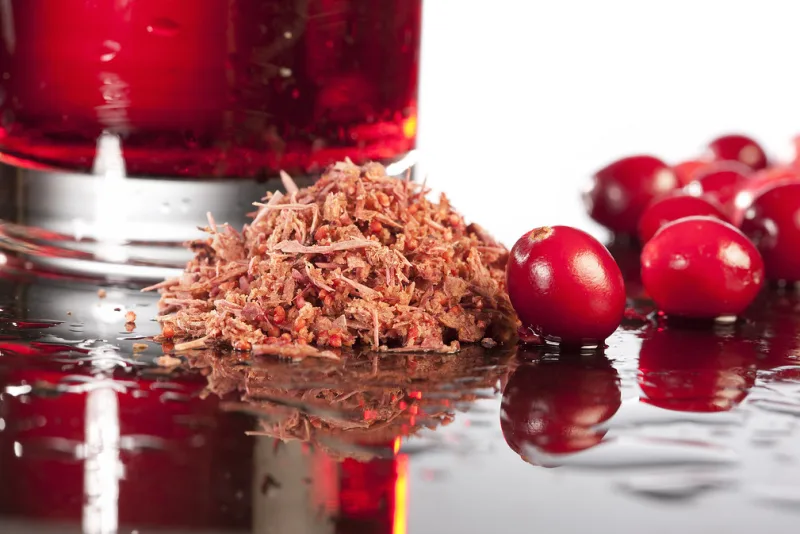
Fresh red cranberries beside a glass of red cranberry beverage

Cranberry Tea: Benefits for Urinary Health, Preparation and Side Effects

Cranberry Tea: Benefits for Urinary Health, Preparation and Side Effects IMPORTANT: Cranberry tea can be a valuable support for urinary tract health, but it does NOT replace medical treatment. If you have a urinary tract infection accompanied by fever, severe pain, blood in the urine or back pain, see a doctor urgently — left untreated, a urinary infection can travel up to the kidneys. Cranberry interacts with anticoagulant medications (especially warfarin) and may increase the risk of bleeding, so people taking such drugs should consult their doctor before consuming it regularly. Cranberry is also high in oxalates, which is why people prone to calcium-oxalate kidney stones should be cautious. Pregnant or breastfeeding women should speak with their doctor before using cranberry therapeutically. ...

August 8, 2024 · 15 min · Leacuri.ro