
The red leaves of the sumac plant from which the tangy spice is made

Sumac: Benefits, Uses and How to Use the Tangy Spice

Sumac: Benefits, Uses and How to Use the Tangy Spice IMPORTANT: Edible sumac (Rhus coriaria) is safe for most people when used as a food in the usual culinary amounts. However, take care: there are species of poison sumac (Toxicodendron vernix) that have nothing to do with the spice and must never be foraged or eaten. Always buy sumac from trustworthy sources, clearly labeled as a food spice. People with an allergy to fruits in the Anacardiaceae family (cashews, pistachios, mango) should be cautious. Pregnant or breastfeeding women, as well as people taking diabetes medication or blood thinners, should talk to their doctor before using sumac in large amounts or as a supplement. This article is for informational purposes and does not replace medical advice. ...
January 22, 2026 · 15 min · Leacuri.ro
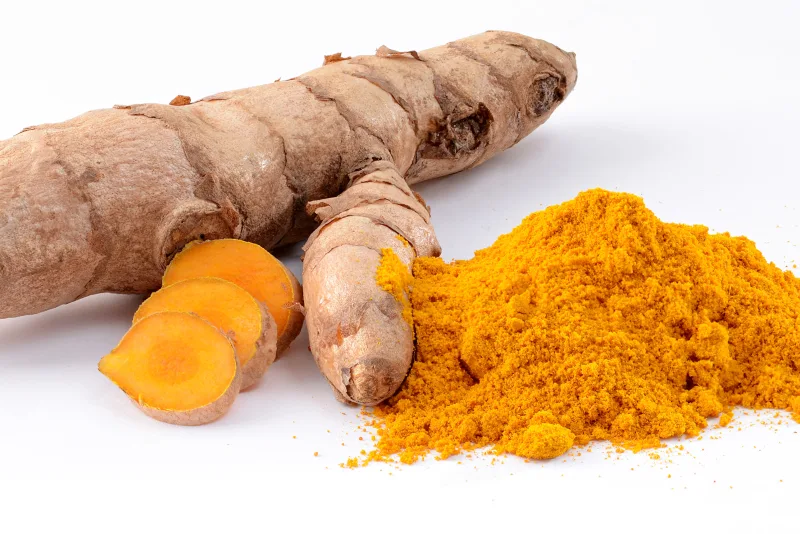
Fresh turmeric rhizome and golden curcuma powder on a white background

Turmeric: Benefits, Uses and How to Consume It Correctly

Turmeric: Benefits, Uses and How to Consume It Correctly IMPORTANT: Turmeric used as a food and spice is safe for most people. However, large doses of concentrated curcumin extract can interact with blood-thinning medications (such as warfarin or aspirin), with diabetes medications and with drugs that reduce stomach acidity. People with gallstones, bile duct obstruction or an active ulcer should be cautious. Pregnant and breastfeeding women may use turmeric in ordinary culinary amounts, but should avoid concentrated supplements without medical advice. If you have surgery scheduled, stop turmeric supplements at least two weeks beforehand. This article is for informational purposes and does not replace medical advice. ...

September 16, 2024 · 13 min · Leacuri.ro
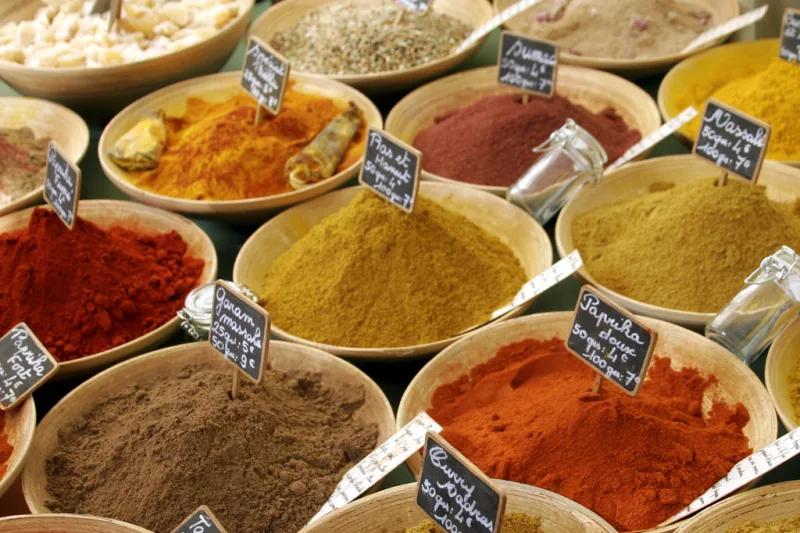
Bowls of red paprika powder and other ground spices at a market

Paprika: Benefits, Uses and How to Use It Properly

Paprika: Benefits, Uses and How to Use It Properly IMPORTANT: Paprika is a safe spice for most people when used in the usual culinary amounts. However, hot paprika (which contains capsaicin) can irritate the stomach, esophagus and intestines, which is why people with gastritis, ulcers, acid reflux, hemorrhoids or irritable bowel syndrome should use it with caution or avoid it. In therapeutic amounts (capsaicin or capsicum supplements), paprika may interact with blood-thinning medications and with some blood-pressure drugs. Pregnant or breastfeeding women can use paprika as an ordinary seasoning, but should not take concentrated chili supplements without medical advice. If you experience severe burning, abdominal pain or allergic reactions, stop using it and consult your doctor. Paprika is never a substitute for medical treatment. ...

August 17, 2024 · 13 min · Leacuri.ro