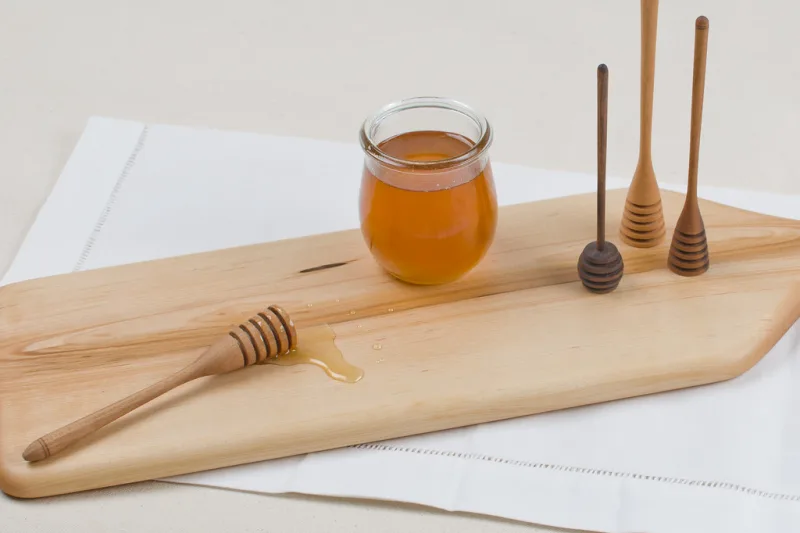
Jar of Manuka honey with a wooden honey dipper

Manuka Honey: Benefits, Uses and How to Consume It

Manuka Honey: Benefits, Uses and How to Consume It IMPORTANT: Manuka honey is a food, not a medicine, and it does not replace treatment prescribed by your doctor. Like all honey, it must not be given to children under 1 year old, because of the risk of infant botulism. People with diabetes should consume it in moderation and monitor their blood sugar, since it remains rich in sugars. Those allergic to pollen, bees or other types of honey should be cautious. If you have a serious wound, an infection that will not heal, a persistent fever or a chronic condition, see a doctor; honey may be a supportive aid, but never a substitute for medical care. Seek your doctor’s advice before applying it to large wounds or if you are on significant medication. ...

December 31, 2025 · 14 min · Leacuri.ro
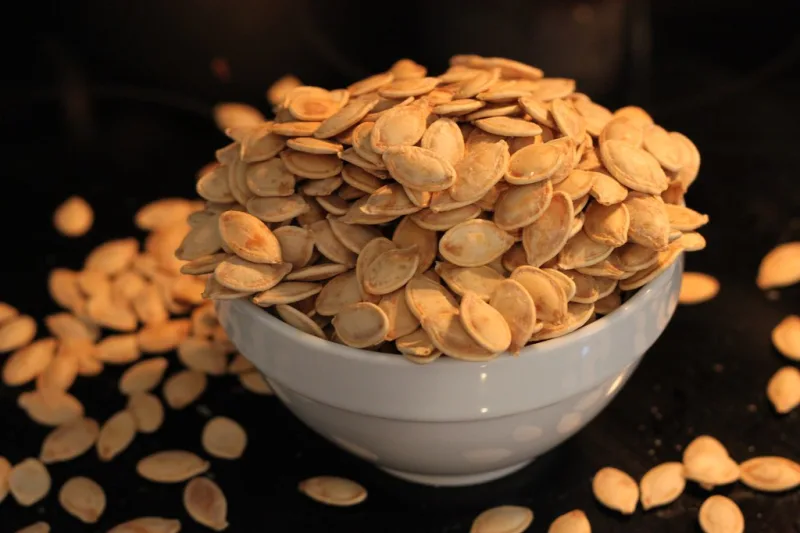
White bowl heaped with roasted, golden pumpkin seeds

Pumpkin Seeds: Benefits, Zinc, Prostate Health and How to Eat Them

Pumpkin Seeds: Benefits, Zinc, Prostate Health and How to Eat Them IMPORTANT: Pumpkin seeds are a food, not a medicine. They are generally safe for most people, but a few real precautions apply. They are very calorie-dense and high in fat, so eating too many can cause digestive discomfort, bloating or excessive calorie intake. People taking diuretics or blood pressure medication should talk to their doctor, since the seeds have a mild diuretic effect and contain potassium. Those with seed or nut allergies should be cautious the first time. Salted seeds are not recommended for people with high blood pressure or water retention. For men with genuine prostate problems (difficult urination, pain, blood in the urine), pumpkin seeds do NOT replace a urological consultation — they are only dietary support. Whole seeds pose a choking risk for very young children. During pregnancy and breastfeeding, plain seeds are considered safe in normal dietary amounts. ...

December 15, 2025 · 12 min · Leacuri.ro
Bright orange sea buckthorn berries clustered along branches

Sea Buckthorn: The Queen of Vitamin C, Benefits, Uses and How to Consume It

Sea Buckthorn: The Queen of Vitamin C, Benefits, Uses and How to Consume It IMPORTANT: Sea buckthorn is a generally safe and highly valuable food, but it is not a cure-all. The raw berries are intensely acidic and may irritate a sensitive stomach or aggravate gastritis, acid reflux, or an active ulcer. People with gallstones, gallbladder inflammation, or acute liver conditions should consume sea buckthorn cautiously and only after consulting a doctor, since it stimulates bile secretion. Pregnant or breastfeeding women may consume ordinary culinary amounts of sea buckthorn, but it is wise to avoid concentrated supplements and internal oil without medical advice. Sea buckthorn never replaces a prescribed treatment and should not be used as a substitute for medical care in serious illness. If you take anticoagulants, blood pressure medication, or diabetes medication, talk to your doctor, as sea buckthorn may slightly influence blood pressure, blood sugar, and clotting. ...

August 2, 2025 · 15 min · Leacuri.ro
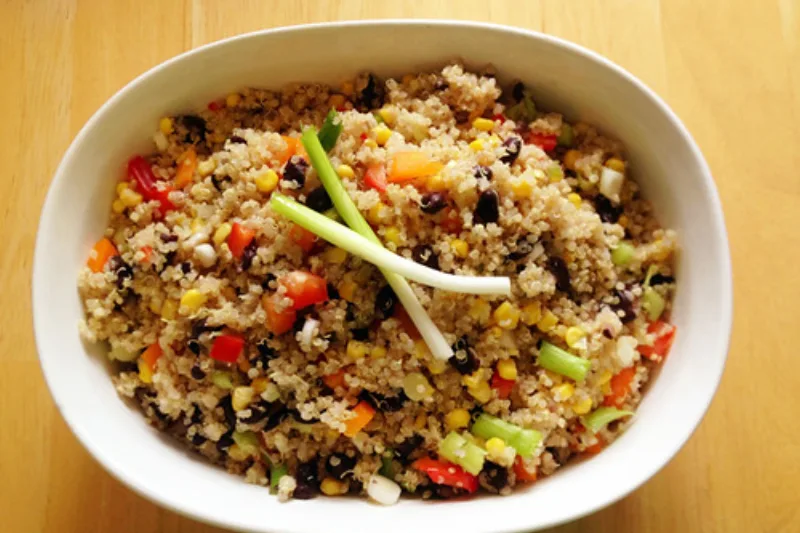
Bowl of cooked quinoa with colorful vegetables on a wooden table

Quinoa: Benefits, Nutritional Value and How to Eat It Properly

Quinoa: Benefits, Nutritional Value and How to Eat It Properly IMPORTANT: Although quinoa is a safe food that is very well tolerated by most people, it is wise to introduce it gradually into your diet, especially if you have a sensitive gut or are not used to high-fiber foods. People with kidney disease or those following a strict low-oxalate diet (for instance, those prone to kidney stones) should talk to their doctor, since quinoa contains a moderate amount of oxalates. Rinsing the grains before cooking is essential to remove saponin, a natural bitter compound that can irritate the stomach in sensitive individuals. Quinoa does not replace medical treatment for any condition; it is a food, not a medicine. If you have a chronic illness or are pregnant, keep balance and variety on your plate and seek advice from a nutrition specialist. ...

July 10, 2025 · 14 min · Leacuri.ro
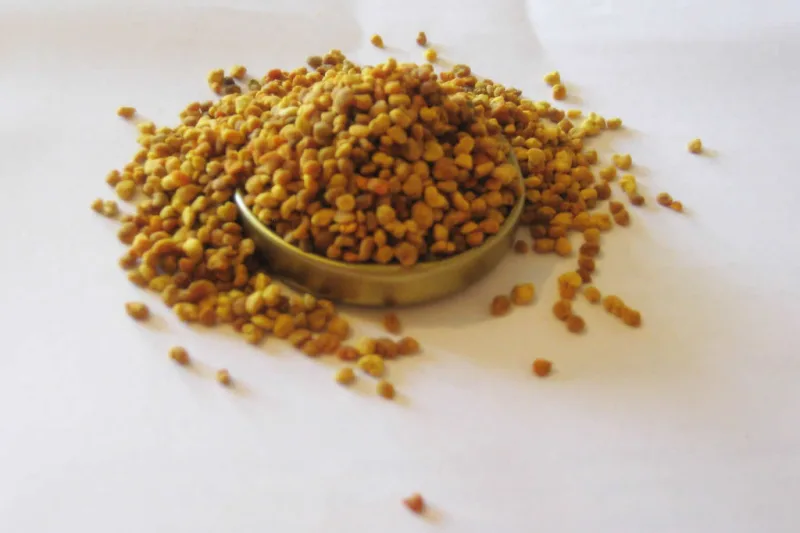
Colorful bee pollen granules in a small bowl

Bee Pollen: Benefits, Uses and How to Consume It

Bee Pollen: Benefits, Uses and How to Consume It IMPORTANT: Bee pollen can cause severe allergic reactions in people who are sensitive to pollen, bee stings or other bee products. The first time you try pollen, start with a single granule and increase the dose very slowly, watching for any sign of itching, swelling, breathing difficulty or discomfort. People with asthma, severe allergies or a history of anaphylactic shock should avoid pollen or try it only under medical supervision. Pollen should not be given to children under one year of age, and it should be used with caution during pregnancy and breastfeeding, after consulting a doctor. If you are on anticoagulant therapy or have a chronic condition, talk to your doctor before adding it to your diet. Pollen is a dietary supplement, not a substitute for a balanced diet or prescribed treatment. ...

February 1, 2025 · 13 min · Leacuri.ro
Raw cacao beans and nibs on a wooden table

Raw Cacao: Benefits, Antioxidants, Magnesium and How to Consume It Properly

Raw Cacao: Benefits, Antioxidants, Magnesium and How to Consume It Properly IMPORTANT: Raw cacao contains significant amounts of caffeine and theobromine, two stimulant substances that can cause palpitations, restlessness, headaches or insomnia in sensitive people. Consumed in the evening, it may disturb sleep. People with heart conditions, uncontrolled high blood pressure, severe anxiety, stimulant-triggered migraines or irritable bowel syndrome should be cautious. During pregnancy and breastfeeding, moderation is advised, since caffeine and theobromine cross into breast milk and to the baby. Cacao is toxic to dogs and cats, so never leave beans or powder within their reach. If you take heart medication, MAOI-type antidepressants, or are being treated for a chronic condition, talk to your doctor before adding large amounts of raw cacao to your diet. This article is for informational purposes and does not replace the advice of a doctor or nutritionist. ...

January 9, 2025 · 15 min · Leacuri.ro
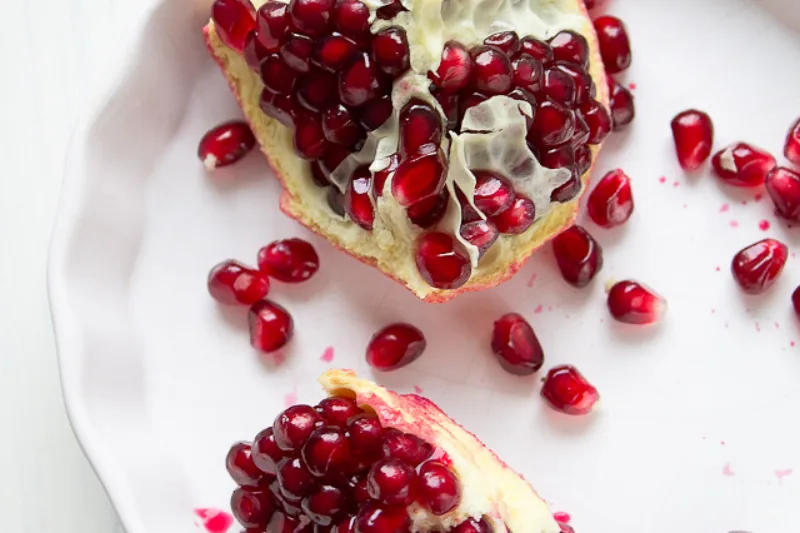
Open pomegranate with glossy red seeds on a white plate

Pomegranate: Heart Benefits, Antioxidants and How to Eat It Right

Pomegranate: Heart Benefits, Antioxidants and How to Eat It Right IMPORTANT: Pomegranate is a safe and healthy fruit for most people, but concentrated pomegranate juice can interact with certain medications, especially those metabolized by the liver (cholesterol-lowering statins, some blood pressure medicines, and blood thinners such as warfarin). If you are on long-term treatment, talk to your doctor before drinking large amounts of pomegranate juice. People with diabetes should be cautious with sweetened juice, and those with rare fruit allergies should introduce pomegranate gradually. Pomegranate does not replace medical treatment: if you have high blood pressure, elevated cholesterol or heart problems, continue your prescribed medication and use pomegranate only as a supporting food within a balanced diet. ...

November 27, 2024 · 14 min · Leacuri.ro
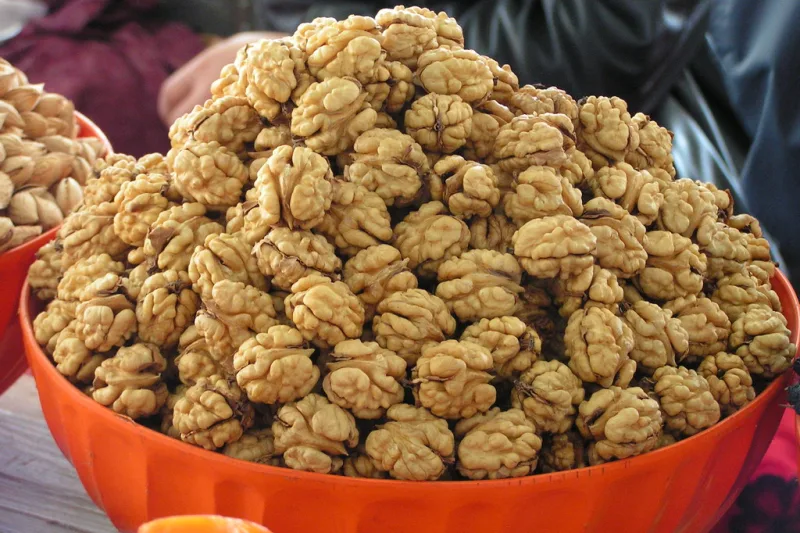
Whole walnuts and walnut kernel halves in a wooden bowl

Walnuts: Benefits for Brain and Heart and How to Eat Them

Walnuts: Benefits for Brain and Heart and How to Eat Them IMPORTANT: Although walnuts are an extremely healthy food that is well tolerated by most people, they are among the most powerful food allergens. People with an allergy to walnuts or other tree nuts (hazelnuts, almonds, cashews, pistachios) must avoid them completely, as the reaction can be severe, even leading to anaphylactic shock. Walnuts are very calorie-dense (around 650 calories per 100 g), so anyone aiming to lose weight should respect the recommended portions. People with irritable bowel syndrome or digestive issues may tolerate them less easily in large amounts. If you suffer from oxalate kidney stones, talk to your doctor, since walnuts contain oxalates. This article is for informational purposes only and does not replace the advice of a doctor or nutritionist. ...

November 17, 2024 · 13 min · Leacuri.ro
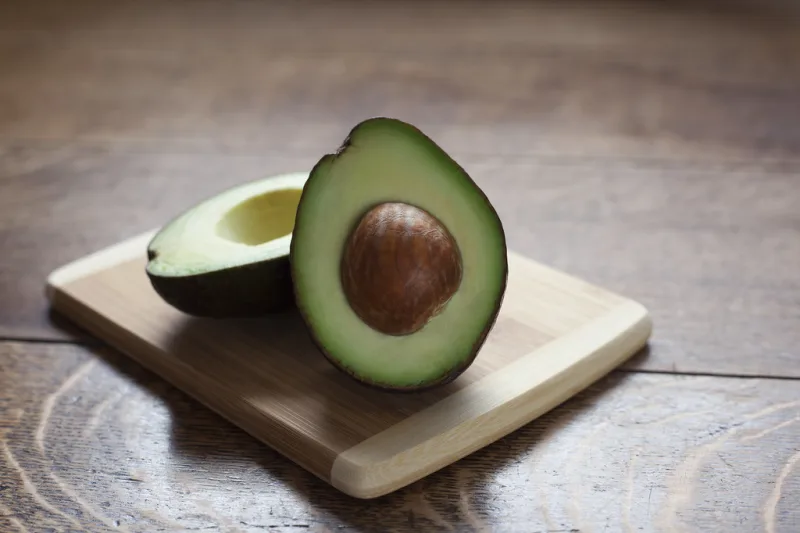
Avocado cut in half on a wooden board, showing the green flesh and the pit

Avocado: Benefits, Healthy Fats and How to Eat It Right

Avocado: Benefits, Healthy Fats and How to Eat It Right IMPORTANT: Avocado is a safe food that is well tolerated by the vast majority of people, but it has a few particularities worth keeping in mind. It is very calorie-dense and rich in fat, so people watching their calorie intake should pay attention to portions. People allergic to latex can sometimes develop cross-reactions to avocado (the latex-fruit syndrome), with itching of the mouth, swelling or, rarely, more serious reactions — if you notice such symptoms, avoid the fruit and consult your doctor. Those taking blood-thinning medication such as warfarin should talk to their physician, since avocado contains vitamin K. The fruit is also high in potassium, which in large amounts may be relevant for people with advanced kidney disease. Avocado is a food, not a medicine: it does not replace prescribed treatment and does not cure diseases. For any condition, always consult your doctor. ...

August 18, 2024 · 13 min · Leacuri.ro
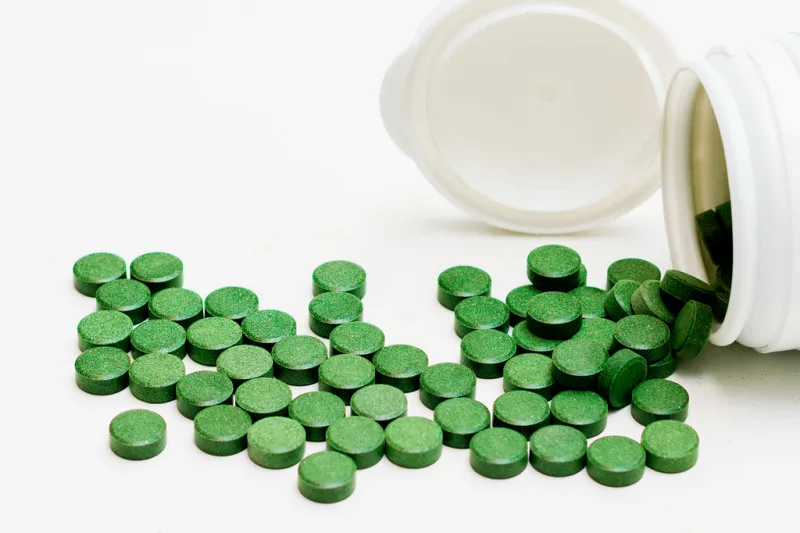
Green chlorella powder and chlorella tablets on a wooden table

Chlorella: Benefits, Uses and How to Consume the Detoxifying Green Algae

Chlorella: Benefits, Uses and How to Consume the Detoxifying Green Algae IMPORTANT: Chlorella is generally considered safe for most healthy adults, but it is not suitable for everyone. People with autoimmune conditions (such as lupus, rheumatoid arthritis or multiple sclerosis) should avoid it or use it only under medical supervision, since it stimulates the immune system. Those on blood-thinning medication (such as warfarin) should be cautious, because the high vitamin K content in chlorella can interfere with the drug’s effect. Pregnant or breastfeeding women, children and people sensitive to iodine should consult a doctor before starting supplementation. In some individuals, especially at first, chlorella can cause digestive discomfort, gas or allergic reactions. Always choose products tested for contaminants (heavy metals, microcystins) from reputable manufacturers. Chlorella does not replace a balanced diet or prescribed medical treatment. ...

August 16, 2024 · 14 min · Leacuri.ro