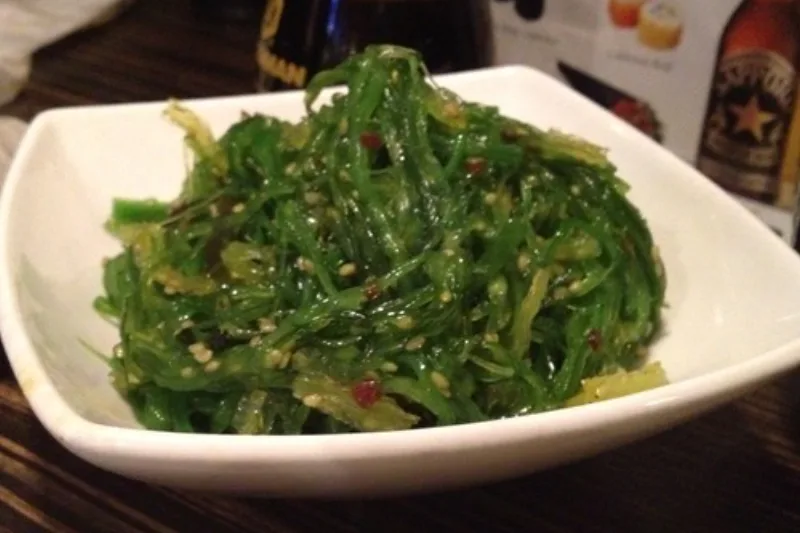
Wakame seaweed salad in a white bowl, sprinkled with sesame seeds

Seaweed: Benefits, Iodine, Minerals and How to Eat It Properly

Seaweed: Benefits, Iodine, Minerals and How to Eat It Properly IMPORTANT: Seaweed is extremely rich in iodine, and excessive consumption can disrupt thyroid function, especially in people with thyroid conditions (hyperthyroidism, Hashimoto’s thyroiditis, nodules). If you are taking thyroid hormones or anticoagulants, if you are pregnant or breastfeeding, consult your doctor before introducing seaweed into your daily diet. Seaweed can accumulate heavy metals (arsenic, cadmium, mercury) from polluted waters, so always choose products from reliable, tested sources. Hijiki seaweed, in particular, is discouraged in many countries because of its high inorganic arsenic content. ...

October 31, 2025 · 13 min · Leacuri.ro
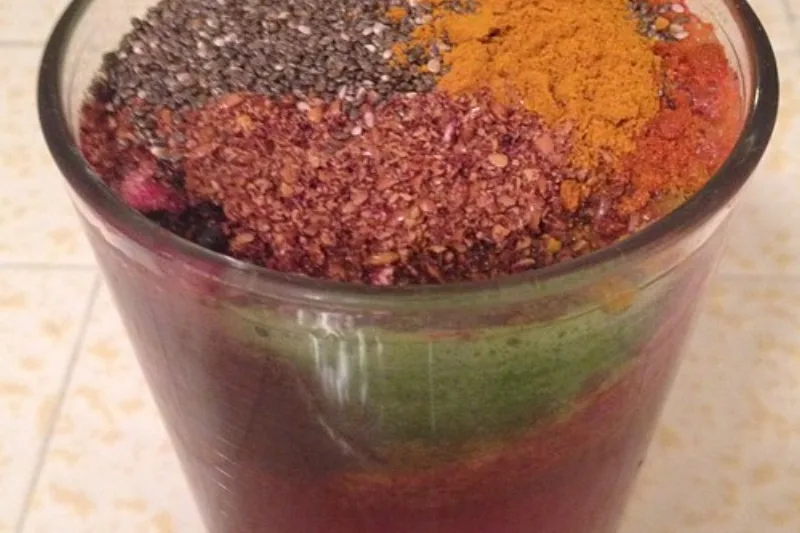
Ground flaxseed alongside chia and turmeric in a glass

Flaxseeds: Benefits, Uses and How to Consume Them Correctly

Flaxseeds: Benefits, Uses and How to Consume Them Correctly IMPORTANT: Flaxseeds are generally safe for most people when eaten as food in reasonable amounts. However, they contain very active fibers and small quantities of cyanogenic compounds in their raw state, which is why they are best ground and consumed with plenty of water. People with intestinal obstruction, digestive strictures, acute diverticulitis or severe irritable bowel syndrome should introduce them gradually and cautiously. Pregnant or breastfeeding women, as well as people taking blood thinners, diabetes, blood pressure or hormone medications (including treatments for hormone-dependent cancers) should consult their doctor before consuming large amounts, because flax contains phytoestrogens (lignans) and may affect the absorption of certain drugs. Always drink plenty of water when consuming ground flax, and never use it as a substitute for prescribed medical treatment. ...

April 15, 2025 · 13 min · Leacuri.ro
Goji plant (Lycium barbarum) with a purple flower and green leaves

Goji Berries: Benefits, Uses and How to Consume Them Properly

Goji Berries: Benefits, Uses and How to Consume Them Properly IMPORTANT: Although goji berries are considered a safe food for most people, they are not suitable for everyone. People taking anticoagulant medication (such as warfarin), those on blood-pressure treatment, or anyone with medication-managed diabetes should talk to their doctor before consuming goji regularly, because of possible interactions. Caution is also advised during pregnancy and breastfeeding, as traditional Chinese practice discourages goji during pregnancy. People allergic to fruits in the Solanaceae family (tomatoes, eggplants, peppers, potatoes) may also react to goji. Goji does not replace a balanced diet and does not cure disease — it is a supportive food, not a medicine. If you notice any unusual symptoms, stop using it and consult a specialist. ...

January 23, 2025 · 13 min · Leacuri.ro
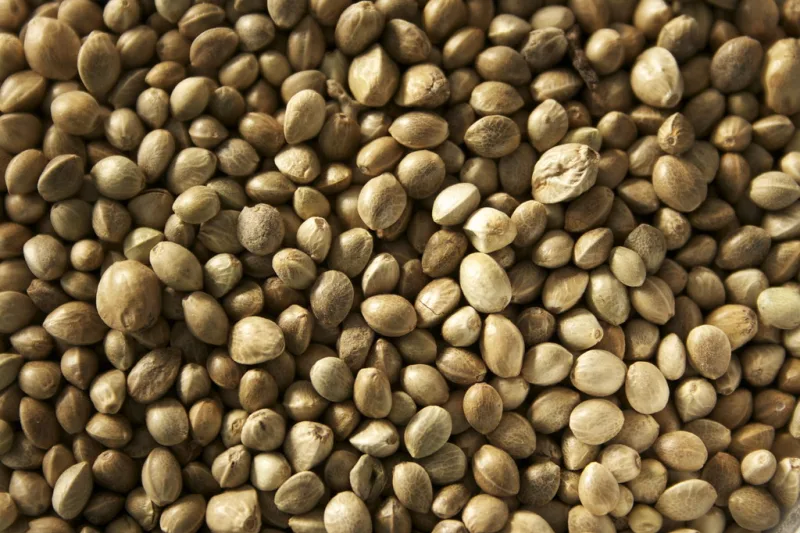
Shelled hemp seeds in close-up, viewed from above

Hemp Seeds: Benefits, Protein, Omega and How to Consume Them

Hemp Seeds: Benefits, Protein, Omega and How to Consume Them IMPORTANT: Food-grade hemp seeds (from Cannabis sativa varieties with negligible THC content) are a food, not a drug, and produce no psychoactive effect whatsoever. Even so, if you are taking anticoagulant medication, if you have a chronic kidney condition, if you are pregnant or breastfeeding, or if you must undergo a workplace drug test (in rare cases, seeds with surface contamination could influence the result), talk to your doctor before adding them regularly to your diet. People with seed allergies should be cautious the first time they try them. Hemp seeds complement a balanced diet but do not replace medical treatment for any condition. ...

December 20, 2024 · 11 min · Leacuri.ro
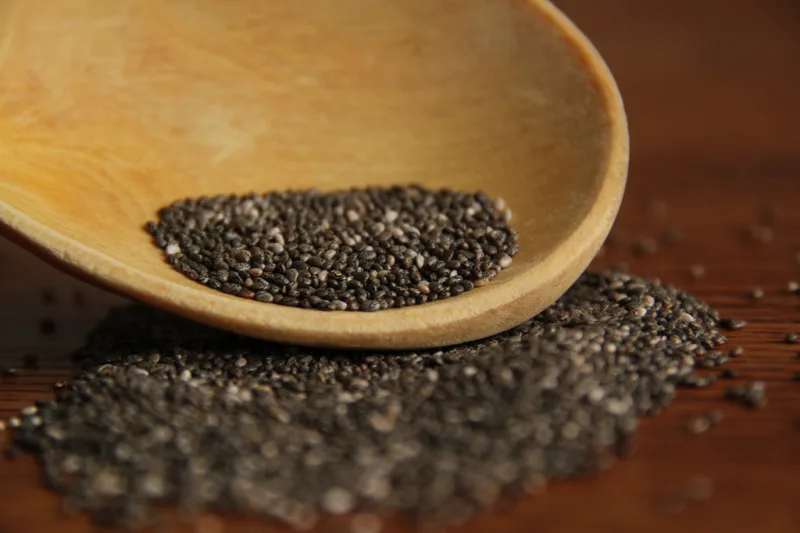
Chia seeds in a wooden spoon, spilled onto a wooden table

Chia Seeds: Benefits, Uses and How to Consume Them

Chia Seeds: Benefits, Uses and How to Consume Them IMPORTANT: Chia seeds are generally safe and well tolerated, but consumed in large amounts and without enough liquid they can cause digestive discomfort, bloating or, in rare cases, blockages in the esophagus or intestine. People with swallowing difficulties (dysphagia), those with active inflammatory bowel disease, those on blood-thinning medication (chia may have a mild blood-thinning effect due to its omega-3 content) or those taking medication for blood pressure or blood sugar should talk to their doctor before including them daily in their diet. Pregnant or breastfeeding women can consume chia in moderate amounts, but it is wise to ask their doctor for advice. Introduce the seeds gradually, drink plenty of water and never replace prescribed medical treatment with a food, however valuable it may be. ...

October 8, 2024 · 13 min · Leacuri.ro