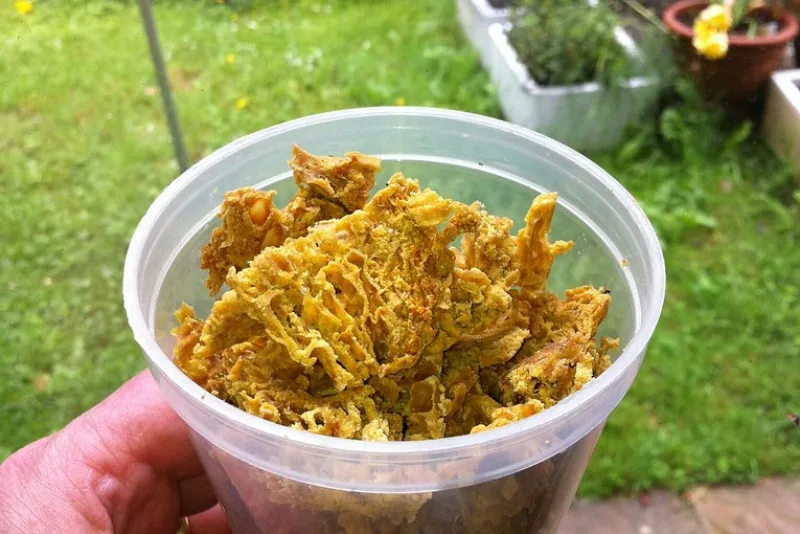
Raw propolis, yellow-brown chunks of bee glue in a container

Propolis: Benefits, Uses and How to Consume It Properly

Propolis: Benefits, Uses and How to Consume It Properly IMPORTANT: Propolis is one of the most common allergens among bee products. People allergic to bees, bee venom, honey, pollen, or poplars (from whose buds much of propolis originates) can develop serious reactions: rashes, itching, swollen lips, breathing difficulties. Before using it for the first time, perform a patch test on a small area of skin and wait 24 hours. Pregnant and breastfeeding women, children under 3, people with severe asthma, and those taking blood-thinning medication should consult a doctor before using it. Propolis does NOT replace medical treatment for serious infections. If signs of an allergic reaction appear, stop immediately and seek medical advice. ...

January 8, 2025 · 13 min · Leacuri.ro
Licorice plant (Glycyrrhiza glabra) with green pinnate leaves

Licorice Root: Benefits for Throat and Stomach, Uses and How to Prepare It

Licorice Root: Benefits for Throat and Stomach, Uses and How to Prepare It IMPORTANT: Licorice root is not a gentle herb you can drink daily, for months on end, without limits. It contains glycyrrhizin, a compound that, in large amounts or over long periods, can raise blood pressure, lower potassium levels in the blood, and cause water retention and swollen legs. It is contraindicated for people with high blood pressure, kidney disease, heart disease, pregnant or breastfeeding women, and anyone taking diuretics, corticosteroids, digoxin, or blood-pressure medication. If you follow a long-term treatment or have a chronic condition, talk to your doctor or pharmacist before using licorice. Do not give it to young children without medical advice. Used short term and in reasonable doses, however, licorice root remains one of the most treasured remedies of folk tradition. ...

October 26, 2024 · 13 min · Leacuri.ro
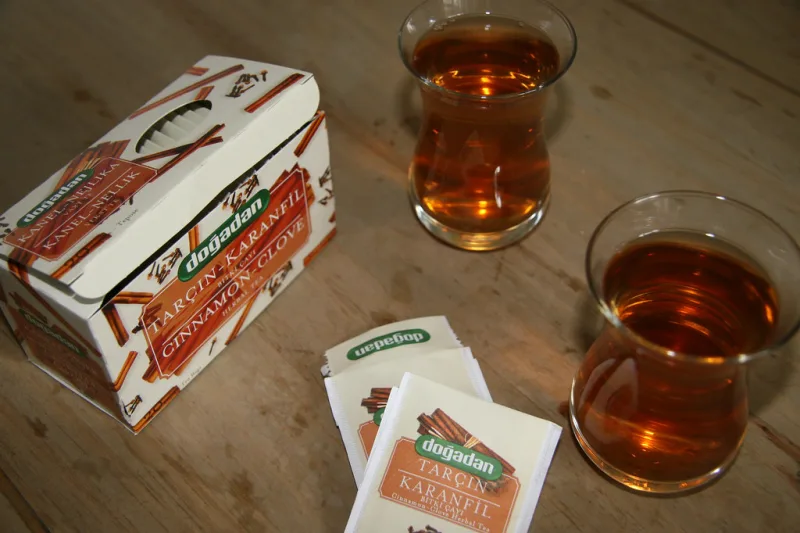
Steaming clove tea in glasses next to a box of teabags and whole cloves

Clove Tea: Benefits, How to Prepare It and Side Effects

Clove Tea: Benefits, How to Prepare It and Side Effects IMPORTANT: Clove tea is a traditional remedy, not a substitute for medical treatment. Cloves contain a high concentration of eugenol, an active compound that can be harmful in excess. People taking blood-thinning medication (such as warfarin, acenocoumarol or aspirin) should be cautious, because eugenol can thin the blood and prolong clotting time. Pregnant and breastfeeding women should avoid medicinal amounts and stick to the quantity normally used in cooking. Clove tea should not be given to young children without a doctor’s advice, and clove essential oil must never be swallowed undiluted. If you have a sore throat that lasts more than a few days, a high fever, trouble breathing or a persistent toothache, see a doctor — a cup of tea does not replace a diagnosis. ...

October 8, 2024 · 13 min · Leacuri.ro