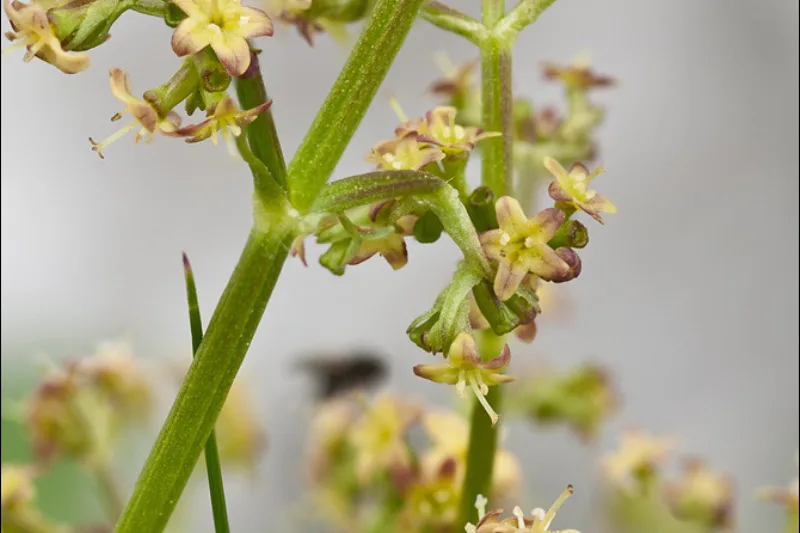
Flowering valerian plant with green stems and small flowers

Valerian: Benefits, Uses, How to Prepare It and Side Effects

Valerian: Benefits, Uses, How to Prepare It and Side Effects IMPORTANT: Valerian is a herb with a genuine sedative action on the nervous system. Do not combine it with sleeping pills, sedatives, antidepressants, anti-anxiety medication (such as benzodiazepines), or alcohol, because the effects can dangerously amplify one another. Do not drive or operate machinery after taking it, especially at first, until you know how your body reacts. Pregnant and breastfeeding women, children under 3, people with liver disease, and anyone about to undergo surgery (at least two weeks before anesthesia) should avoid it or use it only under medical supervision. If you suffer from chronic sleep problems or severe anxiety, valerian is a support, not a substitute for proper medical care. ...
December 12, 2025 · 12 min · Leacuri.ro
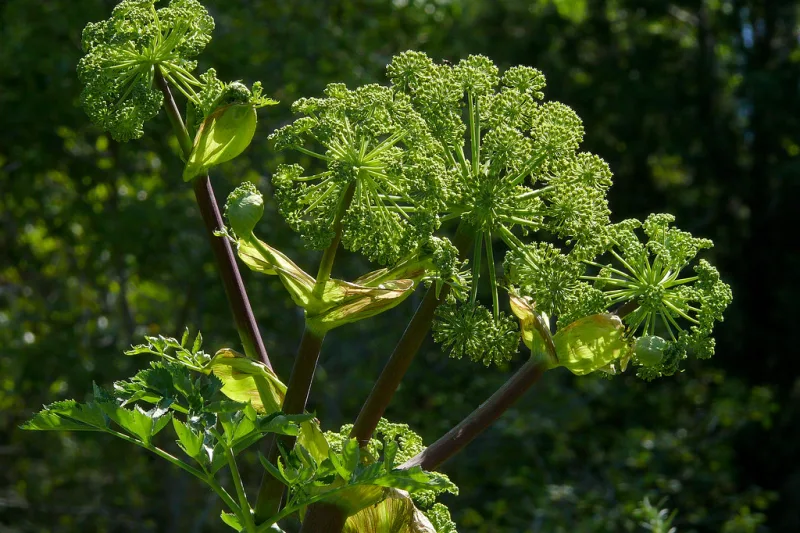
Angelica plant with green flowering umbels and sturdy stems

Angelica: Benefits, Uses and How to Prepare It

Angelica: Benefits, Uses and How to Prepare It IMPORTANT: Angelica (Angelica archangelica) is a powerful plant, and using it requires caution. The root and the fresh plant contain furanocoumarins that can cause photosensitization — avoid intense sun exposure after taking it. Angelica is contraindicated during pregnancy (it has an emmenagogue effect and may stimulate the uterus) and while breastfeeding. People taking anticoagulants or diabetes medication, or who have an active ulcer, should consult a doctor before use. Never confuse cultivated angelica with poisonous wild umbellifers (hemlock, for example) — foraging should ONLY be done with solid botanical knowledge. This information is educational and does not replace medical advice. ...

September 14, 2025 · 13 min · Leacuri.ro
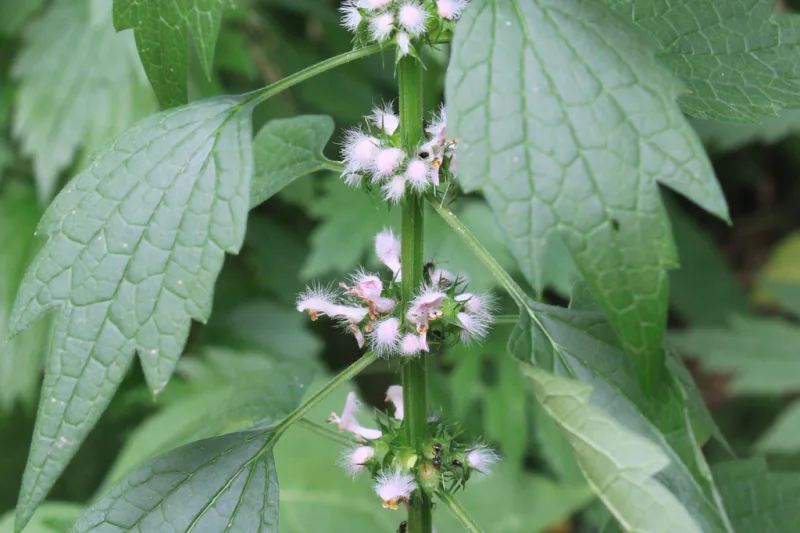
Motherwort plant (Leonurus cardiaca) with pink-white flowers on a square stem

Motherwort: Heart Benefits, Uses and How to Prepare It

Motherwort: Heart Benefits, Uses and How to Prepare It IMPORTANT: Motherwort (Leonurus cardiaca) is a herb that acts on the heart and nervous system, which means it should never be used carelessly. It is contraindicated during pregnancy (it can stimulate uterine contractions) and while breastfeeding. Anyone taking heart medication, blood-pressure drugs, anticoagulants, sedatives or thyroid medication must speak to a doctor before using it, as motherwort may amplify the effects of these drugs. It is not a replacement for prescribed treatment of arrhythmias, high blood pressure or other heart conditions. If you experience frequent palpitations, chest pain, dizziness or shortness of breath, see a doctor — these can be signs of serious problems requiring professional evaluation. Use the plant as a supportive aid only, in moderate doses and for limited periods. ...

May 25, 2025 · 13 min · Leacuri.ro
White yarrow flowers (Achillea millefolium) in a garden

Yarrow: Benefits, Uses and How to Prepare It

Yarrow: Benefits, Uses and How to Prepare It IMPORTANT: Yarrow is a plant with real effects on the body, which is why it should not be used carelessly. It is contraindicated during pregnancy (it may stimulate uterine contractions) and should be used with caution while breastfeeding. People allergic to plants in the Asteraceae family (daisy, chamomile, wormwood, ragweed) may develop allergic reactions, including contact dermatitis. The plant can increase the skin’s sensitivity to sunlight (a photosensitizing effect) and may interact with anticoagulant medication, blood-pressure drugs and sedatives. Do not give it to small children without medical advice and do not use it in prolonged, uninterrupted courses. If you are on any medication, pregnant, suffer from a chronic condition or are about to undergo surgery, consult your doctor or pharmacist before using yarrow. This information is for educational purposes and does not replace medical advice. ...

March 1, 2025 · 14 min · Leacuri.ro
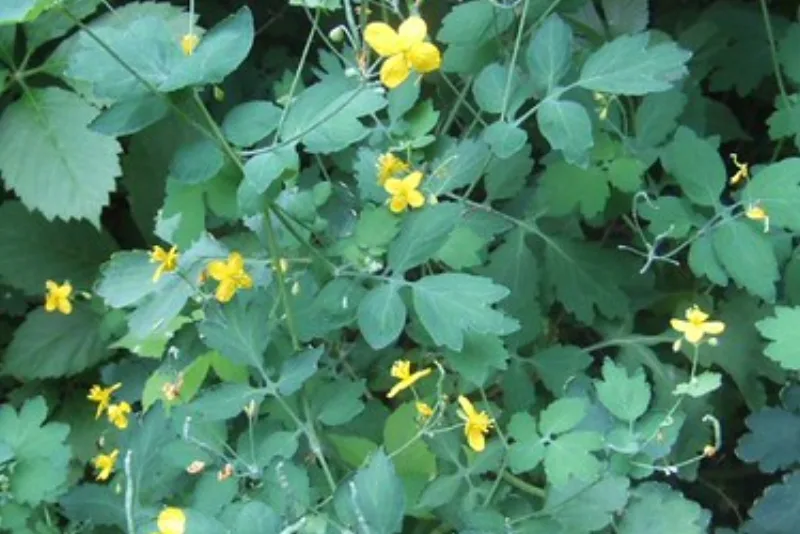
Patch of greater celandine (Chelidonium majus) with small yellow flowers and lobed green leaves

Greater Celandine: Benefits, Uses, Preparation and Precautions

Greater Celandine: Benefits, Uses, Preparation and Precautions IMPORTANT: Greater celandine is a powerful plant, considered toxic in large doses. It contains alkaloids that, if used improperly, can damage the liver. Internal use (teas, tinctures) should only be undertaken under the guidance of a doctor or an experienced herbalist, in short courses and small doses. It is STRICTLY contraindicated during pregnancy and breastfeeding, in children, and in people with liver conditions, glaucoma, or who take medications metabolized by the liver. The fresh yellow latex can irritate the eyes and sensitive skin. This article is for informational purposes only and does not replace medical advice. At the first sign of nausea, dark urine, or yellowing of the skin, stop use immediately and consult a doctor. ...

January 24, 2025 · 12 min · Leacuri.ro
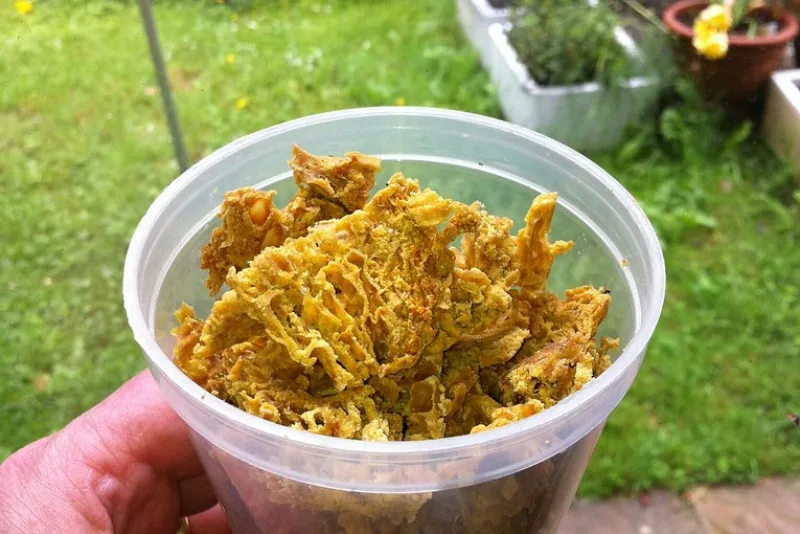
Raw propolis, yellow-brown chunks of bee glue in a container

Propolis: Benefits, Uses and How to Consume It Properly

Propolis: Benefits, Uses and How to Consume It Properly IMPORTANT: Propolis is one of the most common allergens among bee products. People allergic to bees, bee venom, honey, pollen, or poplars (from whose buds much of propolis originates) can develop serious reactions: rashes, itching, swollen lips, breathing difficulties. Before using it for the first time, perform a patch test on a small area of skin and wait 24 hours. Pregnant and breastfeeding women, children under 3, people with severe asthma, and those taking blood-thinning medication should consult a doctor before using it. Propolis does NOT replace medical treatment for serious infections. If signs of an allergic reaction appear, stop immediately and seek medical advice. ...

January 8, 2025 · 13 min · Leacuri.ro
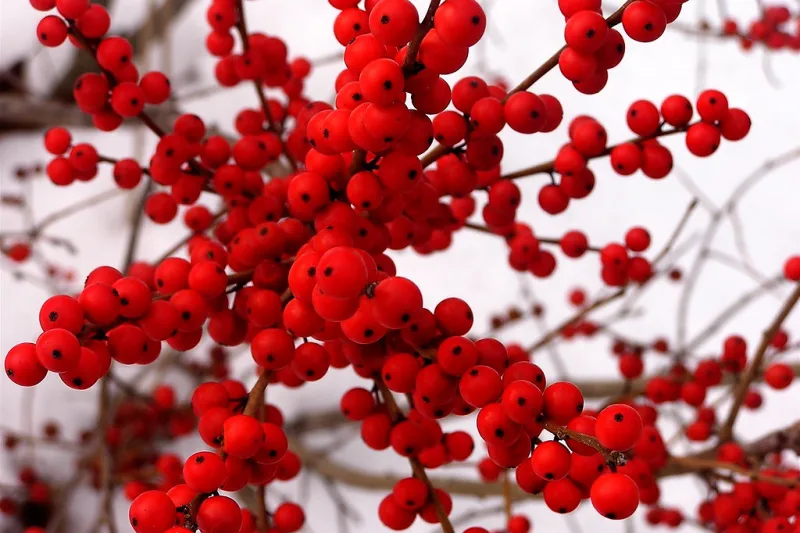
Hawthorn branches loaded with glossy red berries

Hawthorn: Heart Benefits, Uses and How to Prepare It

Hawthorn: Heart Benefits, Uses and How to Prepare It IMPORTANT: Hawthorn (Crataegus monogyna and Crataegus laevigata) acts directly on the cardiovascular system, which is why it should never be used carelessly, especially if you have a diagnosed heart condition. If you take heart medication (digoxin, beta-blockers, blood-pressure drugs), anticoagulants, or medication for erectile dysfunction, hawthorn may amplify or alter their effect. Always consult your doctor or pharmacist before starting a course. Pregnant and breastfeeding women should avoid concentrated preparations (tinctures, standardized extracts) without medical advice. Hawthorn does not replace any cardiac treatment and is not a remedy for emergencies — chest pain, severe palpitations, or difficulty breathing require calling emergency services immediately. ...

December 4, 2024 · 11 min · Leacuri.ro
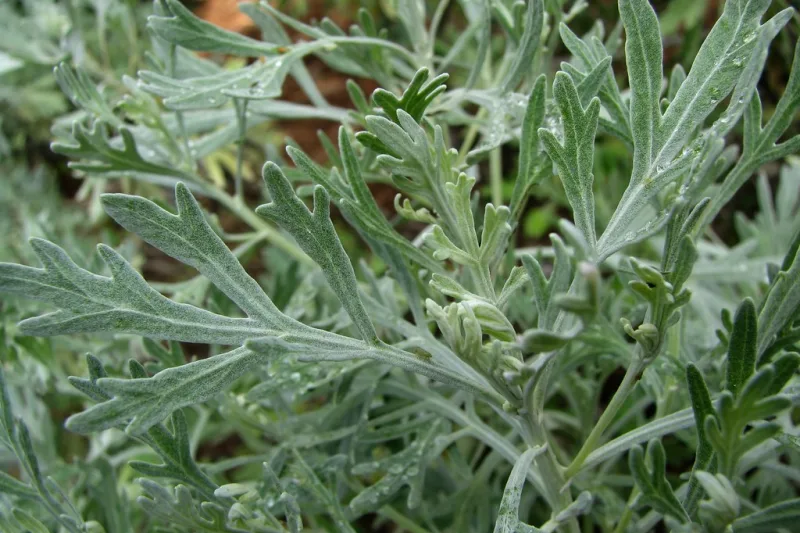
Close-up of the silvery leaves of wormwood (Artemisia absinthium)

Wormwood: Digestive Benefits, Traditional Uses and How to Prepare It

Wormwood: Digestive Benefits, Traditional Uses and How to Prepare It IMPORTANT: Wormwood is one of the most powerful bitter herbs in nature’s pharmacy, but also one of the most delicate when it comes to dosage. It contains thujone, a compound that in large amounts can be neurotoxic and may trigger seizures. It must NOT be used during pregnancy or breastfeeding (it can stimulate uterine contractions), should not be given to small children, or used by people with epilepsy or serious kidney or liver disease. Never use it for more than 2-3 weeks in a row, and never exceed the recommended dose. If you take medication or have a chronic condition, consult your doctor or a pharmacist before using wormwood. This article is for informational purposes only and does not replace medical advice. ...

November 10, 2024 · 14 min · Leacuri.ro
Purple echinacea coneflower with a spiky cone center, a medicinal plant for immunity

Echinacea: Benefits, Uses and How to Prepare It

Echinacea: Benefits, Uses and How to Prepare It IMPORTANT: Echinacea is generally well tolerated, but it is not suitable for everyone. People with autoimmune diseases (lupus, multiple sclerosis, rheumatoid arthritis), those taking immunosuppressants after a transplant, and anyone allergic to plants in the Asteraceae family (daisies, marigolds, ragweed, chrysanthemums) should avoid it or use it only on a doctor’s advice. Continuous use beyond 8-10 weeks without a break is not recommended. During pregnancy and breastfeeding, use it only after consulting your doctor. Echinacea does not replace medical treatment: if fever, pain, or cough persists for more than a few days, see a physician. ...

September 28, 2024 · 13 min · Leacuri.ro