
Bilberry Tea: Benefits for Eyesight and Blood Sugar, How to Prepare and Side Effects
IMPORTANT: Bilberry tea — whether made from the fruit or the leaves — is a natural support, not a treatment that replaces prescribed medication. If you have diabetes and take blood-sugar-lowering medication or insulin, bilberry leaf tea may add to the drop in blood sugar, so monitor your levels and talk to your doctor before drinking it daily. People taking anticoagulants (such as warfarin) should be cautious, since bilberries contain compounds that may influence clotting. Pregnant or breastfeeding women should use bilberry leaves only occasionally and after consulting a doctor. Leaf tea should not be drunk in large amounts over long periods, because of its tannins and traces of hydroquinone. In children, bilberry fruit is safe and beneficial, but concentrated leaf tea should be given with care. At any unusual symptom — dizziness, nausea, allergic reactions — stop drinking it and seek a specialist’s advice.
A story from the edge of the forest
Grandmother Veronica, from the villages at the foot of the Apuseni Mountains, had an August ritual she would not miss for anything in the world. With a wicker basket tied at her waist and fingers already stained purple from the first bushes, she climbed the slopes where wild bilberries — small, but sweet-tart and full of flavour — hid among the ferns and moss. “These are better than any medicine for the eyes,” she would say, and she made sure to dry part of the fruit on a wooden sieve, in the shade, for winter. At the same time she cut young bilberry shoots, leaves and all, which she tied into bundles and hung from the rafters in the attic.
In winter, when the weather turned grey and her eyes, tired from sewing by lamplight, troubled her, Grandmother Veronica would put a spoonful of dried bilberries into a mug, pour boiling water over them, and let it rest until the liquid turned a deep cherry-red. “Drink it slowly, with a teaspoon of honey,” she told me, “and in the morning you’ll see more clearly.” She had taught her neighbour, Aunt Saveta, who had “the sugar,” to do something different: a bitter tea made from bilberry leaves, drunk on an empty stomach, which the old women said “keeps the sugar in check.” These were simple remedies, yet rooted in generations of careful observation.
What bilberry tea is
Bilberry tea is an infusion made either from the dried fruit of the bilberry plant or from its leaves (Vaccinium myrtillus — the wild forest bilberry, or Vaccinium corymbosum — the cultivated blueberry). In Romanian folk tradition both parts were used, but for slightly different purposes: tea from the fruit is valued above all for supporting eyesight, for its mild astringent effect in digestive upsets, and for its supply of antioxidants, while tea from the leaves is famous for the support it offers in balancing blood sugar and for its diuretic and anti-inflammatory properties.
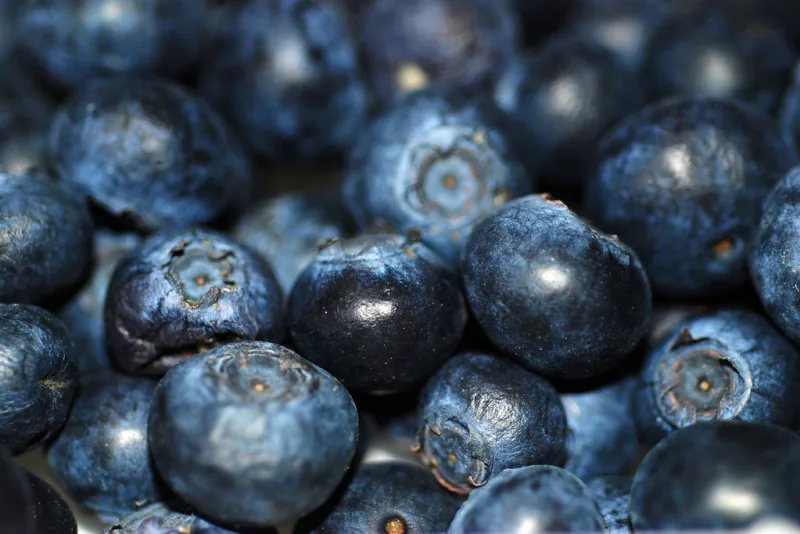
The bilberry grows wild in the mountain and hill regions across Europe, including the Carpathians, favouring acidic soils, forest clearings and the edges of glades. The tiny fruits, of a violet-blue covered with a fine bloom, have always been a treasure for local people — gathered in summer, eaten fresh, turned into jam, syrup, homemade wine, or dried for winter teas. It is precisely this double value — delicious food and trusted remedy — that has made the bilberry one of the most beloved plants in nature’s pharmacy.
Table of Contents
- Composition and active principles
- Health benefits
- Bilberry tea and eyesight
- Bilberry tea and blood sugar
- Traditional uses
- How to prepare bilberry tea correctly
- Dosage and how to take it
- Combinations with other herbs
- Lifestyle tips
- Practical tips and common mistakes
- Conclusion
- Frequently Asked Questions
Composition and active principles
What gives bilberries their intense colour and a good part of their beneficial power are the anthocyanins — flavonoid pigments from the antioxidant family, which colour the fruit blue-violet. These are precisely the most studied compounds for their role in protecting the small blood vessels and the tissues of the eye. Besides anthocyanins, bilberry fruit and leaves contain a wide range of valuable substances:
- Tannins — compounds with an astringent effect, which explain the traditional use of the dried fruit in diarrhoea and mild digestive upsets.
- Organic acids (citric, malic, quinic acid) — which give the slightly tart taste and support digestion.
- Vitamin C and B-group vitamins — with antioxidant roles and a part in energy metabolism.
- Flavonoids such as quercetin, with recognised anti-inflammatory effects.
- Pectins — soluble fibres with a beneficial effect on transit.
- Minerals — manganese, potassium, zinc, in useful amounts.
Bilberry leaves stand out for their rich content of tannins and of compounds which, according to tradition and preliminary studies, may influence glucose metabolism. Studies suggest that extracts from bilberry leaves may have a mild blood-sugar-lowering effect, which is why this part of the plant has gained a special reputation among people with sugar problems — although, we repeat, it does not replace medical treatment.
Health benefits
Thanks to its wealth of antioxidants, bilberry tea is considered a truly gentle tonic for the body. Here are the main directions in which both folk tradition and modern research recognise its value.
Protection of eyesight and eye health
The best-known benefit of bilberries is linked to the eyes. Anthocyanins are able to support blood circulation in the fine vessels of the retina and to support the regeneration of rhodopsin, the visual pigment involved in adapting to darkness. This is why bilberry tea is traditionally recommended to those who tire their eyes often — people who work at a computer, drivers who drive at night, seamstresses, or people who read a great deal.
Antioxidant and anti-ageing support
The anthocyanins and the other flavonoids in bilberries act like “brooms” for free radicals — unstable molecules that, in excess, accelerate the ageing of cells and contribute to chronic inflammation. Regular, moderate consumption of bilberry tea provides a steady supply of antioxidants, which support the body’s resistance to oxidative stress.
Heart and blood vessel health
Tradition says that bilberries “strengthen the vessels,” and modern studies offer an explanation: anthocyanins may help maintain the elasticity and integrity of the small blood vessels (capillaries). This effect is appreciated by those who suffer from capillary fragility, bruises that appear easily, or a feeling of heavy legs.
Digestive support
The dried bilberry fruit, thanks to its tannins, has a mild astringent effect, which is why tea from the fruit has always been used in mild diarrhoea and stomach upsets. At the same time, the pectins and fibres support balanced transit when the fruit is eaten fresh.
Anti-inflammatory effect
Flavonoids such as quercetin help to calm low-grade inflammation in the body. Traditionally, gargling with concentrated bilberry tea was used for inflammation of the throat and mouth, precisely because of the combination of tannins and antioxidants.
Mild diuretic action
Bilberry leaf tea has a reputation as a gentle diuretic, used in folk tradition to support the elimination of water from the body and to “cleanse the kidneys.” This effect explains why it was recommended in the past for mild urinary complaints.
Bilberry tea and eyesight
The reputation of bilberries for eyesight is so old that it has gone beyond folklore. It is often said that, during the Second World War, British pilots ate bilberry jam before their night missions, convinced that it sharpened their vision in the dark. Whatever historical truth lies hidden in the story, it reflects a deeply rooted belief: bilberries help the eyes.
The modern explanation focuses on anthocyanins and their role in retinal microcirculation. The eye needs good supply to its tiny vessels in order to function at its best, and visual fatigue, blurred vision after hours in front of a screen, or difficulty seeing at night are often linked to deficient circulation. Bilberry tea, drunk regularly, is seen as a support for these small vessels. Studies suggest that anthocyanins may help reduce the feeling of eye strain, but the effect is one of support, not a cure for serious conditions such as cataracts or glaucoma, which require specialist medical care.
Bilberry tea and blood sugar
Here comes the hidden star: bilberry leaf tea. In folk medicine throughout Europe, bilberry leaves were used as “the poor man’s insulin” — a colourful name that shows how much country people relied on this remedy to keep their sugar under control. The leaves contain compounds which preliminary studies suggest may support glucose metabolism and may contribute to a mild lowering of blood sugar.
It is important to understand that this effect is an adjunct, not a stand-alone treatment. If you have diabetes and take medication, bilberry leaves may have an effect that adds to that of the medication, which means blood sugar could drop more than you expect. This is why careful monitoring of your levels and a discussion with your doctor are essential. For a person without diabetes, but with a predisposition or with slightly raised blood sugar, a bilberry leaf tea drunk occasionally, as part of a healthy lifestyle, can be a gentle support.
Traditional uses
Over time, the bilberry has been used in peasant households in many ways:
- Dried fruit — kept for winter and used for teas for the eyes and for diarrhoea.
- Dried leaves — for the “sugar” tea and as a diuretic.
- Jam and syrup — both for pleasure and as a sweet remedy for cough and for strengthening the body.
- Bilberry wine — a homemade tonic taken in small amounts.
- Poultices — the crushed fruit was sometimes applied to irritated skin, thanks to its astringent effect.
- Gargle — with concentrated fruit tea, for inflamed throat and gums.
How to prepare bilberry tea correctly
Tea from dried bilberry fruit (for eyesight and digestion)
You will need:
- 1–2 teaspoons of dried bilberries (or one tablespoon of crushed fresh bilberries)
- 250 ml water
Steps:
- Put the dried bilberries in a mug or a small vessel.
- Pour hot water over them, but not at a violent boil (around 90 °C), to preserve the anthocyanins.
- Cover the mug and let it infuse for 10–15 minutes.
- Strain and, if you wish, sweeten with a teaspoon of honey once the tea has cooled a little (honey is not added to boiling liquid).
For a stronger digestive effect, the dried bilberries can be gently boiled for 5 minutes (a decoction), then left to infuse for another 10 minutes — the extra heat draws out more astringent tannins.
Tea from bilberry leaves (for blood sugar and as a diuretic)
You will need:
- 1 teaspoon of dried bilberry leaves
- 250 ml water
Steps:
- Put the leaves in a mug.
- Pour boiling water over them.
- Cover and let it infuse for 8–10 minutes.
- Strain. The tea has a slightly bitter and astringent taste; heavy sweetening is not recommended, especially if the aim is blood-sugar support.
Concentrated decoction for gargling
For an inflamed throat or gums, boil one tablespoon of dried bilberries in 300 ml water for 10 minutes, let it cool until lukewarm, then use it as a gargle 2–3 times a day.
Dosage and how to take it
- Fruit tea: 1–2 cups a day, in courses of 2–3 weeks, followed by a break.
- Leaf tea: at most 1–2 cups a day, in short courses of no more than 2–3 weeks, with breaks in between. The leaves should not be consumed continuously for months, because of their tannins and traces of hydroquinone.
- The tea is drunk warm, slowly — preferably between meals for the leaf tea, and after meals for the fruit tea (when used for digestion).
- For eyesight support, many prefer a cup in the morning; for blood-sugar support, the leaf tea is often drunk on an empty stomach, but with careful monitoring of levels.
Combinations with other herbs
Bilberry tea blends nicely with other plants, depending on the purpose:
- With blackcurrants and raspberry leaves — for a mix rich in antioxidants, pleasant in taste.
- With mulberry leaves and bean pods — in traditional blends for blood-sugar support (under medical supervision).
- With mint or lemon balm — for a more aromatic taste and a calming effect.
- With rosehips — for an extra dose of vitamin C and a pleasant tart aroma.
- With yarrow and corn silk — in blends with a diuretic effect.
Lifestyle tips
No tea, however valuable, works miracles on its own. For bilberries to truly show their gifts, they must be part of a balanced way of life. Eat fresh bilberries in season, as often as you can — they bring fibre, vitamins and anthocyanins in a complete form. Protect your eyes by taking regular breaks from the screen (the 20-20-20 rule: every 20 minutes, look for 20 seconds at something about 6 metres away), ensure good lighting when you read, and stay properly hydrated. For blood-sugar balance, leaf tea is only a small piece of a puzzle that includes daily movement, cutting back on refined sugars, quality sleep and managing stress. The bilberry helps you best when you receive it as a friend who supports, not as a saviour who solves everything.
Practical Tips and Common Mistakes
Mistake no. 1: Confusing fruit and leaves. Many people think “bilberry tea” is one single thing. In reality, fruit tea is for eyesight and digestion, while leaf tea is for blood sugar and as a diuretic. Use the part suited to your purpose.
Mistake no. 2: Boiling the fruit aggressively. Water at a violent boil destroys part of the anthocyanins. For fruit tea meant for eyesight, use hot water, not a strong boil, and let it infuse under a lid.
Mistake no. 3: Drinking leaf tea for too long. The leaves contain tannins and traces of hydroquinone; consumed for months without a break, they can become problematic. Stick to short courses with breaks.
Mistake no. 4: Sweetening the “sugar” tea with sugar. If you drink leaf tea to support blood sugar, there is no sense in sweetening it with sugar. Drink it plain or with very little honey.
Mistake no. 5: Ignoring interactions with medication. If you take blood-sugar-lowering drugs, insulin or anticoagulants, do not introduce bilberry tea without talking to your doctor and monitoring your levels.
Mistake no. 6: Expecting spectacular, immediate results. The bilberry works gently and over time. The benefits come through consistency, not from a single cup drunk in a hurry.
Conclusion
Bilberry tea is one of those old remedies that keeps its value even today. From the small blue fruit we obtain an infusion rich in anthocyanins, friendly to tired eyes and to the digestive system, while from the plant’s leaves we get a bitter tea, prized as support for blood-sugar balance. The secret of using it wisely lies in choosing the part suited to your purpose, in preparing it correctly to preserve its active principles, and in integrating it into a healthy lifestyle. With due caution — especially for those with diabetes or who take medication — bilberry tea remains a generous gift of the forest, exactly as it was known by the grandmothers who climbed the slopes with their wicker baskets.
Frequently Asked Questions
Which bilberry tea is better for eyesight, fruit or leaf tea? For eyesight support, tea from the dried fruit is recommended, because the fruit is richest in anthocyanins, the pigments responsible for supporting circulation in the retina. Leaf tea is more suited to blood sugar and as a diuretic.
Can I drink bilberry tea if I have diabetes? Yes, but with caution. Bilberry leaf tea may have a mild blood-sugar-lowering effect that adds to that of medication. Talk to your doctor, monitor your levels, and use short courses, without sweetening with sugar.
How long can I drink bilberry tea without a break? Fruit tea can be drunk in courses of 2–3 weeks, followed by a break. Leaf tea is used in shorter courses of at most 2–3 weeks, because it contains tannins and traces of hydroquinone that are not recommended over long periods.
Can bilberry tea be made from fresh fruit? Yes. Crush a tablespoon of fresh bilberries, pour hot water over them and let it infuse for 10 minutes. Fresh bilberries best preserve vitamin C and anthocyanins, but they are only available in season.
Does bilberry tea help with diarrhoea? Yes, tea from the dried fruit has a mild astringent effect thanks to its tannins and has been traditionally used in mild diarrhoea. For a stronger effect, the fruit can be boiled for a few minutes (a decoction). In persistent or severe diarrhoea, consult a doctor.
Can pregnant women drink bilberry tea? Bilberry fruit is safe and beneficial in the diet. Leaf tea, however, should be avoided or used only occasionally and after consulting a doctor, because of its tannins and possible effects.
What does bilberry tea taste like? Fruit tea has a pleasant sweet-tart taste, with an intense cherry-red colour. Leaf tea is more bitter and astringent. Both can be blended with mint, lemon balm or rosehips for a more pleasant aroma.
Can I give bilberry tea to a child? Weak fruit tea is generally well tolerated by children and can be useful in mild digestive upsets. The more concentrated leaf tea should be given with caution and preferably after the advice of a paediatrician.