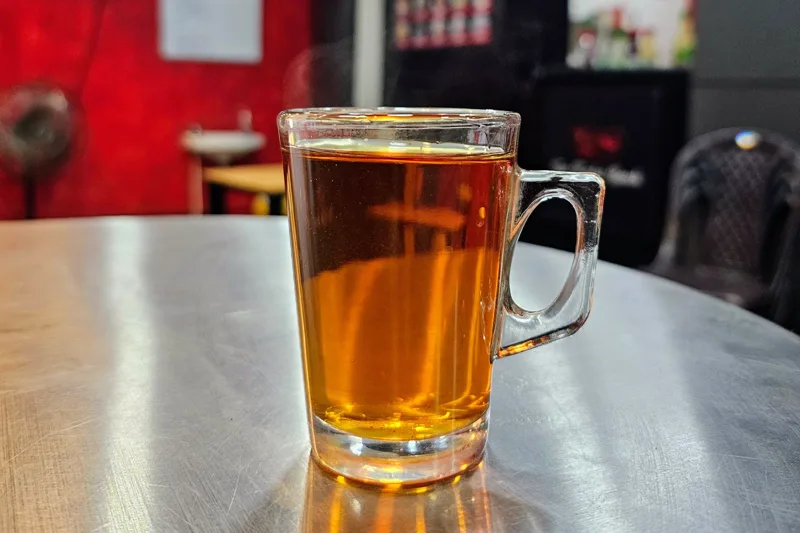

Black Tea: Benefits, How to Prepare and Side Effects
IMPORTANT: Black tea contains caffeine and tannins, which is why it is not suitable for everyone. Excessive consumption can cause palpitations, insomnia, restlessness, heartburn or headaches. People with iron-deficiency anemia, heart conditions, uncontrolled high blood pressure, gastric ulcers, as well as pregnant or breastfeeding women, should limit their intake and talk to a doctor before drinking it regularly. The tannins in black tea reduce iron absorption from food, so it is best not to drink it right after iron-rich meals. Black tea may interact with certain medications (blood thinners, stimulants, some antibiotics). This article is for informational purposes only and does not replace medical advice.
A cup of tea and an old story
Aunt Veta, a woman from Transylvania whom I remember from childhood, had a ritual she never broke. Every morning, before starting her household chores, she would put the tin kettle on the stove and wait patiently for the water to come to a full boil. She used to say that “black tea is like a serious friend: if you rush it, it gets upset and turns bitter.” She would pour the water over the black leaves, let it steep for exactly the right amount of time — no more, no less — and then sip slowly, her gaze lost out the window. She said that cup of tea gave her the strength to get through a whole day of work in the fields.
Later I understood that Aunt Veta was not wrong at all. For centuries, black tea was the drink that kept workers, soldiers and housewives awake across half the world. From the English afternoon tea, to the strong, sweet tea enjoyed in Turkey, India or Russia, this simple beverage has become part of the daily rituals of entire cultures. And behind its bold aroma lie a number of properties worth getting to know.
What is black tea
Black tea comes from the leaves of the very same plant that gives us green tea, white tea and oolong tea: the Camellia sinensis shrub. The difference is not in the plant but in the way it is processed. Black tea leaves are picked, allowed to wither, then rolled and — the key step — fully oxidized (popularly but incorrectly called “fermentation”). During oxidation, the compounds in the leaf react with oxygen, the leaves turn dark, and the flavor becomes more intense, more robust and less “green” than in other types of tea.
This complete oxidation is responsible both for the dark color of the brew and for its distinctive aromatic profile — malty, woody, sometimes smoky or sweet notes, depending on the variety and region of origin. Among the best-known types are Assam, Darjeeling, Ceylon, Keemun, and classic blends such as English Breakfast or Earl Grey (the latter flavored with bergamot oil).
Unlike herbal teas (chamomile, linden, mint), which are really infusions of medicinal plants without any actual tea leaf, black tea is a “true” tea that naturally contains caffeine.
Table of Contents
- What is black tea
- Composition and active compounds
- Health benefits
- Traditional uses
- How to brew black tea correctly
- When and how much to drink
- Combinations with other ingredients
- Lifestyle and practical tips
- Practical Tips and Common Mistakes
- Conclusion
- Frequently Asked Questions
Composition and active compounds
Black tea is surprisingly rich in bioactive compounds, even though it seems like an ordinary drink. Here is what it broadly contains:
- Caffeine — the stimulant that provides energy and mental clarity. A cup of black tea generally contains less caffeine than a cup of coffee, but more than green tea.
- Theaflavins and thearubigins — pigments and antioxidants formed during oxidation. They give the dark color and part of black tea’s benefits.
- Polyphenols and flavonoids — powerful antioxidants that studies suggest may help protect cells against oxidative stress.
- Tannins — astringent-tasting compounds responsible for the “puckering” sensation in the mouth, as well as some of the effects on digestion.
- L-theanine — an amino acid that, combined with caffeine, provides a state of calm focus without the jitteriness of coffee.
- Small amounts of minerals — including manganese, potassium and fluoride.
This unique combination of caffeine and L-theanine is the reason many people say black tea “energizes differently” than coffee: more gently, more steadily, without the sudden crash.
Health benefits
Folk tradition, but also the growing interest of researchers, attributes a range of beneficial effects to black tea. Here are the most important.
Energy and mental focus
The most obvious benefit is its tonic effect. The caffeine in black tea gently stimulates the central nervous system, chases away tiredness and improves attention. Unlike coffee, the presence of L-theanine makes this energy feel more balanced: you feel awake and focused, but not “wired.” That is why black tea is a good choice for the morning or for the afternoon break, when you need a boost without feeling agitated.
Support for heart health
Studies suggest that the flavonoids in black tea may have a favorable effect on the cardiovascular system, especially when the tea is consumed regularly and without excessive added sugar. Antioxidants contribute to the health of blood vessels, and tradition considers black tea a drink that is “good for the heart” when consumed in moderation and as part of a balanced lifestyle.
Supporting digestion
The tannins in black tea have a mild astringent effect, which is why strong, unsweetened black tea has traditionally been used to calm mild stomach upsets and loose stools. A cup of warm black tea, sipped slowly after a heavy meal, can give a pleasant sense of relief. Be careful, though: in sensitive people, strong tea drunk on an empty stomach can, on the contrary, irritate the gastric lining.
Antioxidants and cellular protection
Polyphenols, theaflavins and thearubigins act as antioxidants, helping the body cope with the oxidative stress caused by pollution, poor diet and stress. A regular intake of antioxidants from natural sources, including tea, is valued as part of a healthy diet.
Hydration and a relaxing ritual
Although it contains caffeine, black tea consumed in moderation contributes to your daily fluid intake. Beyond the chemistry, the value of the ritual should not be underestimated: pausing for a cup of warm tea, sipped slowly, has a real relaxing effect and helps “set the pace” of the day.
Oral health
Black tea contains small amounts of fluoride and compounds with a mild antibacterial effect. Tradition and some observations suggest that unsweetened tea may contribute to oral hygiene — with the caveat that, when drunk frequently and very strong, it can stain the teeth over time.
Traditional uses
Besides being a drink, black tea has had — and still has — many uses in traditional households:
- Compresses for tired eyes — used and cooled black tea bags were placed on the eyelids to reduce tiredness and slight morning puffiness, thanks to the astringent effect of the tannins.
- Soothing sun-irritated skin — cool compresses with strong black tea applied to sun-reddened areas, as a gentle, cooling remedy.
- Natural mouth rinse — cold, unsweetened black tea used as a rinse for a fresh feeling.
- Natural dye — concentrated black tea has been used to give fabrics or paper a warm tone and to “age” materials for decorative purposes.
- A welcoming drink for guests — in many cultures, offering a cup of strong, hot black tea is a sacred gesture of hospitality.
How to brew black tea correctly
The secret to a good black tea lies in three things: quality water, the right temperature and the steeping time. Black tea forgives mistakes more easily than green tea, but if you leave it too long, it turns bitter from the tannins.
The classic recipe, step by step
- Prepare the water. Use fresh water, preferably filtered. Bring it to a full boil (about 95–100 °C / 200–212 °F). Unlike green tea, black tea is brewed with boiling water.
- Warm the vessel. Rinse the teapot or cup with a little hot water and discard it. This step keeps the heat in and helps even steeping.
- Measure the tea. Use about one teaspoon of loose black tea (or one tea bag) per cup of around 200–250 ml.
- Pour the hot water over the leaves, covering them completely.
- Steep for 3–5 minutes. For a milder tea, stop at 3 minutes. For a stronger, more astringent cup, go up to 5 minutes. Do not exceed this range, or the tea will turn bitter.
- Strain the leaves or remove the tea bag. Leaves left in the water will keep releasing more and more tannins.
- Serve plain or with a splash of milk, a slice of lemon, honey or sugar, to taste.
The version with milk (English style)
Add a small amount of cold milk to the cup before or after pouring the tea. Milk “tames” the astringency of the tannins and gives a velvety texture. The English have debated for centuries whether milk goes in before or after the tea — choose whatever you prefer.
The strong version, Turkish or Russian style
A very strong tea concentrate is brewed in a small pot, then diluted in the cup with hot water, to taste. This way everyone can adjust the strength themselves.
When and how much to drink
Black tea is best suited to the morning and the first half of the afternoon, exactly when you need energy. For most healthy adults, 2–3 cups a day is a reasonable amount that delivers the benefits without the unpleasant effects of too much caffeine.
Avoid black tea late in the evening, because caffeine can disrupt sleep. It is also not recommended to drink it right after iron-rich meals (red meat, legumes, spinach), since the tannins reduce iron absorption. Allow a gap of at least one hour.
The healthiest way to drink it is unsweetened or with very little sugar/honey, since a lot of added sugar cancels out many of the benefits.
Combinations with other ingredients
Black tea pairs easily with many flavors:
- Lemon — adds freshness and a bit of vitamin C; a classic for the cold season.
- Ginger — a few slices of fresh ginger steeped together with the tea make a warming drink, good for digestion and chilly days.
- Cinnamon and cloves — turn black tea into a fragrant, spiced drink, perfect for winter (the base of “chai”).
- Cardamom, anise, pepper — the traditional ingredients of Indian masala chai, made with milk and spices.
- Honey — sweetens gently and adds a touch of smoothness; add it after the tea has cooled a little, to preserve its qualities.
- Mint — a few mint leaves add a refreshing note, especially popular in North Africa.
Lifestyle and practical tips
Black tea is at its best when it is part of a balanced lifestyle. A few practical suggestions:
- Turn the morning cup of tea into a small, mindful ritual: sit down, put the phone away for a few minutes and savor it slowly. The relaxation benefit is just as important as the chemical one.
- Alternate black tea with plain water throughout the day, to make sure you stay well hydrated and do not overdo the caffeine.
- If you are sensitive to caffeine, stop drinking black tea at least 6–8 hours before bedtime.
- Store loose tea in an airtight container, away from light, moisture and strong smells. Tea easily absorbs surrounding odors.
- Invest in good-quality tea. Whole, loose leaves offer a far superior flavor to the dust in some cheap tea bags.
Practical Tips and Common Mistakes
Mistake no. 1: Letting the tea steep for too long. Many people think “longer is better,” but past 5 minutes black tea releases too many tannins and turns bitter and astringent. Stick to 3–5 minutes.
Mistake no. 2: Using water that has not boiled. Black tea needs very hot water (close to boiling) to release its full aroma. Lukewarm water gives a watery, flavorless cup.
Mistake no. 3: Drinking it very strong on an empty stomach. In sensitive people, concentrated black tea drunk in the morning on an empty stomach can cause nausea and heartburn. Eat something first or drink it more diluted.
Mistake no. 4: Adding too much sugar. A cup of tea with three teaspoons of sugar has nothing to do with a healthy drink. Train your palate to enjoy it with gradually less sweetening.
Mistake no. 5: Drinking it right after a meal when you need iron. Tannins block iron absorption. If you are prone to anemia, leave a gap between your meal and your tea.
Mistake no. 6: Reusing the same tea bag many times. A second steeping is acceptable, but after that the tea is left without flavor and without most of its beneficial compounds.
Mistake no. 7: Drinking it late in the evening and then wondering why you can’t sleep. Caffeine can stay active in the body for many hours. Switch to caffeine-free teas in the late afternoon.
Conclusion
Black tea is much more than a pleasant warm drink. It is a natural source of balanced energy, rich in antioxidants, with a centuries-old tradition across half the world. Drunk in moderation, unsweetened or barely sweetened, brewed correctly and at the right time of day, it can be a gentle ally for focus, for digestion and for a small daily ritual of relaxation. As with any food that contains caffeine, the secret lies in balance: 2–3 cups a day, away from iron-rich meals and the evening hours. For people with heart problems, anemia or ulcers, and for pregnant or breastfeeding women, caution and a conversation with the doctor are always welcome. With these simple precautions, a cup of black tea can become, just as it was for Aunt Veta, a small, reliable friend at the start of the day.
Frequently Asked Questions
Does black tea have more caffeine than coffee? No. In general, a cup of black tea contains less caffeine than a cup of coffee of the same size. The exact amount, however, depends on the variety, how strong you brew it and the steeping time. Thanks to L-theanine, the energy from black tea is felt as steadier and gentler.
How many cups of black tea can I drink a day? For a healthy adult, 2–3 cups a day are usually safe and beneficial. If you are sensitive to caffeine or have heart or sleep problems, reduce the amount. Excess can cause palpitations, restlessness and insomnia.
Does black tea stain teeth? Yes, drunk frequently and very strong, black tea can leave a slight discoloration on the teeth over time, because of the tannins. Good oral hygiene and moderate consumption reduce this effect.
Can I drink black tea if I have anemia? With caution. The tannins in black tea reduce iron absorption from food, which is not ideal for people with iron-deficiency anemia. If you do drink it, do so between meals rather than right after, and talk to your doctor.
Is black tea good in the evening? It is not the best choice for the evening, since it contains caffeine that can disrupt sleep. If you want a warm drink in the evening, opt for caffeine-free teas such as chamomile, linden or lemon balm.
Can you drink black tea during pregnancy? Pregnant women should limit their total caffeine intake. Black tea can be consumed occasionally and in small amounts, but it is important to discuss the right amount for your case with your doctor.
What is the difference between black tea and green tea? Both come from the same plant, Camellia sinensis. Black tea is fully oxidized, has a stronger flavor and more caffeine, while green tea is unoxidized, more delicate and richer in certain specific antioxidants. They are complementary; many people alternate between them.
How can I sweeten black tea without losing its benefits? The best approach is to drink it unsweetened or with very little. If you need some sweetness, a teaspoon of honey added after the tea has cooled a little is a gentler option than refined sugar. A slice of lemon can also bring a pleasant note, with no calories.