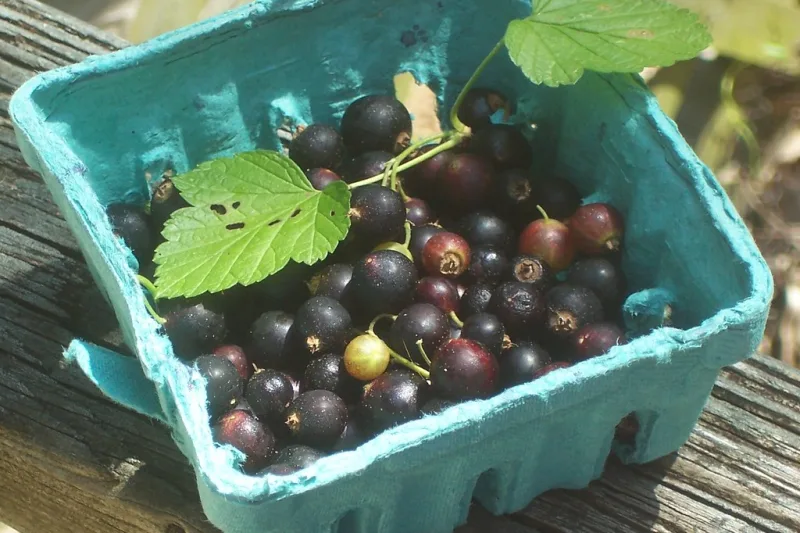

Blackcurrant Tea: Benefits, How to Prepare and Side Effects
IMPORTANT: Although blackcurrant tea is generally well tolerated and has been consumed for centuries in rural Romania, it is not a substitute for medical treatment. People taking anticoagulant medication, those with low blood pressure, or with kidney conditions should consult a doctor before drinking large amounts. Pregnant or breastfeeding women should use the tea in moderation and only after speaking with their doctor. Blackcurrant leaves and berries may interact with certain medications, and excessive consumption can cause mild digestive upset. Blackcurrant tea is a support for health, not a replacement for professional care.
I can still recall the fragrant, slightly sharp scent in Grandmother Veta’s yard, in a village at the foot of the sub-Carpathian hills. By the fence behind her house she had an old blackcurrant bush that she guarded like the apple of her eye. When we visited in summer, she would send us out with little baskets to gather the glossy black clusters, but she always warned us: “Leave some leaves too, for they make the good tea for winter!” In autumn, when the wind began to blow cold, she would take out of the pantry a jar of dried leaves and berries and brew us a reddish, fragrant tea, sweetened with a teaspoon of acacia honey.
She used to say that as far back as she could remember, no serious cold had ever taken hold in their house in winter, and she put it all down to that tea sipped in the evening beside the warm stove. Later I understood that my grandmother had more wisdom than I had suspected: the blackcurrant is indeed one of the richest plants in vitamin C and antioxidants in our flora. Tea made from its leaves and berries has been used for generations as a home remedy for immunity, joints, and good spirits.
The blackcurrant (Ribes nigrum) is a small shrub with fragrant leaves and glossy black berries grouped in clusters. Native to Europe and Asia, it has been cultivated for centuries both for its fruit and for the medicinal properties of its leaves. In Romanian folk medicine, both the berries and the leaves are prized, and tea made from them is considered a true “winter tonic.” Today, modern science confirms many of the old folks’ intuitions: the plant is extremely rich in vitamin C, anthocyanins, and beneficial essential oils.
Table of Contents
- What blackcurrant is and where it comes from
- The composition and active principles of blackcurrant
- The health benefits of blackcurrant tea
- Traditional uses in the Romanian village
- How to prepare blackcurrant tea correctly (step-by-step recipes)
- When and how much blackcurrant tea to drink
- Combinations with other plants
- Practical tips and common mistakes
- Precautions and contraindications
- Conclusion
- Frequently Asked Questions
What blackcurrant is and where it comes from
The blackcurrant is a shrub of the Grossulariaceae family, growing between one and one and a half meters tall. Its leaves are lobed, resembling miniature grapevine leaves, and they give off an unmistakable scent, slightly resinous and aromatic, when rubbed between the fingers. The fruits are small, spherical, of an intense black-violet color, grouped in clusters known horticulturally as “strigs.”
The plant is native to the temperate zones of central and northern Europe, as well as northern Asia. In Romania, blackcurrant grows successfully in hilly and mountainous regions, where summers are not too hot and winter provides the cold the shrub needs to fruit well. Many traditional households have always had a blackcurrant bush near the house, both for jams and syrups and for leaves laid out to dry.
Unlike the red currant, the black variety has a stronger, more astringent and aromatic taste, and its content of active substances is considerably higher. This is why the blackcurrant has always been preferred for medicinal purposes. Both the ripe berries and the young leaves, gathered in spring and summer, go into the preparation of teas and home remedies.
The composition and active principles of blackcurrant
The therapeutic richness of the blackcurrant comes from its remarkable concentration of bioactive compounds. Studies suggest that both the berries and the leaves contain valuable substances, but in slightly different profiles.
Vitamin C is perhaps the best-known component of blackcurrant berries. They are among the richest fruits in ascorbic acid, far exceeding citrus fruits. Vitamin C supports immunity, collagen synthesis, and the antioxidant protection of cells.
Anthocyanins are the pigments that give the berries their black-violet color. These powerful antioxidants from the flavonoid family are associated in studies with protecting blood vessels and with anti-inflammatory effects.
Flavonoids and tannins in the leaves give the tea its astringent properties and are responsible, in folk tradition, for the effects on the joints.
Essential oils in the leaves provide the characteristic aromatic scent and contribute to the tonic effect of the tea.
Organic acids (citric acid, malic acid) give the slightly sour taste and support digestion.
Minerals such as potassium, manganese, and iron round out the plant’s nutritional profile. The leaves also contain useful amounts of vitamin C, which is why they were so valued for winter teas.
The health benefits of blackcurrant tea
Support for the immune system
The best-known benefit of blackcurrant tea is the support it offers to immunity. Thanks to its high vitamin C content, the tea made from the berries has been used since ancient times as a remedy to prevent colds and to help the body get through the cold season more easily. Folk tradition recommends a cup of warm blackcurrant tea at the first signs of a cold, ideally sweetened with honey.
Antioxidant properties
The anthocyanins and other polyphenols in blackcurrant act as antioxidants, neutralizing the free radicals that contribute to cellular aging. Studies suggest that a diet rich in such compounds may support long-term health. The tea, although more diluted than fresh fruit, retains a portion of these valuable antioxidants.
Support for joint health
In folk medicine, tea made from blackcurrant leaves was traditionally used for joint discomfort and to support mobility. Older people in mountain villages drank this tea especially in autumn and winter, when cold and damp aggravated rheumatic aches. The astringent and anti-inflammatory effects traditionally attributed to the leaves underlie this use.
Tonic and refreshing effect
Blackcurrant tea has a pleasant, aromatic, and slightly sour taste that makes it refreshing. Many people drink it simply for the feeling of freshness and energy it offers, without the caffeine of black or green tea. It is a good choice for those who want a warm, aromatic drink, but without stimulants.
Support for circulation and blood vessels
The anthocyanins in blackcurrant are studied for their role in supporting the health of blood vessels. Folk tradition attributes to the tea the property of strengthening the capillaries and supporting good circulation, especially in combination with an active lifestyle.
Mild diuretic effect
Blackcurrant leaves were traditionally used as a gentle diuretic, helping the body eliminate excess fluids. This property made the tea popularly recommended in spring “cleansing” routines, alongside other depurative plants.
Support for digestion
The slightly sour taste and the content of organic acids make blackcurrant tea a pleasant aid for digestion. Grandmothers often offered it after rich meals, believing it helps the stomach and soothes discomfort.
Traditional uses in the Romanian village
In traditional households, the blackcurrant played an important role in the “house pharmacy.” The leaves were gathered in spring and summer, on sunny days, and laid out to dry in the shade, in thin layers, to preserve their scent and active substances. The berries were dried, turned into syrup or jam, but a portion were kept especially for the winter tea.
The leaf tea was considered a remedy “for bones and joints,” drunk especially by older people who worked hard in the fields. The berry tea, richer in vitamin C, was the “cold remedy” par excellence, given to children and the elderly alike at the first signs of illness.
Blackcurrant leaves were also used for other household purposes: they were placed in jars of pickles and cucumbers to add aroma and keep them crisp, thanks to their tannins. This ancient custom shows how prized this plant was in the everyday life of the village.
How to prepare blackcurrant tea correctly (step-by-step recipes)
Correct preparation makes the difference between a fragrant, valuable tea and a bland one. Here are the traditional methods, explained step by step.
Tea from blackcurrant leaves (infusion)
This is the method suited to leaves, whether fresh or dried.
- Bring approximately 250 ml of water (one large cup) to a boil.
- Measure one heaped teaspoon of dried blackcurrant leaves, or two teaspoons of chopped fresh leaves, per cup.
- Once the water has boiled, take the pot off the heat and let it cool slightly, about one minute. Water boiling vigorously directly over the leaves can destroy some of the delicate substances.
- Pour the hot water over the leaves, into a cup or vessel that can be covered.
- Cover and let it steep for 8-10 minutes. Covering is important to retain the aromatic essential oils that would otherwise evaporate.
- Strain and drink the tea warm. You can sweeten it with a teaspoon of honey, after the tea has cooled a little.
Tea from blackcurrant berries (decoction/infusion)
For dried berries, a slightly longer infusion better draws out the aroma and active substances.
- Place one tablespoon of dried blackcurrant berries in a cup.
- If the berries are whole and hard, you can lightly crush them with the back of a spoon, to better release the juice and anthocyanins.
- Pour 250-300 ml of hot (not boiling) water over them.
- Cover and let it steep for 10-15 minutes.
- Strain and consume. The tea will have a beautiful reddish-violet color and a pleasant sour taste.
Combined tea (leaves and berries)
For a complete tea that blends the benefits of leaves and berries, you can combine the two.
- Place one teaspoon of dried leaves and half a tablespoon of dried berries in a cup.
- Lightly crush the berries.
- Pour in 300 ml of hot water.
- Cover and let it steep for 10-12 minutes.
- Strain, sweeten to taste, and drink warm.
Tea from fresh blackcurrants
In summer, when you have fresh fruit, you can prepare a delicious tea.
- Crush one tablespoon of fresh blackcurrants in a cup.
- Pour hot water over them.
- Let it steep for 5-7 minutes.
- Strain and drink. You can add a few fresh leaves for extra aroma.
When and how much blackcurrant tea to drink
Blackcurrant tea can generally be drunk one to three cups a day, depending on the purpose and individual tolerance. To support immunity in the cold season, a warm cup in the evening is a classic choice. For its tonic and refreshing effect, the tea can be drunk in the morning or at midday.
Unlike black or green tea, blackcurrant tea contains no caffeine, so it can also be drunk in the evening, before bed, without disturbing sleep. For more intensive routines (for example, for joint discomfort), tradition recommends drinking it for a few weeks, followed by a break.
It is best to drink the tea freshly prepared, since antioxidants lose their potency if the tea sits for a long time. Avoid over-sweetening, to preserve the health benefits.
Combinations with other plants
Blackcurrant tea blends beautifully with many other plants, both for taste and for effect:
- With rosehips — an excellent duo for immunity, as both are very rich in vitamin C. The result is a sour, reddish tea, ideal for winter.
- With linden — for a calming, relaxing effect, suited to the evening.
- With mint — for a refreshing taste and digestive support.
- With thyme — for supporting the respiratory system in the cold season.
- With ginger — for a warming, invigorating tea on cold days.
- With chamomile — for a gentle, soothing effect.
A classic winter combination from Romanian tradition is blackcurrants, rosehips, and a slice of lemon, sweetened with honey.
Practical tips and common mistakes
Mistake no. 1: Using boiling water directly over the leaves. Vigorously boiling water destroys some of the vitamin C and the aromatic essential oils. Let the water cool for a minute after it has boiled, before pouring it over the plant.
Mistake no. 2: Steeping without a lid. The essential oils that provide the aroma evaporate along with the steam. Always cover the vessel during the infusion, to preserve the scent and volatile substances.
Mistake no. 3: Drying the leaves in strong sun. Direct sunlight degrades chlorophyll and active substances. Dry the leaves in the shade, in an airy place, in thin layers.
Mistake no. 4: Adding honey to tea that is too hot. Honey added to boiling liquid loses some of its properties. Wait for the tea to cool until it is merely warm, then add the honey.
Mistake no. 5: Excessive consumption. More does not mean better. Three cups a day is usually enough. Excessive consumption can cause digestive discomfort due to the tannins.
Mistake no. 6: Improper storage. Dried leaves and berries should be kept in airtight containers, in a dark, dry place. Moisture leads to mold and loss of properties.
Mistake no. 7: Ignoring the quality of the raw material. Use leaves and berries gathered from clean places, far from roads and areas treated with chemicals. The quality of the tea depends directly on the quality of the plant.
Precautions and contraindications
Although blackcurrant tea is a gentle and safe remedy for most people, there are a few situations in which it should be consumed with caution.
People taking anticoagulant medication should consult their doctor, since certain components of the plant may influence blood clotting. Likewise, those with very low blood pressure should be careful, since some diuretic plants can accentuate the drop in blood pressure.
People with kidney conditions should consult a doctor before using the tea as a diuretic. Pregnant or breastfeeding women should use the tea only in moderation and after their doctor’s advice.
As with any plant, individual allergic reactions are possible. If unusual symptoms appear after consumption (rashes, itching, digestive upset), stop drinking it. Do not give concentrated teas to small children without a doctor’s advice.
Remember that blackcurrant tea is a support for health and a source of pleasure and aroma, but not a medical treatment. In case of actual illness, always consult a doctor.
Conclusion
Blackcurrant tea is a treasure of Romanian folk tradition, a home remedy that combines the pleasant with the useful. Rich in vitamin C, anthocyanins, and aromatic oils, it supports immunity, provides valuable antioxidants, and has an invigorating, sour, fragrant taste. Whether you use the dried leaves for a “bone tea” or the berries for a winter tonic, this drink carries with it the wisdom of grandparents who knew how to value what the garden offered them. Prepared correctly, with water that is not too hot and under a lid, and consumed in moderation, blackcurrant tea can become a pleasant and healthy companion of the cold season — and beyond.
Frequently Asked Questions
What does blackcurrant tea taste like? The tea has an aromatic, slightly sour, and astringent taste, with an unmistakable resinous and fruity scent. The berry tea has a beautiful reddish-violet color, while the leaf tea has a greenish-golden hue. Many people sweeten it with honey to balance the acidity.
Can I use both the leaves and the berries? Yes, both are valuable. The berries are richer in vitamin C and anthocyanins, making them ideal for immunity, while the leaves have astringent and diuretic effects and were traditionally used for the joints. You can combine the two for a complete tea.
Does blackcurrant tea contain caffeine? No, blackcurrant tea, being an herbal tea (tisane), contains no caffeine. It can be drunk in the evening too, without disturbing sleep.
How often can I drink blackcurrant tea? In general, one to three cups a day are suitable for a healthy adult. For more intensive routines, it is recommended to drink it for a few weeks, followed by a break.
When are blackcurrant leaves gathered for tea? The leaves are gathered in spring and early summer, when they are young and fragrant, on sunny days, after the dew has dried. They are then dried in the shade, in thin layers.
Is blackcurrant tea good for colds? Folk tradition warmly recommends it for the first signs of a cold, thanks to its high vitamin C content. A warm cup, sweetened with honey, is a classic home remedy. However, it does not replace medical treatment in case of serious illness.
Can I drink this tea if I am pregnant? Pregnant women should use the tea in moderation and only after consulting their doctor, as with any herbal tea.
How do I store dried leaves and berries? In airtight containers (glass jars or thick paper bags), in a dark, dry, and cool place. This way they keep their aroma and properties for about a year.