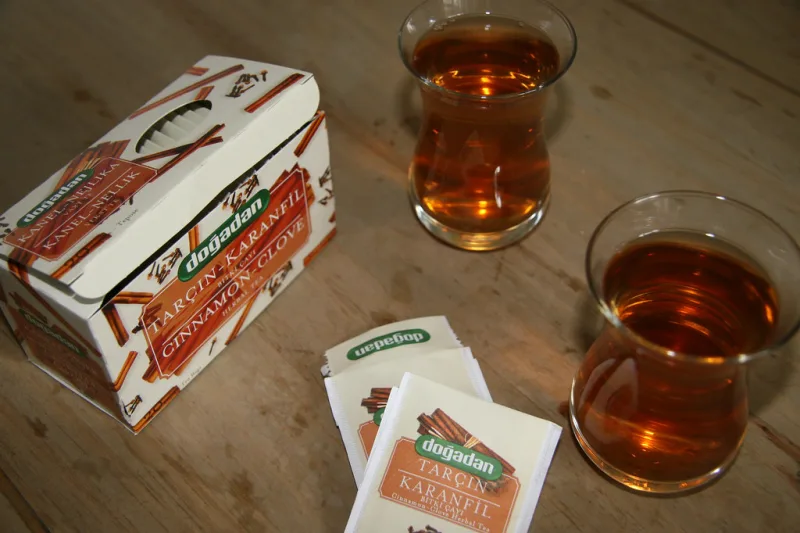

Clove Tea: Benefits, How to Prepare It and Side Effects
IMPORTANT: Clove tea is a traditional remedy, not a substitute for medical treatment. Cloves contain a high concentration of eugenol, an active compound that can be harmful in excess. People taking blood-thinning medication (such as warfarin, acenocoumarol or aspirin) should be cautious, because eugenol can thin the blood and prolong clotting time. Pregnant and breastfeeding women should avoid medicinal amounts and stick to the quantity normally used in cooking. Clove tea should not be given to young children without a doctor’s advice, and clove essential oil must never be swallowed undiluted. If you have a sore throat that lasts more than a few days, a high fever, trouble breathing or a persistent toothache, see a doctor — a cup of tea does not replace a diagnosis.
A story from Grandma Saveta
I still remember the winters spent at my Grandma Saveta’s house, in a village at the foot of the sub-Carpathian hills. When the cold set in and someone in the house started to sneeze, she never rushed to the pharmacy. She went to the pantry, opened a little tin box rusty around the edges, and took out a few dried cloves, hard as tiny fragrant nails. “These are for the throat and for strength,” she would say, dropping them into a pot of water set to boil on the wood stove. The warm, sweet-and-spicy aroma spread through the whole kitchen, and just breathing it in already made you feel a little better.
Grandma would pour the hot tea into a clay mug, sweeten it with a spoonful of acacia honey, and sometimes squeeze a slice of lemon into it. She made us sip it slowly, one mouthful at a time, as hot as we could bear. “Let it warm your throat from the inside,” she urged us. The next day, more often than not, the scratchiness in the throat had eased. Grandma knew nothing about eugenol or the antiseptic properties of cloves; she only knew what she had seen from her own mother and grandmother. And that tradition, passed down from one generation to the next, has more and more support from research today.
What is clove tea
Cloves are the dried flower buds of the Syzygium aromaticum tree, an evergreen plant in the myrtle family, native to the Maluku Islands of Indonesia, once known as the “Spice Islands.” The buds are picked before they bloom, dried in the sun until they turn reddish-brown and take on their characteristic nail-like shape, and then used whole or ground as a spice. For centuries, cloves have been among the most prized spices in the world, valued both for their aroma and for their medicinal properties.
Clove tea is simply the infusion or decoction made from these dried buds. It has an intense, warm, slightly spicy and sweetish flavour, with an almost menthol-like finish thanks to eugenol. Romanian folk tradition, as well as Indian Ayurvedic and Chinese medicine, have long used this tea to soothe sore throats, support immunity in the cold season, ease digestion and freshen the breath. Today, clove tea is enjoyed both on its own and combined with cinnamon, ginger or cardamom.
Table of Contents
- Composition and active compounds
- Health benefits of clove tea
- Traditional uses
- How to brew clove tea properly (step-by-step recipes)
- When and how much to drink
- Combinations with other plants and spices
- Lifestyle tips for the cold season
- Practical tips and common mistakes
- Conclusion
- Frequently Asked Questions
Composition and active compounds
The power of clove tea comes from the remarkable concentration of bioactive compounds in the dried buds. The main one is eugenol, a phenolic compound that makes up a large part of the cloves’ volatile oil and gives them both their distinctive aroma and most of their therapeutic properties. Eugenol is recognised for its antiseptic, anti-inflammatory and mildly anaesthetic effects — which is exactly why it has traditionally been used for toothaches.
Besides eugenol, cloves contain other valuable compounds:
- Beta-caryophyllene, a terpene with anti-inflammatory properties.
- Gallic acid and other phenolic compounds, with antioxidant roles.
- Flavonoids such as kaempferol and quercetin, which help fight oxidative stress.
- Vitamins and minerals in small amounts, including vitamin K, vitamin C, manganese, magnesium and fibre.
- Tannins, which give cloves their astringency and contribute to the soothing effect on mucous membranes.
Cloves are traditionally regarded as one of the richest sources of antioxidants among spices. Studies suggest that this high antioxidant capacity may explain many of the benefits associated with moderate clove consumption, though most of the research has been done on concentrated extracts rather than on weak everyday tea.
Health benefits of clove tea
Supports immunity in the cold season
Perhaps the best-known use of clove tea is supporting the body during the cold months. Folk tradition considers it a “warming” drink that helps prevent and ease colds. The antioxidant and antimicrobial compounds in cloves, led by eugenol, may help the body cope better with outside stressors. Drunk warm, with honey and lemon, the tea also provides fluids and warmth that are very welcome when you have a cold.
Soothes sore throats and coughs
This is the use that made it famous in our grandparents’ homes. Eugenol has a mild anaesthetic and antiseptic effect on mucous membranes, while the warm liquid, the steam and the added honey help coat and calm an irritated throat. Gargling with cooled clove tea is a traditional remedy for throat discomfort. Many people describe a pleasant “numbing” sensation after drinking the tea — exactly what you want when your throat is sore.
Aids digestion
In traditional medicine, cloves are used to stimulate digestion, reduce bloating and ease nausea. A warm cup of clove tea after a heavy meal can help the stomach process food more easily and reduce that feeling of fullness. Cloves also have a carminative effect, meaning they help expel intestinal gas.
Supports oral health
Thanks to eugenol, cloves are a classic remedy for toothaches and oral hygiene. Clove tea, used as a cooled mouthwash, can help reduce bacteria in the mouth and freshen the breath. Tradition even recommends chewing a whole clove to temporarily relieve an aching tooth — an emergency trick known for generations.
Has antioxidant properties
The antioxidants in cloves help neutralise free radicals, the unstable molecules that, in excess, can damage cells. Moderate consumption of antioxidant-rich foods and drinks, as part of a balanced diet, is associated with maintaining general well-being. Clove tea can be a pleasant little part of that picture.
A warming and relaxing effect
Beyond the concrete benefits, clove tea also has a simple but precious side: it warms you up and calms you down. Its warm, spicy-sweet aroma has a soothing effect on the senses. On a cold winter evening, a cup of clove tea becomes a small ritual of comfort, much like the one our grandparents kept.
Traditional uses
In the old Romanian household, cloves were never missing from the pantry. Besides tea, they were used in several ways:
- As a gargle, for sore throats and mild tonsillitis.
- Chewed whole, to ease toothaches and chase away bad breath.
- In mulled wine, along with cinnamon and orange peel, as a winter drink.
- In aromatic vinegars and pickles, for flavour and preservation.
- In compotes and preserves, to give desserts a warm fragrance.
In Ayurvedic medicine, cloves are considered “warming” and are used to balance the body during cold, damp periods. In Chinese tradition, they appear in formulas for supporting digestion. These cross-cultural uses show how prized this little bud has been throughout history.
How to brew clove tea properly (step-by-step recipes)
The secret to a good clove tea lies in balance: too few cloves and the tea is bland, too many and it becomes bitter and overpowering. Here are a few time-tested recipes.
The classic, simple recipe
You need:
- 4–6 whole cloves (or half a teaspoon of ground cloves)
- 250 ml water
- honey and lemon to taste (optional)
Step by step:
- Bring the water to a boil in a kettle or small pot.
- When the water boils, add the whole cloves.
- Let it simmer gently (a decoction) for 3–5 minutes, then take the pot off the heat.
- Cover and let it steep for another 5–10 minutes so the aromas come out fully.
- Strain the tea into a mug.
- If you like, add a teaspoon of honey (once the tea has cooled a little, so you don’t destroy the enzymes in the honey) and a few drops of lemon juice.
This easy decoction is the basic version, suited for the throat and for warming up.
The quick infusion recipe
If you’re in a hurry and using ground cloves or ready-made teabags (such as clove-cinnamon blends), you can make a quick infusion: put half a teaspoon of ground cloves or one teabag in a mug, pour boiling water over them, cover and let steep for 7–10 minutes. Strain (if needed) and sweeten to taste. The infusion is milder than the decoction but perfectly suited for moderate daily use.
The winter recipe with cinnamon and ginger
You need:
- 4 whole cloves
- 1 small cinnamon stick
- 2–3 thin slices of fresh ginger
- 300 ml water
- honey and lemon to taste
Step by step:
- Add the water, cloves, cinnamon and ginger to a pot and bring to a boil.
- Simmer over low heat for 5–7 minutes.
- Turn off the heat, cover and let it steep for another 5 minutes.
- Strain, sweeten with honey and add lemon.
This blend is the ideal drink for cold evenings and for those moments when you feel a cold “coming on.”
Gargling with clove tea
For the throat, prepare a decoction as in the classic recipe, but let it cool until lukewarm. Gargle with it 2–3 times a day, without swallowing it (or swallowing only a little, after gargling). The antiseptic and mildly anaesthetic effect of eugenol can soothe the soreness.
When and how much to drink
Moderation is the key word with cloves, precisely because eugenol is powerful. For a healthy adult, 1–2 cups of weak tea per day are generally enough and safe. During colds or throat discomfort, many prefer to drink the tea warm, morning and evening.
Do not use more than 5–6 cloves per cup and do not drink very concentrated tea for days on end. For digestion, a single cup after a meal is enough. For the throat, alternate between drinking and gargling. Avoid drinking large amounts of the tea on an empty stomach, as it may irritate the stomach lining in sensitive people.
Combinations with other plants and spices
Clove tea pairs beautifully with other warm, beneficial flavours:
- Cloves + cinnamon: the classic winter combination, sweet and warming.
- Cloves + ginger: excellent for the throat, digestion and that chilled feeling.
- Cloves + cardamom + cinnamon: the base of a fragrant “chai,” especially with milk.
- Cloves + thyme: folk tradition combines them for coughs and the throat.
- Cloves + orange peel + honey: a comforting drink for cool evenings.
These combinations not only enrich the taste but also add the benefits of each plant.
Lifestyle tips for the cold season
Clove tea works best when it’s part of a healthy lifestyle. In winter, try to rest enough — sleep is one of the best allies of immunity. Stay well hydrated: warm teas help, but also drink water throughout the day. Air out your rooms, even in the cold, to reduce the concentration of germs in the air. Dress in layers and protect your throat with a scarf, just as our grandparents taught us. A diet rich in vegetables, fruit and warm soups, together with a cup of clove tea in the evening, can make winter much gentler.
Practical tips and common mistakes
Mistake no. 1: Using too many cloves. Many people think “more is better.” In reality, too many cloves make the tea bitter, hard to drink and may lead to an excess of eugenol. Stick to 4–6 cloves per cup.
Mistake no. 2: Over-boiling. If you let the cloves boil for too long, the aroma turns bitter and some of the volatile compounds are lost. A short 3–5 minute decoction, followed by steeping in a covered pot, is ideal.
Mistake no. 3: Adding honey to boiling tea. Honey loses some of its properties at very high temperatures. Let the tea cool for a minute or two before adding honey.
Mistake no. 4: Drinking too much, every day. Clove tea is not a drink to consume by the litre. More than 2 concentrated cups a day, over the long term, is not recommended. Moderation protects the stomach and liver.
Mistake no. 5: Ignoring drug interactions. If you take blood thinners or have a clotting problem, eugenol can be an issue. Ask your doctor before making clove tea a habit.
Mistake no. 6: Using essential oil instead of cloves. Clove essential oil is extremely concentrated and must NOT be swallowed as such. For tea, always use whole buds or clove powder, never the oil.
Conclusion
Clove tea is one of those simple, humble and reliable remedies that link the kitchen to the medicine pantry. With its warm aroma and rich array of active compounds, led by eugenol, it can support immunity in the cold season, soothe an irritated throat, aid digestion and freshen the breath. The secret lies in proper preparation and moderation: a few cloves, briefly boiled water, a little honey and lemon — and you have in your cup a small ritual of comfort, just like Grandma Saveta’s. Used wisely and with respect for its strength, clove tea deserves a place in any pantry. As long as you keep the cautions in mind and don’t mistake it for a medical treatment, it remains a trusted friend on cold winter nights.
Frequently Asked Questions
How often can I drink clove tea? For a healthy adult, 1–2 cups of weak tea per day are generally safe. Avoid very concentrated tea for days on end and listen to your body. If you experience stomach discomfort, reduce the amount.
Is clove tea good for a sore throat? Yes, it is one of its best-known traditional uses. Eugenol has a mild anaesthetic and antiseptic effect, and the warm drink with honey soothes the irritated mucosa. You can also gargle with the cooled tea.
Can I drink clove tea during pregnancy? In the amount normally used in cooking, cloves are generally considered safe. However, drinking concentrated tea for medicinal purposes is not recommended without a doctor’s approval. The safest option is to ask the doctor following your pregnancy.
Are whole or ground cloves better for tea? Both work. Whole cloves give a cleaner aroma and are easy to strain, making them ideal for a decoction. Ground cloves release their aroma faster and are suited for quick infusions, but they need more careful straining.
Does clove tea help digestion? Folk tradition and Ayurvedic medicine use it precisely to support digestion, reduce bloating and ease nausea. A warm cup after a heavy meal can be helpful.
Why does my clove tea turn bitter? The most common causes are using too many cloves and boiling for too long. Reduce the amount to 4–6 cloves and limit boiling to a few minutes, leaving the rest to steep under a lid.
Can I give clove tea to children? It is not recommended for young children without a doctor’s advice, and clove essential oil should never be given to children internally. For older children, a very weak infusion, occasionally, may be acceptable, but ask the doctor first.
Can clove tea thin my blood? The eugenol in cloves may have a mild blood-thinning effect. That is why people taking blood thinners or about to have surgery should be cautious and talk to their doctor before drinking it regularly.