
Elderflower Tea: Benefits, How to Prepare and Side Effects
IMPORTANT: Tea made from elderflowers (Sambucus nigra) is generally well tolerated by adults, but a few essential precautions apply. Never use raw parts of the plant, especially the unripe (green) berries, leaves, bark and roots, which contain cyanogenic glycosides and can cause nausea, vomiting and cramps. The flowers should always be consumed as a properly prepared infusion. People allergic to plants in the Caprifoliaceae family, pregnant women and breastfeeding mothers should ask a doctor before drinking this tea regularly. If you are taking diuretics, diabetes medication or immunosuppressants, talk to your doctor, since elder has a diuretic effect and may influence blood sugar. Elderflower tea is not a substitute for medical treatment: if a fever lasts more than three days, breathing difficulties appear, or your condition worsens, seek medical care promptly.
Grandmother Veronica, from the villages along the Bistrița valley, had an unwritten rule for the start of every June: when the elder opened its white, fragrant umbrella-shaped blossoms at the edge of the garden, it was time to climb up at dawn, while the dew was still fresh, and gather the flowers. She collected them in wicker baskets, never in plastic bags, and spread them on newspapers in the shade, in the attic, where the sweet-bitter scent drifted all the way out to the yard. She used to say that elder was “the poor man’s doctor” and that a handful of dried flowers kept in a jar was worth as much as an entire pharmacy when winter arrived.
And when the cold set in and someone in the house started sneezing and shivering, grandmother never reached for anything complicated. She put a fistful of dried flowers into a small pot, poured hot water over them, covered the pot and waited. Then she gave the warm tea to the sick person, tucked them in well under the quilt, and told them to sweat “so the illness comes out.” More often than not, by the next day the fever had dropped, the nose had cleared, and the patient felt relieved. This simple practice, handed down from one generation to the next, is in fact a folk application of one of elder’s most prized properties: its diaphoretic effect, that is, the stimulation of sweating.
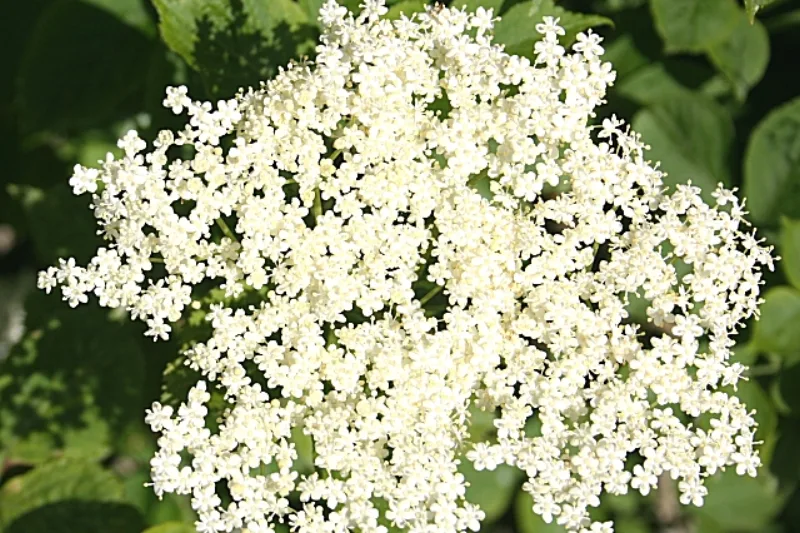
Elderflower tea is an infusion made from the blossoms of the black elder shrub (Sambucus nigra), a plant found throughout Europe, including in the forests, along roadsides and in the gardens of Romania. The small, creamy-white flowers, grouped in large umbrella-shaped clusters, bloom in late spring and early summer and give off a sweet, unmistakable fragrance. Used for centuries in European folk medicine, elderflower tea is appreciated above all for the support it offers during colds, flu and respiratory complaints, as well as for its mild diuretic and cleansing effects.
Table of Contents
- What elder is and where it grows
- The composition of elderflowers
- The health benefits of elderflower tea
- Traditional uses of elderflowers
- How to prepare elderflower tea correctly
- When and how much to drink
- Blends with other herbs
- Practical tips and common mistakes
- Lifestyle and natural support in the cold season
- Conclusion
- Frequently Asked Questions
What elder is and where it grows
Black elder (Sambucus nigra) is a shrub or large shrub, sometimes even a small tree, that can reach 4-6 metres in height. It grows wild throughout Europe and is extremely common in Romania too, from the plains up into the hill country. We find it along roadsides, at the edge of forests, near fences, in untended places and, very often, at the border of country gardens, where it has been left to grow or even deliberately planted precisely for its flowers and fruit.
The leaves are compound, dark green, with a characteristic and rather unpleasant smell when crushed. The flowers, by contrast, are the star of the plant: small, with five white or creamy-white petals, grouped in broad, flat, umbrella-like clusters that bloom abundantly in May and June. These are the most-used part for teas. Later, towards the end of summer and into autumn, the fruit appears: small, glossy, blackish-purple berries that are also used for medicinal and culinary purposes, but only after cooking, never raw.
It is very important not to confuse black elder with similar-looking plants. Genuine elder has fragrant, sweet flowers borne on woody branches and fruit that hangs downward when ripe. For those who forage in the wild, the recommendation is to learn the plant well or to seek the help of an expert, since confusion can be dangerous.
The composition of elderflowers
The value of elderflower tea comes from the wealth of active compounds in the flowers. Folk tradition sensed these properties long before research could explain them. Elderflowers contain:
- Flavonoids (such as rutin, quercetin and kaempferol), compounds with a recognised antioxidant effect that help the body cope with oxidative stress.
- Phenolic acids, which contribute to the anti-inflammatory and protective effects.
- Volatile oils, responsible in part for the characteristic fragrance and the mild diaphoretic effect.
- Mucilage, soothing substances that “coat” and calm irritated throat membranes.
- Mineral salts, especially potassium, which support the mild diuretic effect.
- Triterpenes and tannins, contributing to astringent and toning effects.
This natural blend explains why elderflower tea has been used for generations to support the body during colds: the combination of antioxidant flavonoids, soothing mucilage and compounds that stimulate sweating acts on several levels. Studies suggest that elder extracts may have properties that support the immune system, but the most solid support, for now, remains the long experience of traditional medicine.
The health benefits of elderflower tea
Support during colds and flu
The best-known use of elderflower tea is in the cold season, at the first signs of a cold or flu. Folk tradition considers it a key ally in helping the body get through a respiratory infection more easily. Drunk warm, elderflower tea can help ease the sense of discomfort, hydrate the body and soothe an irritated throat. Many people drink it preventively, on cold winter days, as an act of self-care.
Diaphoretic effect (stimulating sweating)
This is the property for which elder is most prized in folk medicine. Drunk hot, elderflower tea stimulates sweating, which, in traditional thinking, “helps the fever break” and helps the body eliminate the illness. From a modern point of view, abundant sweating accompanied by adequate hydration can help regulate body temperature during mild feverish states. This is exactly why grandmothers taught the sick person to drink the tea warm and then wrap up well.
Support for the respiratory tract
Thanks to its soothing mucilage and volatile oils, elderflower tea is traditionally used to calm an irritating cough, to loosen secretions and to ease the sensation of a blocked nose. The steam from a warm cup, inhaled as you drink, can offer additional relief for the upper respiratory tract.
Mild diuretic and cleansing effect
Elderflowers have a mild diuretic effect, due in part to their potassium and flavonoid content. In folk tradition, elderflower tea is drunk in spring cures to “cleanse the blood” and support the elimination of excess water from the body. This effect can also be useful for those who feel mild fluid retention, but always within reasonable limits and never as a replacement for medical treatment.
Support for skin and mucous membranes
The wealth of antioxidant flavonoids makes elder a traditional ally for skin beauty too. Cooled elderflower infusion was used as a facial wash, for bright, soft skin. Antioxidants help the body cope with oxidative stress, a factor involved in cellular ageing.
Calming effect and general comfort
Many people appreciate elderflower tea for the sense of comfort it provides: warm, lightly sweet-floral, fragrant, drunk in the evening, it can be part of a soothing ritual before bed, especially when a cold makes sleep difficult. The hydration and pleasant warmth of the tea contribute to an overall feeling of wellbeing.
Traditional uses of elderflowers
In the traditional Romanian household, elder was not used only for tea. The fragrant flowers went into a variety of preparations, each with its own role:
- Elderflower cordial (socată), a refreshing, lightly fermented drink made from flowers, water, sugar, lemon and sometimes vinegar, drunk in summer to cool down and for its taste.
- Elderflower lemonade, a simpler, non-alcoholic version, much loved by children.
- Flowers fried in batter (a kind of elderflower “fritter”), a seasonal rural delicacy.
- Compresses and washes with flower infusion, for irritated skin and tired eyes.
- Gargles with lukewarm elderflower tea, for an irritated throat.
The ripe berries (only after cooking) were used for jams, syrups and “elder wine,” appreciated for their vitamin contribution in the cold months.
How to prepare elderflower tea correctly
Correct preparation is essential for preserving the flowers’ properties and obtaining a tasty tea. Here is the classic method, step by step.
Basic recipe (infusion)
Ingredients:
- 1-2 teaspoons of dried elderflowers (or 1 tablespoon of fresh flowers) for a cup of about 250 ml
- 250 ml hot water (not at a fierce boil)
- Optional: a teaspoon of honey and a few drops of lemon juice
Method:
- Place the dried elderflowers in a cup or a small pot.
- Heat the water to just below boiling, then let it settle for 30-60 seconds (the ideal temperature is around 90-95°C, so you don’t “burn” the volatile compounds).
- Pour the hot water over the flowers.
- Cover the cup with a saucer or lid, so the aromatic volatile oils aren’t lost with the steam.
- Let it steep for 8-10 minutes.
- Strain through a fine sieve.
- If you wish, sweeten with honey (after the tea has cooled a little, to preserve the honey’s properties) and add lemon juice.
Concentrated version for colds
When the aim is the diaphoretic effect during a cold, tradition recommends a slightly stronger infusion: 2 teaspoons of flowers per cup, steeped for 10 minutes, drunk as hot as possible (without scalding yourself), followed by rest in bed, well tucked in. This method encourages sweating.
With fresh flowers
If you have access to fresh flowers, picked on a clear day, in the morning after the dew has lifted, you can use them right away. Shake the flowers gently to remove any insects (do not wash them, so you don’t lose the aromatic pollen) and detach the small blossoms from the green stalks, which can give an unpleasant bitter taste. Use roughly double the amount compared with dried flowers.
Drying and storing the flowers
To have tea all year round, the flowers are dried spread out in a single layer, on paper or on screens, in the shade, in a well-ventilated, dry place. Once they are completely dry and crumble easily, detach them from the stalks and store them in glass jars or paper bags, in the dark. This way they keep their aroma and properties for about a year.
When and how much to drink
Traditionally, for general support and pleasure, you can drink 1-2 cups of elderflower tea a day. During cold spells, many people temporarily increase to 2-3 cups a day, drunk warm and spread throughout the day. For the diaphoretic effect, the tea is drunk in the evening, warm, followed by rest.
As a general rule of caution, intensive cures should not exceed 1-2 consecutive weeks, after which it is good to take a break. Extra hydration is important, especially if the tea causes abundant sweating. Children may drink well-diluted elderflower tea in smaller amounts, but only on the advice of a paediatrician, especially at a young age.
Blends with other herbs
Elderflower tea blends beautifully with other herbs, both for taste and for complementary effects:
- Elder and linden: a classic combination for colds, soothing and pleasantly fragrant.
- Elder and chamomile: for a gentle, calming effect, suitable in the evening.
- Elder and mint: mint adds freshness and helps with a blocked nose.
- Elder and rosehip: for an extra dose of vitamin C in the cold season.
- Elder, ginger and lemon: a toning, warming combination, very popular in winter.
- Elder and thyme: traditionally used to support the respiratory tract and calm a cough.
Honey and lemon go with almost any combination, adding taste and extra comfort for the throat.
Lifestyle and natural support in the cold season
Elderflower tea gives the best results when it is part of a balanced lifestyle, especially in the cold season. A few simple habits can amplify its benefits:
- Enough rest: quality sleep is one of the strongest allies of the immune system.
- Constant hydration: besides tea, plain water and warm soups help the body cope better with the cold season.
- A diet rich in vegetables and fruit: the vitamins and antioxidants in food complement the intake from teas.
- Airing out the home: fresh air and adequate humidity help the respiratory tract.
- Moderate movement: walks in the fresh air, dressed appropriately, support immunity.
- Reducing stress: chronic stress weakens the body’s defences, and a warm ritual with a cup of tea can be a small moment of relaxation.
Seen this way, elderflower tea is not just a “remedy,” but also an act of care for your own body, a ritual that combines tradition with pleasure.
Practical Tips and Common Mistakes
Mistake no. 1: Using raw parts or unripe berries. Never consume the leaves, bark, roots or unripe berries of elder. These contain compounds that can cause nausea, vomiting and digestive discomfort. For tea, only the flowers are used.
Mistake no. 2: Boiling the flowers for a long time. The flowers are not boiled; they are scalded with hot water and left to steep covered. Prolonged boiling destroys the aromatic volatile oils and some of the beneficial compounds.
Mistake no. 3: Leaving the cup uncovered while steeping. If you leave the cup uncovered, the fragrant volatile oils are lost along with the steam. Always cover the vessel.
Mistake no. 4: Adding honey to boiling tea. Honey loses some of its properties at very high temperatures. Add it after the tea has cooled a little, to around 40°C.
Mistake no. 5: Confusing elder with other plants. When foraging, there is a risk of confusion with similar-looking plants. If you are not sure, ask an expert or buy flowers from a trustworthy source.
Mistake no. 6: Excessive, long-term consumption. The diuretic and diaphoretic effect of elder, if overdone, can lead to fluid loss. Stick to the recommended amounts and take breaks between cures.
Mistake no. 7: Ignoring serious symptoms. Elderflower tea is a support, not a treatment. If the fever is high and persistent or breathing difficulties appear, see a doctor.
Conclusion
Elderflower tea is one of the most beloved traditional Romanian remedies for the cold season, a gift of nature that entire generations have used to get through colds and flu more easily. Prepared correctly, from dried or fresh flowers, it offers a pleasant sweet-floral fragrance and a sense of comfort that goes perfectly with chilly days. Its diaphoretic, mildly diuretic and emollient properties, along with its wealth of antioxidant flavonoids, explain its reputation as “the poor man’s doctor.” Still, like any natural remedy, it should be used in moderation and with respect for the precautions: never raw parts, attention to amounts, and medical advice when symptoms are severe. Integrated into a healthy lifestyle, elderflower tea remains a gentle and fragrant ally, a warm bridge between the wisdom of our grandparents and our modern need for natural care.
Frequently Asked Questions
Is elderflower tea safe for everyone? Tea prepared correctly from elderflowers is generally well tolerated by healthy adults. Pregnant women, breastfeeding mothers, young children and people with chronic conditions or who take medication should ask a doctor. The raw parts of the plant should never be consumed.
How often can I drink elderflower tea? For pleasure and general support, 1-2 cups a day are appropriate. During cold spells you can temporarily go up to 2-3 cups a day. It is recommended not to exceed 1-2 weeks of intensive consumption without a break.
Does elderflower tea really help with colds and flu? Folk tradition has used it for centuries precisely for support during colds, thanks to its diaphoretic and soothing effect. Studies suggest that elder has properties that may support the body, but the tea does not replace medical treatment when it is needed.
Can I use fresh flowers instead of dried ones? Yes. Fresh flowers, picked in the morning after the dew has lifted, can be used right away. Detach the small blossoms from the green stalks and use roughly double the amount compared with dried flowers.
Why aren’t elderflowers boiled? Because prolonged boiling destroys the aromatic volatile oils and some of the beneficial compounds. The flowers are scalded with hot water and left to steep, covered, for 8-10 minutes.
Does elderflower tea have a diuretic effect? Yes, elderflowers have a mild diuretic effect, due in part to their potassium and flavonoid content. That is why it is good to hydrate extra and not overdo the amount, especially if you already take diuretic medication.
Can I give elderflower tea to children? Children may drink well-diluted elderflower tea in small amounts, but only on the advice of a paediatrician, especially at a young age. Do not sweeten with honey for children under one year old.
How do I store elderflowers for winter? Dry the flowers spread out in a single layer, in the shade, in a well-ventilated place. After they are completely dry, detach them from the stalks and store them in glass jars or paper bags, in the dark. They keep their properties for about a year.