
Lemon Balm Tea: Calming Benefits, How to Prepare and Side Effects
IMPORTANT: Lemon balm tea is generally very well tolerated and is considered one of the gentlest calming teas. Even so, people with hypothyroidism should be cautious, as studies suggest lemon balm may influence thyroid function. Pregnant or breastfeeding women should also consult a doctor before drinking it regularly. Lemon balm can intensify the effect of sedative medications, sleeping pills, and certain thyroid treatments, so if you are taking medication, talk to your doctor. Lemon balm tea is not a substitute for medical treatment of anxiety, depression, or severe sleep disorders.
Grandmother Veronica had a corner of her garden she called “the quiet corner.” There, by the old plank fence, grew a generous bush of lemon balm, which she would brush with her hand every time she passed, just to feel its lemony scent rise into the air. She said this plant “knew how to listen.” On evenings when someone in the house was troubled, restless, or could not fall asleep, she would step out into the garden even in the dark, pick a few fresh leaves, and drop them into a cup of hot water. “Sip it slowly, don’t rush,” she would say, “let it speak to you in the quiet.” And indeed, after a few sips, breathing would slow and the racing thoughts would settle.
Aunt Elena, her neighbor, swore that lemon balm tea saved her nights after she was widowed. She could no longer sleep, waking in the middle of the night with her heart pounding, until a cup of lemon balm in the evening, sweetened with a little honey, became the ritual that restored her peace. These stories are not unique. In nearly every Romanian village, lemon balm — also known as melissa, bee balm, or sweet balm — has been the trusted plant for nerves, sleep, and an uneasy stomach.
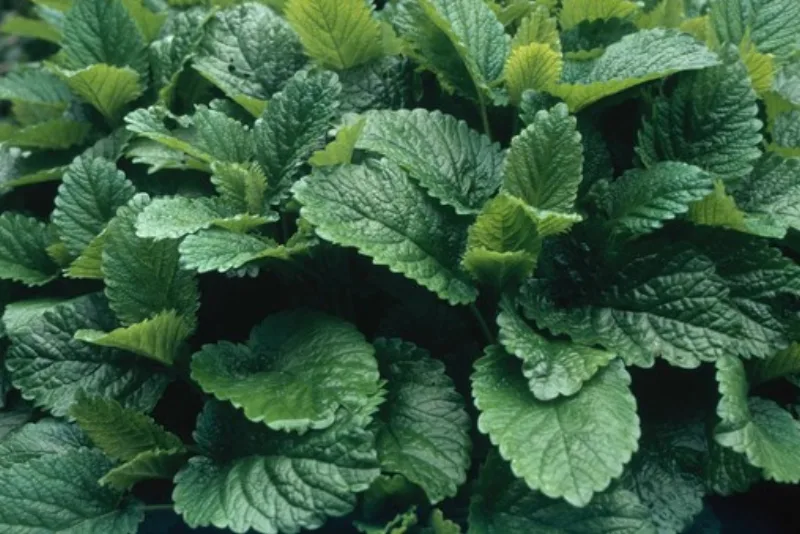
Lemon balm (Melissa officinalis) is a perennial herb of the mint family (Lamiaceae), instantly recognized by its strong lemon fragrance when the leaves are crushed between the fingers. It grows both wild and cultivated across most of Europe, found in gardens, near beehives (hence “bee balm,” since it attracts bees), and sometimes wild in shady places. The tea brewed from its leaves is one of the most cherished natural remedies for calming the nervous system, without causing heavy drowsiness or dependence.
Table of Contents
- What lemon balm is and why it is special
- Composition and active compounds
- Health benefits of lemon balm tea
- How to brew lemon balm tea correctly (step by step)
- When and how much to drink
- Combinations with other calming herbs
- Lemon balm in folk tradition
- Lifestyle and practical tips
- Practical Tips and Common Mistakes
- Precautions and contraindications
- Conclusion
- Frequently Asked Questions
What lemon balm is and why it is special
Lemon balm is a herbaceous plant that can reach 60–90 cm in height, with square stems (a hallmark of the mint family) and oval leaves, slightly toothed at the edges, in a fresh, velvety green. In summer it produces small white or pale yellow flowers, much sought after by bees. It is precisely this link to bees that gave it its scientific name: “Melissa” means “bee” in ancient Greek.
What truly makes it special is its volatile oil, rich in citrus-scented compounds, especially citral and citronellal. This fragrance is not merely pleasant but also therapeutically active — the lemony aroma has an almost immediate calming effect on the mind, even before you drink the tea. This is why many herbalists recommend breathing in the steam from the cup before the first sip.
Unlike stronger sedative plants such as valerian, lemon balm has a gentle, balanced action. It calms without “knocking you out,” which makes it suitable for children (in small doses) and for people who do not want to feel dizzy or drained of energy. It is, if you like, a “daytime” calmer as well as an evening aid for sleep.
Composition and active compounds
The effectiveness of lemon balm tea is explained by the richness of the active compounds in its leaves. Folk tradition observed the effects empirically, while modern herbal medicine has identified the main players:
- Volatile (essential) oil — contains citral, citronellal, geraniol, and linalool, responsible for the lemon aroma and the calming, relaxing effect.
- Phenolic acids — especially rosmarinic acid, a powerful antioxidant with anti-inflammatory properties that contributes to the soothing and antiviral effect.
- Flavonoids — quercetin, luteolin, and others, with antioxidant and blood-vessel-protecting roles.
- Tannins — which partly explain the mild astringent effect beneficial to digestion.
- Triterpenes and triterpenic acids — which support the anti-inflammatory action.
This combination gives lemon balm multiple effects: calming for the nervous system, relaxing for the smooth muscle of the digestive tract (an antispasmodic effect), mildly antiviral, and antioxidant. Studies suggest that rosmarinic acid plays an important role in the anti-anxiety effect, influencing the brain chemicals that regulate a state of calm.
Health benefits of lemon balm tea
Calms the nerves and reduces anxiety
The best-known benefit of lemon balm is its soothing effect on the mind. On a hectic day full of tension and thoughts that give you no peace, a cup of lemon balm tea can bring a feeling of inner “settling.” The lemon aroma, combined with the action of rosmarinic acid, helps temper restlessness and irritability. Many people describe the effect as a “deeper breath” for the mind. It is an excellent choice for stressful periods, for the jitters before an exam, or for moments when you simply cannot relax.
Helps with restful sleep
Lemon balm is a gentle ally of sleep. Unlike sleeping pills, it does not force you under but prepares body and mind for rest by reducing the agitation that keeps you awake. Drunk about an hour before bed, lemon balm tea can shorten the time it takes to fall asleep and make sleep more peaceful. Folk tradition often combined it with linden or valerian for a stronger effect on insomnia.
Soothes the stomach and aids digestion
In folk medicine, lemon balm was always a remedy for the “nervous stomach.” It has an antispasmodic effect, meaning it relaxes the smooth muscle of the digestive tract, helping ease cramps, bloating, and the feeling of heaviness after meals. It is especially useful when digestive troubles are linked to stress and emotion — that classic “knotted stomach” before an important event. A cup after a meal can ease indigestion and reduce gas.
Supports a heart unsettled by emotion
When anxiety shows up as palpitations or the feeling that the heart is “running away,” lemon balm can help. Its calming effect on the nervous system is also reflected in the subjectively felt heart rhythm during moments of stress. Grandmothers gave it to those who complained that their “heart was pounding hard” without a medical cause.
Antioxidant and antiviral effect
Thanks to rosmarinic acid and flavonoids, lemon balm has antioxidant properties, helping the body cope with oxidative stress. Traditionally, lemon balm leaves (as an infusion or poultice) were also used for cold sores, and studies suggest that lemon balm extracts may act against the herpes virus.
Eases tension headaches
Tension-type headaches, the ones that come after a long, demanding day, can be eased by lemon balm’s relaxing effect. By calming the nervous system and relaxing the muscles, the tea can reduce the “vice-like” feeling at the temples.
Supports female hormonal balance
Folk tradition also used lemon balm for premenstrual discomfort, especially for the irritability and cramps that accompany this time. Its antispasmodic and calming effect make it a gentle support for the difficult days of the cycle.
How to brew lemon balm tea correctly (step by step)
To preserve the volatile oils responsible for the calming effect, lemon balm tea must be prepared as an infusion, not boiled. Boiling destroys the delicate aromas and some of the properties.
Ingredients for one cup (250 ml):
- 1–2 teaspoons of dried lemon balm leaves OR a handful of fresh leaves
- 250 ml hot water (about 90–95°C, not a violent boil)
- optional: honey, a slice of lemon
Steps:
- Place the lemon balm leaves in a cup or an infuser.
- Boil the water and let it “rest” for 30 seconds after it comes to a boil, so it is not too hot and does not scorch the aromas.
- Pour the water over the leaves.
- Cover the cup with a small plate or lid — this is the key step. Covering prevents the volatile oils (aromatic and therapeutic) from evaporating with the steam.
- Let it steep for 5–10 minutes. For a stronger calming effect, lean toward 10 minutes.
- Strain and drink slowly, savoring the lemon aroma.
- Add honey only after the tea has cooled a little (below 40°C), to preserve the honey’s properties.
Tip: Fresh leaves give a more aromatic, delicate tea, while dried leaves are more concentrated. If you use fresh leaves, you can add more (a good handful), since they contain water and are less concentrated.
Lemon balm tincture (variation)
For those who want a more concentrated, ready-to-hand effect, a tincture is an alternative. Fill a jar with fresh lemon balm leaves and cover with food-grade alcohol (40–50% proof). Let it macerate for 2–3 weeks in the dark, shaking daily, then strain. Take 20–30 drops in a little water, 1–3 times a day. Note: the tincture contains alcohol and is not suitable for children or for people who avoid alcohol.
When and how much to drink
For a general calming effect, you can drink 2–3 cups a day, spread throughout the day. For sleep, one cup about an hour before bed is ideal. For digestion, a cup after the main meals helps settle the stomach.
Lemon balm is gentle and can be consumed over longer periods, but it is recommended to take breaks (for example, 3 weeks on and one week off) so the body does not become accustomed and remains responsive to its effects. For children, the dose is halved or less, and consumption should be discussed with a pediatrician.
Combinations with other calming herbs
Lemon balm blends very well with other medicinal herbs, forming powerful mixes:
- Lemon balm + linden — a classic combination for restful sleep and relaxation.
- Lemon balm + valerian — for more severe insomnia; valerian strengthens the sleep-inducing effect.
- Lemon balm + chamomile — for a nervous stomach and digestion, but also for evening relaxation.
- Lemon balm + lavender — for anxiety and tension headaches; an extremely aromatic combination.
- Lemon balm + mint — for digestion and a refreshing flavor.
- Lemon balm + St. John’s wort — used traditionally for sadness and low mood (mind the interactions of St. John’s wort with medications).
Lemon balm in folk tradition
In Romanian villages, lemon balm held a special place. It was planted near beehives not only for the bees but also as a “house plant.” It was said to bring peace and ward off quarrels. Women used it for soothing washes, relaxing baths, and, of course, the evening tea. Old women recommended a small pillow stuffed with dried lemon balm leaves, placed near the head, for fragrant and peaceful sleep.
In traditional monastic medicine, lemon balm was one of the staple plants of the monastery “apothecaries,” used in syrups and calming “waters.” Its fame spans the centuries: it was considered a plant that “gladdens the heart and chases away sorrow.”
Lifestyle and practical tips
Lemon balm tea gives the best results when it is part of a conscious relaxation ritual, not gulped down in a hurry. Here are a few tips:
- Turn the evening cup of tea into a ritual: switch off the screens, light a warm lamp, and sip it slowly.
- Breathe in the fragrant steam before the first sip — aromatherapy begins right away.
- Pair it with deep breathing: a few slow breaths while holding the cup in your hands amplify the calming effect.
- Grow your own lemon balm. It is one of the easiest garden or balcony plants, growing vigorously and returning year after year.
- To dry it, tie the stems into bundles and hang them in a shady, airy place, then keep the leaves in closed jars away from light.
Practical Tips and Common Mistakes
Mistake no. 1: Boiling the tea instead of infusing it. Lemon balm is never boiled. Boiling destroys the fragile volatile oils responsible for the lemon aroma and the calming effect. Always use the infusion method, pouring hot water over the leaves.
Mistake no. 2: Not covering the cup during infusion. The steam rising from an uncovered cup carries away the very aromatic and therapeutic compounds you want. Always cover the cup — you will notice the difference in both aroma and effect.
Mistake no. 3: Using old, scentless leaves. Lemon balm loses its volatile oils over time. If the dried leaves no longer smell of lemon, the tea will be weak and ineffective. Use leaves as fresh as possible, or dried no more than a year old.
Mistake no. 4: Adding honey to boiling water. Honey added to very hot liquid loses some of its enzymes and benefits. Wait for the tea to cool a little before adding it.
Mistake no. 5: Expecting instant, drug-like effects. Lemon balm works gently and gradually. Its effect is not that of a strong sleeping pill but of a plant that slowly “settles” restlessness. Patience and consistent use bring the best results.
Mistake no. 6: Consuming it freely if you have thyroid issues. If you suffer from hypothyroidism or are taking thyroid medication, do not consume lemon balm without asking your doctor, as it may influence thyroid function.
Precautions and contraindications
Although it is one of the safest plants, lemon balm has a few important precautions:
- Hypothyroidism: lemon balm may influence thyroid function, so people with a sluggish thyroid should be cautious.
- Pregnancy and breastfeeding: consult your doctor before regular consumption.
- Sedative medications and sleeping pills: lemon balm can intensify their effect, leading to excessive drowsiness.
- Before driving or operating machinery: in large doses, it may cause drowsiness.
- Children: only in small doses and, ideally, with a pediatrician’s approval.
- Glaucoma: some sources recommend caution, due to a possible influence on intraocular pressure.
Otherwise, lemon balm tea is very well tolerated, and adverse reactions are rare and mild.
Conclusion
Lemon balm tea is one of the gentlest and most precious remedies of the garden. With its unmistakable lemon fragrance, it calms frayed nerves, prepares the mind for sleep, soothes a stomach knotted by emotion, and brings a general sense of balance. It is not a medicine and does not replace necessary treatments for serious conditions, but as a daily ritual of calm it has few equals. As Grandmother Veronica used to say, lemon balm “knows how to listen” — and all you have to do is grant it a few moments of stillness, with a warm cup in your hands.
Frequently Asked Questions
Is lemon balm tea addictive? No. Lemon balm does not create dependence and does not cause withdrawal. Still, occasional breaks are recommended to keep the body responsive to its effects.
Can I drink lemon balm tea every day? Yes, it is safe for daily consumption for most people. For an optimal effect, cycles of about 3 weeks on followed by one week off are recommended.
Does lemon balm really help with sleep? Yes, but gently. It does not act like a strong sleeping pill; rather, it reduces the agitation and restlessness that keep you awake, helping natural sleep. For more serious insomnia, it is combined with linden or valerian.
Can I give lemon balm tea to children? In small doses, lemon balm is considered safe for children too, being a gentle plant. However, for young children it is recommended to ask a pediatrician first and to halve the dose.
What is the difference between lemon balm and mint? Although they belong to the same family, lemon balm (melissa) has a lemon aroma and a predominantly calming effect, while mint has a refreshing, menthol aroma and a more digestive, invigorating effect.
Does lemon balm tea contain caffeine? No. Like all herbal teas (not made from the tea plant Camellia sinensis), lemon balm contains no caffeine, so you can safely drink it in the evening.
How do I store lemon balm leaves? Dried leaves are kept in tightly closed jars, away from light, moisture, and heat. This way they retain their aroma and properties for up to about a year. Check the smell: if they no longer smell of lemon, they have lost their power.
Can I use fresh lemon balm from the garden? Absolutely. Fresh leaves make a delicate, aromatic tea. Use a good handful of leaves per cup, since they are less concentrated than dried ones.