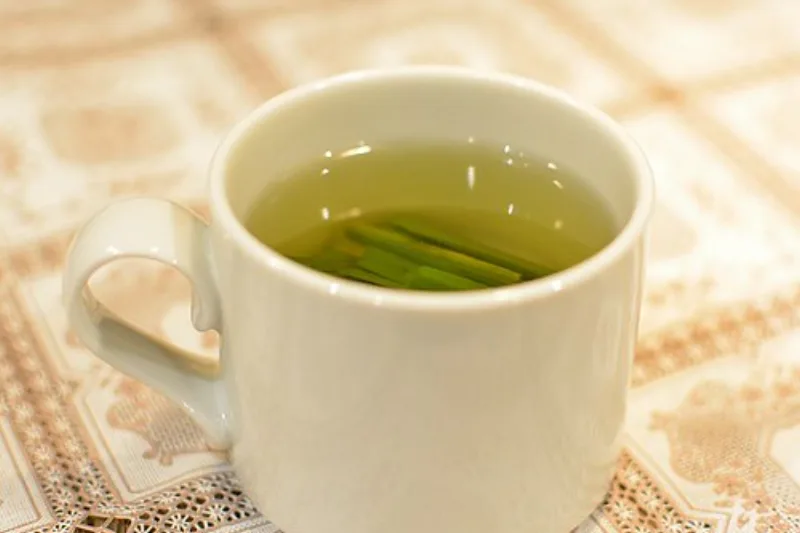

Lemongrass Tea: Digestive Benefits, How to Prepare It, and Side Effects
IMPORTANT: Lemongrass tea is generally safe for most healthy adults when consumed in moderate amounts as a beverage. However, pregnant women should avoid it, as folk tradition and some observations suggest lemongrass may stimulate menstrual flow and uterine contractions. Likewise, breastfeeding mothers, young children, people with liver or kidney conditions, those with low blood pressure, and anyone taking medication (especially diuretics, blood-pressure drugs, sedatives, or medicines processed by the liver) should consult a doctor before using it regularly. If you notice an allergic reaction (itching, rash, difficulty breathing), stop drinking it immediately. This article is for informational purposes only and does not replace medical advice.
A Story From the Edge of the Garden
Aunt Veronica, a slim and lively woman who lived near the Danube, kept a special corner at the back of her garden — a spot she said “smells of green and lemon at the same time.” There, in tall, arching clumps, grew lemongrass, brought home long ago by a granddaughter who had moved abroad. At first the neighbors laughed at “that exotic grass,” but year after year, after the heavy holiday meals, they all came to her gate asking for “a stalk or two of that lemon grass.” Aunt Veronica would snap off a few stalks, crush them gently between her fingers until the air filled with a citrus fragrance, and drop them into a pot of hot water.
“This tea doesn’t cure the world,” she would say with a smile, “but it settles your stomach after you’ve eaten too much, and it brings you peace in the evening, when your thoughts won’t let you sleep.” Many who tasted her warm, faintly lemony, surprisingly soothing tea went home with a few stalks rooting in a glass of water, ready to start their own corner of lemongrass. And so lemongrass spread, from garden to garden, a gentle remedy for a heavy stomach and a tired soul.
What Is Lemongrass
Lemongrass (scientific name Cymbopogon citratus) is a perennial plant in the grass family, native to the tropical regions of Southeast Asia. It grows in dense clumps with long, narrow, pointed leaves of a fresh green color, while the base of the stalks is whitish and slightly bulbous. The entire plant gives off an unmistakable lemon aroma, thanks to a volatile compound called citral — the same one responsible for the characteristic scent of lemon peel.
In Asian cooking, lemongrass is a staple seasoning, found in soups, curries, and marinades. In the herbal tradition, however, it is valued above all as a tea (infusion), sipped to calm the stomach, ease bloating, support relaxation, and bring a sense of freshness. Its warm, citrusy, slightly floral flavor makes it one of the most pleasant herbal infusions there is — perfect even for those who dislike the bitter taste of many medicinal teas.
Table of Contents
- Composition and Active Compounds
- Health Benefits
- Lemongrass and Digestion
- Traditional Uses
- How to Brew Lemongrass Tea Correctly
- Combinations With Other Herbs
- When and How Much to Drink
- Lifestyle and Practical Tips
- Practical Tips and Common Mistakes
- Precautions and Contraindications
- Conclusion
- Frequently Asked Questions
Composition and Active Compounds
The value of lemongrass tea comes from its wealth of volatile compounds and antioxidants, released into the hot water during steeping. The main active substances include:
- Citral — the dominant compound, responsible for the lemon aroma; studies suggest it has calming properties for the digestive tract and antimicrobial effects.
- Geraniol and myrcene — other pleasant-smelling terpenes, traditionally associated with soothing and mild anti-inflammatory effects.
- Flavonoids and polyphenolic compounds — antioxidants that help the body cope with oxidative stress, the “wear and tear” caused by free radicals.
- Phenolic acids — plant substances valued for their general protective effect.
- Small amounts of minerals — including potassium, magnesium, and iron, some of which pass into the infusion.
One important point: lemongrass tea is essentially a light beverage. It does not “deliver” large quantities of these substances; rather, it offers gentle, consistent support — which is why it is used as an everyday remedy rather than an intensive treatment.
Health Benefits
Supports a Settled Digestion
The best-known benefit of lemongrass tea relates to the stomach. Folk tradition in many cultures recommends it after large meals to ease the feeling of heaviness, bloating, and abdominal discomfort. Its citrusy aroma and volatile compounds are believed to help relax the smooth muscle of the digestive tract and improve the passage of gas, reducing the unpleasant bloated feeling. Many people describe it as a tea that “settles the stomach” — a warm, comforting drink to enjoy at the end of a meal.
Relaxing Effect and Sleep Support
Lemongrass has a long reputation as a calming plant. A warm cup in the evening can be part of a wind-down ritual that signals to the body that the day is over. Its gentle, slightly lemony aroma has a soothing effect on the senses, and the gesture itself — sitting with a warm cup in your hands — helps the mind unwind. For those who experience mild restlessness or racing thoughts at bedtime, lemongrass tea can be a pleasant companion, without the effects of a strong beverage.
A Source of Antioxidants
The polyphenols and flavonoids in lemongrass belong to the antioxidant family, substances that help neutralize free radicals. Studies suggest that regularly drinking antioxidant-rich infusions, as part of a balanced diet, may support overall cell health. Lemongrass tea thus becomes a pleasant way to add a little antioxidant protection to your daily routine.
Flavorful, Calorie-Free Hydration
An often-overlooked benefit: lemongrass tea is an excellent way to drink more water. Many people simply don’t drink enough fluids because plain water seems “boring.” A warm or cold, unsweetened lemongrass infusion offers an appealing flavor and almost zero calories, supporting hydration — essential for digestion, skin, and energy.
Cooling and Refreshing in Summer
Served cold over ice with a slice of lemon, lemongrass tea becomes a wonderfully refreshing herbal lemonade for hot days. Its citrus aroma creates a sense of freshness and cooling, making it a healthier alternative to sweetened fizzy drinks.
Lemongrass and Digestion
Since digestion is central to this plant’s reputation, it deserves a closer look. In the herbal tradition, lemongrass is considered a mild “carminative” — a plant that helps relieve gas and reduce bloating. This effect is attributed to the volatile compounds that relax the intestinal muscles.
In practice, lemongrass tea is used for:
- Bloating and a heavy feeling after meals rich in fat or carbohydrates.
- Mild abdominal discomfort linked to stress or eating in a hurry.
- A slight feeling of nausea, especially digestion-related.
- Encouraging the habit of drinking warm fluids, which indirectly aids transit.
It’s important to stress that lemongrass tea is a support for mild, occasional discomfort. If you have persistent digestive problems, severe pain, changes in your stool, or other alarming symptoms, these must be investigated by a doctor — no tea replaces a proper diagnosis.
Traditional Uses
Over time, lemongrass has been used in several ways:
- A warm infusion after meals, for digestive comfort.
- An evening infusion, as a relaxation ritual.
- A cold drink in summer, for flavorful hydration.
- Warm compresses with a concentrated infusion, applied externally to areas of muscle discomfort (in folk tradition, as a remedy to ease tension).
- A flavoring for soups and dishes, drawing on both its taste and its digestive effect.
How to Brew Lemongrass Tea Correctly
Preparation is simple, but a few details make the difference between a watery tea and a fragrant, flavorful one.
Basic Recipe (From Fresh Plant)
Ingredients:
- 1-2 fresh lemongrass stalks (or 2-3 long leaves)
- 250 ml water
Steps:
- Wash the stalks and remove the dry outer leaves.
- Cut the stalks into 3-4 cm pieces and crush them gently with the flat of a knife or a pestle — this step releases the aromatic oils.
- Place the pieces in a cup or pot.
- Pour over water that has boiled but been allowed to settle for 1-2 minutes (around 90-95°C, not violently boiling).
- Cover and let steep for 5-10 minutes — the longer, the more intense.
- Strain and enjoy plain or with a teaspoon of honey.
Recipe From Dried Lemongrass
Ingredients:
- 1 teaspoon dried lemongrass (chopped)
- 250 ml water
Steps:
- Place the dried lemongrass in a cup or infuser.
- Pour over hot water (90-95°C).
- Cover and steep for 5-7 minutes.
- Strain and drink warm.
Cold Version (Summer Tea)
- Brew a more concentrated infusion (double the amount of plant).
- Let it cool, then chill in the refrigerator.
- Serve with ice cubes, lemon slices, and a few mint leaves if you like.
Combinations With Other Herbs
Lemongrass pairs beautifully with other plants, both in flavor and effect:
- Lemongrass + ginger — a classic combination for digestion and a warming sensation, ideal in the cold season.
- Lemongrass + mint — refreshing and very pleasant in summer, reinforcing the digestive effect.
- Lemongrass + chamomile — perfect in the evening, for relaxation and a calmer stomach.
- Lemongrass + honey and lemon — a comforting blend, lovely when you feel tired or are coming down with a cold.
When and How Much to Drink
For most healthy adults, 1-2 cups a day is a reasonable and enjoyable amount. The best times are:
- After meals — for digestive comfort.
- In the evening — as a relaxation ritual.
- During the day — as a flavorful alternative to water.
As with any herb, moderation is key. There’s no need to overdo it: lemongrass’s gentle effects are best felt with steady, balanced consumption, not large amounts gulped down at once.
Lifestyle and Practical Tips
Lemongrass tea works best as part of a healthy lifestyle. A few ideas to make the most of it:
- Turn it into a ritual. A cup in the evening, away from screens, helps body and mind settle.
- Grow your own plant. Lemongrass grows well in a pot in the sun; a few stalks placed in a glass of water will sprout roots and can be replanted. That way you always have fresh, fragrant plant on hand.
- Pair it with light meals. Tea cannot make up for an unbalanced diet; use it as support, not as an excuse for excess.
- Hydrate properly. Replace some of your sweetened drinks with unsweetened lemongrass infusions.
Practical Tips and Common Mistakes
Mistake no. 1: Not crushing the stalks. Lemongrass keeps its aromatic oils inside its fibrous stalks. If you don’t crush or cut them before steeping, the tea comes out watery and flavorless. Always crush them gently.
Mistake no. 2: Using violently boiling water. Water that’s too hot can “scorch” the delicate aromas. Let the water settle for 1-2 minutes after boiling before pouring it over the plant.
Mistake no. 3: Steeping for too short a time. A few seconds isn’t enough. Lemongrass needs at least 5 minutes to release its aroma and active compounds.
Mistake no. 4: Leaving the cup uncovered. The volatile compounds — the very ones that provide the aroma and benefits — evaporate with the steam. Always cover the cup while steeping.
Mistake no. 5: Over-sweetening. Adding lots of sugar cancels out one of the tea’s great advantages: being a flavorful, calorie-free drink. If you want it sweet, a teaspoon of honey is enough.
Mistake no. 6: Drinking it instead of treating a serious problem. If you have persistent digestive symptoms, don’t rely on tea alone. See a doctor.
Precautions and Contraindications
Although lemongrass tea is gentle, there are situations where it should be avoided or used with caution:
- Pregnancy — avoid, due to its possible stimulating effect on the uterus.
- Breastfeeding — consult a doctor first.
- Young children — only on a doctor’s recommendation, in very small amounts.
- Liver or kidney conditions — require a doctor’s approval.
- Low blood pressure — lemongrass may have a slight blood-pressure-lowering effect.
- Medication — especially diuretics, sedatives, or drugs processed by the liver.
- Allergies — stop immediately if you develop a rash, itching, or breathing difficulty.
Conclusion
Lemongrass tea is one of those gentle, pleasant remedies that deserves a place in the kitchen. With its warm, citrusy, soothing aroma, it offers fine support for more comfortable digestion, a touch of evening relaxation, and a flavorful way to drink more water. It is not a medicine and works no miracles, but, like many plants in folk tradition, it brings comfort, freshness, and a small ritual of care for your own body. Brewed correctly — with crushed stalks, water at the right temperature, and patient steeping — it becomes a drink you look forward to. And if, like Aunt Veronica, you root a few stalks in a glass of water, you’ll always have your own green, lemon-scented corner within reach.
Frequently Asked Questions
Does lemongrass tea really help digestion? Folk tradition and the experience of many people recommend it for easing bloating and the feeling of heaviness after meals. Studies suggest it has a mild carminative effect, but it does not replace a balanced diet or a medical check-up for persistent problems.
Can I drink lemongrass tea every day? Yes, for most healthy adults, 1-2 cups a day are considered safe and enjoyable. Follow the principle of moderation and pay attention to how your own body responds.
Is it safe during pregnancy? It is not recommended during pregnancy, due to its possible stimulating effect on the uterus. Always consult your doctor.
How long should it steep? Between 5 and 10 minutes. The longer it steeps, the more intense the aroma and effect, though the flavor can become stronger.
Can I use dried lemongrass instead of fresh? Yes. Use about 1 teaspoon of chopped dried plant per 250 ml of water. The fresh aroma is livelier, but the dried version works well too.
Does lemongrass tea contain caffeine? No. It is a herbal infusion, completely caffeine-free, so it’s suitable in the evening, before bed.
Can I drink it cold? Absolutely. Brewed more strongly, chilled, and served with ice and lemon, it makes a very refreshing summer drink.
How do I keep lemongrass fresh? Fresh stalks keep in the refrigerator, wrapped in paper or a bag, for a few days. They can also be frozen in pieces to have on hand for longer.