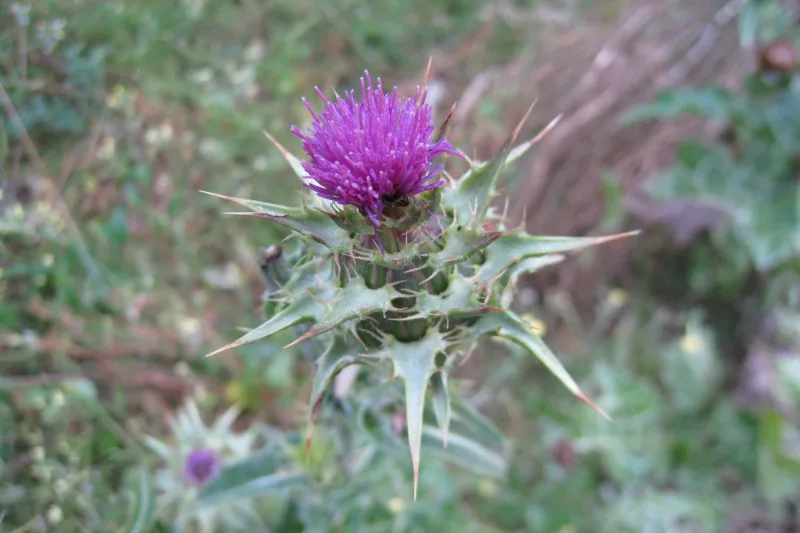
 Photo: Luis nunes alberto, CC BY-SA 3.0, via Wikimedia Commons
Milk Thistle Tea: Liver Benefits, How to Prepare and Side Effects
IMPORTANT: Milk thistle tea (Silybum marianum) is generally well tolerated, but it is not without precautions. People allergic to plants in the Asteraceae family (daisies, ragweed, marigolds, chamomile) may develop reactions. Milk thistle can influence the way the liver metabolizes certain medications, so if you are on long-term treatment (anticoagulants, statins, diabetes medication, contraceptives, immunosuppressants), you should talk to your doctor before using it. It does not replace the treatment of a diagnosed liver disease and is not recommended during pregnancy and breastfeeding without medical advice. If you have serious liver conditions, hepatitis, or cirrhosis, the tea can be at most an adjunct, never a stand-alone therapy.
The story of a spiny plant with a kind heart
Aunt Veronica, a woman from the Sibiu region who raised nine children and cared for half the village whenever needed, kept a corner of her garden that no one was allowed to weed. There, tall and proud, grew thistles with violet flowers and marbled leaves that looked as though they had been splashed with milk. “That’s milk thistle, dear, don’t pull it out — it’s worth more than many remedies from the pharmacy,” she would say whenever a grandchild tried to tidy up the yard. In autumn, when the flower heads dried and turned grey, she gathered them with thick gloves, beat them with a stick on a cloth spread out in the sun, and extracted the small, glossy, streaked seeds. From them she made powder and tea for those who had “eaten too heavily” or who struggled with their liver after a winter of too much fatty pork and plum brandy.
She remembered learning this from her own mother, who in turn had learned it from a nun at a nearby monastery — for milk thistle has always been a monastery plant, cultivated in Europe’s medicinal gardens since the Middle Ages. “When you feel heavy, yellowish, and have no appetite, drink a cup in the morning on an empty stomach and another in the evening, for about three weeks, and you’ll bounce back,” Aunt Veronica used to say. She did not know the name silymarin back then, but she knew, from the experience of entire generations, that this spiny, stubborn plant is good for the liver.
What milk thistle is and where it comes from
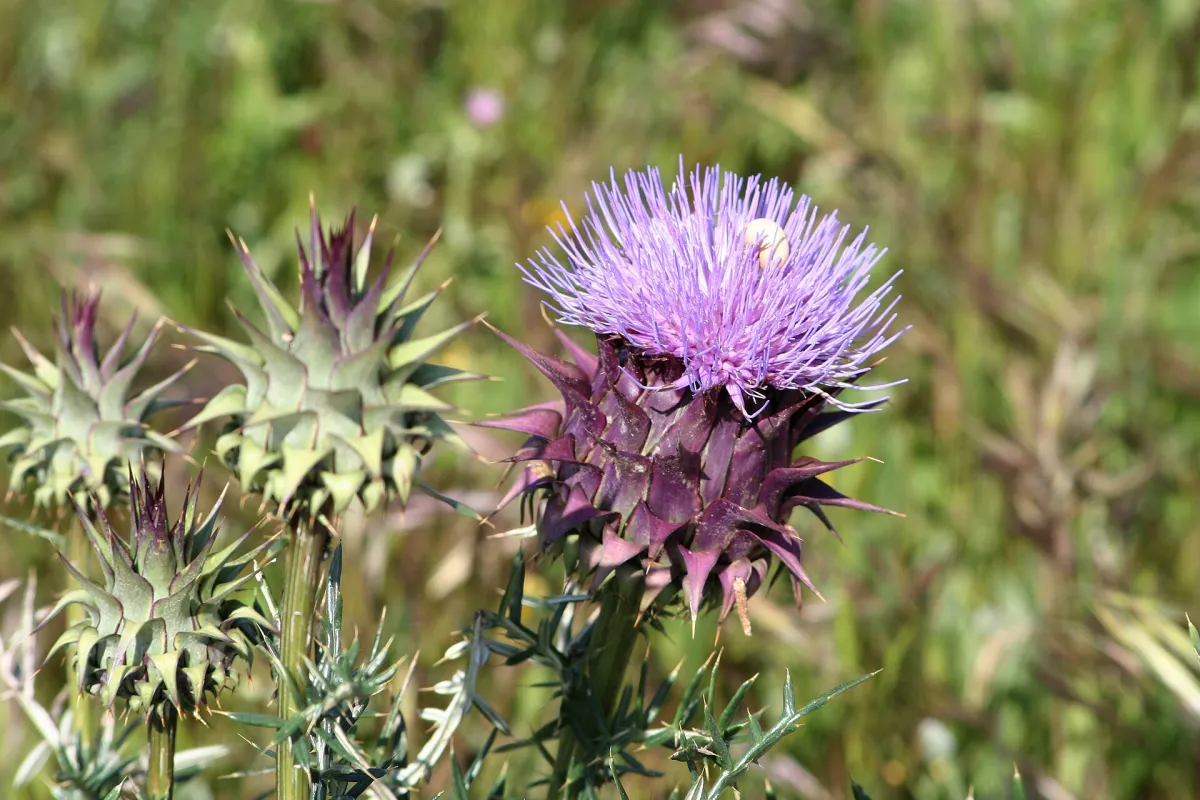
Milk thistle, botanically known as Silybum marianum and also called “Saint Mary’s thistle,” is a vigorous plant from the Asteraceae family, native to the Mediterranean region and now widespread throughout Europe, including Romania, where it grows wild on sunny ground, along roadsides, and on fallow land. It has large, lobed, spiny leaves marked by characteristic white veins — legend says these are drops of the Virgin Mary’s milk, hence the name “Saint Mary’s thistle.”
The most valuable part of the plant is the seeds (technically fruits called achenes), which contain a complex of active compounds known as silymarin. From these seeds — and sometimes from the dried plant — milk thistle tea is prepared, a pleasantly bitter beverage prized by folk tradition for its effect on the liver and digestion. Unlike aromatic herbal teas, milk thistle tea is more of a seasonal “remedy,” drunk in courses, than an everyday pleasure drink.
Table of Contents
- Composition and active principles
- Health benefits of milk thistle tea
- How to prepare milk thistle tea correctly
- When and how much to drink
- Combinations with other herbs
- How to choose and store the seeds
- A lifestyle for a healthy liver
- Practical Tips and Common Mistakes
- Conclusion
- Frequently Asked Questions
Composition and active principles
Milk thistle’s reputation rests almost entirely on silymarin, a complex of flavonolignans found in high concentration in the seed coat. Silymarin is not a single substance but a mixture in which the most studied and most active component is silibinin (silybin), along with silychristin and silydianin. According to studies, these compounds have powerful antioxidant properties and are intensively researched for their role in supporting liver cells.
In addition to silymarin, milk thistle seeds also contain:
- essential fatty acids, especially linoleic acid, in the seed oil;
- flavonoids with antioxidant roles;
- tocopherols (vitamin E), which help protect against oxidative stress;
- plant sterols and small amounts of minerals.
One important point must be said honestly: silymarin dissolves relatively poorly in water. That is why an ordinary seed tea extracts only part of the active principles, with the rest remaining in the residue at the bottom of the cup. This does not mean the tea is useless — folk tradition has used it for centuries and the digestive benefits are real — but it explains why, for a more concentrated intake of silymarin, ground seed powder (swallowed as such) or standardized extracts are sometimes preferred. Studies suggest that the form and preparation method influence the amount of active compounds the body receives.
Health benefits of milk thistle tea
Supporting and protecting the liver
The best-known benefit of milk thistle, recognized by both folk medicine and modern research, is the support it offers the liver. Silymarin is studied for its ability to help liver cells cope with aggressors — toxins, alcohol, an unbalanced diet — and for its antioxidant role. Studies suggest that silymarin may support the liver tissue’s natural regeneration processes and help maintain the integrity of liver cell membranes. In Romanian folk tradition, milk thistle tea and powder were used as a spring and autumn remedy, a kind of “cleansing” of the liver after periods of heavy meals.
Support for digestion and appetite
The bitter taste of milk thistle tea is not a flaw but an asset. According to tradition, bitter substances stimulate the secretion of digestive juices and bile, helping the body digest fats more easily. A cup drunk shortly before a more substantial meal can ease the feeling of heaviness, bloating, and post-meal discomfort. Many people use it precisely for these “digestive tonic” effects.
Antioxidant action
Oxidative stress — the imbalance between free radicals and the body’s ability to neutralize them — is involved in cellular aging and numerous conditions. The flavonolignans in milk thistle, together with the vitamin E in the seeds, contribute to the body’s antioxidant defense. This is one of the reasons the plant is valued as a general tonic, not just as a liver remedy.
Support for the gallbladder and cholesterol
Folk tradition also attributes to milk thistle a mild cholagogue effect (stimulating the elimination of bile), useful for those with sluggish fat digestion. Some preliminary studies have also explored silymarin’s role in maintaining healthy blood lipid levels, although the evidence here is still being investigated. As always, the tea remains an adjunct, not a treatment.
Support for problem-prone skin
The skin is, in a sense, “the mirror of the liver.” Many traditional herbalists believed that by supporting the liver and the elimination of toxins, milk thistle tea indirectly contributes to clearer skin. Its antioxidant benefits complement this idea, although the effect on the skin is indirect and gradual.
How to prepare milk thistle tea correctly
To get as much as possible from the active principles, it is important that the seeds be freshly ground or crushed right before preparation. The whole seed coat protects the silymarin but also prevents its extraction; by crushing the seeds, you expose the compounds better to hot water.
The classic tea recipe (infusion-decoction)
You will need:
- 1 teaspoon (about 3–5 g) of milk thistle seeds;
- 250 ml of water.
Steps:
- Crush or grind the seeds in a coffee grinder or with a mortar, right before use.
- Place the coarse powder in a cup and pour boiling water over it.
- Cover the cup with a small plate — this step is essential so the volatile oils are not lost with the steam.
- Let it steep for 15–20 minutes. For a stronger effect, you can gently simmer the mixture for 5 minutes, then leave it covered for another 10 minutes (the decoction method, more suitable for seeds).
- Strain and drink the tea warm, in small sips. You can keep the residue and eat it with a spoon, so as not to lose the undissolved silymarin.
The “whole” version — powder in the tea
Many people consider it most effective not to strain the tea at all, but to drink the suspended powder as well, like a very liquid “porridge.” This way you also benefit from the fiber and the silymarin that has not dissolved. Stir often with the spoon while drinking, so the powder does not settle.
Seed powder as an alternative to tea
For those who want maximum silymarin intake, tradition also recommends simply swallowing a teaspoon of seed powder (1–3 g) with water or sprinkled over food (yogurt, salads, soups). Technically this is no longer tea, but it is the most concentrated way to use the plant.
When and how much to drink
Traditionally, milk thistle tea is drunk:
- in the morning on an empty stomach, 20–30 minutes before breakfast;
- and, optionally, before lunch or dinner, especially before a meal rich in fats.
A typical course lasts 2–4 weeks, after which a break of at least a week is recommended before resuming if needed. It is not a drink to consume year after year, day after day, without interruption — milk thistle works best in courses, as a seasonal remedy (classically in spring and autumn). The usual dose does not exceed 2–3 cups per day.
Combinations with other herbs
Milk thistle blends nicely with other herbs that support the liver and digestion, creating prized traditional mixes:
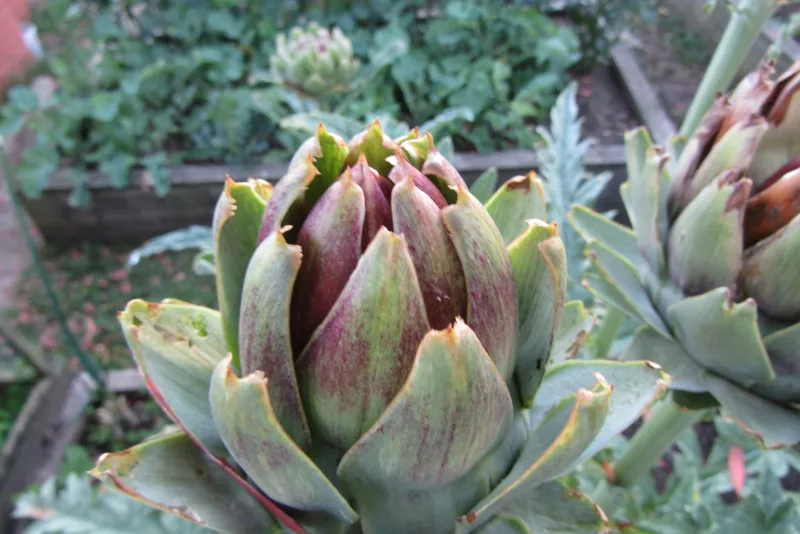
- Milk thistle + artichoke — a classic duo for the liver and bile, both bitter and hepatoprotective;
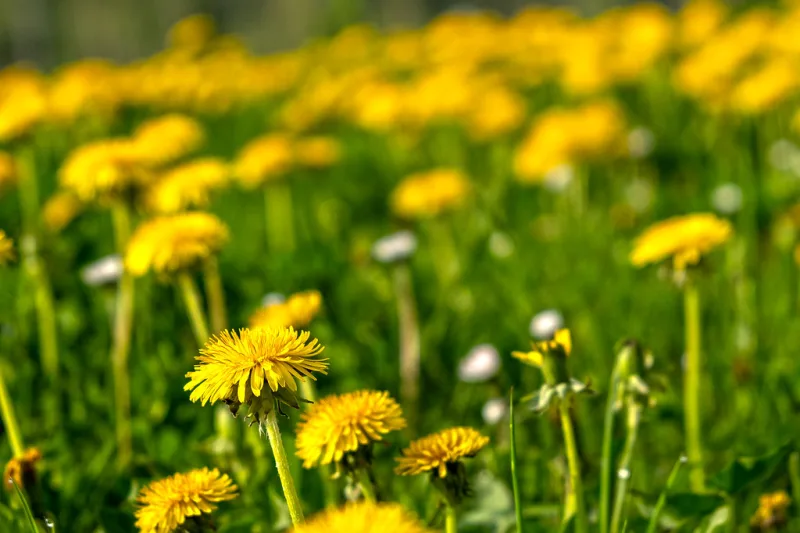
- Milk thistle + dandelion — a “spring” cleansing combination that supports elimination;
- Milk thistle + peppermint — mint softens the bitterness and soothes the stomach;
- Milk thistle + lemon balm or chamomile — for those who also want a calming effect on nervous digestion.
When combining herbs, keep balanced proportions (for example, half milk thistle, half the other herb) and do not extend the courses beyond what is recommended.
How to choose and store the seeds
The quality of the raw material makes the difference. Here are a few guidelines:
- Choose whole seeds, greyish-brown to black, with a glossy, streaked appearance; pre-ground powder loses its active principles faster.
- Buy from trustworthy sources, preferably from controlled or organic crops, free of chemical treatments.
- They should smell of fresh hay, not of mold or rancidity; a rancid smell indicates oxidized oil.
- Store the seeds in an airtight glass jar, in a cool, dark, dry place. Grind only the amount you need at the moment.
- Ground powder keeps for at most a few weeks; after that, the silymarin and oils degrade.
A lifestyle for a healthy liver
Milk thistle tea gives better results when it is part of a lifestyle that spares the liver anyway. A few habits that complement it:
- Reduce alcohol — it is the liver’s main aggressor; no plant compensates for constant, high consumption.
- Limit fried foods and trans fats and emphasize vegetables, fruit, whole grains, and good fats (olive oil, nuts, fish).
- Hydrate properly — water helps the kidneys and liver eliminate waste.
- Move every day — even a 30-minute walk supports metabolism.
- Avoid self-medication — many unnecessary medications overburden the liver.
- Eat bitter — artichoke, dandelion, arugula, and other bitter vegetables naturally support bile and digestion.
Practical Tips and Common Mistakes
Mistake no. 1: Using whole, uncrushed seeds. The hard coat prevents the extraction of silymarin. Always grind the seeds before preparation, otherwise you are drinking only lightly flavored water.
Mistake no. 2: Steeping too briefly, as for an ordinary tea. Seeds need time and, ideally, a gentle simmer (decoction). Two or three minutes are not enough.
Mistake no. 3: Straining and discarding the residue. A good part of the silymarin remains in the undissolved powder. If you throw it away, you lose precisely the valuable part; ideally, consume the sediment too.
Mistake no. 4: Continuous use without breaks. Milk thistle is used in courses, not indefinitely. Breaks are part of the regimen.
Mistake no. 5: Ignoring drug interactions. Milk thistle can alter the metabolism of certain medications. If you are on long-term treatment, ask your doctor or pharmacist first.
Mistake no. 6: Treating the tea as a therapy for serious liver disease. In hepatitis, cirrhosis, or other serious conditions, the tea can be at most a support, under medical supervision — not a replacement for treatment.
Mistake no. 7: Buying old or poor-quality seeds. Rancid oil and inactive powder only waste your time and money.
Conclusion
Milk thistle tea is one of those traditional remedies that retains its value even under the scrutiny of modern research. Thanks to the silymarin in its seeds, it is valued primarily as support for the liver, but also as a bitter digestive tonic and a gentle antioxidant. To feel its effects, the secret lies in the details: fresh, ground seeds, an infusion or decoction made with patience, consumed in short courses with breaks, within a lifestyle that spares the liver anyway. Used in moderation and with respect for the contraindications — especially drug interactions and Asteraceae allergies — milk thistle tea can be a reliable ally in the home’s natural pharmacy. And if you have a real liver condition, let it be an adjunct, not a substitute for the doctor.
Frequently Asked Questions
How often can I drink milk thistle tea? Tradition recommends 2–3 cups per day, in courses of 2–4 weeks, followed by a break. It is not meant for permanent, uninterrupted use; it is most often used in spring and autumn as a seasonal remedy.
Does milk thistle tea really cleanse the liver? It is more accurate to say it “supports” it. Silymarin helps liver cells cope with oxidative stress and supports the liver’s natural processes. There is no miraculous “detox,” however — the liver cleanses itself, and the plant merely offers support.
Can I use ready-made tea bags instead of seeds? Yes, they are convenient, but they often contain crushed material that has lost some of its freshness. Whole seeds, freshly ground, usually provide a better intake of silymarin.
Why is the tea so bitter? The bitterness comes from the plant’s active compounds and is actually beneficial — bitter substances stimulate digestion and bile secretion. If it bothers you, you can add a little mint or a slice of lemon.
Is it safe during pregnancy and breastfeeding? Use without medical advice is not recommended during these periods. Although it is a plant with a mild profile, caution requires consulting a specialist.
Can it replace liver medication? No. In diagnosed liver conditions, the tea can be at most an adjunct, used with the doctor’s approval, never a replacement for prescribed treatment.
Who should avoid milk thistle tea? People allergic to plants in the Asteraceae family, those taking medications heavily metabolized by the liver (without medical advice), pregnant and breastfeeding women without medical recommendation, and young children without a doctor’s advice.
How long until the effects are felt? For digestion, many feel relief relatively quickly, within a few days. For liver support, the effects build gradually over a course of several weeks. Patience and consistency are the key.