 Photo: GerardM, CC BY-SA 2.1 es, via Wikimedia Commons
Mulberry leaf tea, made mainly from white mulberry (Morus alba), can blunt the blood sugar spike that follows a meal rich in starch or sugar. The effect comes from 1-deoxynojirimycin (DNJ), a compound that slows carbohydrate digestion in the small intestine, which is why the tea only works if you drink it right before or with a meal. It does not replace diabetes treatment, and taken alongside insulin or some diabetes pills it can push you into hypoglycemia.
Key takeaways:
- White mulberry leaf contains DNJ, which slows the gut enzymes that turn sugar and starch into glucose, the same principle as the prescription drug acarbose.
- Small randomized trials in healthy adults and people with type 2 diabetes show a lower after-meal glucose and insulin peak, mostly with standardized extracts.
- Evidence for fasting glucose and HbA1c is weak and inconsistent.
- Basic recipe: 2 g dried leaves in 250 ml (about 1 cup) of just-off-the-boil water, steep 8-10 minutes, drink 5-15 minutes before a carb-containing meal.
- If you use insulin, gliclazide, glimepiride, glipizide or repaglinide, talk to your doctor and check your glucose more often at first.
- The usual side effects are bloating, gas and loose stools.
What is mulberry leaf tea?
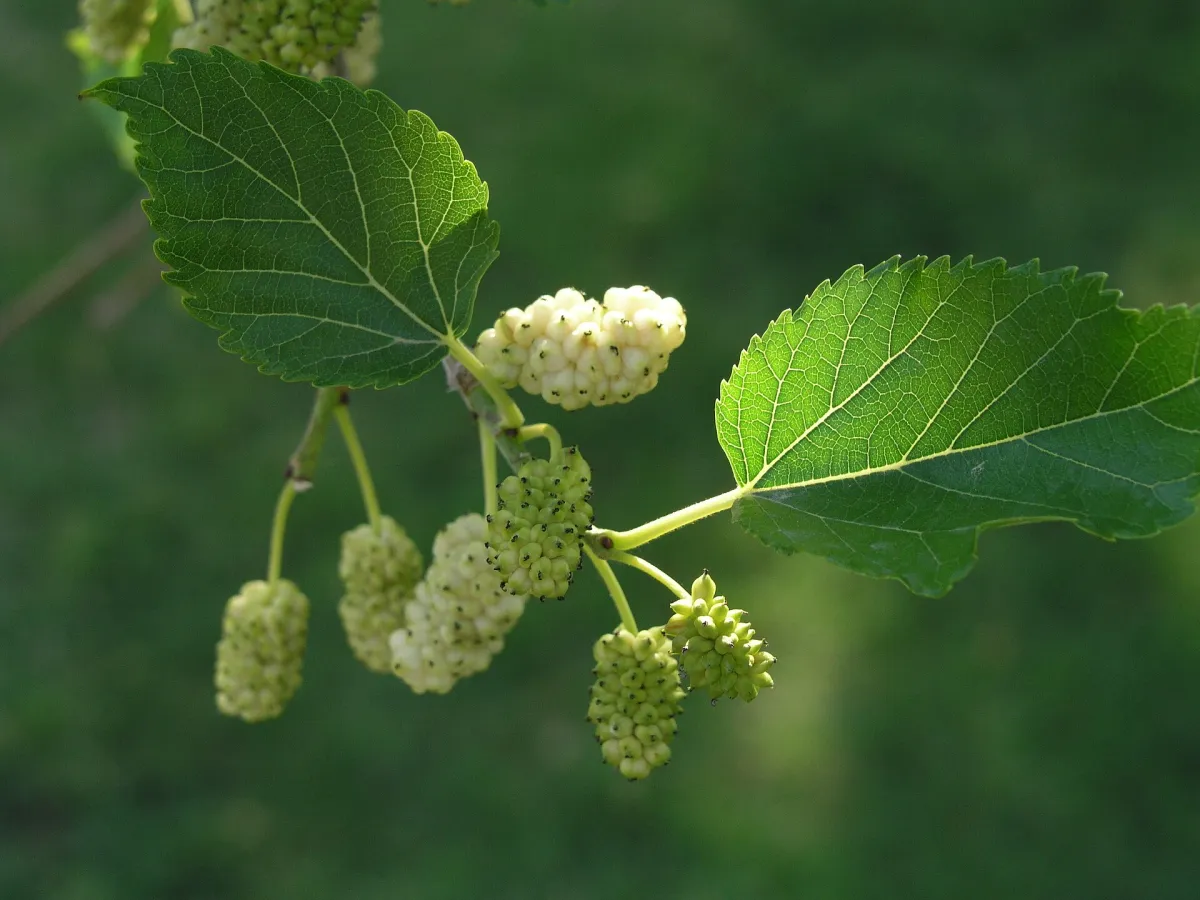
White mulberry is native to China, where it has been grown for thousands of years to feed silkworms. Today it grows across Europe, Asia and North America in gardens, parks and along roadsides, often next to black mulberry (Morus nigra). The tea is made from dried leaves. It tastes grassy and slightly sweet, a bit like a mild green tea, and it is naturally caffeine-free.
The leaf has a long track record. The Chinese Pharmacopoeia lists it as Mori Folium (sang ye), traditionally used for feverish colds, dry cough and red, irritated eyes, and classical texts also mention it for the wasting-and-thirst disorder, a description that partly overlaps with diabetes. In Japan and Korea, mulberry leaf tea (kuwa-cha) is sold as an everyday drink for people watching their sugar. Eastern European folk medicine calls it a tea for sugar, usually without a word about timing or risks.
White or black mulberry?
Nearly all blood sugar research used white mulberry. Its leaves are glossy, smooth on both sides and very variable in shape, from heart-shaped to deeply lobed on the same branch, and the fruit can be white, pink or purple. Black mulberry has rougher leaves that are hairy underneath and very dark, aromatic fruit. Black mulberry leaves are used the same way in folk practice, but there is far less data, so pick white mulberry if you have the choice.
Active compounds and how they work
- 1-deoxynojirimycin (DNJ) is an iminosugar, a molecule that resembles glucose. It blocks alpha-glucosidases, the enzymes in the small intestine wall that split sucrose, maltose and starch fragments into glucose. As a result, glucose enters the blood more slowly, the post-meal peak is lower and later, and the pancreas needs to release less insulin.
- Flavonoids (rutin, quercetin, isoquercitrin, kaempferol) and chlorogenic acid are antioxidants and, in lab studies, influence glucose and fat metabolism.
- The leaf also provides minerals (especially calcium), protein and fiber, though not in meaningful amounts in a cup of tea.
DNJ content varies a lot. Young leaves are usually richer than old ones, and variety, season, soil and drying method all matter. That is why homemade tea is not standardized and you cannot know exactly how much DNJ you are drinking.
Carbohydrates that escape digestion in the small intestine reach the colon, where bacteria ferment them. That explains the typical side effects, bloating and gas, exactly as with acarbose.
What human studies show
It is worth separating traditional use from what has actually been tested.
The immediate after-meal effect. Several randomized trials, mostly crossover designs where the same people take extract and placebo on different days, gave mulberry leaf extract together with a sugar load or a carb-rich meal. A study in Diabetes Care (Mudra and colleagues, 2007), in people with type 2 diabetes and healthy volunteers who drank 75 g of sucrose, found a smaller rise in blood glucose with the extract and more hydrogen in exhaled breath, a sign that some sugar reached the colon undigested. A double-blind trial in PLoS One (Lown and colleagues, 2017) in adults without diabetes found lower post-meal glucose and insulin with a standardized extract taken before carbohydrates, with no significant adverse effects. Results consistently point the same way, but the groups were small.
Long-term effects. For fasting glucose, HbA1c, body weight or cholesterol there are few studies, all short, using different products and giving conflicting results. Reviews pooling them rate the evidence as low quality. Nothing suggests mulberry leaf tea can control diabetes on its own.
The tea itself. DNJ dissolves well in hot water, so an infusion extracts a good share of it, but most trials used extracts with a known dose. Expect homemade tea to have a gentler and less predictable effect.
How to harvest and dry mulberry leaves
- When: May to July, picking young, fully opened leaves from the tips of the shoots. Tough, yellowing autumn leaves are poorer in active compounds.
- Where: gardens or orchards, away from busy roads and sprayed crops. Roadside trees collect dust, soot and heavy metals.
- How: pick in the morning once the dew has dried, choosing only healthy leaves without spots, holes or mold. Fresh leaves and stalks release a white latex that can irritate sensitive skin, so gloves help.
- Washing: rinse briefly under cold running water and pat dry with a clean towel.
- Drying: spread them in a single layer on paper or a mesh screen, in the shade, in a well-ventilated room, for 5-10 days, turning daily. A dehydrator set no higher than 40°C (104°F) also works. Optionally, Japanese style, steam the leaves for 1-2 minutes before drying to keep them green.
- Storage: once they crumble easily between your fingers, crush them and store in glass jars, in a dark, dry place. Use within a year. Discard them if they smell musty or show white patches.
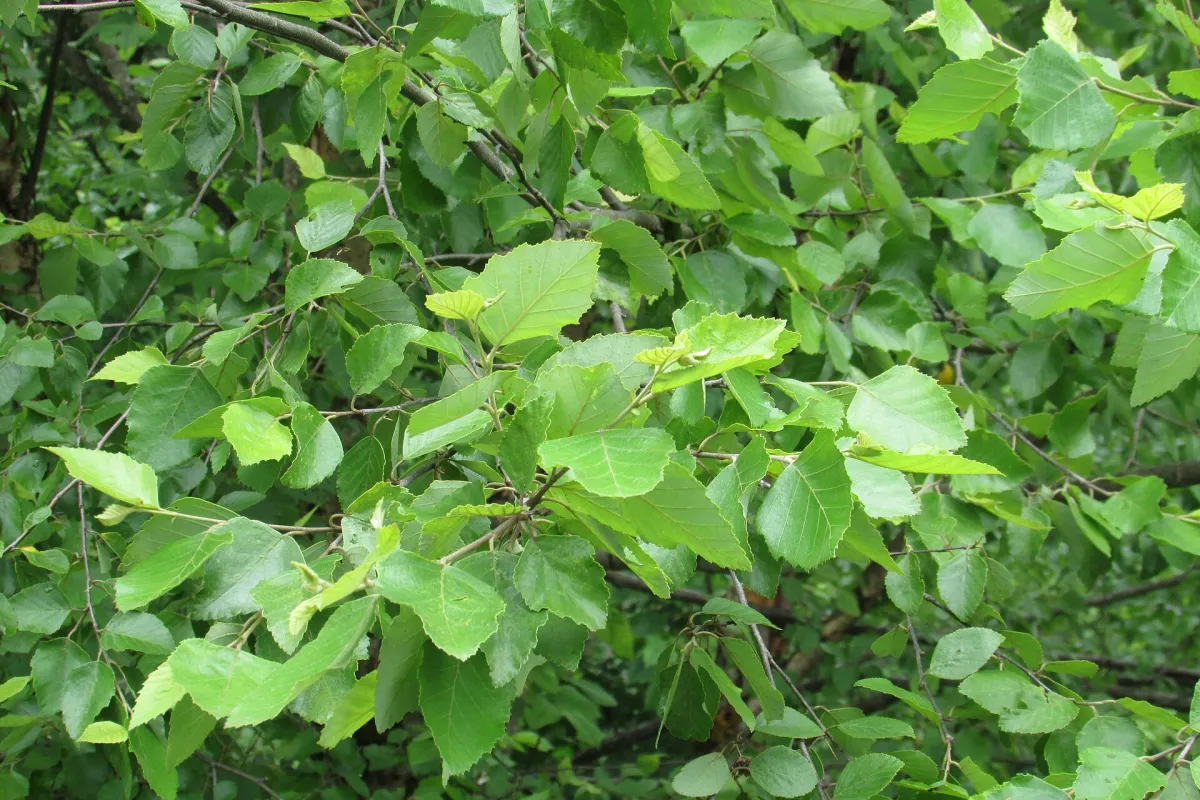 Photo: Chris Light, CC BY-SA 4.0, via Wikimedia Commons
How to make mulberry leaf tea
Basic recipe (infusion)
- Put one heaped teaspoon (about 2 g) of crushed dried leaves in a mug.
- Boil 250 ml (about 1 cup) of water and let it rest 30 seconds, down to roughly 95°C (203°F).
- Pour it over the leaves, cover the mug and steep 8-10 minutes.
- Strain and drink warm.
Stronger version (decoction)
Add 2-3 g of leaves to 300 ml of cold water, bring to a boil, simmer gently for 5 minutes, then leave covered for another 5 minutes. The taste is fuller and slightly astringent.
With fresh leaves
Chop 3-4 medium leaves, pour 250 ml of hot water over them and steep 10 minutes, covered.
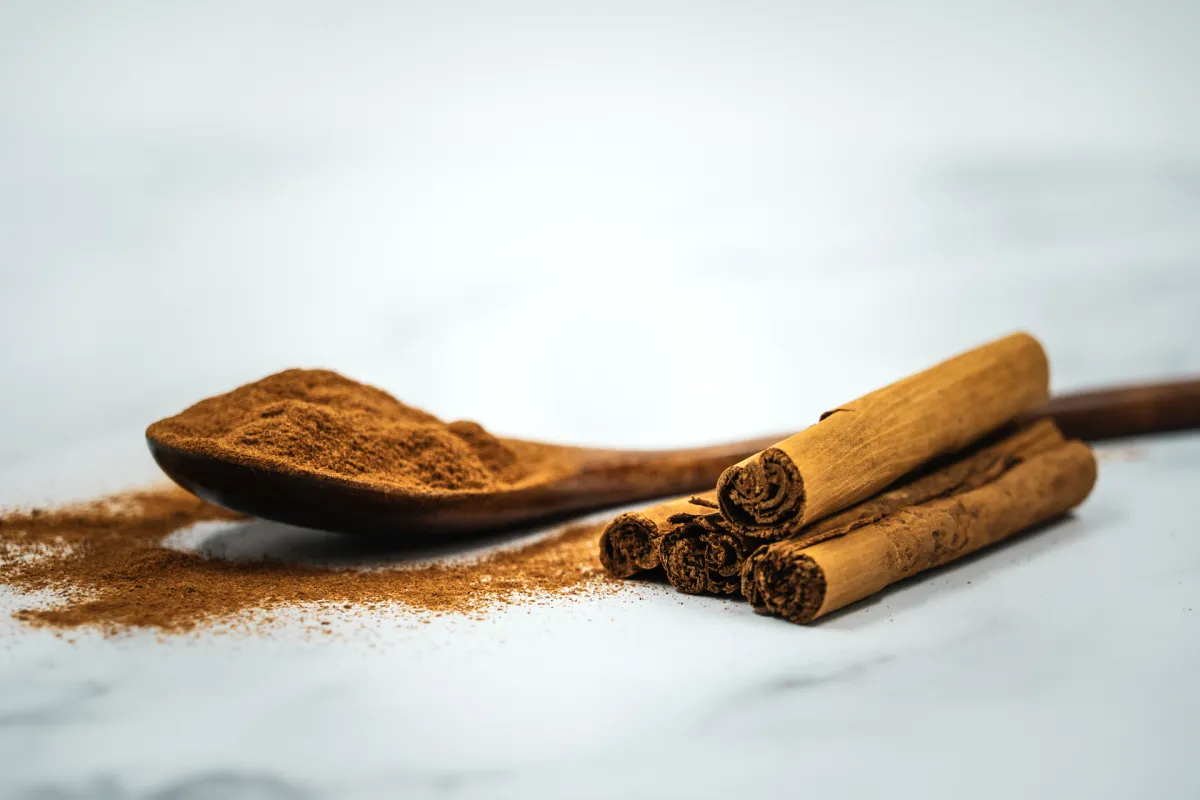
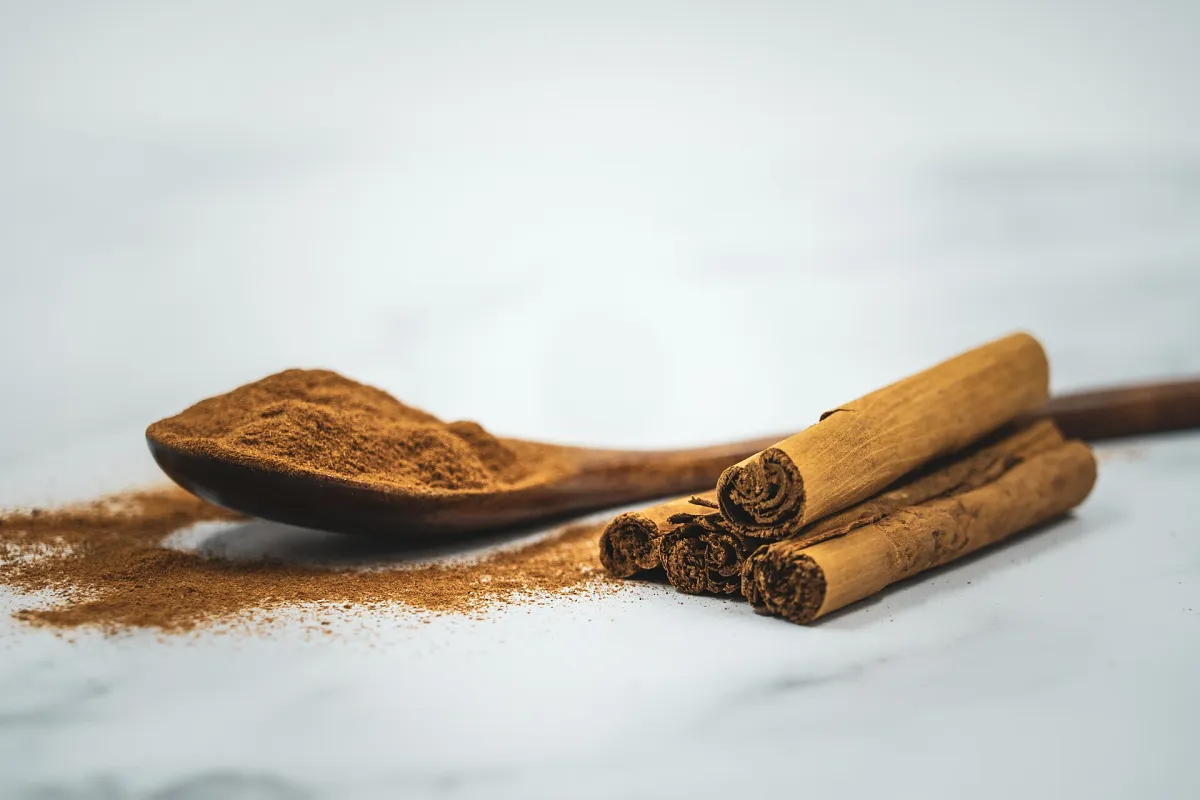
Do not sweeten it with sugar or honey, which defeats the purpose. Lemon slices, a few mint leaves or a cinnamon stick are fine; for the latter, see our guide to cinnamon tea.
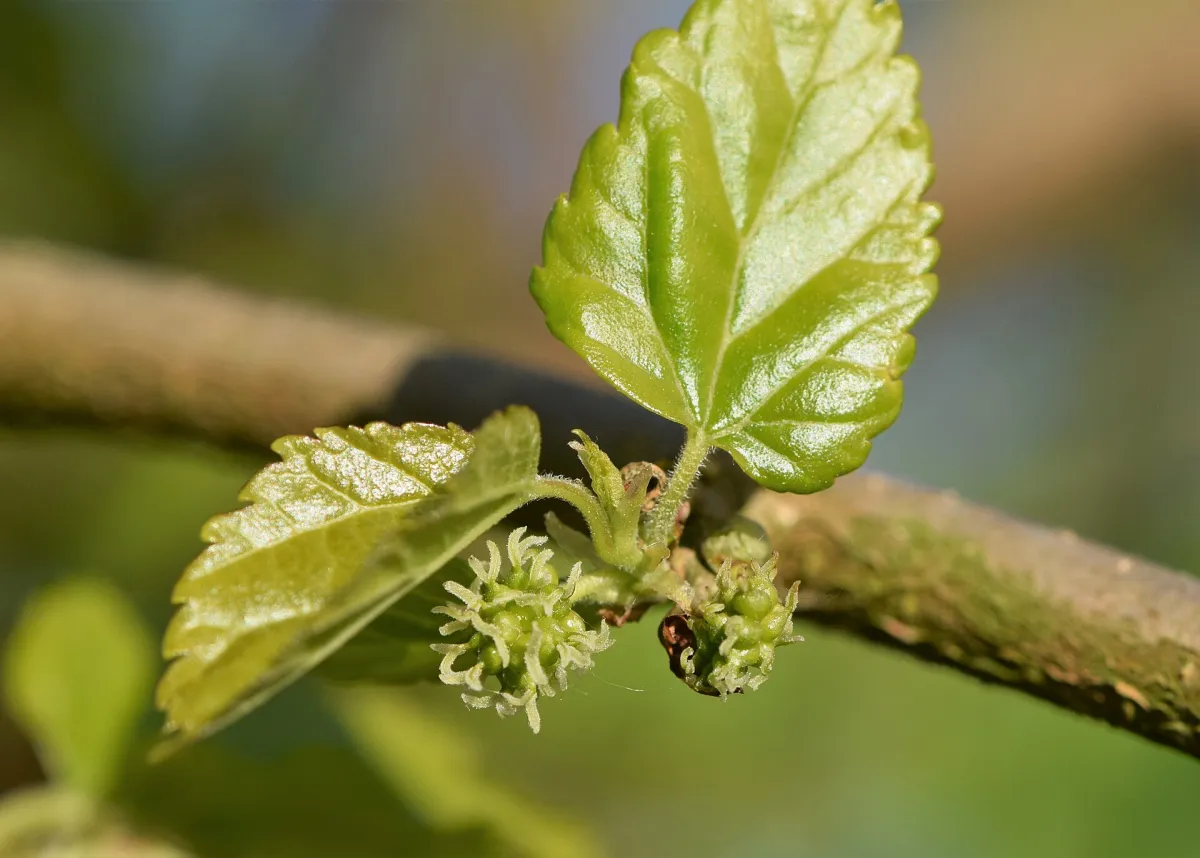 Photo: Krzysztof Ziarnek, Kenraiz, CC BY-SA 4.0, via Wikimedia Commons
When to drink mulberry leaf tea: timing matters
DNJ works locally, in the gut, on whatever carbohydrates are there at the same time. A cup two hours after lunch, at bedtime on an empty stomach or first thing in the morning without food does next to nothing for blood sugar. What you eat matters too: with bread, potatoes, pasta, rice or dessert, the tea has something to act on; with an omelette and salad, far less.
| Situation | How much | When | Notes |
|---|---|---|---|
| Lunch or dinner with carbs | 1 cup (250 ml) | 5-15 minutes before or during the meal | The most useful moment |
| Breakfast with bread, cereal, fruit | 1 cup | at the start of the meal | Replaces sweetened coffee or juice |
| Occasional dessert | 1 cup | with the dessert | Does not make dessert healthy |
| Protein and vegetables only | not needed | - | Minimal effect |
| Between meals or at bedtime | not useful | - | No blood sugar benefit |
| Daily total | up to 3 cups | before main meals | 6-8 week courses, then review |
Dosage
- Tea: 1-3 cups a day, each made with 1.5-3 g dried leaf, roughly 5-9 g in total. This sits within the usual Chinese Pharmacopoeia range for mulberry leaf of 5-10 g a day as a decoction.
- Starting out: one cup a day for the first week to check how your digestion copes, then increase gradually.
- Extracts and capsules: follow the label and choose products that state their DNJ content. Do not stack an extract with large amounts of tea.
- Duration: courses of 6-8 weeks, followed by a review of your glucose readings, ideally with your doctor. If your meter shows no difference after meals, there is no point continuing.
Tea, extract or medication?
| Criterion | Homemade tea | Standardized extract | Acarbose (drug) |
|---|---|---|---|
| Active dose | Variable, unknown | Stated on label | Exact, controlled |
| Evidence | Tradition, few direct studies | Small trials on post-meal glucose | Large trials, approved for diabetes |
| Digestive effects | Rare, mild | Possible | Common at first |
| Role | Complementary dietary habit | Supplement, discuss with doctor | Prescribed treatment |
For other herbs used the same way, and which ones are risky, see our guide to tea for diabetes.
Side effects, interactions and who should avoid it
Hypoglycemia risk
This is the point most pages skip. On its own, mulberry leaf tea rarely drops blood sugar dangerously in a healthy person, but added to drugs that raise insulin it can push levels too low, especially if the meal was smaller than usual. Take extra care if you use:
- insulin of any type;
- sulfonylureas: gliclazide, glimepiride, glipizide, glyburide (glibenclamide);
- meglitinides: repaglinide.
Metformin alone rarely causes hypoglycemia, but checking your glucose at the start is still sensible. Acarbose and mulberry leaf work the same way, so combining them doubles the bloating and makes no sense without your doctor’s agreement.
Important: if a hypo strikes (shaking, cold sweat, sudden hunger, palpitations, confusion) while the tea is still in your gut, ordinary sugar and sweets are absorbed more slowly. Use glucose (dextrose) tablets or gel, recheck after 15 minutes and repeat if needed. Our article on reactive hypoglycemia explains how low blood sugar episodes feel and how to respond.
Who should avoid it
- pregnant and breastfeeding women (insufficient safety data);
- children;
- people with irritable bowel syndrome, Crohn’s disease, ulcerative colitis or malabsorption, where extra fermentation can worsen symptoms;
- anyone allergic to mulberry or related plants such as fig;
- people with advanced kidney or liver disease, unless their doctor agrees;
- anyone facing surgery: stop 2 weeks before, as with any remedy that affects blood sugar.
Side effects
Bloating, gas, loose stools and, less often, nausea or abdominal discomfort. They usually ease if you cut back. Persistent diarrhea means stop.
When to see a doctor
- intense thirst, frequent urination, unintended weight loss or blurred vision, possible signs of undiagnosed or poorly controlled diabetes;
- blood sugar consistently above the targets agreed with your doctor despite diet and treatment;
- any hypoglycemic episode, even mild, since starting the tea;
- tingling feet, slow-healing wounds or recurrent infections;
- diarrhea or abdominal pain that does not settle after stopping the tea.
If you were recently diagnosed or have prediabetes, read our guides to type 2 diabetes and insulin resistance, where diet and movement make the biggest difference.
Common mistakes
Drinking it at set times unrelated to meals. Without carbohydrates in the gut, DNJ has nothing to act on.
Dropping your medication. No study supports replacing metformin or insulin with tea.
Sweetening it. Honey and sugar add exactly the carbs you are trying to blunt.
Picking roadside leaves. Dust and heavy metals do not wash off.
Treating a hypo with table sugar. While DNJ is active, pure glucose is the right choice.
Confusing leaves with fruit. Mulberries are tasty and nutritious, but they contain sugar and do not act like the leaves.
Not measuring anything. The only way to know whether it helps you is to compare your glucose 1-2 hours after the same meal, with and without the tea.
Conclusion
White mulberry leaf tea has a real, well-understood mechanism: it slows carbohydrate digestion and can trim the post-meal blood sugar peak. Human evidence is encouraging for that immediate effect, mostly with extracts, but weak for long-term control. Used properly, before carb-containing meals, unsweetened and with your glucose under watch, it can be a small helper alongside diet, exercise and treatment, never instead of them.
Frequently asked questions
Does mulberry leaf tea lower fasting blood sugar? Not convincingly. The documented effect is on the rise after meals; data on morning fasting values are scarce and conflicting.
Can I drink mulberry leaf tea while taking metformin? Generally yes, since the hypoglycemia risk is low, but tell your doctor and check your glucose during the first weeks. With insulin or sulfonylureas, much more caution is needed.
Do black mulberry leaves work the same way? They are used the same way traditionally, but almost all studies used white mulberry. If you can choose, use white mulberry leaves.
Do mulberries (the fruit) have the same effect? No. The fruit contains natural sugars and far less DNJ. In moderation it is a good dessert, not a blood sugar remedy.
Does mulberry leaf tea help with weight loss? A few small studies hint at modest effects on weight, but they are not convincing. It can fit into a lower-carb diet, not act as a weight loss tool by itself.
How long can I drink mulberry leaf tea? Courses of 6-8 weeks at 1-3 cups a day are a cautious approach. Then review your readings and decide with your doctor whether it is worth continuing.
Does mulberry leaf tea contain caffeine? No. You can drink it before an evening meal without affecting your sleep.
Sources and further reading
- Mudra M. et al., Influence of mulberry leaf extract on the blood glucose and breath hydrogen response to ingestion of 75 g sucrose by type 2 diabetic and control subjects, Diabetes Care, 2007.
- Lown M. et al., Mulberry-extract improves glucose tolerance and decreases insulin concentrations in normoglycaemic adults: results of a randomised double-blind placebo-controlled study, PLoS One, 2017.
- Pharmacopoeia of the People’s Republic of China, monograph Mori Folium (mulberry leaf).
- National Center for Complementary and Integrative Health (NCCIH), Diabetes and Dietary Supplements: What You Need To Know.
- American Diabetes Association, Standards of Care in Diabetes, section on nutrition and dietary supplements.
This content is for information only and does not replace a consultation with a doctor or pharmacist. If you have diabetes and take medication, discuss any new tea or supplement with your doctor.