
Oolong Tea: Benefits, How to Prepare and Side Effects
IMPORTANT: Oolong tea contains natural caffeine, in higher amounts than many herbal teas but usually less than coffee. People who are sensitive to caffeine, pregnant or breastfeeding women, children, and those who suffer from anxiety, palpitations, uncontrolled high blood pressure, stomach ulcers or sleep problems should drink oolong with caution or avoid it altogether. The tea may interfere with iron absorption and with certain medications (anticoagulants, stimulants, heart medication). If you are on treatment or have a chronic condition, talk to your doctor before adding it to your daily routine. Oolong tea is not a substitute for a balanced diet or for medical treatment.
Grandma Veta, a slender and surprisingly nimble woman even past her eighties, had a ritual that nothing could disturb. Every afternoon, around four o’clock, she would put a kettle of water on the stove, wait patiently for the steam to rise gently, and only then steep a few twisted, brownish-green leaves that a granddaughter living far away in Asia sent her. “It’s neither green nor black,” she would say, turning the cup in her hands. “It’s somewhere in the middle, like a temperate person: not too fiery, not too dry.” She knew nothing of words like “semi-oxidized” or “polyphenols,” but she understood, with that simple wisdom of country people, that such a tea gives you energy without rattling you, and that, drunk in moderation, it helps you feel light after a heavy meal.
That afternoon cup of Grandma Veta’s was, in fact, oolong tea — one of the most fascinating and subtle teas in the world, sitting exactly between green tea and black tea. In this article you will discover what oolong is, where it comes from, the benefits attributed to it, how to brew it correctly to draw out all its aroma and, very importantly, when and for whom it is not recommended.
What Oolong Tea Is
Oolong tea (sometimes written “wulong”) is a traditional Chinese tea made from the leaves of the very same plant that produces green tea, black tea and white tea: Camellia sinensis. What sets it apart is not the plant, but the way it is processed. While green tea is essentially unoxidized and black tea is fully oxidized, oolong is partially oxidized or, as people often say, semi-fermented. The degree of oxidation varies enormously, from roughly 10% to 80%, which is why a light oolong can resemble a floral green tea, while a heavily oxidized oolong can call to mind a warm black tea with notes of honey, ripe fruit or toasted wood.
The name “oolong” means “black dragon” or “dark snake” in Chinese, a reference to the twisted, elongated shape of the dried leaves. The tradition of making it is centuries old and is linked mainly to the Fujian province of China and to Taiwan, where some of the most prized varieties are grown, such as Tie Guan Yin (Iron Goddess of Mercy) or Da Hong Pao (Big Red Robe). Producing a quality oolong is a true art: the leaves are withered in the sun, shaken, allowed to oxidize in a controlled way, then roasted (heat-fixed) and rolled, sometimes several times. Each step shapes the final aroma.
Table of Contents
- What Oolong Tea Is
- Composition and Active Compounds
- Health Benefits
- How to Brew Oolong Tea Correctly
- When and How Much to Drink
- Combinations and Variations
- Oolong Tea in a Modern Lifestyle
- Practical Tips and Common Mistakes
- Conclusion
- Frequently Asked Questions
Composition and Active Compounds
Although we are talking about a simple leaf infusion, oolong tea has a surprisingly rich composition. The most important components are:
- Polyphenols and catechins — powerful antioxidants, partly transformed during oxidation into compounds specific to oolong, called theaflavins and thearubigins, similar to those in black tea. These compounds are credited by studies with most of the beneficial effects.
- Caffeine — a natural stimulant that provides energy and mental clarity. Content varies depending on the variety and on how the infusion is prepared.
- L-theanine — an amino acid present in the leaves of Camellia sinensis, valued for its effect of calm relaxation without drowsiness. The combination of caffeine and L-theanine is thought to be responsible for the “calm energy” that teas from this plant provide.
- Vitamins and minerals — modest amounts of manganese, potassium and fluoride, along with traces of B-complex vitamins.
- Volatile aromatic oils — responsible for the complex bouquet of aromas, from floral and fruity to roasted and mineral.
This combination makes oolong a tea that energizes gently while at the same time providing a significant dose of antioxidants.
Health Benefits
Asian folk tradition and part of modern research suggest that oolong has several favorable effects. It is important to stress that these benefits appear in the context of moderate consumption and a healthy lifestyle — tea works no miracles on its own.
Supporting Metabolism and Weight Management
Perhaps oolong’s best-known reputation is as a “tea for the figure.” Studies suggest that the polyphenols and the caffeine in oolong may slightly stimulate metabolism and favor fat burning, especially when it is consumed regularly and as part of a balanced diet. Chinese tradition has long recommended it after rich meals, believing that it “cuts the fat” and aids digestion. It is not a miracle slimming product, but it can be a pleasant, calorie-free support for those looking to manage their weight.
Heart and Blood Vessel Health
The antioxidants in oolong are associated, in observational studies, with a better cardiovascular profile. Regular, moderate consumption of Camellia sinensis tea is generally correlated with more balanced cholesterol levels and with supporting the elasticity of blood vessels. The theaflavins and thearubigins formed during partial oxidation appear to play a role here. Be careful, though: oolong does not replace heart or blood pressure medication.
Energy and Mental Clarity
Thanks to caffeine combined with L-theanine, oolong offers energy that is different from coffee’s: more stable, without that sudden peak followed by a crash. Many drinkers describe it as bringing focus and a state of calm alertness, ideal for hours of work or study. It is a good choice for afternoons when you want to be productive without getting jittery.
Support for Digestion
In traditional Chinese medicine, oolong is valued for its digestive effect. Drunk warm after a substantial meal, it can give a feeling of relief and reduce the sense of stomach heaviness. Many people prefer it precisely for this ability to “settle” the stomach after fatty or abundant dishes.
Bone and Tooth Health
The natural fluoride content of tea leaves contributes, according to some studies, to protecting tooth enamel. In addition, regular tea consumption has been associated in some research with better bone density in older people. These effects are subtle and show up over the long term.
Antioxidant Intake and Skin Condition
The polyphenols in oolong fight oxidative stress, one of the factors involved in cellular aging. Asian tradition links tea consumption to a brighter complexion and a general sense of well-being. While there are no miracle solutions for the skin, a steady intake of antioxidants, alongside hydration and good sleep, does matter.
How to Brew Oolong Tea Correctly
Brewing oolong is a small art, but it is not complicated once you understand a few principles. Unlike black tea, which can handle boiling water, oolong prefers a slightly gentler temperature so it does not turn bitter.
The Basic Recipe (Western Method)
- Quantity: use about 2-3 grams of oolong leaves (roughly one well-rounded teaspoon) per 200-250 ml cup.
- Water: choose fresh, preferably filtered water. Heat it to about 85-95°C. If you have no thermometer, let boiling water rest for 1-2 minutes after taking it off the heat.
- Steeping: pour the water over the leaves and cover the vessel.
- Steeping time: let it sit for 2-3 minutes for the first infusion. Light oolongs need a shorter time; heavily oxidized ones can take a little longer.
- Straining: strain the leaves and enjoy the tea warm, plain, without sugar, to perceive all its nuances.
The Traditional Method, with Multiple Infusions
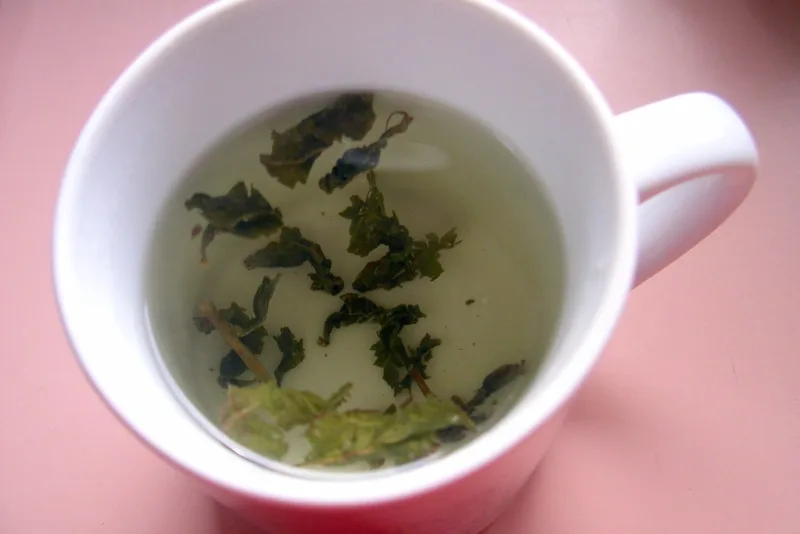
One of oolong’s great joys is that quality leaves can be steeped several times, each infusion revealing a slightly different aroma. In the traditional gongfu style, more leaves are used in a small vessel and steeping times are short (20-40 seconds for the first infusions), increasing gradually. In this way, a single portion of leaves can yield five, six or even more delicious cups.
Tips for a Perfect Taste
- Do not pour boiling water directly onto light oolong leaves — you risk a bitter tea.
- A short first infusion (15-20 seconds), sometimes discarded, “wakes up” the leaves and prepares them for their full aroma.
- Drink it plain, ideally; if you do want sweetness, a teaspoon of honey suits it better than sugar.
When and How Much to Drink
A reasonable amount for a healthy adult is generally 2-3 cups of oolong per day. Being a caffeinated tea, it is best in the morning and at midday, or right after meals. Drunk too late, it can affect sleep in sensitive people.
Tradition recommends it especially after copious meals, for its digestive effect. Many also drink it as a gentler alternative to afternoon coffee, precisely for the stable energy it provides. Avoid drinking it on an empty stomach, however, if you are sensitive — the combination of caffeine and tannins can cause stomach discomfort.
Combinations and Variations
Oolong is delicious on its own, but it also lends itself to a few pleasant combinations:
- Oolong with milk — in Taiwan, “milk oolong” is very popular; some varieties have a naturally creamy aroma, with no added milk.
- Oolong with flowers — adding a few jasmine or osmanthus flowers brings an elegant, fragrant note.
- Cold oolong — prepared as a cold brew, steeped overnight in the fridge, it becomes a refreshing and delicate drink in summer.
- Oolong with a slice of citrus — a thin slice of lemon or orange can add freshness, though purists prefer the natural taste.
Oolong Tea in a Modern Lifestyle
In a world where many people swing between strong coffees and energy drinks, oolong offers a balanced middle path — exactly as in Grandma Veta’s saying. The ritual of preparing it, with the water left to cool slightly and the leaves slowly unfurling in the cup, is in itself a moment of breathing space in a hectic day. Making a good tea requires a few minutes of attention and presence, and this small moment can become a calming anchor.
For those who want to gradually reduce their coffee intake, oolong is a smart transition: it gives you energy, but more gently. For those watching their weight, it is a calorie-free drink that can replace sugary sodas. And for lovers of aroma, it is a whole world to explore, from floral notes to those of toasted honey.
Practical Tips and Common Mistakes
Mistake no. 1: Pouring boiling water directly onto the leaves. For light oolongs, water that is too hot destroys the delicate aromas and brings out bitterness. Let the water rest a little after boiling.
Mistake no. 2: Throwing away the leaves after a single infusion. Quality oolong can be steeped several times — you waste both aroma and money if you give up too soon.
Mistake no. 3: Adding a lot of sugar. This covers up the very subtle nuances that make oolong worth drinking. Try it plain first.
Mistake no. 4: Drinking it late in the evening. The caffeine can ruin your sleep. Keep oolong for the first part of the day.
Mistake no. 5: Buying low-quality, old or poorly stored tea. Oolong leaves should be kept in an airtight container, away from light, moisture and strong odors, to preserve their freshness.
Mistake no. 6: Drinking it on an empty stomach when you are sensitive. The tannins and caffeine can irritate an empty stomach. Drink it instead after you have eaten something.
Conclusion
Oolong tea is, without a doubt, one of the most elegant and balanced teas in the world — a meeting point between the freshness of green tea and the depth of black tea. With its antioxidants, the gentle energy it provides and its pleasant effect on digestion, it deserves a place in the routine of those seeking a healthy and refined drink. Brewed with patience, at the right temperature, oolong becomes more than a simple infusion: a small ritual of balance, exactly as Grandma Veta experienced it every afternoon. Consumed in moderation and with attention to its contraindications, it is a pleasant ally of a temperate lifestyle.
Frequently Asked Questions
What is the difference between oolong tea, green tea and black tea? All three come from the same plant, Camellia sinensis. The difference is oxidation: green tea is essentially unoxidized, black tea is fully oxidized, and oolong is partially oxidized, sitting in the middle in both aroma and intensity.
Does oolong tea help with weight loss? It can be a support, not a miracle solution. Studies suggest that the polyphenols and caffeine in oolong may slightly stimulate metabolism and fat burning, but the real effect appears only when combined with a balanced diet and exercise.
How much oolong can I drink per day? For a healthy adult, 2-3 cups a day is generally considered a reasonable amount. People sensitive to caffeine should drink less.
Does oolong contain caffeine? Yes. The amount varies depending on the variety and the brewing method, but it is usually higher than in herbal teas and lower than in coffee.
Can I drink oolong in the evening? It is not ideal for people sensitive to caffeine, as it can affect sleep. It is better suited to the morning and midday. If you want an evening tea, choose a caffeine-free one.
Can I use the same leaves several times? Yes, and it is actually recommended. Quality oolong supports several infusions, each with a slightly different aromatic nuance.
Is oolong safe during pregnancy? Because of its caffeine content, pregnant women should limit their intake of caffeinated tea and talk to their doctor. Caution is advised.
How do I store oolong tea correctly? In an airtight, opaque container, away from light, moisture, heat and strong odors. This way the leaves keep their aroma and freshness for a long time.