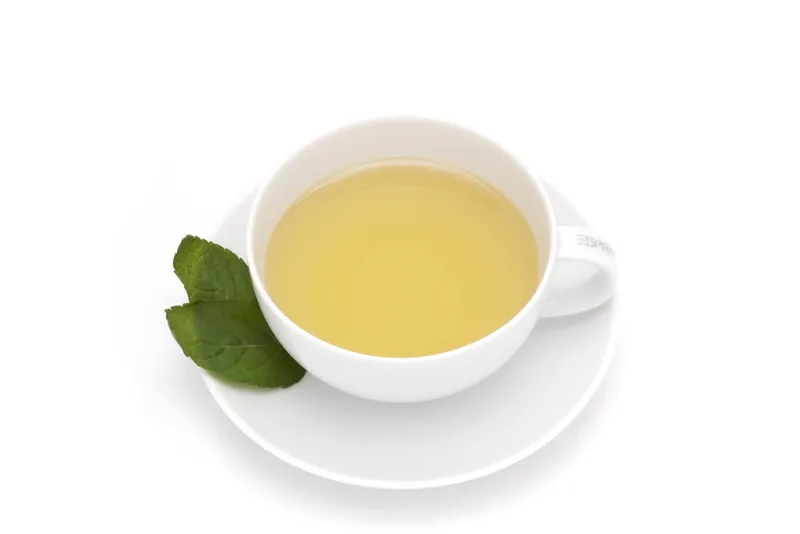

Peppermint Tea: Benefits for Digestion, How to Prepare It and Side Effects
IMPORTANT: Although peppermint tea is one of the gentlest and most beloved teas in the world, it is not suitable for everyone. The menthol in mint relaxes the sphincter between the stomach and the esophagus, which is why people who suffer from gastroesophageal reflux (heartburn, acid regurgitation, hiatal hernia) may notice their symptoms getting worse. Peppermint tea should be given with caution to infants and small children, in whom menthol can, in rare cases, trigger a spasm of the airways — never place mint under a baby’s nose. Pregnant and breastfeeding women should consume moderate amounts and consult their doctor, since large amounts of mint may affect milk flow. People with gallstones or gallbladder conditions should be careful, because mint stimulates bile flow. If you are taking medication (especially drugs metabolized by the liver, antacids, or blood pressure medicine), ask your doctor or pharmacist before drinking large amounts of peppermint tea regularly.
A cup of calm from grandmother’s garden
Aunt Veta from Bistrița had, at the far end of her garden near the well, an entire corner overrun with mint. She used to say she had never planted it — that it “came on its own, from my mother-in-law’s mother” — and that for more than fifty years the family had never bought tea from the shop. Whenever a grandchild turned up with a heavy stomach after eating too many cabbage rolls at Christmas, or with a belly swollen from bean stew, Aunt Veta would walk barefoot out into the dew, pluck a handful of leaves, rinse them under the cold stream of the well, and steep them in a chipped little pot inherited from her own grandmother. “Drink it slowly, while it’s hot, and keep it on your knees,” she’d say, “because mint is in no hurry, but it does its job.”
That refreshing, penetrating scent — the one that opened your nostrils and seemed to clear your head — became, for many village children, a synonym for relief. And it was no mere old wives’ tale: this tradition of calming the stomach with mint goes back thousands of years and appears, in one form or another, in almost every culture on earth, from ancient Egypt to today’s Moroccan tea houses.
Mint (Mentha) is an aromatic plant from the Lamiaceae family, instantly recognizable by its fresh, lightly menthol fragrance. The most commonly used species are peppermint (Mentha × piperita), a natural hybrid between water mint and spearmint, and spearmint (Mentha spicata), which is sweeter and milder. Mint leaves have been prized since antiquity both in the kitchen and as a remedy. The Romans used them to flavor wine and to aid digestion after lavish feasts, and in traditional Romanian medicine “izma” (mint) is never missing from any housewife’s box of dried herbs.
Table of Contents
- What peppermint tea is and where it comes from
- Composition: what mint contains
- The health benefits of peppermint tea
- How to brew peppermint tea correctly (step by step)
- When and how much to drink
- Combinations with other herbs
- How to choose and store mint
- Mint in everyday life
- Practical tips and common mistakes
- Conclusion
- Frequently asked questions
What peppermint tea is and where it comes from
Peppermint tea is, in simple terms, an infusion made by steeping mint leaves (fresh or dried) in hot water. Unlike black or green tea, which comes from the Camellia sinensis plant and contains caffeine, peppermint tea is a “tisane” — a caffeine-free herbal tea, which makes it suitable for drinking at any time of day, including the evening.
The history of mint is lost in the mists of time. Mint leaves have been found in Egyptian tombs over three thousand years old. The Greeks and Romans used it as a symbol of hospitality and as a digestive remedy. The scientific name Mentha comes from Greek mythology, where the nymph Minthe was transformed into this fragrant plant. In the Middle Ages, European monasteries grew mint in their medicinal herb gardens, and monks prescribed it for all sorts of stomach complaints.
In the Romanian tradition, mint has always been one of the staple plants of folk medicine. It was gathered in summer, before flowering, when the leaves are at their most aromatic, tied into small bunches and dried in the shade, in the attic or the pantry. In winter, those dried bunches became the go-to remedy for stomach aches, mild colds, and sleepless nights.
Composition: what mint contains
The aroma and therapeutic power of mint come largely from its essential oil, rich in menthol and menthone. Menthol is responsible for the cooling sensation and for the relaxing effect on the smooth muscle of the digestive tract. In addition, mint contains:
- Volatile oils (menthol, menthone, menthofuran, cineole) — responsible for the aroma and the antispasmodic effects;
- Flavonoids (such as luteolin and hesperidin) — compounds with antioxidant properties;
- Rosmarinic acid — an antioxidant studied for its anti-inflammatory effects;
- Tannins — which give a slight astringent note and contribute to the “soothing” effect on the digestive lining;
- Vitamins and minerals in small amounts (vitamin A, vitamin C, manganese, iron).
It is important to know that only a fraction of the concentrated essential oil found in actual peppermint oil ends up in peppermint tea (the infusion). That is why the tea is gentle and safe for daily use, whereas peppermint essential oil is highly concentrated and must be used with great caution and never ingested without guidance.
The health benefits of peppermint tea
It soothes the stomach and aids digestion
This is the main reason peppermint tea is so beloved. Menthol relaxes the smooth muscle of the digestive tract, helping to reduce cramps, the feeling of heaviness after large meals, and intestinal spasms. Studies suggest that mint may help with irritable bowel syndrome, and folk tradition has recommended it for centuries for an “overloaded stomach.” A cup of warm peppermint tea after a rich meal is one of the oldest and most effective digestive remedies known.
It reduces bloating and gas
Thanks to its antispasmodic and carminative (gas-relieving) effect, mint is a reliable ally against bloating. By relaxing the intestinal muscles, it allows trapped gas to pass more easily, reducing discomfort and that swollen-belly feeling. Romanian folk tradition uses it for exactly this purpose, especially after meals heavy in legumes, cabbage, or fermented foods.
It eases nausea
The aroma and cooling effect of mint can calm a feeling of nausea. Many people find relief by drinking peppermint tea or simply inhaling its steam when their stomach feels off. It is a particularly appreciated remedy for mild travel sickness or the queasiness that follows heavy meals.
It freshens breath and supports oral health
Mint has mild antibacterial properties, which is why menthol is the star ingredient in toothpastes, chewing gums, and mouthwashes. Rinsing the mouth with cooled peppermint tea, or simply drinking it, can freshen the breath and help fight the bacteria that cause unpleasant odors.
It clears the mind and eases tension headaches
The scent of mint has a toning, stimulating effect on the mind. Many people use it to focus better or to wake up in the morning without caffeine. In folk medicine, compresses made with cooled peppermint tea or massaging the temples with mint-scented water were used for tension headaches, with menthol providing a gentle cooling and relaxing effect on the muscles.
It supports the airways
The steam of peppermint tea, inhaled when you have a cold, can help open up a stuffy nose, with menthol creating that familiar “fresh air” sensation. Warm peppermint tea is a gentle and pleasant remedy for a sore throat and a blocked nose during seasonal colds.
It may help with relaxation and sleep
Being caffeine-free and having a calming effect on the body, peppermint tea can be enjoyed in the evening to help you relax. Many prefer it as a warm, soothing alternative before bedtime, especially after a late meal that weighs on the stomach.
How to brew peppermint tea correctly (step by step)
The secret to a good cup of peppermint tea lies in a few simple but important details: the water should not boil for too long, the vessel should be covered so the aromatic oils are not lost, and the infusion should not steep too long, or it will turn bitter.
Tea from fresh leaves
- Pick or buy a handful of fresh mint leaves (about 8–10 leaves for a large cup).
- Rinse the leaves under cold running water to remove any dust.
- Lightly crush the leaves between your fingers or with the back of a spoon — this releases the aromatic oils.
- Place the leaves in a cup and pour over them about 250 ml of hot but not boiling water (around 90–95°C — let boiled water rest for a minute).
- Cover the cup with a saucer and let it steep for 5–7 minutes.
- Strain and drink warm. You can sweeten it with a teaspoon of honey, but only after the tea has cooled a little, to preserve the honey’s properties.
Tea from dried mint
- Place 1 teaspoon (about 1–2 g) of dried mint in a cup or an infuser.
- Pour over 250 ml of hot water.
- Cover and let steep for 5–10 minutes.
- Strain and enjoy.
For a larger pot (1 liter), use about 4–5 teaspoons of dried mint or a generous handful of fresh leaves.
Iced mint tea for summer
In summer, cold peppermint tea makes an excellent refreshing drink. Brew the infusion as usual, let it cool, then chill it in the fridge with lemon slices and a few fresh leaves. Serve over ice. It is a much healthier alternative to fizzy drinks.
When and how much to drink
For the best digestive effect, peppermint tea is best drunk warm and slowly, after meals — especially after large ones. One cup (200–250 ml) is enough. In general, 2–3 cups a day are considered safe for a healthy adult. Being caffeine-free, it can also be drunk in the evening and is even recommended as a relaxing drink before bedtime.
If you are drinking it for bloating or cramps, drink it at the first signs of discomfort. If you are using it for nausea, small, frequent sips often work better than downing a whole cup at once.
Combinations with other herbs
Mint pairs wonderfully with many other herbs, both for taste and for effect:
- Mint + chamomile — the perfect combination for an upset stomach and for evening relaxation;
- Mint + ginger — a powerful duo against nausea and sluggish digestion;
- Mint + fennel + anise — the classic “tummy” blend, excellent for bloating and gas;
- Mint + lemon and honey — for colds and a sore throat;
- Mint + linden or lemon balm — for calming and restful sleep;
- Mint + green tea — for a refreshing, toning drink (note: this contains caffeine).
How to choose and store mint
Fresh mint is recognized by its bright green leaves, free of brown spots, and by the strong aroma that rises when you rub a leaf between your fingers. Store it in the fridge, wrapped in a slightly damp paper towel, or with the stems standing in a glass of water like a bouquet of flowers.
Dried mint should retain its greenish color and its aroma. If it has turned gray and lost its smell, it has lost its properties. Keep it in airtight glass jars, away from light, heat, and moisture. Mint dried at home, gathered from your own garden and dried in the shade, is by far the most aromatic and reliable.
If you want to dry your own mint: gather the stems in summer, in the morning, after the dew has lifted but before the midday heat. Tie them into small bunches and hang them upside down in a dry, airy, shaded place. After 1–2 weeks, when the leaves rustle, strip them off and store them in jars.
Mint in everyday life
Mint should not be confined to the teacup. You can bring it into everyday life in countless ways: added to fruit and summer salads for a refreshing note, in lemonade, in cucumber yogurt (tzatziki), in Middle Eastern and North African dishes. Fresh leaves in drinking water, along with slices of lemon and cucumber, turn a plain glass of water into a spa-like drink.
For those who spend long hours at a desk, a cup of peppermint tea at midday can be a small, refreshing ritual without the “jitters” that too much coffee can bring. Its clear aroma helps create a welcome mental break.
Around the home, mint planted near the house or in pots on the windowsill keeps some insects at bay and perfumes the air. It is a generous plant that grows quickly and spreads on its own — so much so that many people grow it in pots just to keep its spread in check.
Practical tips and common mistakes
Mistake no. 1: Using fully boiling water. Water that is too hot, poured straight off a rolling boil, “burns” the delicate mint leaves and destroys some of the aromatic oils, leaving a bitter taste. Let the water rest for a minute after boiling.
Mistake no. 2: Steeping for too long. Many people believe that “more time = stronger.” In reality, after 7–10 minutes, peppermint tea starts releasing bitter tannins. Respect the steeping time.
Mistake no. 3: Leaving the cup uncovered. Mint’s aromatic oils are volatile — they evaporate along with the steam. Always cover the cup while steeping to preserve the aroma and the benefits.
Mistake no. 4: Drinking it when you have reflux. If you suffer from heartburn or acid reflux, mint may worsen your symptoms by relaxing the esophageal sphincter. In that case, choose chamomile or ginger instead.
Mistake no. 5: Sweetening boiling tea with honey. Honey added to very hot liquid loses some of its beneficial properties. Wait for the tea to drop below 40°C before adding honey.
Mistake no. 6: Overdoing the amount. Even though it is gentle, peppermint tea consumed in large amounts every day is not recommended long-term for everyone. Moderation — 2–3 cups a day — is the key.
Conclusion
Peppermint tea is one of those simple, accessible, time-tested remedies that deserves a place of honor in every home. Refreshing, fragrant, and gentle, it soothes the stomach, eases bloating, relieves nausea, and brings a touch of calm to the end of a hectic day. It is not a miracle cure, but a natural and pleasant support for digestion and wellbeing — exactly the way our grandmothers used it. As long as you keep a few precautions in mind — especially in cases of reflux, pregnancy, or with small children — a cup of peppermint tea remains one of the safest and wisest choices you can make for your digestive comfort. Grow your own mint, learn to dry it properly, brew it with care, and you will always have at hand that corner of cool, refreshing calm from grandmother’s garden.
Frequently asked questions
Is it safe to drink peppermint tea every day? For most healthy adults, 2–3 cups a day are safe over the long term. However, if you suffer from gastroesophageal reflux, gallstones, or are pregnant, it is best to moderate your intake and talk to your doctor.
Does peppermint tea contain caffeine? No. Pure peppermint tea is a tisane (herbal tea) with no caffeine, which is why it can be drunk in the evening without affecting sleep. Be careful, though, with blends that also contain green or black tea.
Can I drink peppermint tea on an empty stomach? Generally yes, especially for its digestive effect and to ease morning bloating. If you notice discomfort or burning, it means your stomach is sensitive to mint and it would be better to drink it after a meal.
Does peppermint tea help with weight loss? Not directly. Mint does not “burn fat,” but it can support weight loss indirectly: it improves digestion, reduces bloating, and, being a warm, fragrant, calorie-free drink, it can replace sugary drinks and unhealthy snacks.
What is the difference between peppermint and spearmint? Peppermint (Mentha × piperita) has a higher menthol content and a stronger, “cooler” taste. Spearmint (Mentha spicata) is sweeter and milder, making it the preferred choice in cooking and for teas intended for children.
Can I give peppermint tea to children? With caution and in small amounts, spearmint (the milder green mint) can be given to older children for mild stomach aches. For infants and very young children, always consult a pediatrician, as menthol can be too strong.
Why does my peppermint tea turn out bitter? Most likely, you either used water that was too hot or let it steep for too long. Use water at around 90°C and limit the infusion to 5–7 minutes.
Can I use peppermint tea as a gargle or mouthwash? Yes. Cooled peppermint tea can be used as a natural mouthwash to freshen the breath and take advantage of its mild antibacterial properties. It is a gentle and pleasant alternative for oral hygiene.