 Photo: cogdogblog, CC BY 2.0, via Wikimedia Commons
Sage Tea: Benefits, How to Prepare and Side Effects
IMPORTANT: Sage tea contains thujone, a compound that in large amounts can be toxic to the nervous system. For this reason it should NOT be taken in long, uninterrupted courses (over 3-4 weeks), you should not exceed 2-3 cups per day, and it should be avoided completely during pregnancy and breastfeeding (sage reduces milk supply and may stimulate uterine contractions). People with epilepsy, those taking sedatives, anticoagulants or antidiabetic medication, and anyone with estrogen-dependent hormonal conditions should talk to their doctor before drinking sage tea regularly. This article is for informational purposes only and does not replace medical advice.
Grandmother Veta from the hills of Transylvania had a habit that all her grandchildren remembered well: on every winter evening, when someone started to go hoarse or felt their throat “scratchy,” she would take a bundle of dried sage tied with hemp string out of her herb drawer and put the water on to boil. “Sage is the doctor of the throat,” she would say, as she poured the water over the silvery leaves and covered the cup with a small saucer. Once the tea had cooled a little, she made us gargle for a long time, then drink it slowly with a teaspoon of honey. The next morning, more often than not, the voice came back and the soreness was gone.
Aunt Veta had never read a single book on herbal medicine, but she had inherited a knowledge centuries old from her mother and grandmother. All across Europe, from medieval monasteries to peasant households, sage was considered an almost sacred plant. Its Latin name, Salvia officinalis, comes from the verb salvare — “to save,” “to heal” — and an old saying went: “Why should a man die when sage grows in his garden?” In this article we will see why sage tea earned this reputation, what real benefits it can offer, how to prepare it correctly and, very importantly, when it should be avoided.
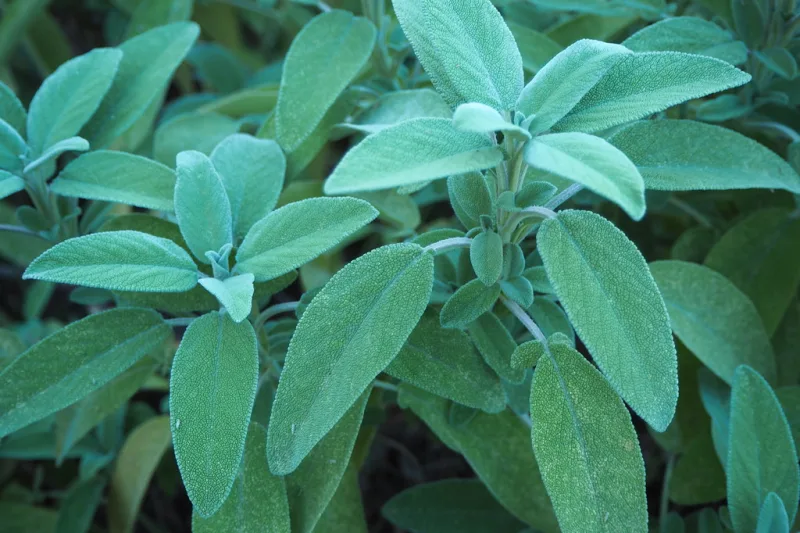
Sage tea is the infusion made from the leaves of Salvia officinalis, an aromatic perennial in the Lamiaceae family (the same family as mint, thyme and basil). The leaves are a silvery green color, have a velvety texture and a strong, slightly bitter and camphor-like aroma. That intense fragrance comes from the rich volatile oils the leaves contain — the very same oils responsible for most of the tea’s beneficial effects.
Table of Contents
- What sage is and where it comes from
- Composition and active compounds
- The health benefits of sage tea
- How to prepare sage tea correctly (step-by-step recipe)
- When and how much to drink
- Combinations with other herbs
- External uses: gargle, compresses, hair rinse
- Practical tips and common mistakes
- Precautions and contraindications
- Conclusion
- Frequently Asked Questions
What sage is and where it comes from
Medicinal sage is native to the Mediterranean region, particularly the sunny, rocky areas of the Balkans and Italy. It loves dry, well-drained soil and full sun, which is why it also grows very well in gardens throughout Romania, being a plant tolerant of drought and mild winters. A sage bush can live for many years, becoming more woody at the base as it ages.
The leaves are usually harvested before flowering, in late spring, when the content of volatile oils is at its peak. They are dried in the shade, in a thin layer, in an airy place, then stored in glass jars or paper bags, away from light and moisture. Good-quality sage keeps its strong aroma and gray-green color; if the leaves have lost their smell, they have also lost much of their properties.
Besides Salvia officinalis, there are other species used traditionally, such as meadow sage (Salvia pratensis), but garden medicinal sage remains the most prized for teas and remedies. In the kitchen it is a classic seasoning for fatty meats and heavy dishes, precisely because it aids digestion — a clue to its effects on the body as well.
Composition and active compounds
The power of sage tea lies in the unusual wealth of active compounds the leaves contain. Without going into exact figures, studies suggest that sage is one of the richest aromatic plants in antioxidants and essential oils. Among the main categories of substances are:
- Volatile oils (especially thujone, cineole, camphor, borneol) — responsible for the intense aroma and for the antiseptic, antispasmodic and antimicrobial effects.
- Phenolic acids and flavonoids — especially rosmarinic acid, a powerful antioxidant with anti-inflammatory effects, which helps neutralize free radicals.
- Tannins — astringent substances that explain why sage “tightens” tissues, reducing inflammation of the gums and throat and helping to stop minor bleeding.
- Triterpenic acids (such as ursolic acid) — with an anti-inflammatory role.
- Bitter substances — which stimulate the secretion of saliva and digestive juices.
Thujone, although it provides part of sage’s therapeutic strength, is also the reason the plant must be consumed in moderation: in large amounts, it can be neurotoxic. This is a perfect example of the fundamental principle of herbal medicine: the dose makes the difference between a remedy and a poison.
The health benefits of sage tea
1. Soothes sore throats and hoarseness
This is, without a doubt, the best-known use of sage. Thanks to its combination of astringent tannins, antiseptic oils and anti-inflammatory rosmarinic acid, sage tea used as a gargle can reduce inflammation of the throat lining, ease the burning and “scratchy” sensation, and help fight microbes in the mouth and pharynx. Folk tradition and long use recommend it for tonsillitis, pharyngitis and hoarseness.
2. Reduces excessive sweating
One of sage’s most appreciated properties is its ability to reduce sweating. Studies suggest that sage has an antiperspirant effect, which is why it has been used for centuries for people who sweat heavily, for night sweats and for the hot flashes associated with menopause. For this purpose, the tea is usually drunk cool or lukewarm, in short courses.
3. Support during menopause
Because of its effect on sweating and a mild phytoestrogenic activity, sage tea is one of the most widely used traditional remedies for the discomfort of menopause — hot flashes, night sweats and irritability. Many women use it in short courses, under supervision, to manage their symptoms in a natural way.
4. Aids digestion
The bitter substances and volatile oils in sage stimulate the secretion of saliva and digestive juices, helping to digest heavy, fatty meals. Sage tea can ease bloating, the feeling of heaviness after eating and mild cramps. It is no coincidence that sage is used as a seasoning for roasts and rich dishes.
5. Supports oral and gum health
Used as a mouthwash or gargle, sage tea can help combat bad breath, soothe inflamed gums (gingivitis) and mouth ulcers. The astringent effect of the tannins “tones” the gum tissue, while the volatile oils reduce bacteria in the mouth.
6. Supports mental clarity and memory
Sage has a long-standing reputation as the “herb of memory.” Modern studies suggest that certain compounds in sage may have a favorable effect on cognitive function and concentration. Although research is ongoing, herbal tradition has always used sage as a tonic for the mind and for clear thinking.
7. General antioxidant action
Its richness in rosmarinic acid and flavonoids makes sage tea a good source of antioxidants, substances that help the body cope with oxidative stress. An occasional cup of sage thus contributes to a diet rich in protective plant compounds.
How to prepare sage tea correctly (step-by-step recipe)
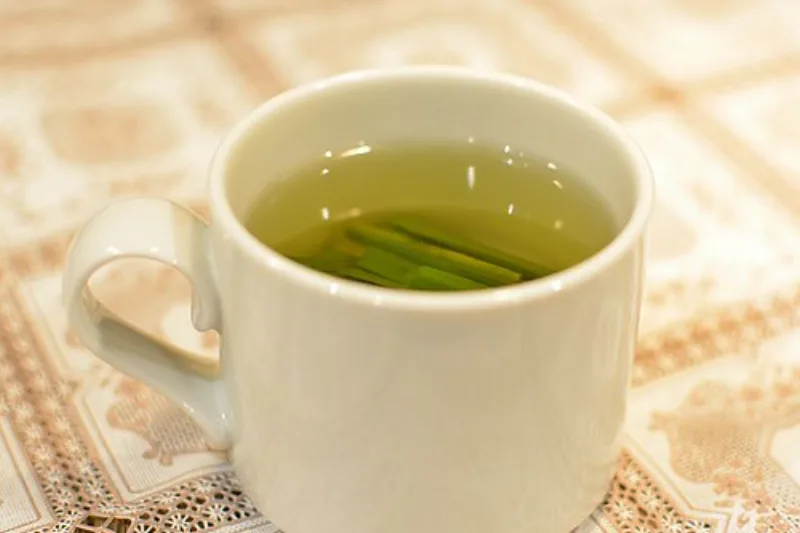
Correct preparation is essential: if the infusion is too concentrated or steeped for too long, both the bitterness and the thujone content increase. Here is the classic method:
Ingredients:
- 1 teaspoon (about 1-2 g) of dried sage leaves OR 4-5 fresh leaves
- 250 ml water (one cup)
- optional: a teaspoon of honey and/or a few drops of lemon
Steps:
- Boil the water and let it rest for 1 minute after it has come to a boil, so that it is not at full boiling temperature (water that is too hot “burns off” some of the volatile oils).
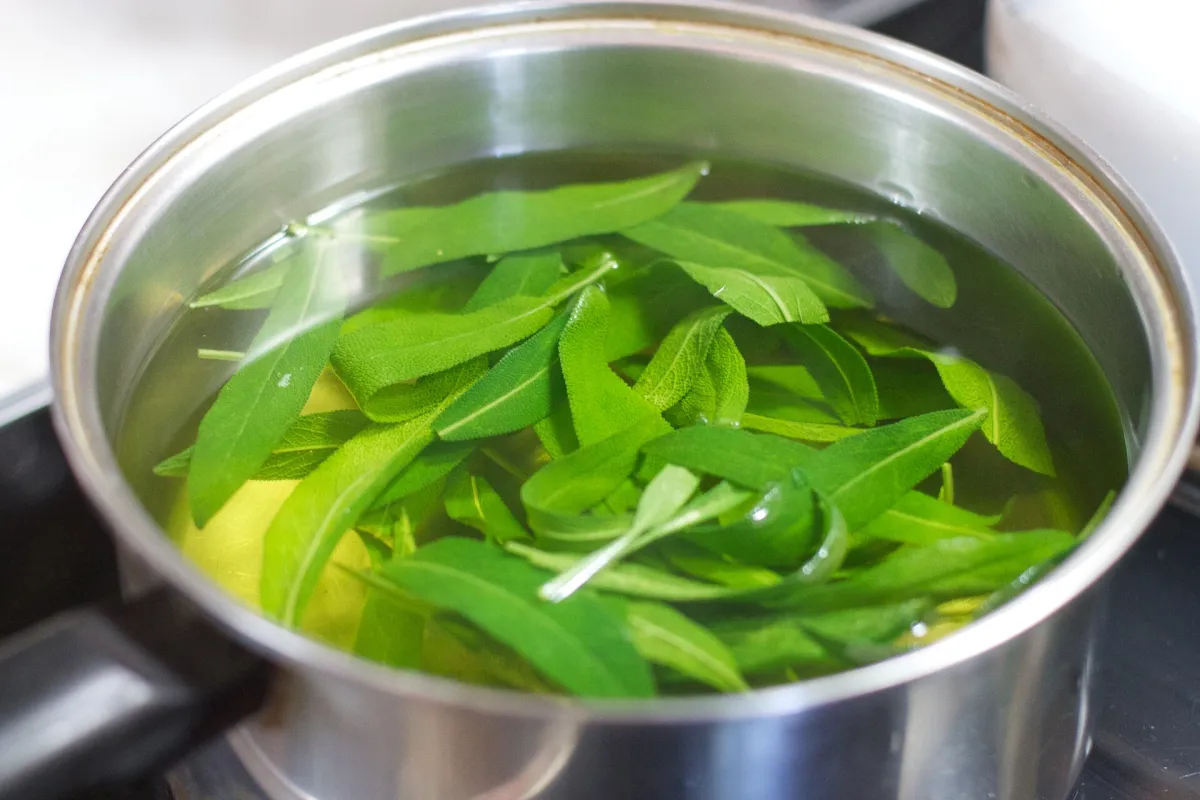
- Place the sage leaves in a cup or teapot.
- Pour the hot water over the leaves.
- Cover the cup with a small saucer or lid — the most important step! Covering prevents the aromatic volatile oils from evaporating, as they otherwise would with the steam.
- Let it steep for 5-10 minutes. For a gentle infusion, 5 minutes is enough; for a gargle or a stronger effect, you can steep for up to 10 minutes.
- Strain the tea.
- Add honey and lemon to taste, if you wish (honey further soothes an irritated throat).
For a gargle, prepare a stronger tea (1 tablespoon of leaves per cup), let it cool until lukewarm, and gargle 3-4 times a day, especially after meals.
When and how much to drink
For internal use, the golden rule is moderation. In general:
- 1-2 cups a day are enough for most purposes.
- A maximum of 3 cups a day, and only for short periods.
- For sweating and hot flashes, the tea is usually drunk lukewarm or cool, in the morning and/or before bed.
- For digestion, one cup after the main meal.
- For the throat, gargle several times a day, but keep the tea you swallow within the 2-3 cup limit.
Very important: sage tea should not be drunk in uninterrupted courses for months on end. A typical course lasts a maximum of 3-4 weeks, followed by a break. This is due to the accumulation of thujone in the body with prolonged consumption.
Combinations with other herbs
Sage blends beautifully with other herbs, both for taste and for complementary effects:
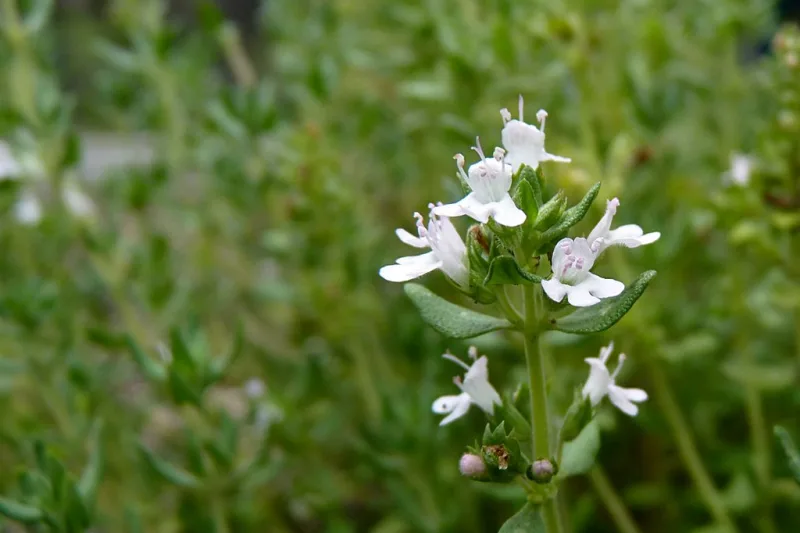
- Sage + thyme + honey — for the throat and colds, a classic, strongly antiseptic combination.
- Sage + chamomile — for a soothing gargle and for mouth inflammation.
- Sage + lemon balm (melissa) — to support calm and digestion.
- Sage + raspberry leaf and yarrow — in traditional blends for menopausal discomfort.
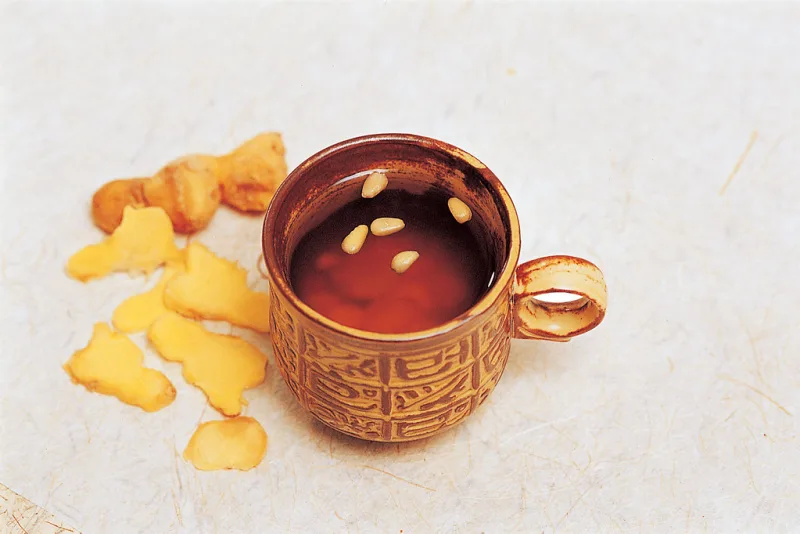
- Sage + lemon and ginger — an invigorating, aromatic tea for the cold season.
External uses: gargle, compresses, hair rinse
Besides internal use, sage tea has valuable external applications:
- Gargle and mouthwash — described above, this is the most popular external use, for an irritated throat, inflamed gums and bad breath.
- Compresses for the skin — cooled tea, applied with a clean compress, can soothe irritated or reddened skin thanks to its astringent and anti-inflammatory effect.
- Hair rinse — a concentrated sage infusion, used as a final rinse after shampooing, is a traditional remedy for oily hair and for toning the scalp; for dark hair, it is said to help enhance the natural tones.
- Foot baths — for those who sweat heavily on the feet, a bath with sage infusion can help reduce sweating and unpleasant odor.
Practical tips and common mistakes
Mistake no. 1: Drinking the tea in long courses without a break. Many people believe that if a plant is natural, it can be consumed indefinitely. Wrong. Sage contains thujone and should NOT be drunk for months without interruption. Follow the rule: a 3-4 week course, then a break.
Mistake no. 2: Making it too concentrated. More does not mean better. An excessively concentrated infusion is very bitter and increases the risk of unwanted effects. Stick to 1 teaspoon of leaves per cup for drinking.
Mistake no. 3: Leaving the cup uncovered. If you do not cover the cup while steeping, the aromatic volatile oils — the very ones that heal — evaporate with the steam. Always cover.
Mistake no. 4: Drinking it during pregnancy or breastfeeding. Sage can stimulate the uterus and reduce milk supply. Pregnant women and breastfeeding mothers should avoid sage tea (except when intentionally trying to stop lactation, and then only with a doctor’s approval).
Mistake no. 5: Ignoring drug interactions. Sage can affect blood sugar and the effect of sedatives and anticoagulants. If you are on any treatment, ask your doctor.
Mistake no. 6: Using sage essential oil as a substitute for the tea. Essential oil is extremely concentrated and should NOT be taken internally without the guidance of a specialist. Tea and essential oil are very different in strength and safety.
Mistake no. 7: Storing the leaves in the light. Dried sage loses its volatile oils if kept in the sun or in open containers. Store it in closed jars, in the dark.
Conclusion
Sage tea is a traditional remedy with a well-deserved reputation, proven by centuries of use in European villages and monasteries. It is a reliable ally for an irritated throat, for reducing excessive sweating and menopausal hot flashes, for digestion and for oral health. Its richness in antioxidants and volatile oils makes it a truly valuable plant. Yet its very power demands respect: sage should be drunk in moderation, in short courses, and avoided during pregnancy and breastfeeding. Used correctly and in the right dose, just as Grandmother Veta did with her bundle of dried sage, this silvery, aromatic tea remains one of the most trustworthy remedies in the treasure chest of natural cures.
Frequently Asked Questions
How often can I drink sage tea? For most purposes, 1-2 cups a day are enough, a maximum of 3. Daily, uninterrupted consumption for more than 3-4 weeks is not recommended; after a course, take a break before resuming.
Is sage tea good for a sore throat? Yes, it is one of its best-known uses. Used as a gargle (stronger and lukewarm) 3-4 times a day, it can ease inflammation, soreness and hoarseness thanks to its astringent and antiseptic effect.
Does sage tea help with excessive sweating? Yes. Sage has an antiperspirant effect that is traditionally recognized and suggested by studies, and is used for heavy sweating, night sweats and menopausal hot flashes. For this purpose it is usually drunk lukewarm or cool.
Can I drink sage tea during pregnancy? No. Sage is contraindicated in pregnancy because it can stimulate uterine contractions. It should also be avoided while breastfeeding, as it reduces milk supply.
Does sage tea have side effects? In normal doses and over short periods, it is generally well tolerated. With excessive and prolonged use, the thujone in sage can cause nervous effects (dizziness, palpitations). This is why the dose and the duration of the courses must be respected.
Can I give sage tea to children? As a gargle for older children (who know how to gargle without swallowing), it can be used occasionally. For internal use in young children, it is better to consult a doctor or pharmacist, as the doses must be adjusted.
How do I choose good-quality sage? Good dried sage leaves are gray-green in color and have a strong, slightly bitter, camphor-like aroma. If the leaves no longer have a scent, they have lost their volatile oils and, with them, much of their properties.
Can I use fresh sage from the garden to make tea? Yes, fresh sage is excellent for tea. Use 4-5 fresh leaves per cup. The aroma will be a little milder than dried sage, but just as beneficial.