 Photo: cyclonebill, CC BY-SA 2.0, via Wikimedia Commons
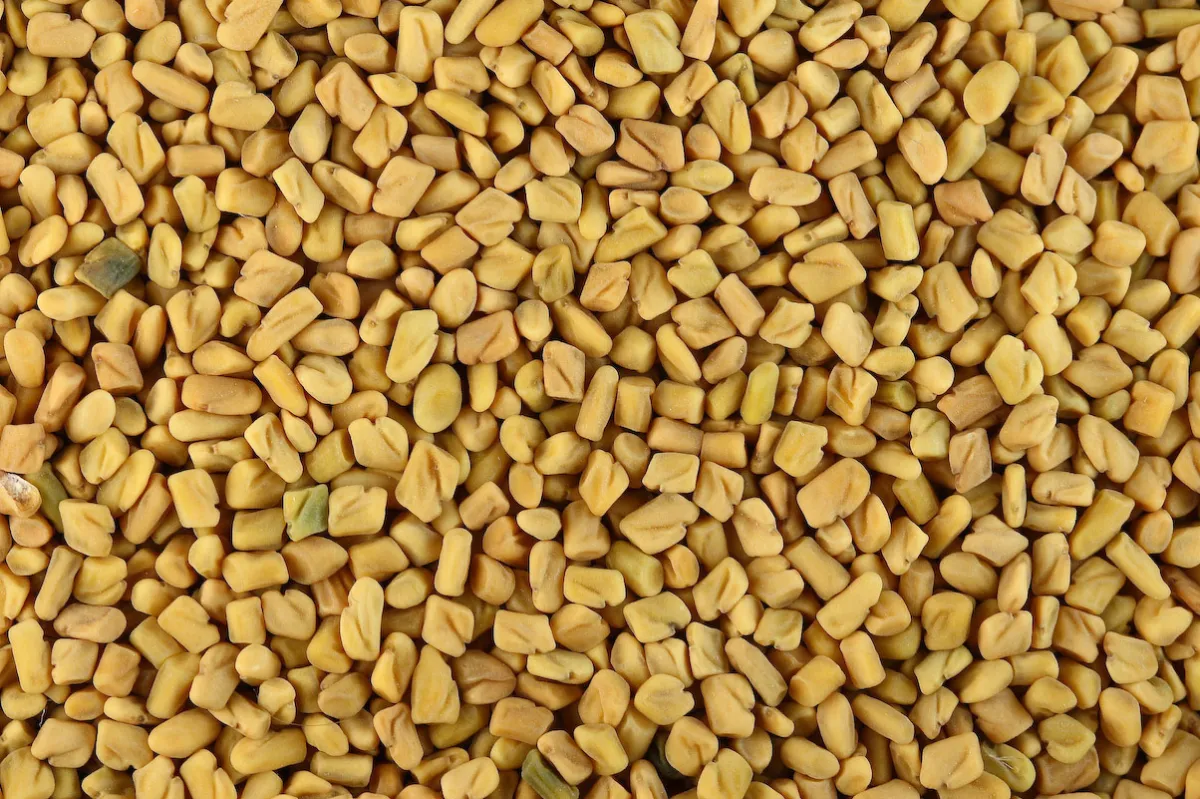
Traditional breastfeeding teas usually contain fenugreek, fennel, aniseed, caraway and sometimes goat’s rue (Galega). The evidence that they increase milk supply is weak: the studies are small and the effect, if any, is modest. What really works is frequent, effective emptying of the breast: feeding on demand 8-12 times a day with a good latch. A warm tea does help with hydration and relaxation, though, and that matters. On the other hand, large amounts of sage and peppermint can reduce milk. Here is what you can drink with peace of mind and what to avoid.
Key takeaways
- Frequent, effective feeding is the main “galactagogue”; no tea makes up for a poor latch or infrequent feeds.
- Fenugreek, fennel, aniseed: wide traditional use, weak and inconsistent clinical evidence.
- Sage, large amounts of peppermint, concentrated parsley are traditionally used to stop milk when weaning.
- Caffeine passes into milk: maximum 200-300 mg a day; young babies clear it very slowly.
- Ask for help from a lactation consultant or doctor if your baby is not gaining weight or has few wet nappies.
How milk is made and why it matters for tea
Milk production works on supply and demand: the more often and more completely the breast is emptied, the more it produces. Prolactin, the hormone that drives production, rises with every feed. Milk left in the breast signals the body to slow down.
That is why the most common causes of “low milk” are: infrequent or rigidly scheduled feeds, a poor latch, early introduction of dummies and bottles, extreme fatigue and stress, and sometimes medical issues (thyroid, retained placenta, polycystic ovary syndrome). Tea fixes none of these. For a complete approach, read our guide to low milk supply.
What studies say about galactagogue herbs
| Herb | Traditional use | Evidence | Main precautions |
|---|---|---|---|
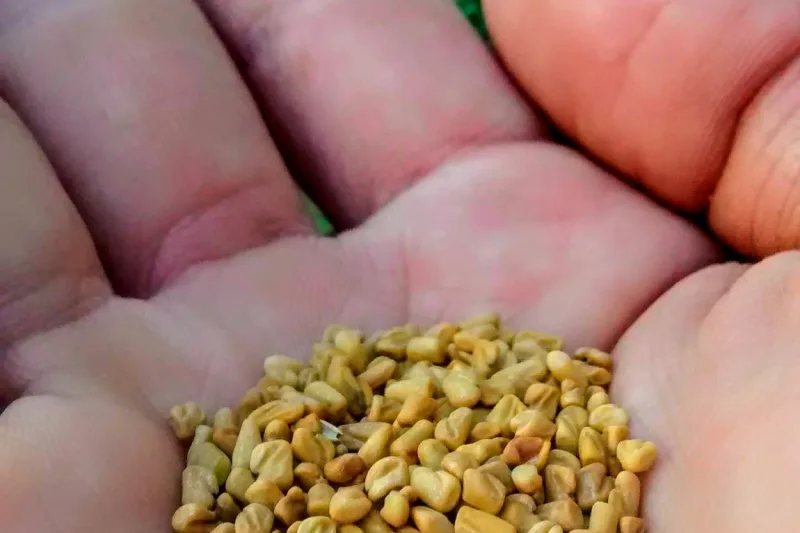
| Fenugreek (seeds) | the most used milk herb | small studies, inconsistent results | maple syrup odour in mother and baby, digestive upset, cross-allergy with peanut and chickpea, lowers blood sugar |
| Fennel (seeds) | lactation, colic | very limited data | estragole; EMA does not recommend it while breastfeeding owing to lack of data |
| Aniseed | lactation, digestion | limited data | dangerous confusion with Japanese star anise (toxic) |
| Goat’s rue (Galega officinalis) | lactation | small studies | lowers blood sugar; caution with diabetes |
| Milk thistle (Silybum) | lactation | one small study, modest results | mild digestive upset |
| Caraway | lactation, colic | limited data | generally well tolerated |
| Nettle | “strengthening” the mother, lactation | traditional data | mild diuretic effect |
The Academy of Breastfeeding Medicine (ABM), in its protocol on galactagogues, concludes that evidence for herbs is insufficient to recommend them routinely and that the priority is assessing and correcting breastfeeding. The US National Institutes of Health LactMed database describes, for each herb, what is known about transfer into milk and effects on the infant.
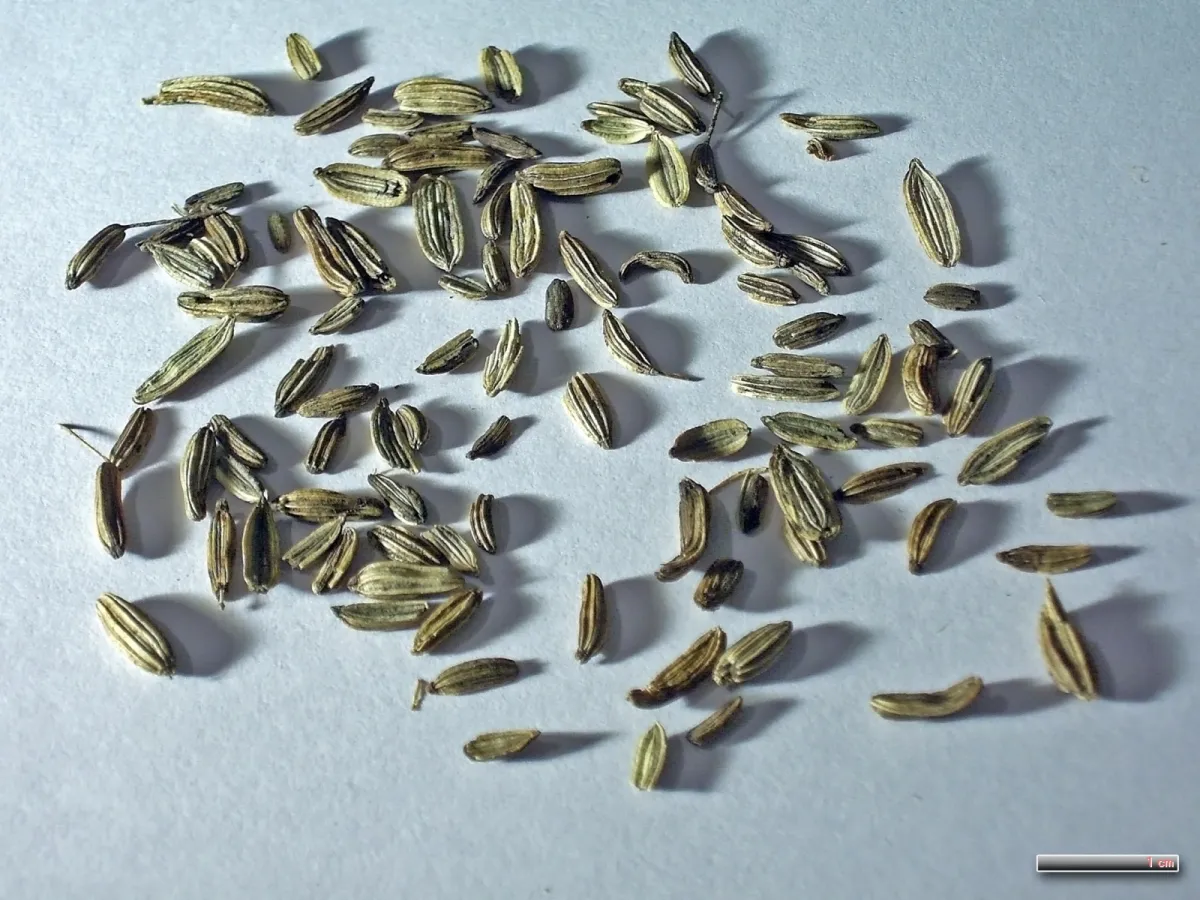 Photo: Rillke, CC BY-SA 3.0 de, via Wikimedia Commons
Tea recipes for breastfeeding
The general rule: drink medicinal teas in moderate amounts (2-3 cups a day) and not in endless courses. The rest of your fluids come from water.
1. “Mama’s” fennel and caraway tea (short term)
- half a teaspoon fennel seeds, crushed
- half a teaspoon caraway seeds, crushed
- 250 ml boiling water
Steep for 10 minutes covered. 1-2 cups a day for a few weeks. Crush the seeds just before brewing, or the aroma stays locked inside. More on the herb in our guide to fennel tea.
2. Fenugreek tea
1 teaspoon fenugreek seeds, lightly crushed, in 250 ml water. Simmer for 5 minutes, then leave covered for 10 minutes. Slightly bitter, with notes of toasted nuts and “maple syrup”. 2-3 cups a day, for 2-3 weeks at most. If you notice no difference after a week, fenugreek probably does not work for you.
3. The relaxing tea for long evenings
Lemon balm and chamomile, a teaspoon of each, to 250 ml boiling water, 10 minutes. They do not increase milk directly, but relaxation helps the let-down reflex (milk flows more easily when the mother is calm).
4. A warm tea before feeding
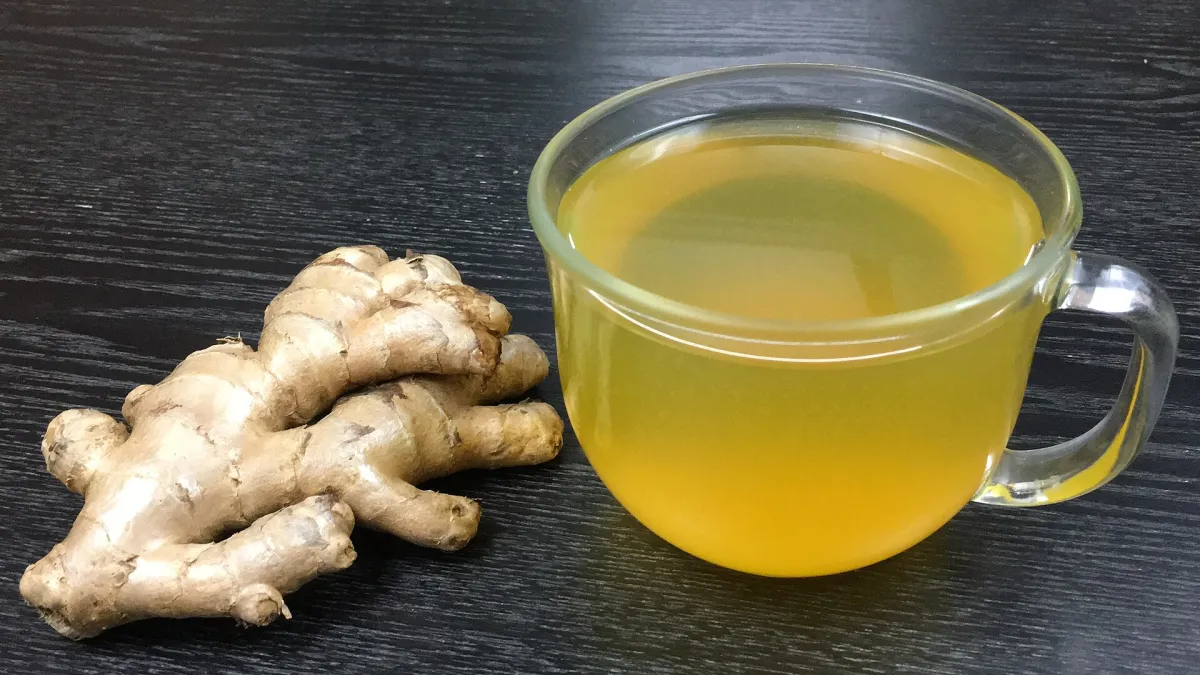
Any gentle tea (rooibos, linden, fruit tea) drunk before or during a feed hydrates you and creates a calming ritual. A glass of water or tea at every feed is a good habit.
Teas that can lower milk supply
- Sage: traditionally used to reduce milk when weaning or in oversupply.
- Peppermint and peppermint oil in large amounts: traditional data and case reports of reduced lactation; an occasional cup is usually not a problem.
- Parsley in large amounts (concentrated tea).
- Teas with lots of hops or jasmine (jasmine applied to the breast is used traditionally for weaning).
- Laxative or slimming teas: fluid loss and calorie restriction can affect production.
If you have too much milk or want to wean, sage is exactly the traditional tea for that, but even then it is wise to talk to a lactation consultant.
Caffeine, black tea and green tea
Caffeine passes into breast milk. Newborns clear it very slowly, so they may become fussy or sleep less. Usual advice: no more than 200-300 mg caffeine a day for breastfeeding mothers (2-3 cups of black or green tea, counting coffee too). If your baby seems irritable, try cutting caffeine for a few days. Rooibos, chamomile, linden and fruit teas are caffeine-free.
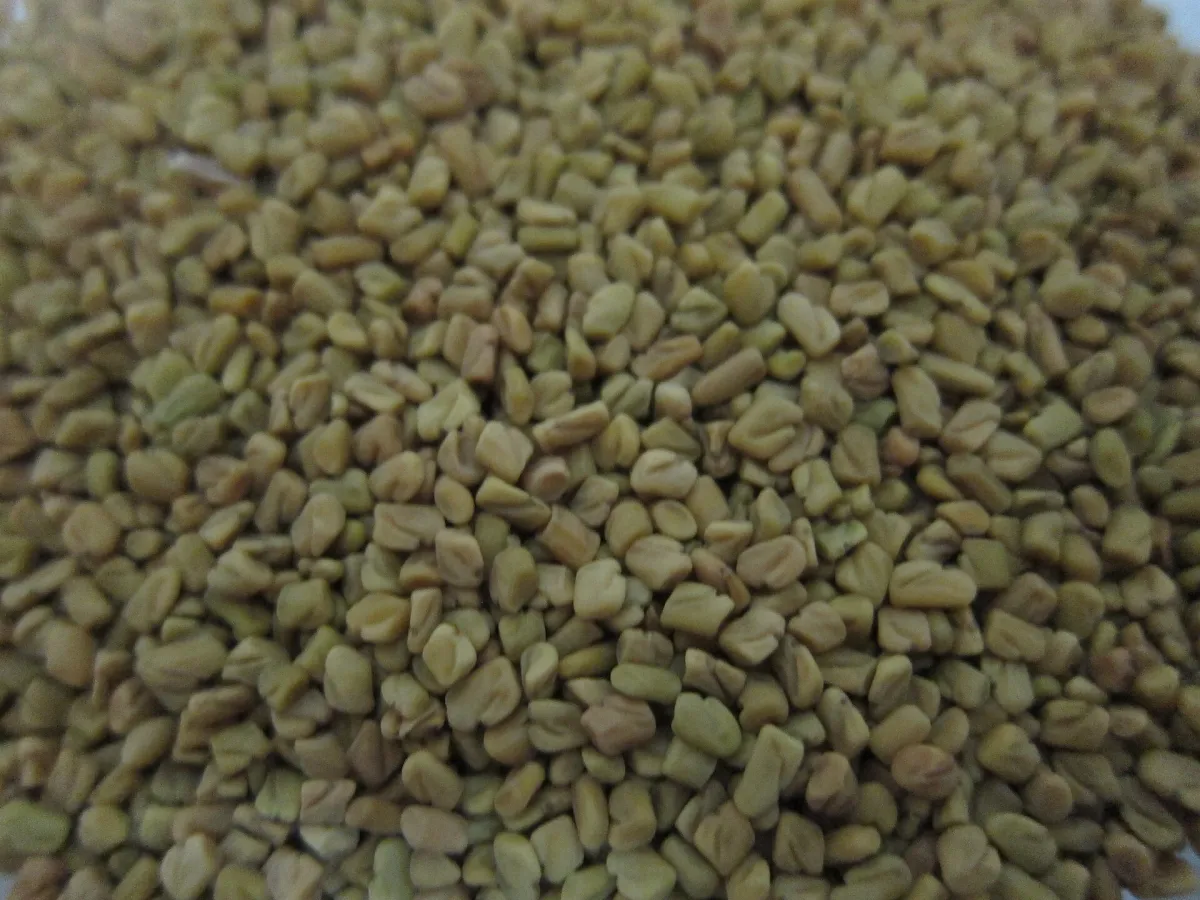 Photo: കാക്കര, CC BY-SA 3.0, via Wikimedia Commons
What really works for more milk
- Feeding on demand, 8-12 times in 24 hours, including at night, when prolactin is higher.
- A good latch: the baby’s mouth takes in a large part of the areola, lips flanged out, no pain.
- Both breasts at a feed, switching when the first feels empty.
- Skin-to-skin contact as much as possible in the early weeks.
- Extra pumping after feeds if stimulation is needed.
- Rest, enough food, drinking to thirst.
- Assessment by a lactation consultant if problems persist.
Contraindications and precautions
- Fenugreek: avoid if allergic to peanuts, chickpeas or other legumes, with severe asthma, insulin-treated diabetes or anticoagulants.
- Fennel and aniseed: use only seeds from reliable sources; never give star anise teas to babies; avoid large long-term amounts.
- Goat’s rue: caution with diabetes and blood sugar-lowering drugs.
- Do not give tea to babies under 6 months without medical advice: breast milk fully covers their fluid needs, and tea can displace milk feeds.
- Herbs to avoid while breastfeeding: large amounts of liquorice, St John’s wort (insufficient data), senna, kava, unknown plants.
- Medicines: check any medication for compatibility with breastfeeding; herbs do not replace treatment, for example for mastitis.
When to ask for help
- your baby has fewer than 6 wet nappies a day after day 5 of life;
- your baby has not regained birth weight by 10-14 days or is not growing along the curves;
- your baby is sleepy, hard to wake for feeds or has yellowing skin that is getting worse;
- breastfeeding hurts constantly or you have cracked nipples;
- a breast is red, hot and painful and you have fever and chills (possible mastitis);
- after a herbal tea, your baby has diarrhoea, a rash, unusual fussiness or an unusual smell;
- you feel overwhelmed, sad or anxious most days (postpartum depression is treatable).
Common mistakes
- “I drink lactation tea, so I don’t need to feed so often.”
- Multi-herb teas drunk for months.
- Daily peppermint or sage tea without knowing they can lower supply.
- Giving tea to the baby for colic or thirst in the first months.
- Too much coffee and black tea in the early weeks.
- Delaying specialist help when the baby is not gaining weight.
Conclusion
A tea for breastfeeding can be a warm, calming ritual with a possible modest effect on milk, especially one with fennel, caraway or fenugreek. It is not, however, the solution for low supply: frequent feeding, a good latch and support from a lactation consultant make the difference. Avoid large amounts of sage and peppermint, keep caffeine in check and do not give tea to a young baby. If you have just been through pregnancy, our guide to teas safe in pregnancy may also be useful, and for evenings with a cold, see tea for colds and flu.
Frequently asked questions
Which tea increases breast milk? Teas with fenugreek, fennel, aniseed and caraway are used traditionally, but the evidence is weak. Frequent, effective feeding is what works best.
Does sage tea reduce milk supply? Yes, sage is traditionally used to reduce lactation, for example when weaning. Avoid large amounts if you want to keep your supply.
Can I drink peppermint tea while breastfeeding? An occasional cup is usually fine. Large daily amounts of peppermint may reduce milk in some women.
Is fenugreek safe for my baby? For most babies, yes, in moderate amounts, but it can cause digestive upset and a maple syrup smell on the baby’s skin and urine. Avoid it if there are legume allergies in the family.
How much tea can I drink a day while breastfeeding? 2-3 cups of medicinal tea a day is enough. The rest of your fluids, to thirst, from water and other drinks.
Can I drink coffee or black tea while breastfeeding? Yes, in moderation: up to 200-300 mg caffeine a day. If your baby is fussy or sleeps badly, cut back.
Can I give my baby fennel tea for colic? Not without medical advice. Under 6 months, babies need only milk, and teas can replace feeds and may contain substances unsuitable for their age.
Sources and further reading
- Academy of Breastfeeding Medicine: “ABM Clinical Protocol #9: Use of Galactogogues in Initiating or Augmenting Maternal Milk Production”.
- NIH, National Library of Medicine: LactMed (Drugs and Lactation Database), entries for fenugreek, fennel, sage and peppermint.
- European Medicines Agency (EMA/HMPC): monographs on Foeniculi fructus and Anisi fructus (breastfeeding sections).
- World Health Organization and UNICEF: recommendations on exclusive breastfeeding for the first 6 months.
This article is for information only and does not replace advice from your doctor, midwife or lactation consultant.