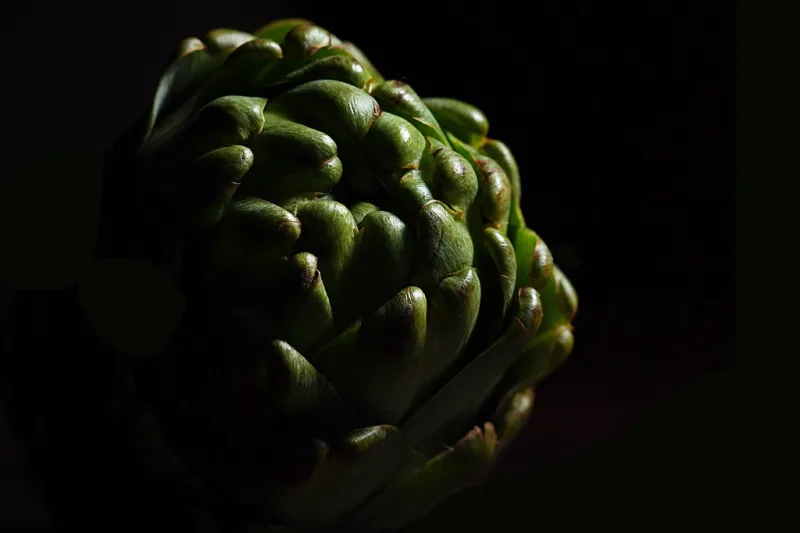
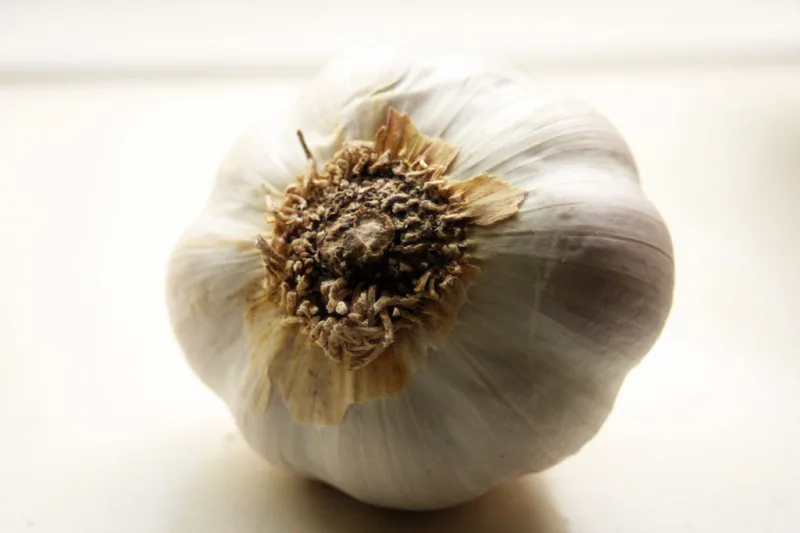
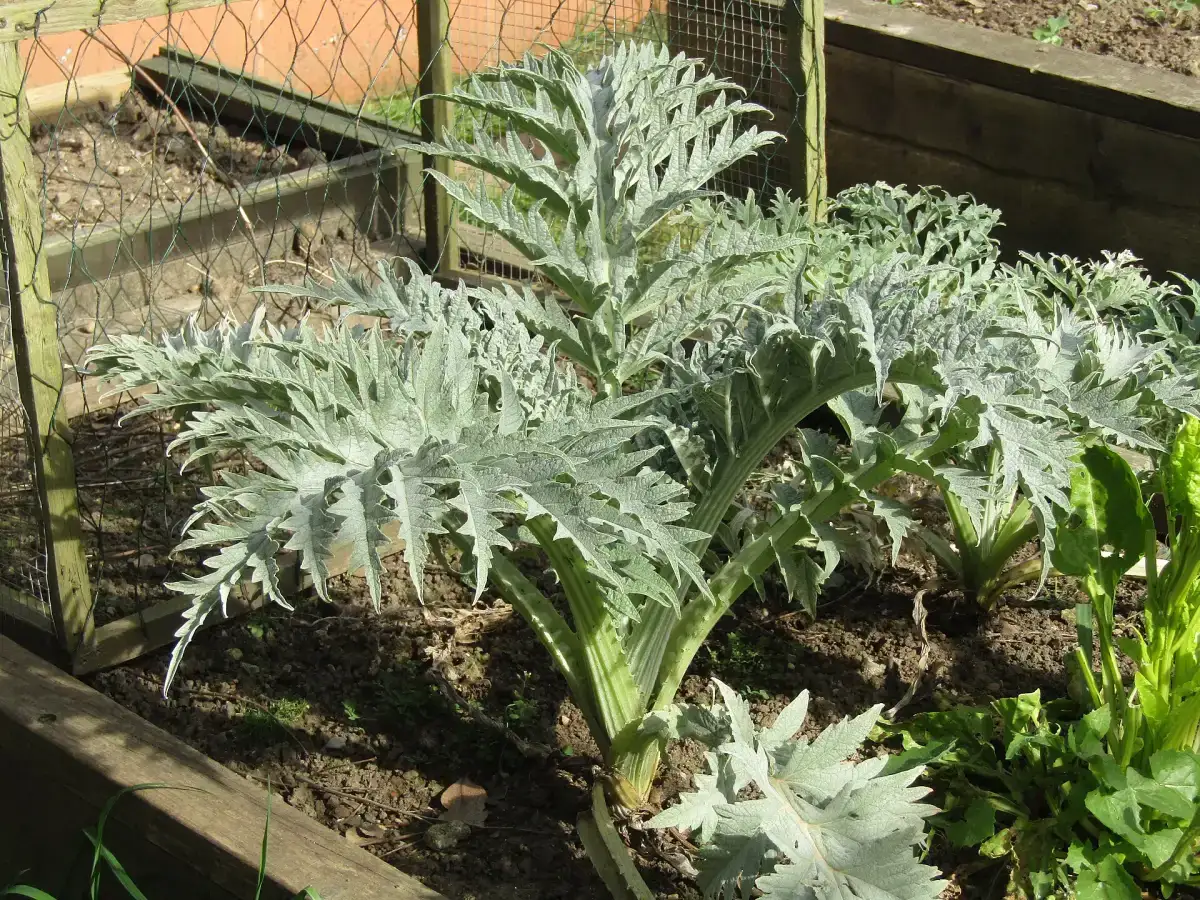
 Photo: Kolforn, CC BY-SA 4.0, via Wikimedia Commons
The tea with the best data for cholesterol is green tea: meta-analyses show a small drop in total cholesterol and LDL (“bad cholesterol”), in the order of a few per cent, with daily use over several weeks. Artichoke leaf tea also has studies suggesting a modest effect, and pu-erh is promising but poorly studied in humans. No tea comes close to the effect of a statin or a corrected diet, but it can be a useful and pleasant helper. Below is what you can realistically expect, clear recipes and the important precautions.
Key takeaways
- Green tea slightly lowers LDL and total cholesterol; the effect is small but consistent across studies.
- Artichoke (leaf) may modestly reduce cholesterol through its effect on the liver and bile; it is contraindicated with gallstones.
- Pu-erh, dandelion, oats, hibiscus: limited or indirect data.
- Tea does not replace statins in people at high cardiovascular risk.
- The biggest effects come from soluble fibre, healthy fats, exercise and weight: tea is the bonus, not the foundation.
Cholesterol in brief
Cholesterol is essential, but excess LDL is deposited in artery walls and forms atheromatous plaques. HDL helps carry cholesterol back to the liver. Triglycerides rise mainly from sugar, alcohol and excess calories. Target values depend on each person’s risk: someone with no other risk factors has different targets from someone with diabetes or after a heart attack. That is why results should be interpreted with your doctor.
For the full set of diet and lifestyle measures, read our guide to high cholesterol.
How teas can influence cholesterol
- Green tea catechins (especially EGCG) appear to reduce cholesterol absorption from the gut and influence its production in the liver.
- Cynarin and caffeoylquinic acids in artichoke stimulate bile production, through which cholesterol is excreted, and may affect liver cholesterol synthesis.
- Compounds formed during pu-erh fermentation have shown effects on lipid metabolism in animal studies.
- Soluble fibre (oats, psyllium) is not a tea as such, but it has the strongest effect among natural remedies and combines well with tea.
What studies say, tea by tea
| Tea | Effect on LDL | Quality of evidence | Main precautions |
|---|---|---|---|
| Green tea | small drop (a few per cent) | meta-analyses of clinical trials | caffeine, iron, concentrated extracts |
| Artichoke leaf | modest drop | a few clinical trials, mostly with extract | gallstones, daisy family allergy |
| Pu-erh | possible effect | small studies, mostly in animals | caffeine |
| Black tea | small or unclear effect | mixed studies | caffeine |
| Hibiscus | possible small effect | small studies, inconsistent results | interactions with blood pressure drugs |
| Dandelion (root) | unclear | traditional and animal data | gallstones, diuretic |
| Ginger, cinnamon | unclear | small studies | anticoagulants |
A meta-analysis of randomised trials on green tea found LDL reductions of roughly 0.1-0.2 mmol/L (about 4-8 mg/dL). For comparison, a moderate-dose statin lowers LDL by 30-50%. More on each tea in our articles on green tea, artichoke tea and pu-erh tea.
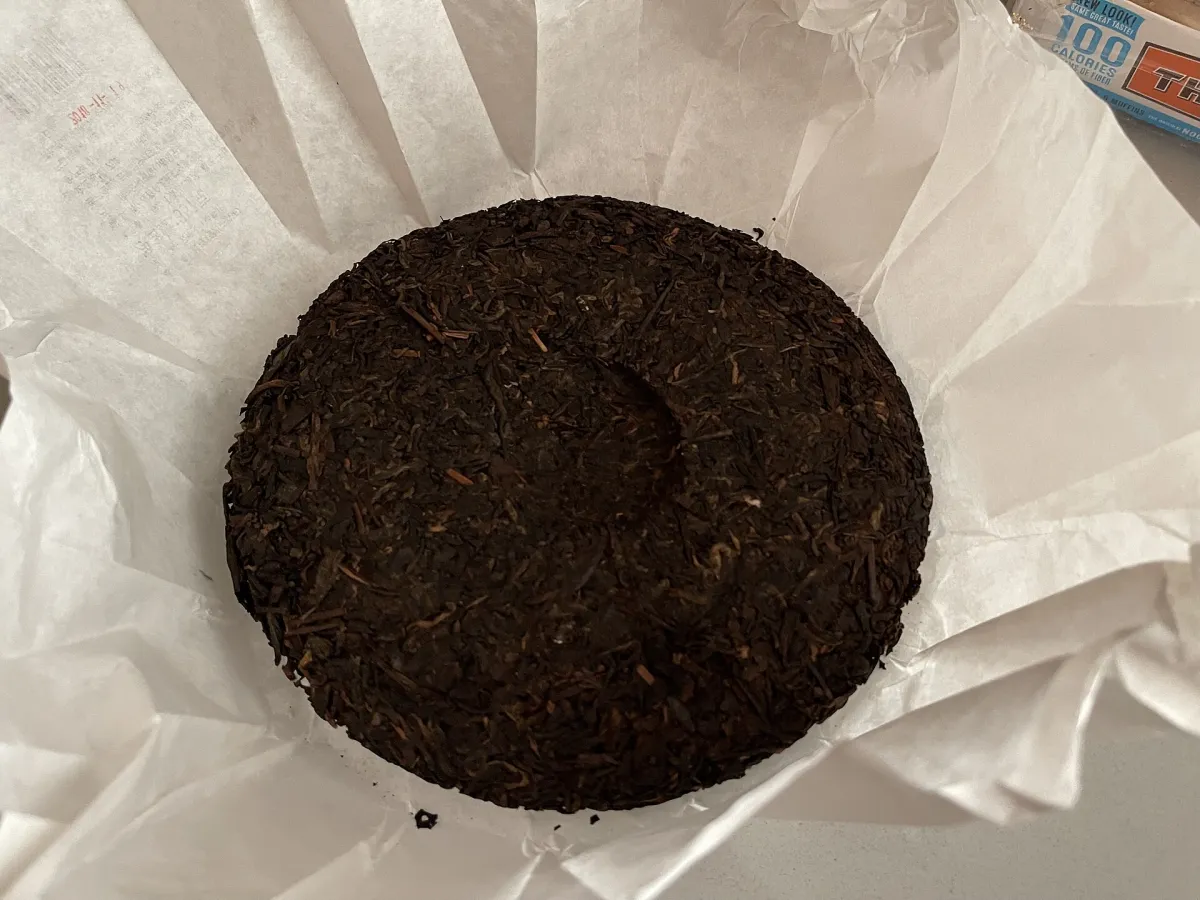 Photo: Missvain, CC BY 4.0, via Wikimedia Commons
Tea recipes for cholesterol
1. Everyday green tea
- 1 teaspoon green tea (2 g)
- 200 ml water at 75-80 °C
- steep 2-3 minutes
3 cups a day, between meals (not with food, to avoid reducing iron absorption). The leaves can be re-steeped twice.
2. Artichoke leaf tea (4-week course)
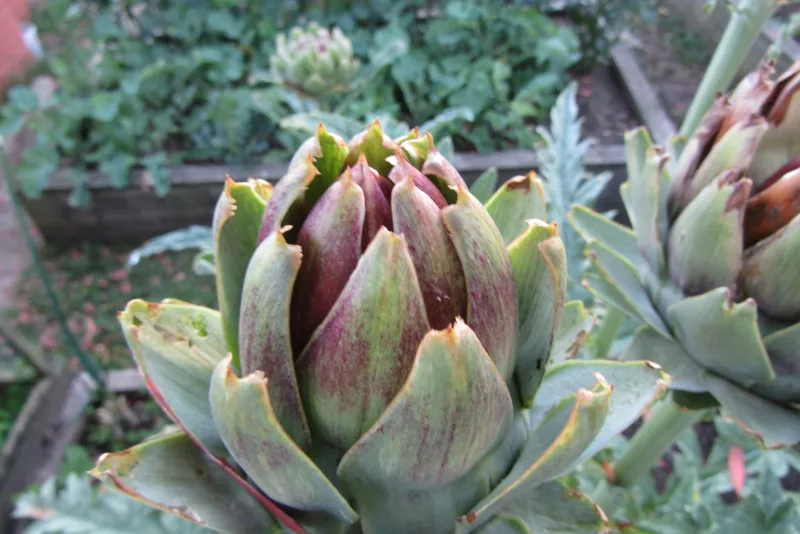
1 teaspoon dried artichoke leaves to 250 ml boiling water, 10 minutes covered. Unsweetened, 20-30 minutes before main meals. 2 cups a day for 4 weeks, then a 2-week break. It is very bitter; the bitterness is part of the effect.
3. Pu-erh after the main meal
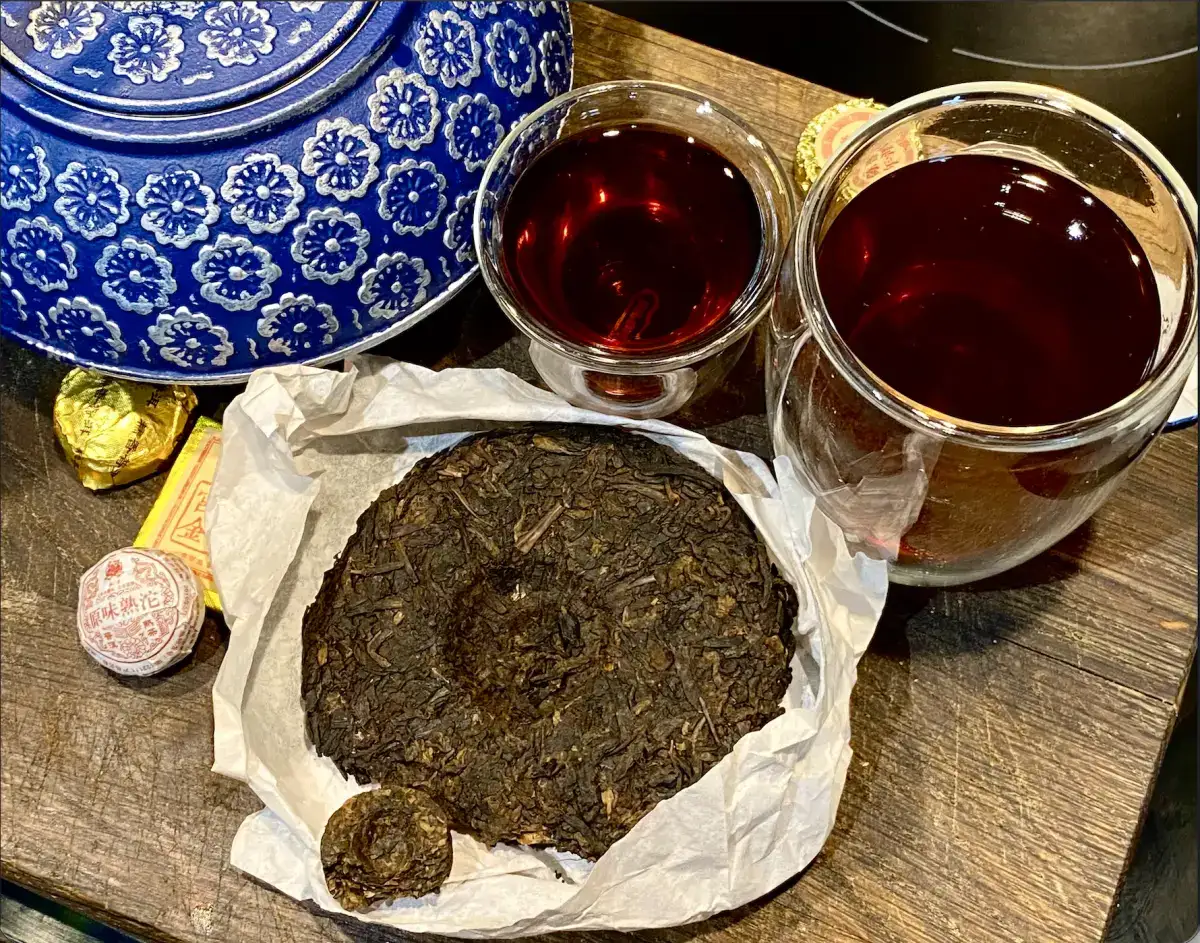
3-4 g pu-erh (a piece of the cake about the size of a large fingernail), rinsed quickly with boiling water (discard the first water), then steeped for 2-3 minutes in 200 ml water at 95 °C. 1-2 cups a day, after lunch. Not in the evening: it contains caffeine.
4. The “liver and bile” blend
Equal parts artichoke leaf, dandelion root and peppermint (for flavour). 1 tablespoon to 300 ml water; simmer the root for 5 minutes, then add the leaves and leave for 10 minutes. Only if you do not have gallstones. See also our article on dandelion tea.
5. The caffeine-free evening tea
Hibiscus or rooibos, 1-2 teaspoons to 250 ml boiling water, 6-8 minutes. They do not have much effect on cholesterol, but they replace the sweet evening snack.
What lowers cholesterol more than any tea
- Soluble fibre: 3 g of beta-glucan a day (about 70-80 g of rolled oats) lowers LDL by a few per cent; see our article on oats.
- Replacing saturated fat (lard, processed meats, cream, fried food) with olive oil, nuts, seeds and oily fish.
- Less sugar and alcohol for triglycerides.
- Regular exercise, which raises HDL.
- A healthy weight, especially less abdominal fat.
- Stopping smoking.
Tea and statins
- Green tea and artichoke can usually be taken alongside statins, but tell your doctor.
- Do not drop your statin because “you drink tea”: in high-risk people, statins demonstrably reduce heart attacks and strokes.
- Concentrated green tea extract supplements should not be combined with drugs metabolised by the liver without medical advice.
- A special case: large amounts of green tea can reduce absorption of some drugs (for example nadolol); keep a few hours apart.
- If you also take anticoagulants, discuss green tea and ginger intake with your doctor.
Contraindications
- Artichoke, dandelion: contraindicated with gallstones or bile duct obstruction; daisy family allergy.
- Green tea, pu-erh, black tea: caution with uncontrolled hypertension, arrhythmias, insomnia, anaemia and pregnancy (limit caffeine to 200 mg/day).
- Hibiscus: caution if you take blood pressure medication.
- Liver disease: avoid concentrated extracts.
When to see a doctor
- your total cholesterol is above 300 mg/dL (7.8 mmol/L) or LDL above 190 mg/dL (4.9 mmol/L) (possible familial hypercholesterolaemia);
- close relatives had a heart attack or stroke at a young age;
- you have xanthomas (yellowish lumps on tendons or eyelids) or a whitish ring around the iris before age 45;
- you have chest pain on exertion, shortness of breath or calf pain when walking;
- you have diabetes, hypertension or kidney disease: targets are stricter and treatment is individual;
- after 3 months of lifestyle changes your numbers have not improved.
Common mistakes
- Using tea as an excuse not to change your diet.
- Stopping a statin without your doctor.
- Artichoke tea with gallstones.
- Sugared green tea or shop-bought “iced tea” full of sugar.
- High-dose extract supplements on an empty stomach.
- Retesting after a week. Effects on lipids show after 6-12 weeks.
Conclusion
A tea for cholesterol can add a small but real benefit, especially daily green tea and artichoke leaf tea in courses. Their effect, however, is a few per cent, not tens of per cent. Real results come from a diet rich in fibre and healthy fats, exercise, a healthy weight and, when risk demands it, medical treatment. If your blood pressure is also high, read our guide to tea for high blood pressure, and if your blood sugar is borderline, see tea for diabetes.
Frequently asked questions
Which tea lowers cholesterol the most? Green tea has the strongest data, but the effect is small: a few per cent of LDL. Artichoke leaf tea also has a modest effect.
How long do I need to drink tea to lower cholesterol? Studies usually used 6-12 weeks of daily intake. Repeat your blood tests after at least 2-3 months.
Can I drink green tea if I take statins? Usually yes, in normal amounts. Tell your doctor and avoid concentrated extracts without their approval.
Does artichoke tea lower cholesterol? Studies suggest a modest effect, mainly with standardised extract. It is contraindicated if you have gallstones.
Is pu-erh good for cholesterol? It is promising in animal studies, but human data are scarce. It can be part of a healthy diet, not a treatment.
Which tea is good for triglycerides? Tea has little effect on triglycerides. Cutting sugar, alcohol and refined carbohydrates matters far more.
Can I stop my tablets if I drink tea? No. Any change to treatment should be made only with your doctor, based on your blood tests and cardiovascular risk.
Sources and further reading
- European Medicines Agency (EMA/HMPC): community herbal monograph on Cynarae folium (artichoke leaf).
- ESC/EAS guidelines for the management of dyslipidaemias (European Society of Cardiology/European Atherosclerosis Society).
- Cochrane Review: “Green and black tea for the primary prevention of cardiovascular disease” (Hartley et al.).
- Cochrane Review: “Artichoke leaf extract for treating hypercholesterolaemia” (Wider et al.).
- NCCIH: “Green Tea” and “Cholesterol” fact sheets.
This article is for information only and does not replace medical advice. Do not change your cholesterol treatment without your doctor’s approval.