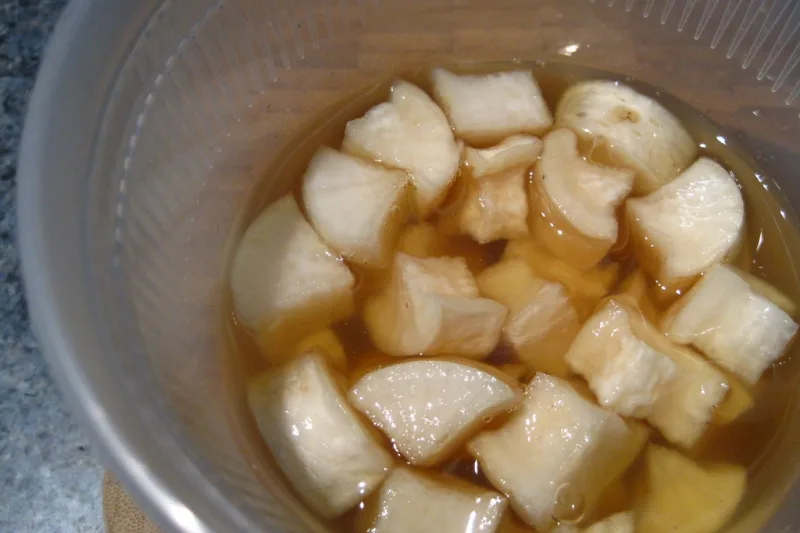
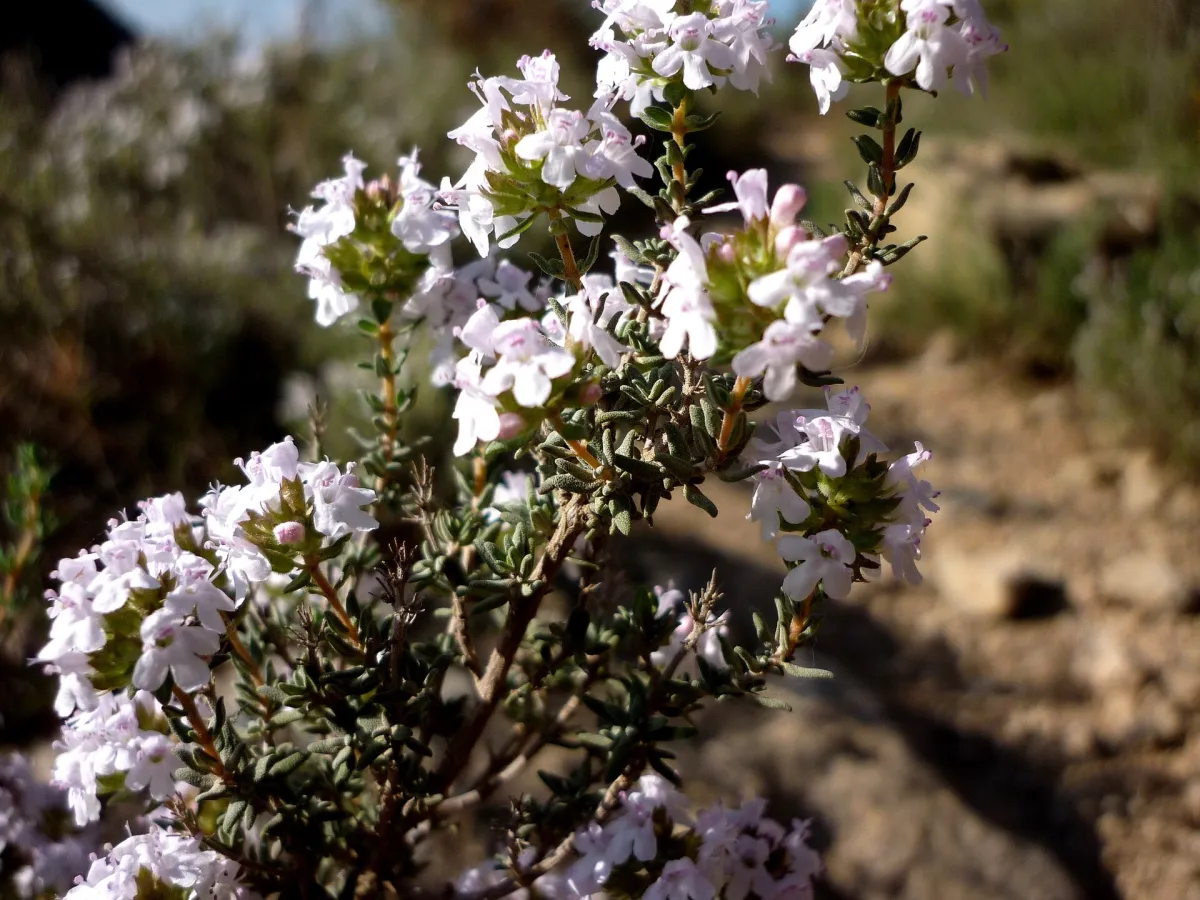
 Photo: Isidre blanc, CC BY-SA 4.0, via Wikimedia Commons
The right tea for a cough depends on the type of cough: for a dry, tickly cough, choose mucilage-rich herbs that soothe (marshmallow root, ribwort plantain, linden), and for a wet, chesty cough with phlegm, choose expectorant herbs (thyme, ivy, aniseed). Honey stirred into tea is the home remedy with the best evidence for cough during a cold, but it must never be given under age 1. Below are clear recipes for each situation, doses by age and the signs that a cough is no longer “just a cold”.
Key takeaways
- Dry cough (tickly, no phlegm): marshmallow root, plantain, linden, liquorice in short courses. They coat and calm irritated tissue.
- Wet cough (with mucus): thyme, aniseed, fennel, elderflower. They thin secretions and help clear phlegm.
- Honey (1-2 teaspoons in lukewarm tea in the evening) has the best data for cough in children over 1 year.
- A cough after a viral infection can last 2-3 weeks and is usually normal; beyond 3-8 weeks it needs investigating.
- See a doctor promptly: laboured or wheezy breathing, blood in sputum, persistent high fever, any cough in a young baby.
Dry or wet cough: the first step
Before choosing a tea, listen to your cough:
- A dry (non-productive) cough sits in the throat, tickles, comes in fits, gets worse at night or in cold air and brings up nothing. It appears at the start of a cold, after viral infections, with allergies or from reflux.
- A wet (productive) cough brings up phlegm, sounds “rattly” and usually appears a few days into a cold or with bronchitis. The aim is not to stop it but to help it clear the airways.
The classic mistake is drinking a strongly soothing tea when you have lots of phlegm (secretions stagnate) or a strong expectorant for a dry, irritating cough (it makes you cough even more). More on each type in our guides to dry cough and night-time cough.
The right herbs for each type of cough
| Herb | Cough type | Mechanism | EMA status |
|---|---|---|---|
| Marshmallow root (Althaea) | dry | mucilage, protective film | traditional use |
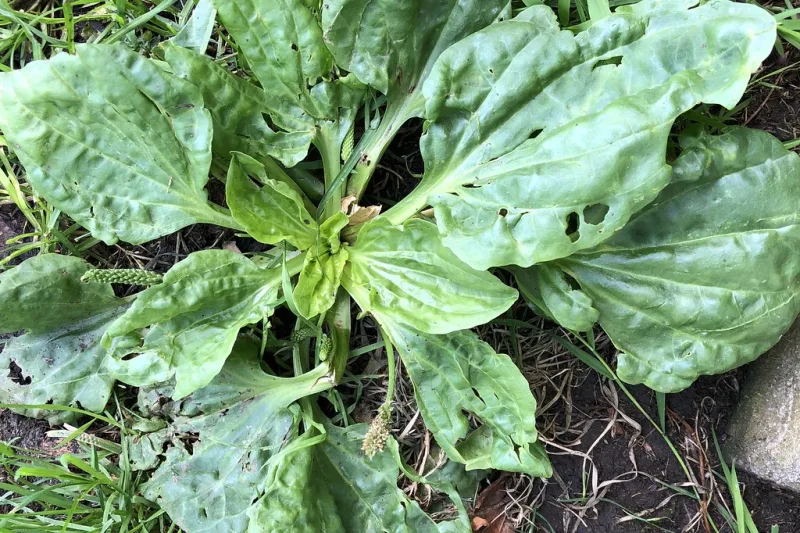
| Ribwort plantain (Plantago lanceolata) | dry | mucilage, mildly anti-inflammatory | traditional use |
| Linden flower | dry, night-time | mucilage, mildly calming | traditional use |
| Liquorice root | dry, irritated | demulcent, mild expectorant | traditional use, short courses |
| Thyme | wet, bronchitis | expectorant, antispasmodic | traditional use |
| Ivy leaf (extract) | wet | expectorant | well-established use (extract) |
| Aniseed, fennel | wet | mild expectorant | traditional use |
| Elderflower | cold with congestion | diaphoretic, mildly decongestant | traditional use |
Mucilages are polysaccharides that form a fine gel in water. It coats the throat lining and reduces the irritation that triggers the cough reflex. That is why mucilaginous herbs are best prepared cold (as a maceration): high heat partly breaks them down.
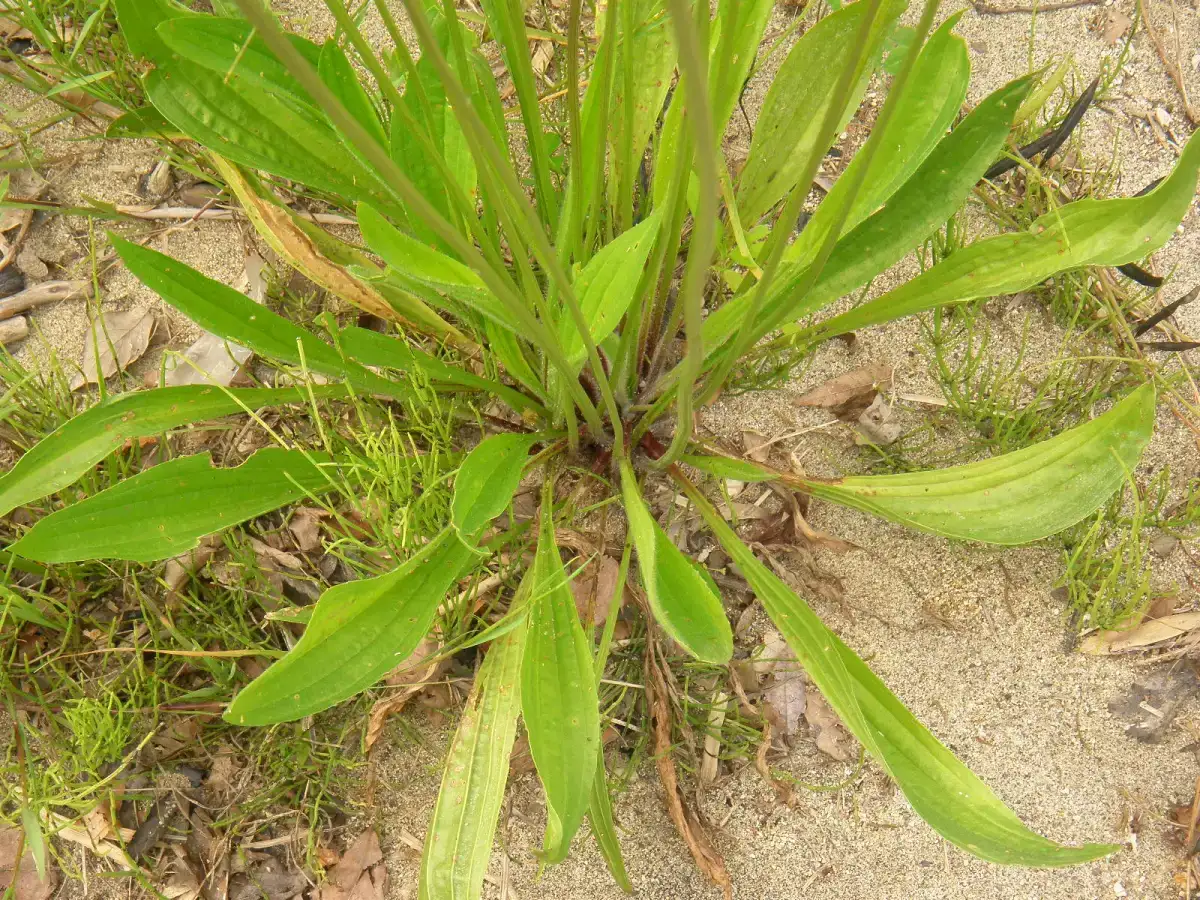 Photo: Kinori, Public domain, via Wikimedia Commons
Tea recipes for a dry cough
Cold marshmallow root infusion (the gentlest)
- 1 teaspoon chopped marshmallow root (about 2 g)
- 200 ml cold water
Leave to soak for 30 minutes to 2 hours, stirring now and then. Strain, warm gently until lukewarm (do not boil) and sip slowly. 2-3 cups a day.
Plantain and linden tea (for the evening)
1 teaspoon dried plantain leaf and 1 teaspoon linden flowers to 250 ml boiling water, 10 minutes covered. Add a teaspoon of honey once lukewarm. Good before bed for a night-time cough.
Liquorice with plantain (maximum 1-week course)
Half a teaspoon of liquorice root and a teaspoon of plantain, simmered gently for 5 minutes in 300 ml water, then 10 minutes covered. Maximum 2 cups a day, for no more than 7 days. Not for people with high blood pressure, heart or kidney disease, or in pregnancy. More in our article on liquorice root.
Tea recipes for a wet, chesty cough
Thyme tea with honey
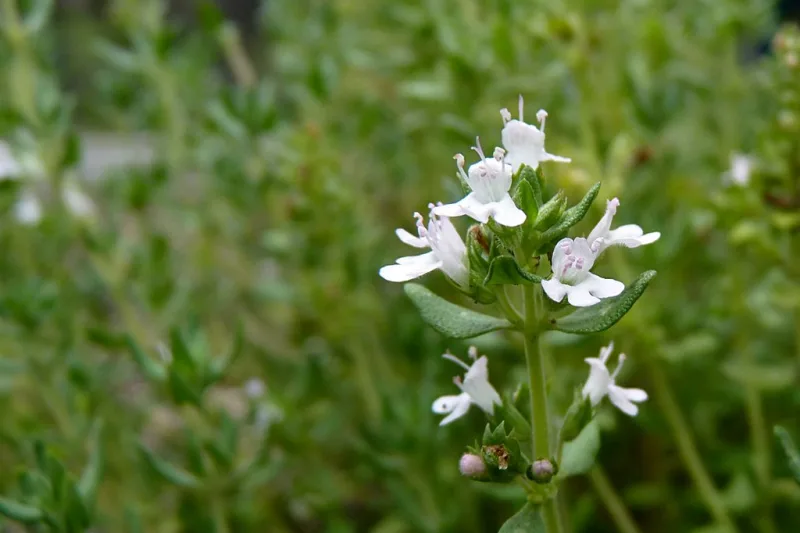
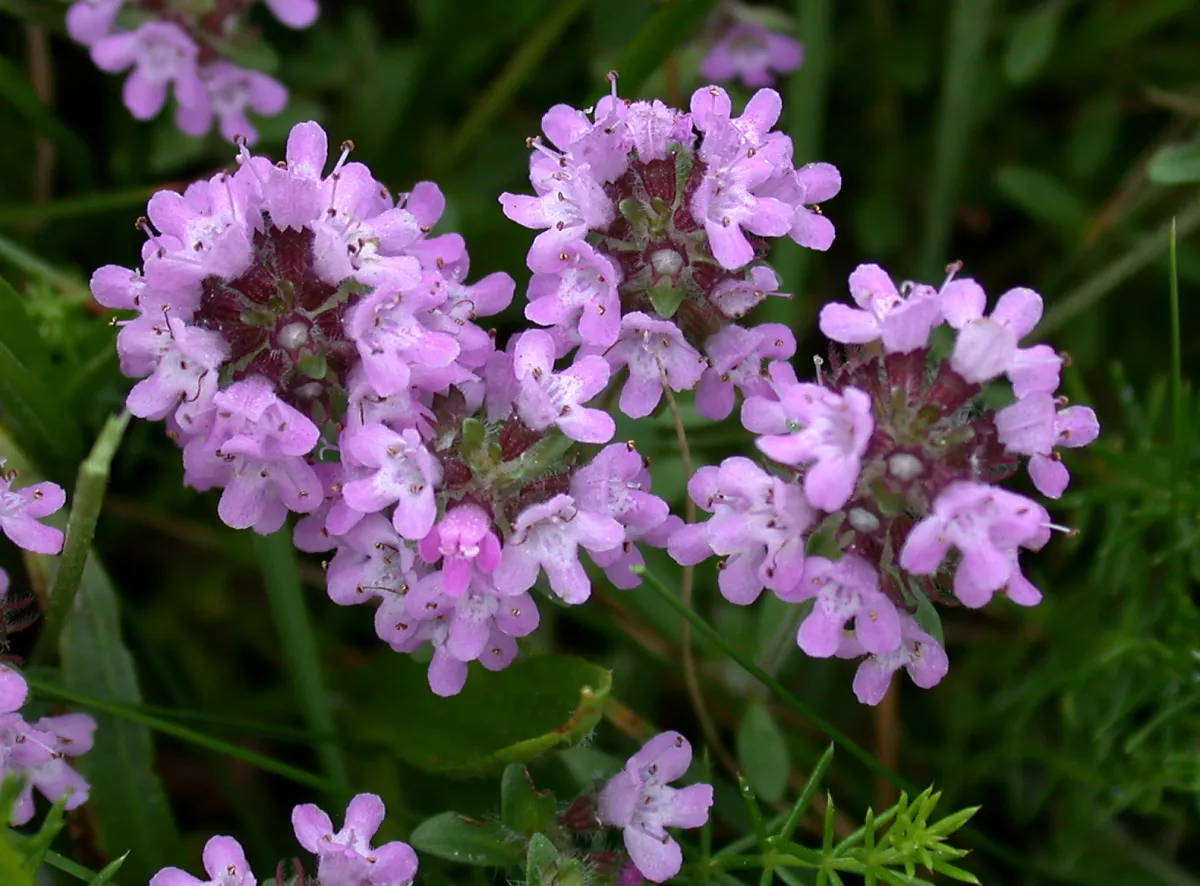
1 teaspoon dried thyme (about 1.5 g) to 250 ml boiling water, 10 minutes covered. Once slightly cooled, add a teaspoon of honey. 3 cups a day. The full guide to thyme tea explains the active compounds in more detail.
Home-made expectorant blend
Mix 2 parts thyme, 1 part crushed aniseed, 1 part elderflower. 1 tablespoon of the blend to 300 ml boiling water, 10 minutes. Crush the seeds just before brewing, otherwise the volatile oil stays locked in the seed.
Fennel with thyme (the gentler version)
Half a teaspoon of crushed fennel seeds and half a teaspoon of thyme, 250 ml boiling water, 10 minutes. The sweetish taste goes down better with older children.
Tea for cough in children
Children cough often, and most post-cold coughs clear on their own. Tea helps with hydration and comfort, with a few strict rules:
| Age | What you can give | Amount per day | Avoid |
|---|---|---|---|
| Under 1 year | only on the paediatrician’s advice | - | honey, peppermint, large amounts of aniseed |
| 1-3 years | linden, chamomile, plantain, a little thyme | 100-200 ml total | peppermint, eucalyptus, liquorice |
| 4-11 years | linden, thyme, plantain, marshmallow, fennel | 2 small cups (150 ml) | liquorice, essential oils by mouth |
| 12+ years | as for adults, reduced amounts | 2-3 cups | long courses of liquorice |
- Honey (half to one teaspoon in the evening) has good evidence for reducing night-time cough in children over 1 year, according to the Cochrane review.
- Serve tea lukewarm, not hot.
- Do not give young children essential oils by mouth or menthol rubs under 2-3 years.
- For long-term support of children’s immunity, see our children’s immunity guide.
Dosage and duration
- Adults: 2-4 cups a day for 5-10 days.
- Dry cough: sip mucilaginous teas little and often to keep the throat coated.
- Wet cough: drink the tea warm and make sure you also drink water; without enough fluid, phlegm stays thick.
- If the cough shows no improvement at all after 2 weeks, stop experimenting and see a doctor.
Contraindications and interactions
- Marshmallow, plantain, linden: mucilages can slow the absorption of other medicines; take the tea 1 hour apart from tablets.
- Liquorice: raises blood pressure, causes fluid retention and lowers potassium; interacts with diuretics, digoxin and corticosteroids. Avoid in pregnancy.
- Thyme: caution if allergic to the mint family (Lamiaceae); large amounts may irritate the stomach.
- Aniseed, fennel: allergy to the carrot family (celery, carrot); avoid large amounts in pregnancy.
- Syrups with codeine or dextromethorphan should not be combined with strongly sedating teas without medical advice.
- Cough suppressants should not be used for a cough with lots of phlegm unless your doctor advises it.
When to see a doctor
- fast, laboured or wheezy breathing, or visible in-drawing between the ribs in a child;
- blood in sputum or rust-coloured phlegm;
- fever above 38.5 °C for more than 3 days, or fever that returns after settling;
- chest pain when coughing or breathing;
- a cough lasting more than 3 weeks in an adult, especially in smokers;
- coughing fits ending in a “whoop” or vomiting (possible whooping cough);
- any cough in a baby under 3 months;
- weight loss, night sweats, unexplained tiredness.
Common mistakes
- The same tea for every cough. A soothing tea is wrong for lots of phlegm, and an expectorant is wrong for a dry, irritating cough.
- Boiling marshmallow root. Mucilages break down. Use a cold soak or a short infusion.
- Drinking liquorice for weeks, especially with high blood pressure.
- Too little fluid. Without water, no herb can thin secretions.
- Smoking “just a little” while coughing. It keeps the airways irritated and prolongs the illness.
- Ignoring reflux. A chronic dry cough that is worse after meals or lying down may come from the stomach; treating reflux helps here, not an expectorant tea.
Conclusion
A tea for cough works well when chosen by cough type: mucilaginous herbs (marshmallow, plantain, linden) for a dry cough, expectorant herbs (thyme, aniseed, fennel) for a chesty cough, plus a teaspoon of honey in the evening for older children and adults. Tea hydrates, soothes the throat and makes nights easier, but it does not treat pneumonia, whooping cough or a chronic cough. Watch for the red flags, and if the cough comes with fever and chills, read our guide to tea for colds and flu. For something more concentrated, try home-made cough syrups.
Frequently asked questions
What is the best tea for a dry cough? A cold marshmallow root infusion and plantain tea with linden, thanks to the mucilages that coat and calm the irritated lining. A teaspoon of honey in the evening helps further.
Which tea is good for a cough with phlegm? Thyme tea, alone or with aniseed and elderflower. These herbs are expectorant and help bring up secretions.
Can I give thyme tea to a child? For children over 1-2 years, a weak thyme tea (half a teaspoon per cup), in small amounts, is used traditionally. For babies, only on medical advice.
How long does a cough last after a cold? A post-viral cough can last 2-3 weeks and gradually improves. If it lasts more than 3 weeks in an adult or gets worse, see a doctor.
Is linden tea good for a cough? Yes, especially for a dry, irritating cough and night-time cough, thanks to its mucilages and mildly calming effect.
Can I drink tea for cough while pregnant? Linden and plantain in moderate amounts are usually considered safe, but liquorice should be avoided. Talk to your doctor, especially if you have a fever or the cough persists.
Why does a cough get worse at night? Lying down lets secretions drip into the throat, and bedroom air is often dry. A mucilaginous tea with honey in the evening, a slightly raised pillow and a humidifier help.
Sources and further reading
- European Medicines Agency (EMA/HMPC): community herbal monographs on Althaeae radix, Plantaginis lanceolatae folium, Thymi herba, Hederae helicis folium and Liquiritiae radix.
- Cochrane Review: “Honey for acute cough in children” (Abuelgasim et al.).
- NICE (UK): “Cough (acute): antimicrobial prescribing” guideline, including self-care advice and honey.
- NCCIH: fact sheets on thyme, licorice root and the common cold.
This article is for information only and does not replace medical advice. For a persistent cough, fever or breathing difficulty, see a doctor.