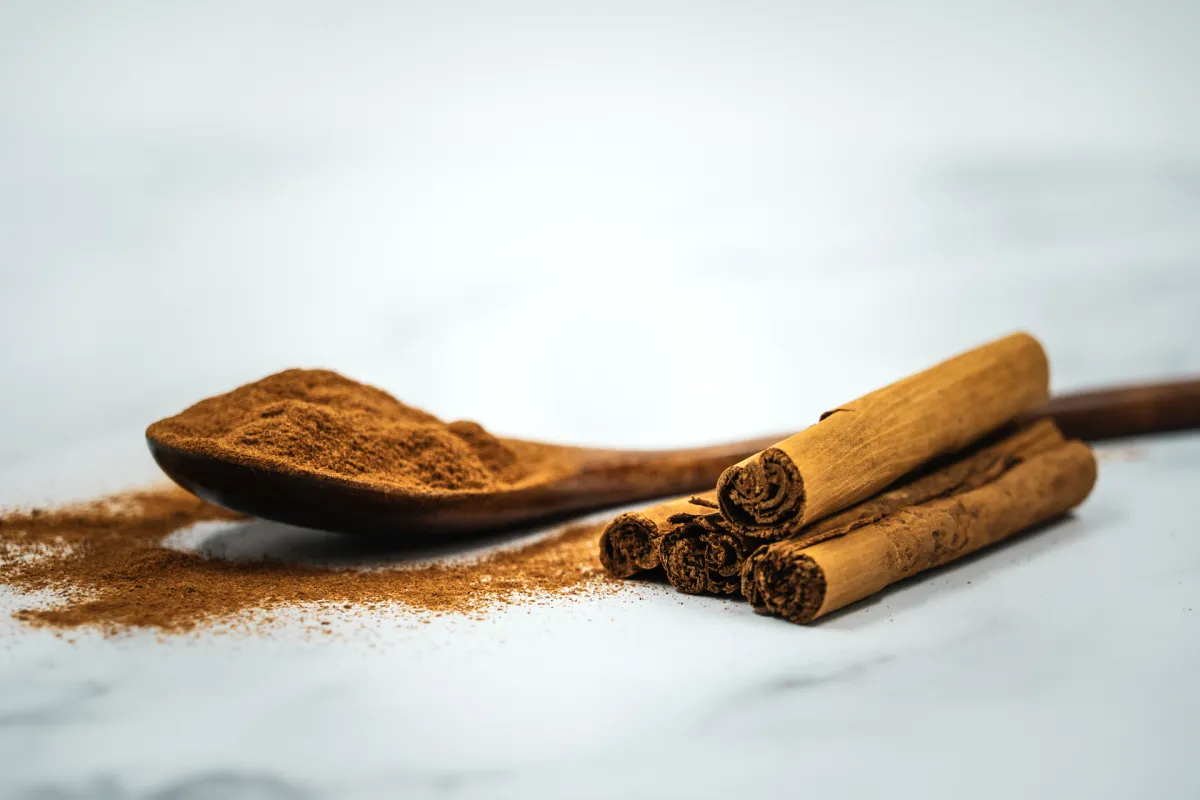
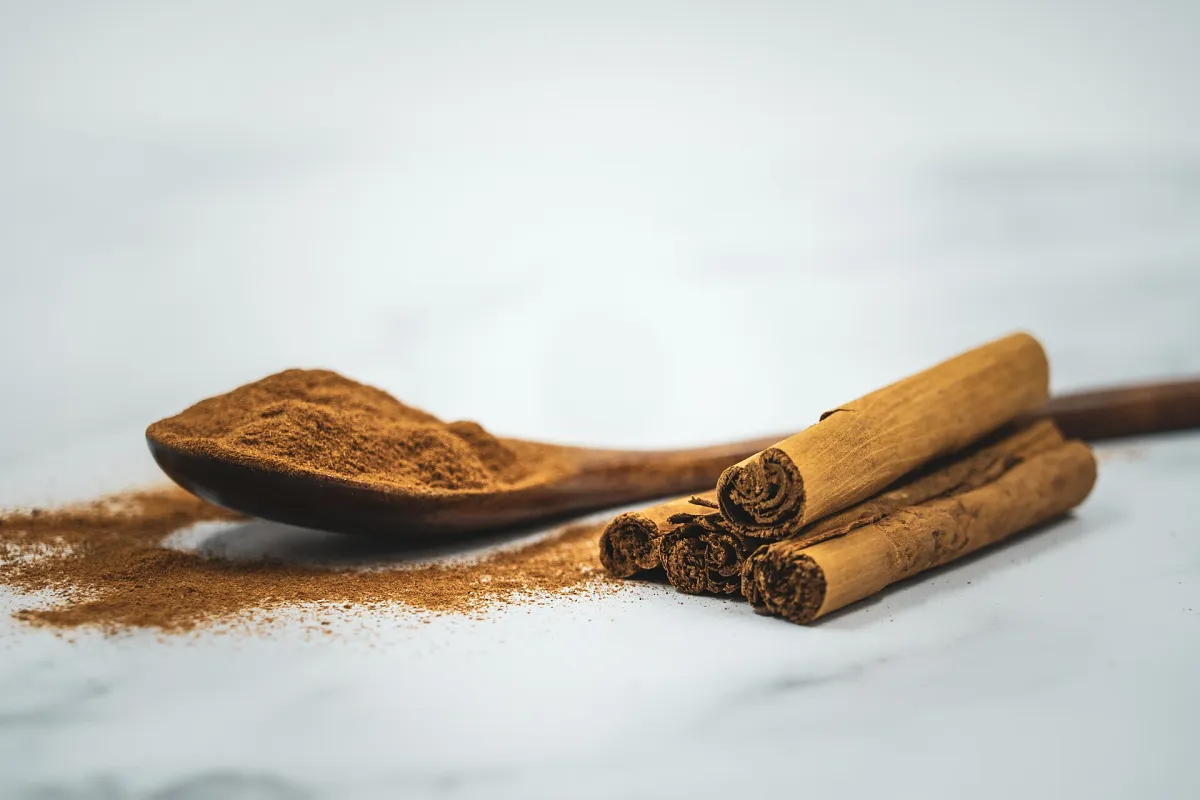
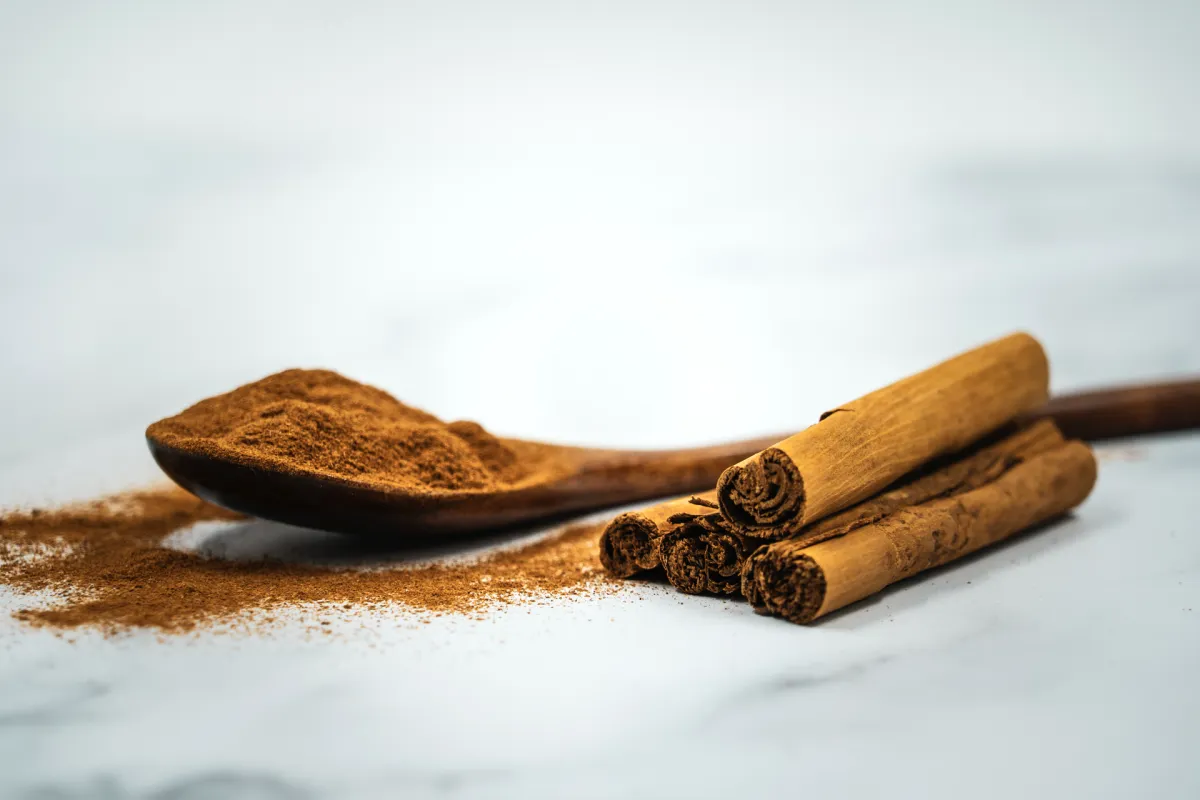
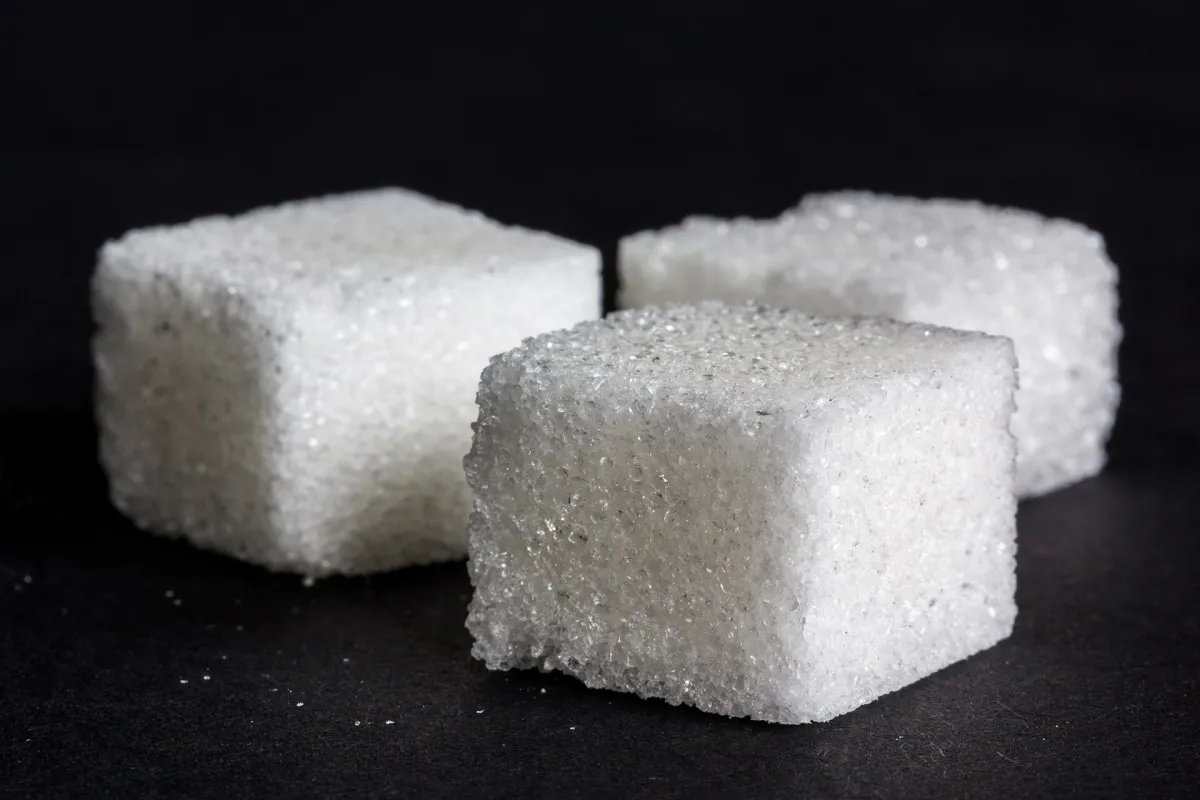
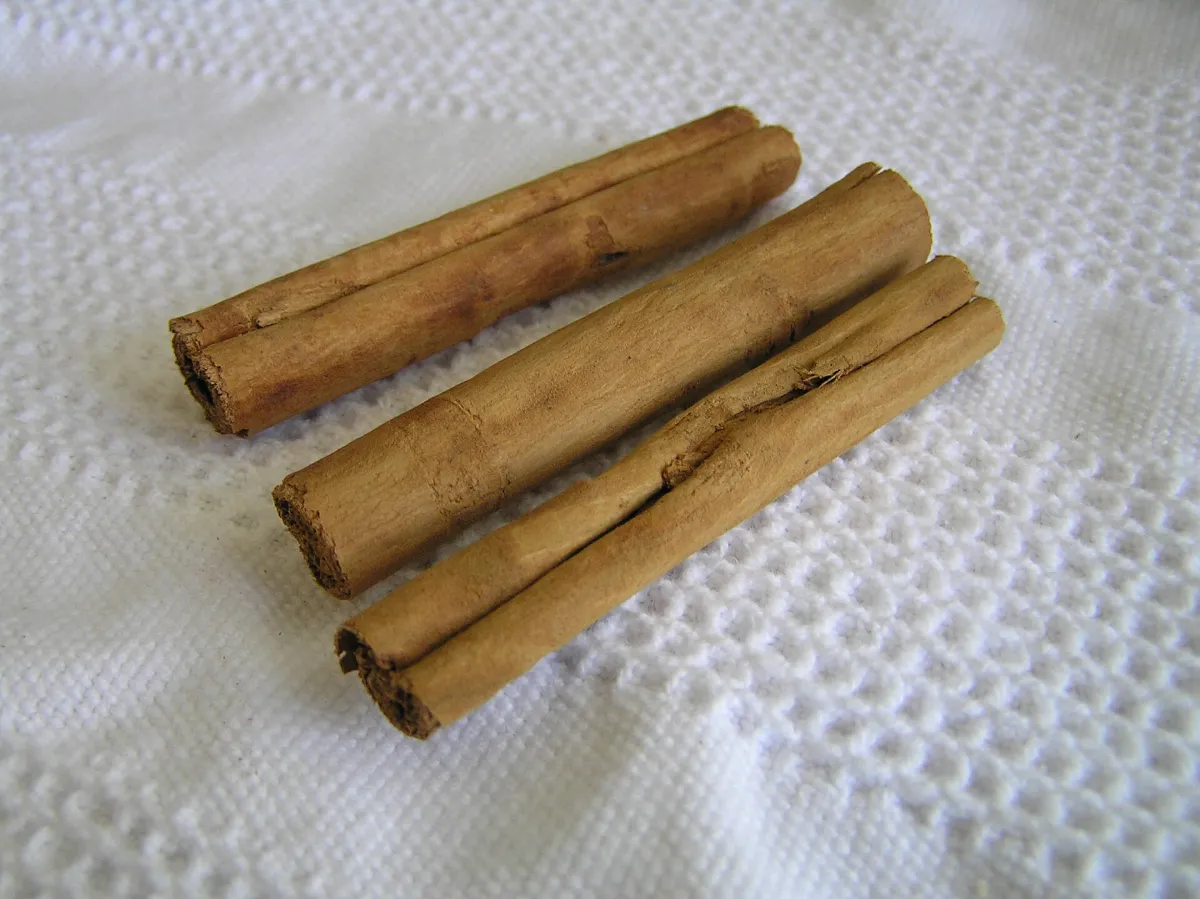
 Photo: Ryan Snyder, CC BY 2.0, via Wikimedia Commons
No tea treats diabetes, but a few teas may give modest support to blood sugar control in type 2 diabetes: bilberry leaves and bean pods are traditional Romanian remedies, while cinnamon and green tea have the most modern research, with small and inconsistent effects. The biggest benefit of tea for someone with diabetes is simple: it replaces sweet drinks without adding sugar. If you take blood sugar-lowering medication, any “antidiabetic” tea adds to its effect, so monitoring is essential.
Key takeaways
- Unsweetened tea (any kind) is an excellent drink for people with diabetes; juices and sweetened shop teas should be avoided.
- Bilberry leaves and bean pods are used traditionally; human evidence is limited.
- Cinnamon may slightly lower fasting glucose in some studies; cassia cinnamon contains coumarin, which in excess harms the liver.
- Green tea has small effects on blood sugar and insulin.
- Tea does not replace metformin, insulin or diet. Type 1 diabetes cannot be treated with herbs.
Type 2 diabetes and where tea fits
In type 2 diabetes, the body does not respond well to insulin (insulin resistance) and the pancreas can no longer compensate. Over time, raised blood sugar damages small vessels (eyes, kidneys, nerves) and large ones (heart, brain). Control rests on diet, exercise, weight loss and medication.
Teas can act in a few ways: some slightly slow sugar absorption from the gut, others may slightly improve insulin sensitivity, and all of them, if unsweetened, hydrate without calories. For the full picture, read our guide to type 2 diabetes.
What studies say about each tea
| Tea | Proposed mechanism | Human evidence | Precautions |
|---|---|---|---|
| Cinnamon | insulin sensitivity, slower glucose absorption | mixed studies; possible small drop in fasting glucose | coumarin in cassia, liver |
| Green tea | catechins, metabolic effect | small effect on glucose and HbA1c | caffeine |
| Bilberry leaf | anthocyanins, chlorogenic acid | traditional use, weak clinical data | avoid long uninterrupted courses |
| Bean pods | compounds affecting glucose absorption | traditional use, small studies | interaction with diabetes drugs |
| Hibiscus | anthocyanins | limited data | interactions with blood pressure drugs |
| Ginger | gingerols | small studies, inconsistent results | anticoagulants |
| Chamomile | antioxidants | small studies | daisy family allergy |
| Fenugreek (seeds) | soluble fibre | some positive studies | diarrhoea, interactions |
Analyses pooling cinnamon studies have given conflicting results: some show a modest drop in fasting glucose, others no meaningful change in glycated haemoglobin (HbA1c), the marker that matters in the long run. More in our articles on cinnamon tea and bilberry tea.
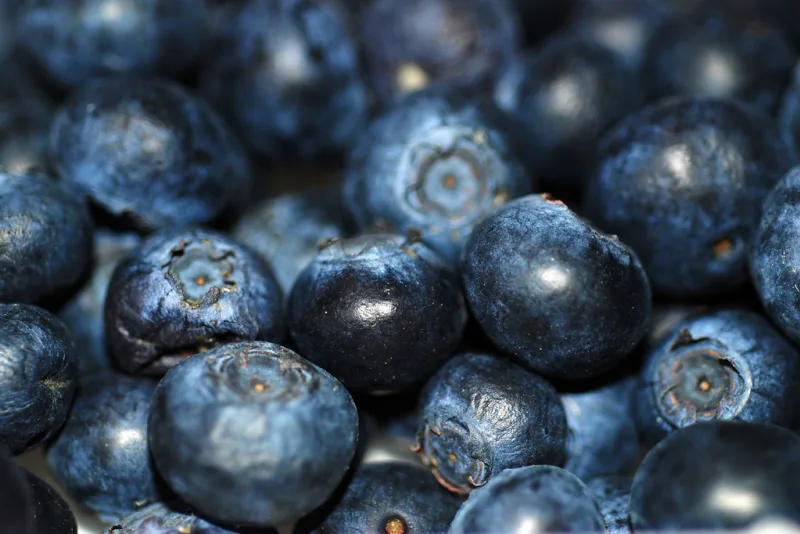
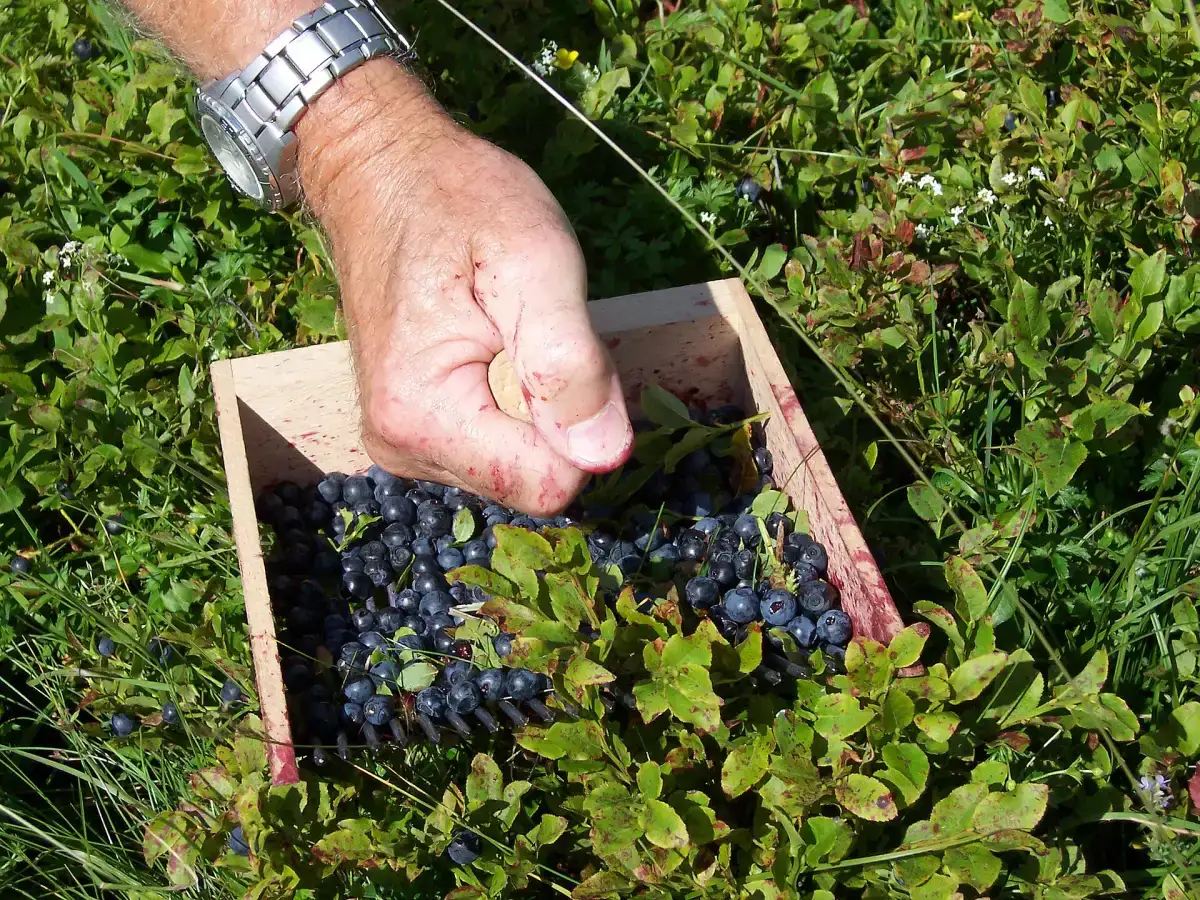 Photo: B.navez, CC BY-SA 3.0, via Wikimedia Commons
Tea recipes for blood sugar
1. Bilberry leaf tea
- 1 teaspoon dried bilberry leaves (about 1.5-2 g)
- 250 ml boiling water
Steep for 10-15 minutes covered. 2 cups a day before meals, in 3-4 week courses followed by a break. Buy leaves from trusted suppliers; wrongly gathered leaves can be confused with other species.
2. Bean pod decoction
2 teaspoons dried, chopped bean pods (without beans) to 300 ml cold water. Simmer for 10 minutes, then leave covered for 15 minutes. 2 cups a day in 3-week courses. Use only dried pods; raw green pods contain irritating lectins.
3. Ceylon cinnamon tea
1 small stick of Ceylon cinnamon (about 2 g), broken into pieces and simmered for 10 minutes in 300 ml water. 1-2 cups a day. Choose Ceylon cinnamon (Cinnamomum verum), not cassia, if you drink it daily: cassia has far more coumarin.
4. Green tea between meals
1 teaspoon to 200 ml water at 75-80 °C, 2-3 minutes. 2-3 cups a day, morning and afternoon.
5. The traditional Romanian “sugar” blend
Equal parts bilberry leaf, bean pods and mulberry or nettle leaf. 1 tablespoon to 300 ml water; simmer the pods for 10 minutes, then add the leaves and leave for 10 minutes. 2 cups a day for 3 weeks. Check your blood sugar more often during this time.
The risk of hypoglycaemia: the most important rule
If you take insulin or sulfonylureas (glimepiride, gliclazide), any herb that lowers blood sugar can lead to hypoglycaemia: shaking, cold sweats, palpitations, sudden hunger, confusion. Rules:
- Tell your diabetes doctor you want to drink a “blood sugar” tea.
- Introduce one tea at a time, not several together.
- Check your blood sugar more often in the first 2 weeks.
- Keep fast-acting sugar to hand (glucose tablets, juice) in case of a hypo.
- Do not reduce your medication yourself.
Metformin alone rarely causes hypos, but monitoring is still useful. For low blood sugar episodes, see our guide to reactive hypoglycaemia.
Teas and drinks to avoid
- Teas with sugar, honey or syrup, including bottled iced teas (which can contain 20-30 g of sugar per half litre).
- Granulated “instant” teas, which are essentially flavoured sugar.
- Large daily amounts of cassia cinnamon, especially with liver disease.
- Liquorice: raises blood pressure, an extra risk for people with diabetes.
- “Diabetes cure” supplements sold online, sometimes contaminated with undeclared drugs.
More important than tea
- Diet: fewer refined carbohydrates, more vegetables, pulses and whole grains, controlled portions.
- Exercise: a 10-15 minute walk after each meal visibly lowers post-meal blood sugar.
- Weight loss: losing 5-10% of body weight significantly improves glucose control.
- Sleep and stress reduction.
- Prescribed treatment, taken correctly.
Contraindications
- Pregnancy and breastfeeding: avoid blood sugar herbal courses without medical approval; gestational diabetes is managed strictly medically.
- Children with diabetes: no “antidiabetic” teas without a doctor.
- Liver disease: avoid large amounts of cassia cinnamon.
- Kidney disease: take care with diuretic and potassium-rich teas.
- Anticoagulants: take care with ginger, cinnamon and large amounts of green tea.
When to see a doctor
- repeated readings above 250 mg/dL (13.9 mmol/L) or a rising HbA1c;
- great thirst, frequent urination, unexplained weight loss, blurred vision;
- nausea, vomiting, rapid breathing, a smell of acetone on the breath (emergency);
- repeated hypos after starting a tea;
- foot wounds that will not heal, numbness or tingling (see also diabetic neuropathy);
- if you suspect diabetes and have never been tested.
Common mistakes
- Stopping medication because “bilberry tea brought my sugar down”.
- Sweetening tea with honey because “honey is natural”.
- Multi-herb blends drunk without monitoring.
- Large amounts of cassia cinnamon daily for months.
- Ignoring HbA1c: a good morning reading does not tell the whole story.
- Teas with laxative effects in “diabetes and slimming” products.
Conclusion
A tea for diabetes is, at best, a small helper: bilberry leaf, bean pods, Ceylon cinnamon and green tea may gently support blood sugar, but their effects are modest and variable. The surest gain is replacing sweet drinks with unsweetened tea. If you take blood sugar-lowering medication, introduce teas with your doctor’s approval and careful monitoring. Because diabetes often comes with high blood pressure and cholesterol, read also our guides to tea for cholesterol and tea for high blood pressure.
Frequently asked questions
Which tea lowers blood sugar? Cinnamon tea, green tea, bilberry leaf and bean pods have small, sometimes inconsistent effects. No tea lowers blood sugar enough to replace treatment.
Can I drink tea if I have diabetes? Yes, unsweetened tea is a very good choice. Avoid sugar, honey and sweetened shop-bought teas.
Is cinnamon tea good for diabetics? It may help slightly in some people. Choose Ceylon cinnamon and do not exceed 1-2 cups a day, especially if you have liver problems.
Can I sweeten tea with honey if I have diabetes? Honey raises blood sugar almost as much as sugar. If you want sweetness, use calorie-free sweeteners in moderation, or gradually get used to unsweetened tea.
Can bilberry leaf tea replace metformin? No. It is a traditional remedy with limited evidence and can only be used as an add-on, with your doctor’s approval.
Does green tea help insulin resistance? Studies show small effects on insulin sensitivity. Exercise and weight loss have a much larger effect.
What tea can I drink in the evening if I have diabetes? Caffeine-free, unsweetened teas: chamomile, lemon balm, rooibos, peppermint.
Sources and further reading
- World Health Organization: “Diabetes” fact sheet.
- American Diabetes Association: “Standards of Care in Diabetes” (updated annually).
- NCCIH: “Diabetes and Dietary Supplements” and the “Cinnamon” fact sheet.
- European Medicines Agency (EMA/HMPC): assessment document on Myrtilli folium (bilberry leaf), which concluded the data were insufficient for a monograph.
- EFSA: scientific opinion on coumarin in food (tolerable daily intake).
This article is for information only and does not replace advice from your diabetes doctor. Do not change your diabetes treatment without medical approval.