 Photo: cyclonebill, CC BY-SA 2.0, via Wikimedia Commons
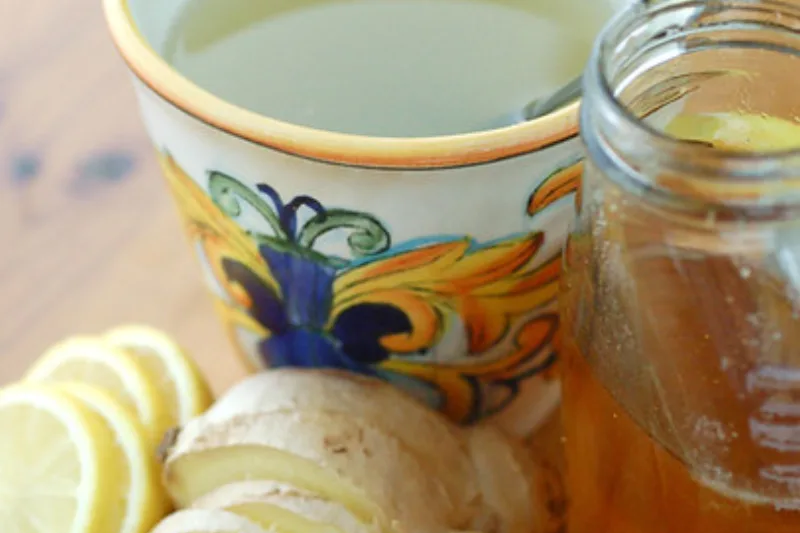
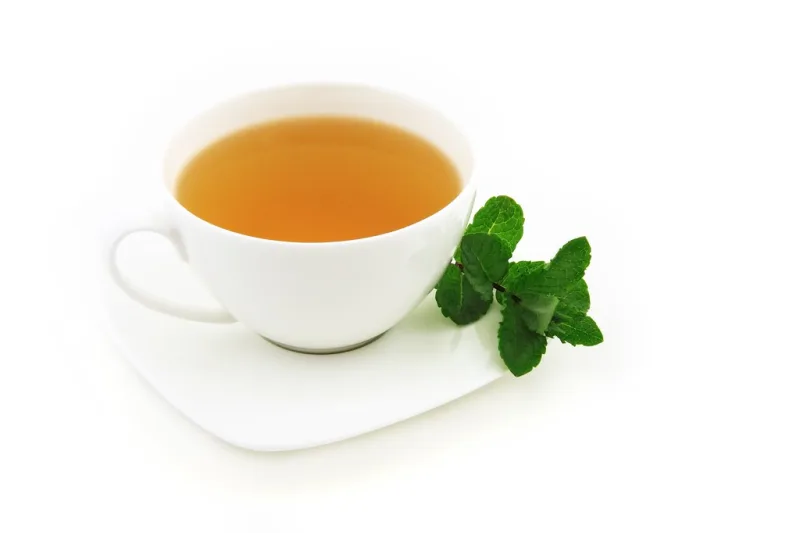
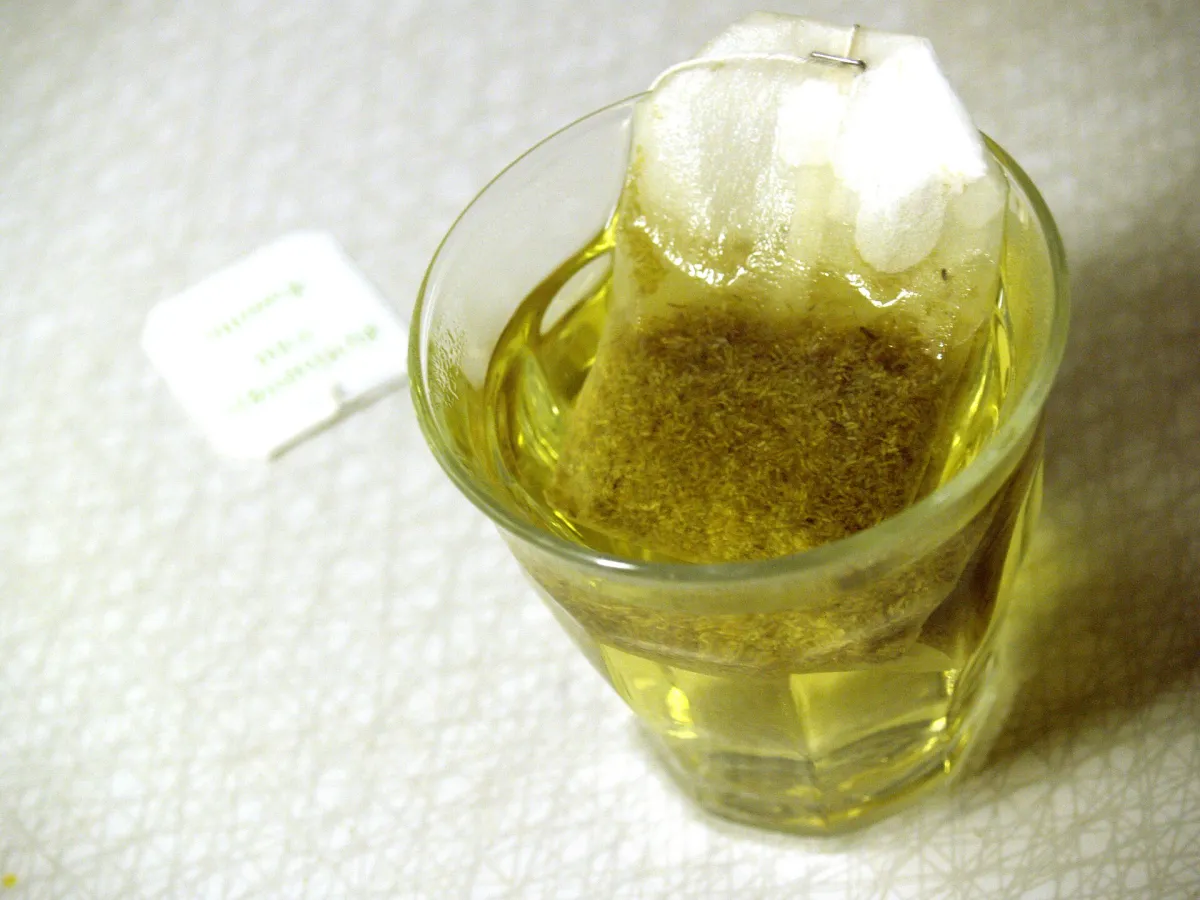
The most suitable teas for gastritis are chamomile, marshmallow root, calendula and ribwort plantain: they calm the inflamed lining, ease spasms and do not increase acidity. Drink them lukewarm, unsweetened or with very little honey, usually 20-30 minutes before meals. Tea helps with comfort, but it does not cure gastritis caused by Helicobacter pylori and does not replace investigations when pain persists. Below you will find which herbs to choose, how to prepare them properly and which popular teas can actually make your stomach worse.
Key takeaways
- Chamomile is the foundation: anti-inflammatory, antispasmodic and well tolerated.
- Marshmallow root and plantain form a protective coating on the lining, useful for burning and a “raw” feeling in the stomach.
- Calendula is traditionally used to support healing of mucous membranes, usually blended with chamomile.
- Avoid: strong black and green tea, peppermint (with reflux), very bitter teas and teas with lots of lemon.
- Pain that wakes you at night, black stools or vomiting blood are emergencies, not a job for tea.
What gastritis is and why the cause matters
Gastritis means inflammation of the stomach lining. It shows up as burning or pain in the upper abdomen, nausea, feeling full quickly, bloating and sometimes a sour taste. The most common causes are:
- Helicobacter pylori infection (treated with antibiotics, not tea);
- anti-inflammatory painkillers such as ibuprofen, diclofenac, aspirin;
- alcohol, smoking, irregular meals;
- prolonged stress, which amplifies symptoms;
- less often, autoimmune or bile gastritis.
Tea can calm symptoms whatever the cause, but if the cause is not treated, gastritis comes back. Diagnosis and diet are covered in our full guide to gastritis.
How teas help an inflamed stomach
- Mechanical protection: mucilages in marshmallow, plantain and flaxseed form a gel that coats the lining and shields it from acid. The effect is local and short-lived, but very useful for burning.
- Anti-inflammatory effect: flavonoids in chamomile (apigenin) and triterpenes in calendula reduce inflammation in laboratory studies.
- Antispasmodic effect: chamomile and lemon balm relax smooth muscle, easing cramps and the “knot” in the stomach.
- Calming the stress-stomach axis: many cases of gastritis flare during stressful periods; mildly calming herbs help indirectly.
The European Medicines Agency recognises the traditional use of chamomile flower for mild gastrointestinal discomfort and marshmallow root for irritation of the gastric lining. Rigorous clinical trials in gastritis are scarce, however; teas are a support, not a first-line treatment.
The best teas for gastritis
| Tea | For which symptom | Preparation | Cups per day |
|---|---|---|---|
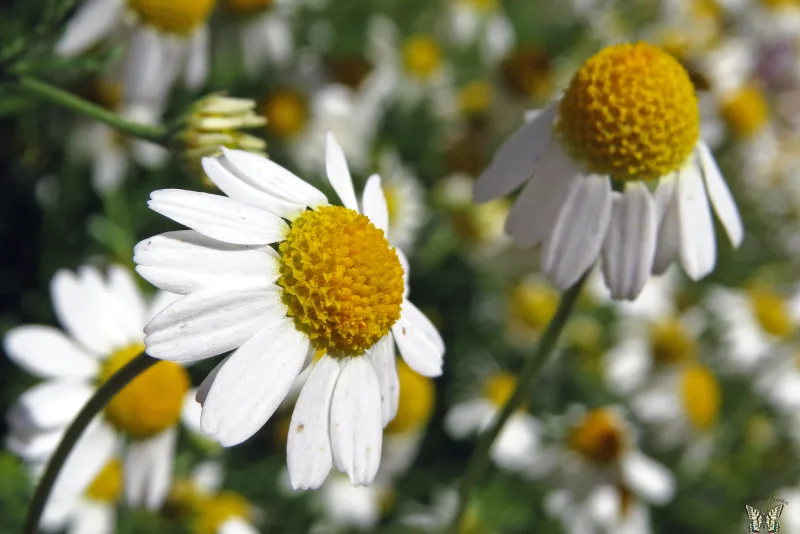
| Chamomile | pain, cramps, inflammation | infusion 1 tbsp/250 ml, 10 min | 3 |
| Marshmallow root | burning, irritation | cold soak 1-2 hours | 2-3 |
| Ribwort plantain | burning, sensitive lining | infusion 1 tsp/250 ml, 10 min | 2-3 |
| Calendula | inflammation, healing | infusion 1 tsp/250 ml, 10 min | 2 |
| Lemon balm | stress-related cramps | infusion 1 tsp/250 ml, 10 min | 2 |
| Flaxseed (mucilage) | burning, associated constipation | cold soak 1 tsp/200 ml, 8 hours | 1-2 |
| Liquorice (DGL extract) | irritation | only on medical advice | - |
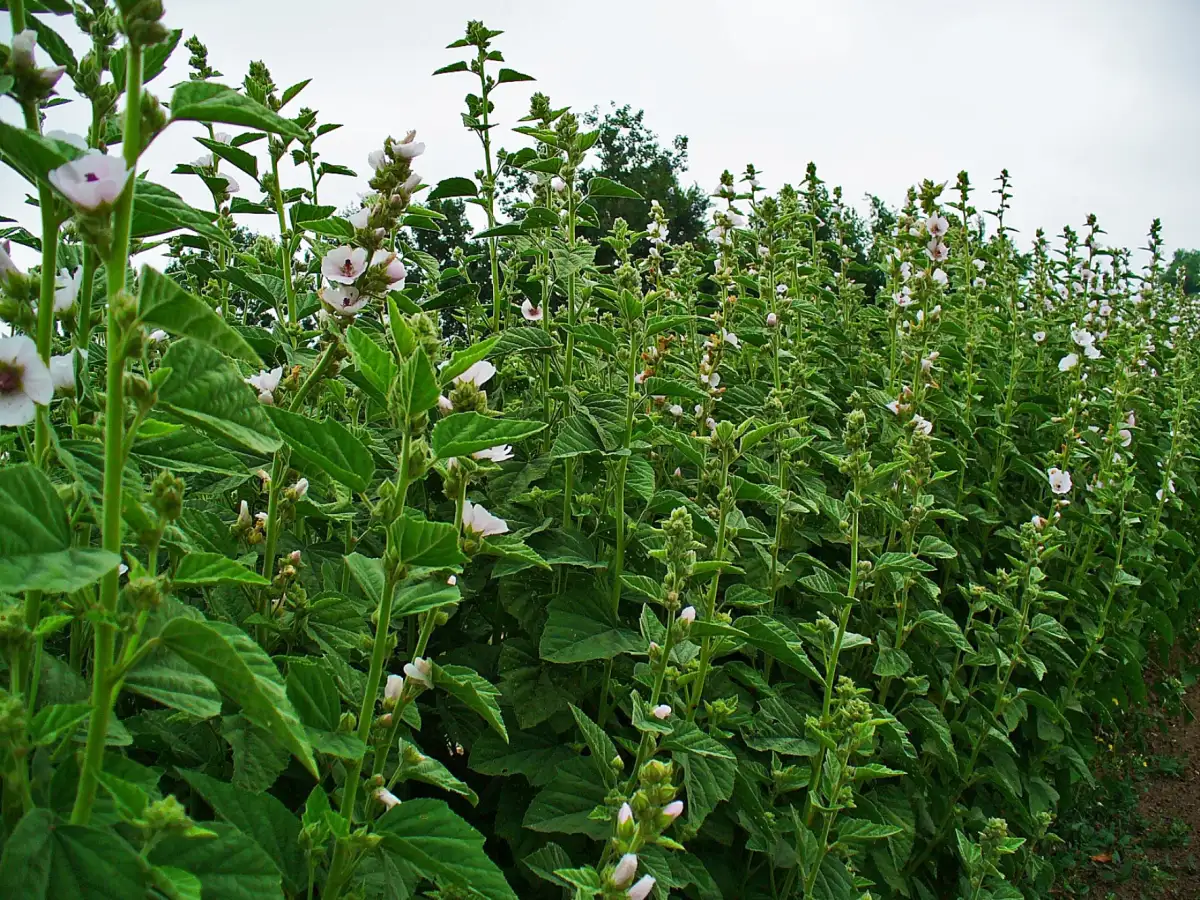 Photo: H. Zell, CC BY-SA 3.0, via Wikimedia Commons
Tea recipes for gastritis
1. Chamomile “stomach” tea
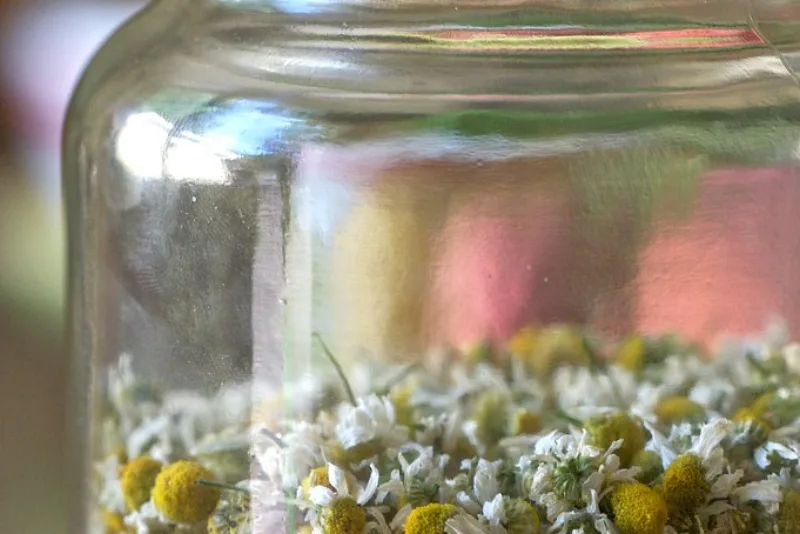
- 1 tablespoon chamomile flowers (about 3 g)
- 250 ml boiling water
Steep covered for 10 minutes, strain and drink lukewarm 20-30 minutes before a meal. For a “course” version, Romanian folk practice is to drink the tea on an empty stomach in the morning, then lie for a few minutes on your back, left side, front and right side, so the liquid “washes” the whole lining. More on the herb in our article on chamomile tea.
2. Cold marshmallow soak (for burning)
1-2 teaspoons chopped marshmallow root in 250 ml cold water for 1-2 hours, stirring occasionally. Strain and warm very gently. Sip slowly when burning starts or before bed.
3. Chamomile, calendula and plantain blend
Equal parts of the three herbs. 1 tablespoon of the blend to 300 ml boiling water, 10 minutes covered. 2-3 cups a day in 3-4 week courses. This is a classic blend in Romanian herbal practice for an “irritated stomach”. See also our guide to calendula tea.
4. Chamomile with lemon balm (“stress” gastritis)
1 teaspoon chamomile and 1 teaspoon lemon balm to 250 ml boiling water, 10 minutes. Good in the evening, when the stomach “tightens” after a hectic day.
5. Flaxseed mucilage
1 teaspoon whole flaxseed in 200 ml cold water, left overnight. In the morning, strain and drink the gel-like liquid on an empty stomach. If you take medication, keep a 1-2 hour gap, as mucilages can slow absorption.
Teas that can make gastritis worse
- Strong black and green tea: caffeine and tannins increase acid secretion and irritate some sensitive stomachs.
- Peppermint: relaxes the valve between the oesophagus and stomach and can worsen reflux. Gastritis without reflux usually tolerates it, but if you have heartburn rising into the chest, skip it.
- Very bitter teas (wormwood, artichoke, gentian) during a flare: they stimulate digestive secretions; useful for sluggish digestion, not for an inflamed stomach.
- Tea with lots of lemon, hibiscus or rosehip: the acids can intensify burning.
- Strong ginger tea: small amounts help nausea, but large amounts irritate.
- Very hot drinks in general.
For reflux symptoms, see also our guide to acid reflux remedies.
How to drink tea for gastritis properly
- Temperature: lukewarm, 40-50 °C.
- Timing: 20-30 minutes before meals and at bedtime.
- Sweetening: none, or at most half a teaspoon of honey.
- Duration: courses of 3-4 weeks, then a 1-2 week break.
- Alongside diet: small meals at regular times, no fried food, alcohol, hot spices or late dinners. Without these changes, tea has little effect.
Contraindications and precautions
- Allergy to the daisy family (ragweed, arnica, chrysanthemum): chamomile and calendula may cause reactions.
- Marshmallow and flaxseed: take 1-2 hours apart from medication.
- Regular liquorice (not DGL) raises blood pressure and lowers potassium; do not use it long term.
- Anticoagulants: large amounts of chamomile may theoretically interact with warfarin; talk to your doctor.
- Pregnancy: moderate chamomile is usually accepted; internal calendula should be avoided in pregnancy.
When to see a doctor
Go to emergency care if you have:
- black, tarry stools or vomit containing blood or looking like “coffee grounds”;
- sudden, very severe abdominal pain;
- dizziness, pallor or fainting.
Book an appointment if:
- symptoms last more than 2-3 weeks despite diet and teas;
- you are over 50 and the symptoms are new;
- you lose weight unintentionally, have difficulty swallowing or repeated vomiting;
- you regularly take anti-inflammatories or anticoagulants;
- pain wakes you at night.
The Helicobacter pylori test is simple (breath or stool) and completely changes treatment if positive.
Common mistakes
- Peppermint tea with reflux. It seems gentle but can worsen heartburn.
- Tea “to make the pain go away” instead of tests, for weeks on end.
- Bitter “detox” teas in the middle of a flare.
- Drinking tea piping hot, with sugar and lemon.
- Carrying on with anti-inflammatories “because I drink chamomile anyway”.
- Endless courses. Breaks matter, and if there is no improvement after a month, tea is not the answer.
Conclusion
A well-chosen tea for gastritis, chamomile, marshmallow, calendula or plantain, drunk lukewarm before meals, can reduce burning, cramps and the feeling of an “irritated” stomach. It works best alongside a gentle diet, regular meals and removing what irritates the lining: alcohol, smoking, anti-inflammatories. For a broader approach to digestive discomfort, see remedies for an upset stomach. And if red flags appear or the pain does not ease, a medical work-up is the right step, not a stronger tea.
Frequently asked questions
What is the best tea for gastritis? Chamomile is the foundation, with a cold marshmallow soak or plantain tea added for burning. The chamomile, calendula and plantain blend is a classic of Romanian herbal practice.
Can I drink peppermint tea if I have gastritis? If you only have gastritis without reflux, peppermint is usually tolerated. If you have burning rising towards the chest, avoid it, as it relaxes the oesophageal valve.
Is green tea good for the stomach? For gastritis it is not the best choice: caffeine and tannins can increase acidity and irritate the lining, especially on an empty stomach.
How long should I drink chamomile tea for gastritis? In 3-4 week courses, 2-3 cups a day, followed by a 1-2 week break. If symptoms do not improve, see your doctor.
Can tea cure gastritis caused by Helicobacter pylori? No. H. pylori infection is treated with the antibiotic regimen your doctor prescribes. Tea only helps with comfort.
Can I add honey to tea for gastritis? A small amount, about half a teaspoon, is usually well tolerated. Avoid sugar and large amounts of lemon.
Does chamomile tea help with an ulcer? It may ease symptoms, but an ulcer needs medical treatment and investigation. Do not use tea as a substitute.
Sources and further reading
- European Medicines Agency (EMA/HMPC): community herbal monographs on Matricariae flos (chamomile), Althaeae radix (marshmallow root), Calendulae flos (calendula) and Plantaginis lanceolatae folium (ribwort plantain).
- WHO monographs on selected medicinal plants, volume 1: Flos Chamomillae.
- NCCIH: “Chamomile” fact sheet.
- Maastricht/Florence consensus reports on the management of Helicobacter pylori infection (European Helicobacter and Microbiota Study Group).
This article is for information only and does not replace medical advice. For persistent pain or signs of digestive bleeding, see a doctor immediately.