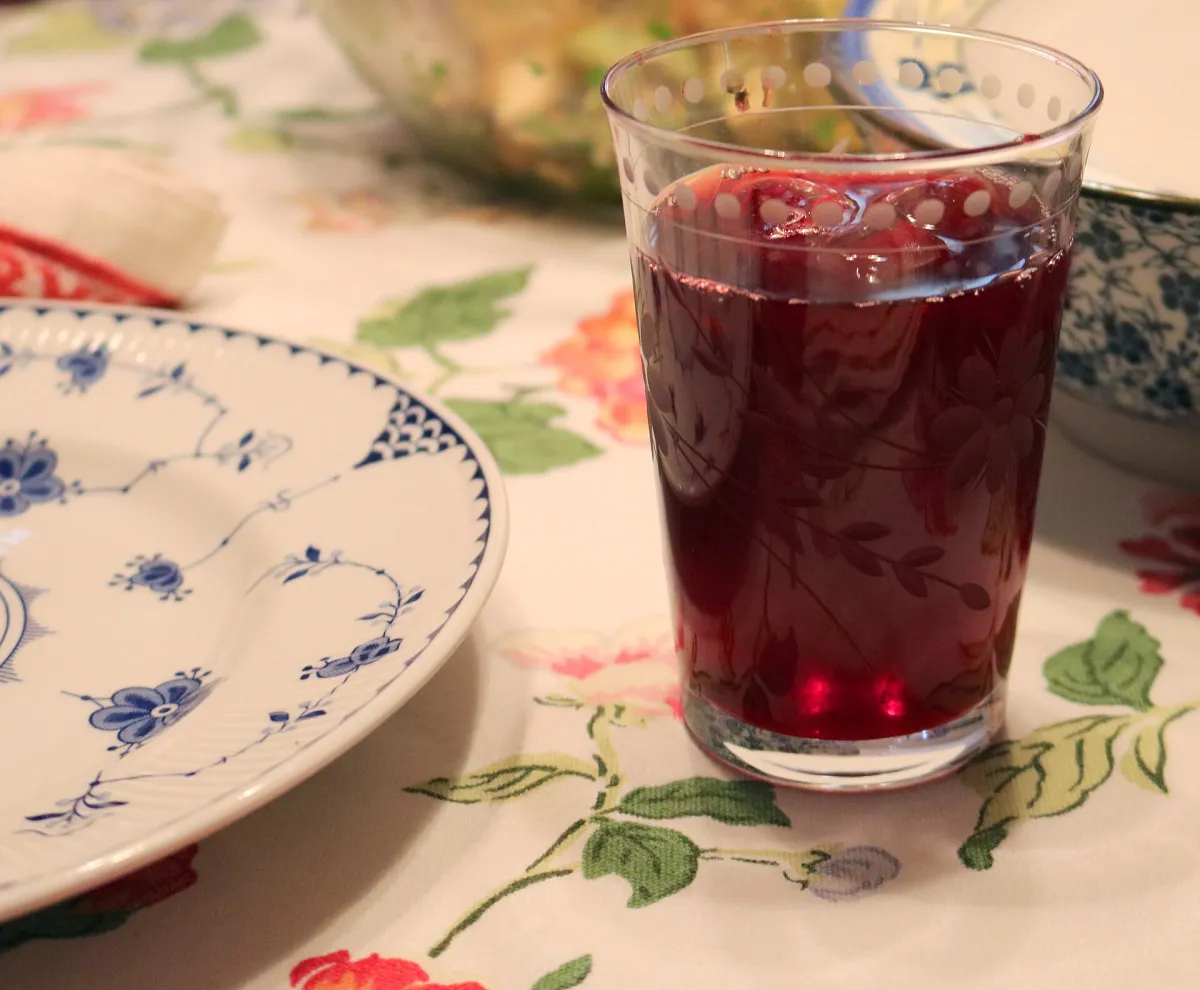
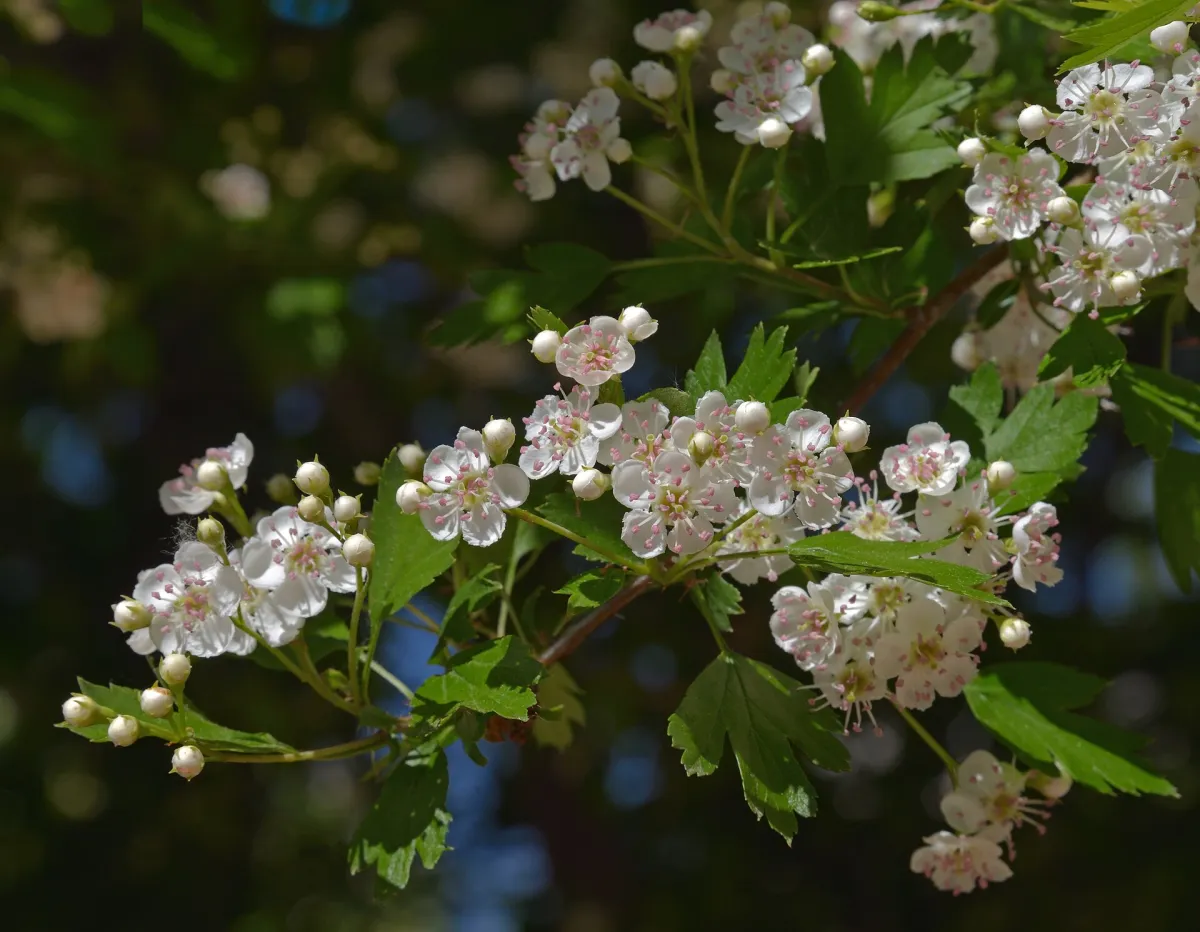
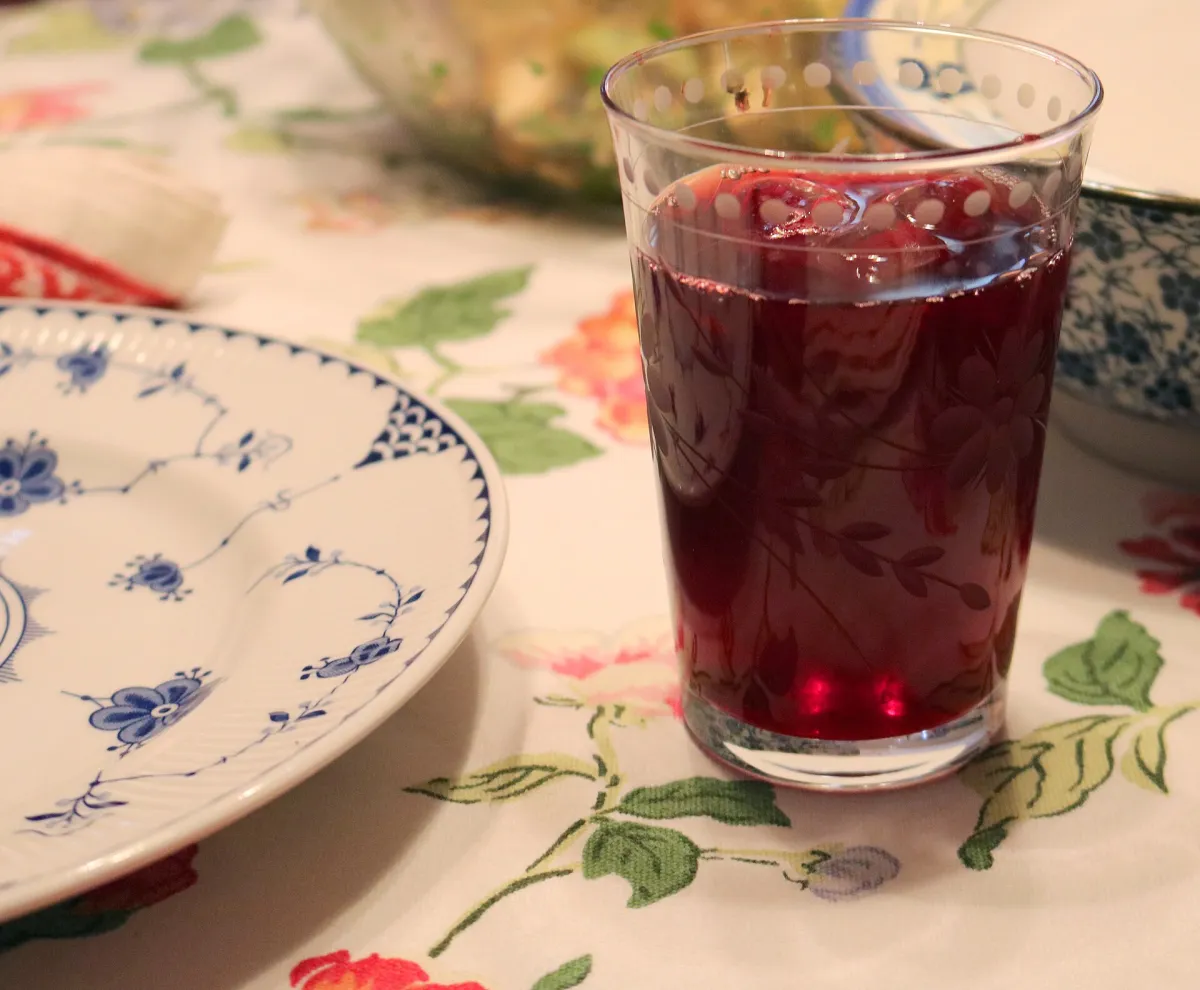
 Photo: claralieu, CC BY 2.0, via Wikimedia Commons
The tea with the best evidence for high blood pressure is hibiscus tea: in clinical trials, 2-3 cups a day for several weeks lowered systolic pressure by a few millimetres of mercury on average in people with mild hypertension. Hawthorn and olive leaf also have promising but weaker data. No tea replaces treatment for hypertension, and no tea brings down a reading of 180 “fast”. Here is what you can realistically expect, how to prepare the teas and which teas to avoid.
Key takeaways
- Hibiscus: the most studied; a modest drop in blood pressure after 4-6 weeks of daily use.
- Hawthorn: the traditional “heart herb”; mixed data for blood pressure, useful mainly as general cardiac support.
- Olive leaf, nettle, linden: limited or purely traditional data.
- Liquorice raises blood pressure; avoid teas containing it if you have hypertension.
- A reading above 180/120 mmHg with severe headache, chest pain, vision problems or numbness is a medical emergency.
Why a few millimetres matter
High blood pressure does not hurt, but it raises the risk of heart attack, stroke and kidney disease. A 5 mmHg drop in systolic pressure across a population is linked to a noticeable reduction in cardiovascular risk. That is why even modest effects from a tea can matter, but only as part of a plan that includes low-salt eating, exercise, weight, sleep and, most of the time, medication.
Our full guide to high blood pressure covers lifestyle measures in detail.
What studies say about each tea
| Tea | Active compounds | Evidence for blood pressure | How to drink |
|---|---|---|---|
| Hibiscus (Hibiscus sabdariffa) | anthocyanins, organic acids | several small clinical trials; modest drop in systolic | 2-3 cups/day, 4-6 weeks |
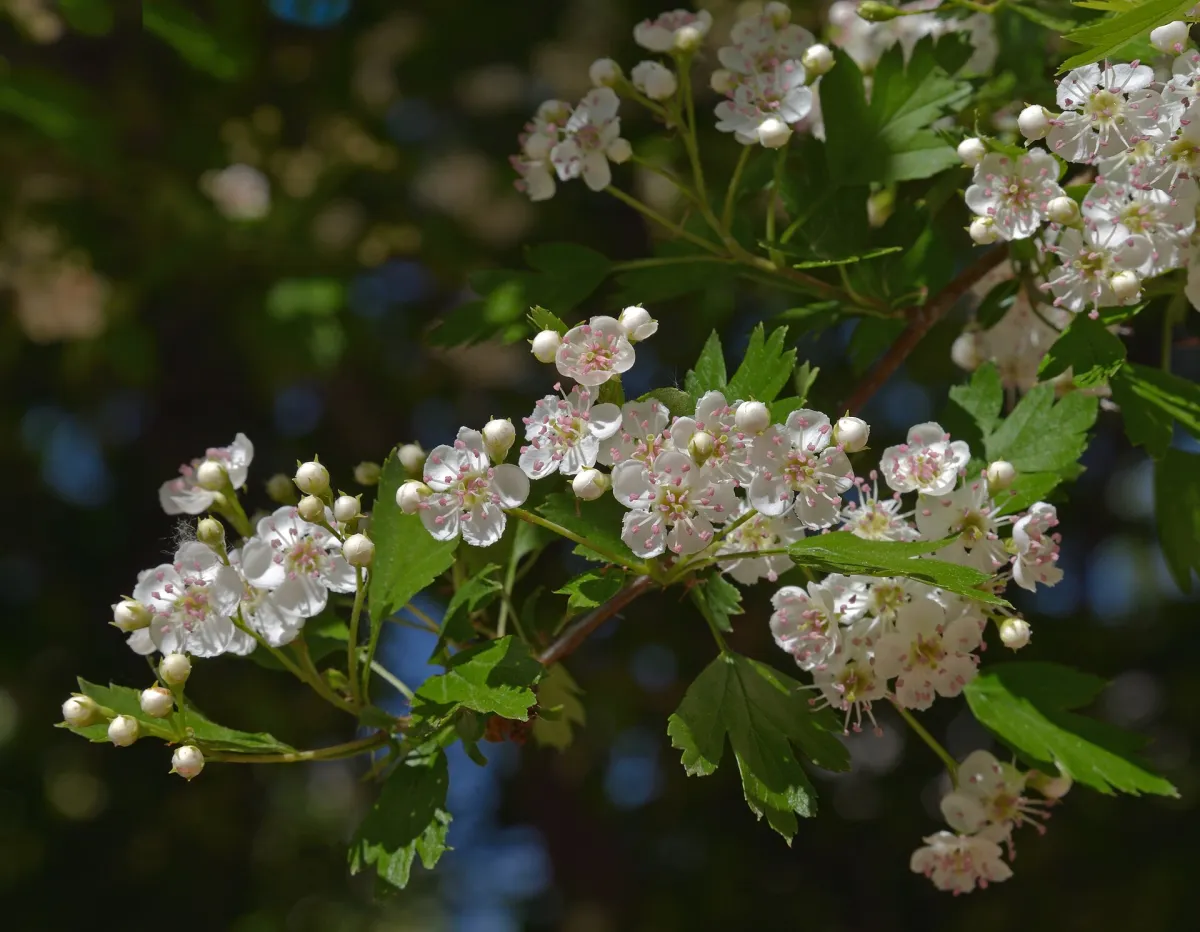
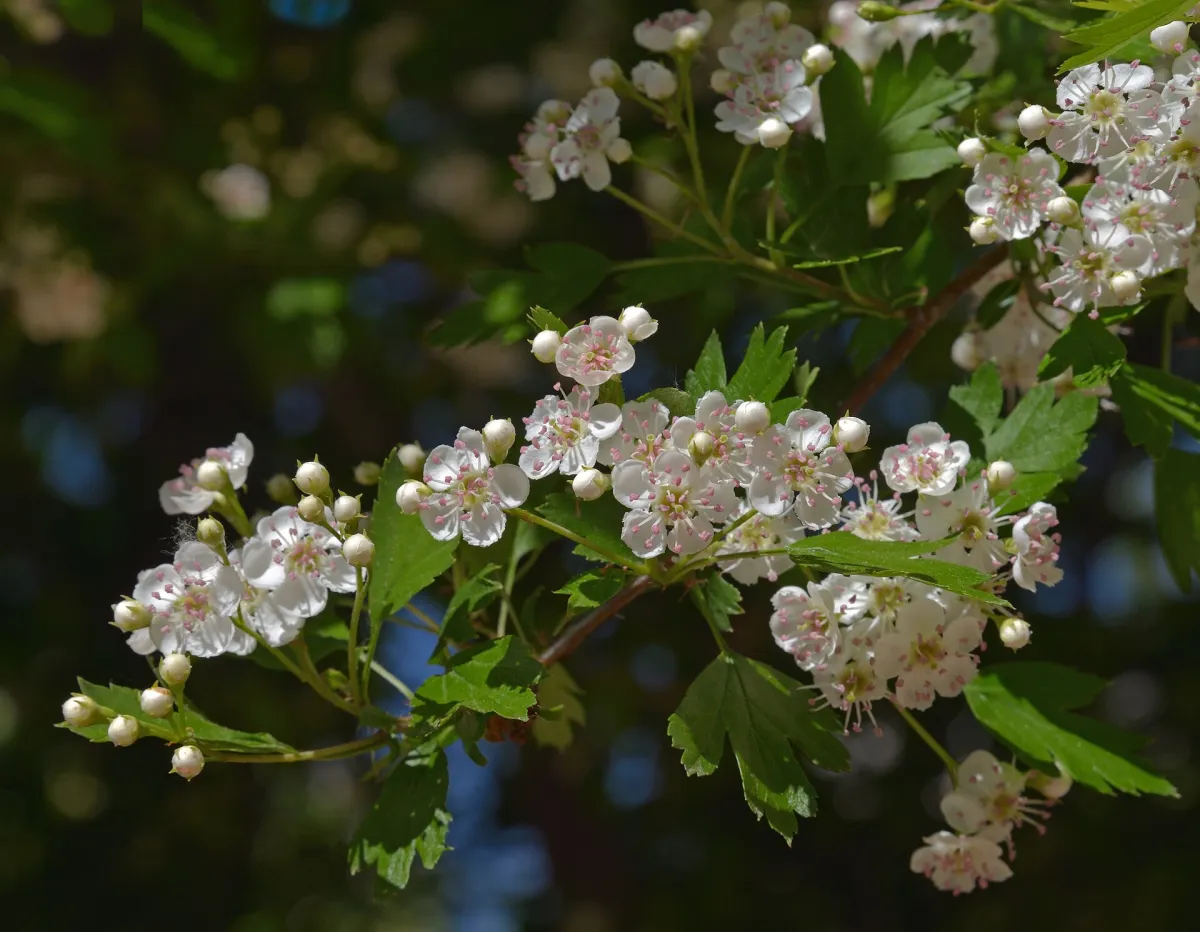
| Hawthorn (Crataegus) | flavonoids, proanthocyanidins | mixed data; traditional heart use recognised by EMA | 2-3 cups/day, long courses |
| Olive leaf | oleuropein | small studies, mostly with extract | 1-2 cups/day |
| Green/black tea | catechins, flavonoids | reviews show small long-term reductions | 2-3 cups/day, not in the evening |
| Nettle | minerals, flavonoids | mild diuretic effect, weak data | 2 cups/day |
| Linden, lemon balm | flavonoids, calming effect | indirect, via stress reduction | evening |
| Mistletoe | lectins, viscotoxins | traditional use; can be toxic if prepared wrongly | only with medical approval |
Published meta-analyses on hibiscus report systolic reductions in the range of 5-7 mmHg in people with raised readings, but the trials are small and of variable quality. For hawthorn, the European Medicines Agency recognises traditional use for mild cardiac symptoms of nervous origin (palpitations), not for treating hypertension. More on these herbs in our articles on hibiscus tea and hawthorn tea.
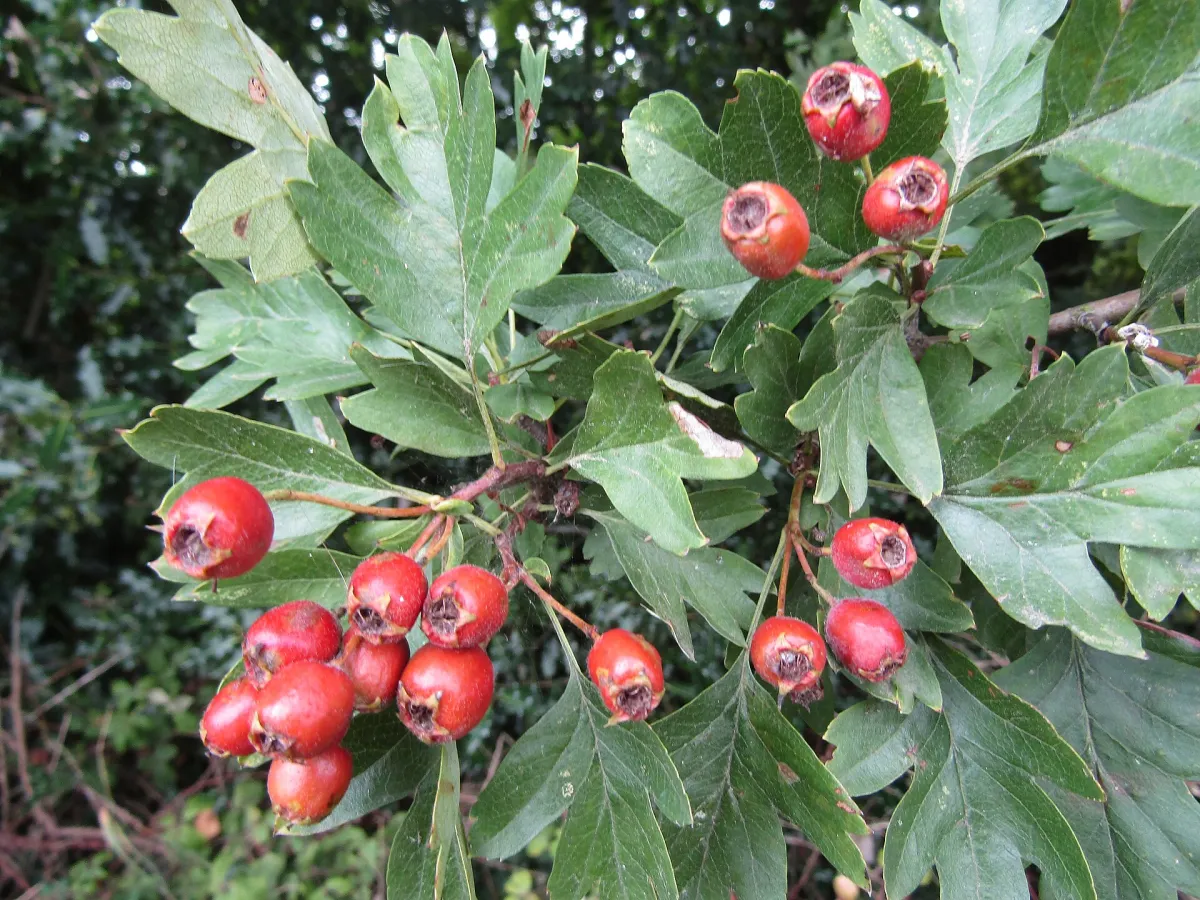 Photo: Kolforn, CC BY-SA 4.0, via Wikimedia Commons
Tea recipes for blood pressure
1. Hibiscus tea (hot infusion)
- 2 teaspoons dried hibiscus flowers (about 3-4 g)
- 250 ml boiling water
Steep for 6-8 minutes and strain. It tastes tart, like cranberry, and can also be drunk cold. 2 cups a day for 4-6 weeks, then check your readings. No sugar: in the positive trials the tea was unsweetened or only lightly sweetened.
2. Cold-brew hibiscus (summer)
1 tablespoon hibiscus to 500 ml cold water, 6-8 hours in the fridge. Gentler and less acidic, easy to drink in hot weather.
3. Hawthorn tea (flowers and leaves)
1 teaspoon flowering hawthorn tops to 250 ml boiling water, 15 minutes covered. 2-3 cups a day in 6-8 week courses. Hawthorn works slowly.
4. The “calm heart” blend
Equal parts hawthorn (flowers and leaves), lemon balm and linden. 1 tablespoon to 300 ml boiling water, 10-15 minutes. In the evening, for blood pressure that rises with stress and palpitations.
5. Olive leaf tea
1 teaspoon dried leaves to 250 ml water, simmered gently for 5 minutes, then steeped for 10 minutes. Bitter and grassy. 1-2 cups a day.
Teas that can raise blood pressure
- Liquorice (found in many cough, stomach and “detox” teas): causes salt and water retention and can raise blood pressure significantly.
- Teas with lots of guarana, mate or strong black tea: caffeine temporarily raises blood pressure, especially in people who rarely consume it.
- Ginseng and some “energising” blends.
- Ephedra teas (banned in many countries but still sold online).
- Rosemary in large amounts, in some people.
Interactions with blood pressure medication
This is the most important part, because teas that affect blood pressure add to the effect of your tablets:
- Hibiscus + diuretics or ACE inhibitors: additive effect, risk of blood pressure dropping too low. Some data suggest hibiscus may affect the elimination of hydrochlorothiazide.
- Hawthorn + beta-blockers, calcium channel blockers, nitrates, digoxin: may enhance the effect; monitoring is needed.
- Green tea + nadolol: green tea can reduce nadolol absorption.
- Large amounts of green tea + warfarin: vitamin K content may affect INR.
- Diuretic teas + lithium: risk of lithium build-up.
Tell your doctor which teas you drink regularly and do not reduce your medication dose yourself just because readings have dropped.
What amplifies the effect of tea
Tea works better alongside a few habits with proven effects on blood pressure:
- Less salt: under 5 g a day (a level teaspoon), including the hidden salt in bread, cured meats, salty cheese and canned food.
- More potassium from food: vegetables, fruit, pulses, baked potatoes. Take care only if you have kidney disease or take potassium-sparing medication.
- Aerobic exercise: 30 minutes of brisk walking, 5 days a week.
- Weight loss: every kilo counts, especially around the waist.
- Less alcohol and stopping smoking.
- Enough sleep and treatment of sleep apnoea if you snore and wake up tired.
- Stress management: an evening tea enjoyed quietly, away from screens, can become a useful ritual.
How to tell whether the tea is helping
- Measure your blood pressure at home with a validated upper-arm monitor, morning and evening, 2 readings 1 minute apart, for one week. Write down the values.
- Start the tea (one tea, not five at once) and continue for 4-6 weeks.
- Repeat the week of measurements. Compare averages, not single readings.
- Discuss the results with your doctor.
When to see a doctor
Emergency (call 112/911) if your blood pressure is above 180/120 mmHg and you have:
- chest pain or shortness of breath;
- a sudden severe headache, confusion or vision problems;
- numbness, weakness on one side of the body or difficulty speaking.
Book an appointment if:
- home readings are repeatedly above 135/85 mmHg;
- you feel dizzy or tired or your pressure is too low after adding a tea to your treatment;
- you are pregnant with raised blood pressure (risk of pre-eclampsia; only your doctor decides);
- you are under 40 with newly found hypertension (secondary causes should be looked for).
Common mistakes
- Stopping medication “because I’ve switched to teas”.
- Hibiscus tea with three spoonfuls of sugar.
- Liquorice cough teas drunk daily by people with hypertension.
- Mistletoe prepared by guesswork. It is a genuinely toxic plant; the berries are never used.
- Occasional readings after coffee or climbing stairs, read as success or failure of the tea.
- Forgetting salt. Cutting salt has a bigger effect than any tea.
Conclusion
The tea for high blood pressure with the strongest data is hibiscus, followed by hawthorn and, further behind, green tea and olive leaf. The effects are modest, take weeks to appear and matter only together with less salt, exercise, a healthy weight and prescribed treatment. Used properly, tea can be a pleasant, inexpensive ally. Used as a replacement for tablets, it becomes a risk. If your problem is the opposite, low blood pressure, read our guide to low blood pressure, and if your cholesterol is also high, see tea for cholesterol.
Frequently asked questions
Which tea lowers blood pressure best? Hibiscus tea has the most clinical trials, with modest reductions after a few weeks of daily use.
Does hibiscus tea lower blood pressure immediately? No. The effect builds gradually over 2-6 weeks of regular use. It is not a remedy for a hypertensive crisis.
Can I drink hibiscus tea if I take blood pressure tablets? Usually yes, but the effects can add up and your pressure may drop too far. Tell your doctor and check your readings more often in the first few weeks.
Does green tea raise or lower blood pressure? Right after drinking, caffeine can raise it slightly. Over the long term, studies show small reductions. If you are caffeine-sensitive, choose decaffeinated versions or hibiscus.
Does hawthorn lower blood pressure? The data are mixed. Hawthorn is traditionally used for the heart and mild palpitations; any effect on blood pressure is small and slow.
Which teas should people with hypertension avoid? Teas containing liquorice, ginseng, guarana or ephedra, and large amounts of very caffeinated teas.
Is mistletoe tea good for blood pressure? It is used traditionally, but mistletoe can be toxic if prepared incorrectly and interacts with medication. Use it only with your doctor’s approval.
Sources and further reading
- European Medicines Agency (EMA/HMPC): community herbal monograph on Crataegi folium cum flore (hawthorn leaf and flower).
- NCCIH: “Hibiscus”, “Hawthorn” and “High Blood Pressure and Complementary Health Approaches”.
- World Health Organization: “Hypertension” fact sheet.
- ESC/ESH guidelines for the management of arterial hypertension (European Society of Cardiology/European Society of Hypertension).
- Meta-analyses indexed in PubMed on the effect of Hibiscus sabdariffa on blood pressure.
This article is for information only and does not replace medical advice. Do not change your blood pressure treatment without your doctor’s approval.