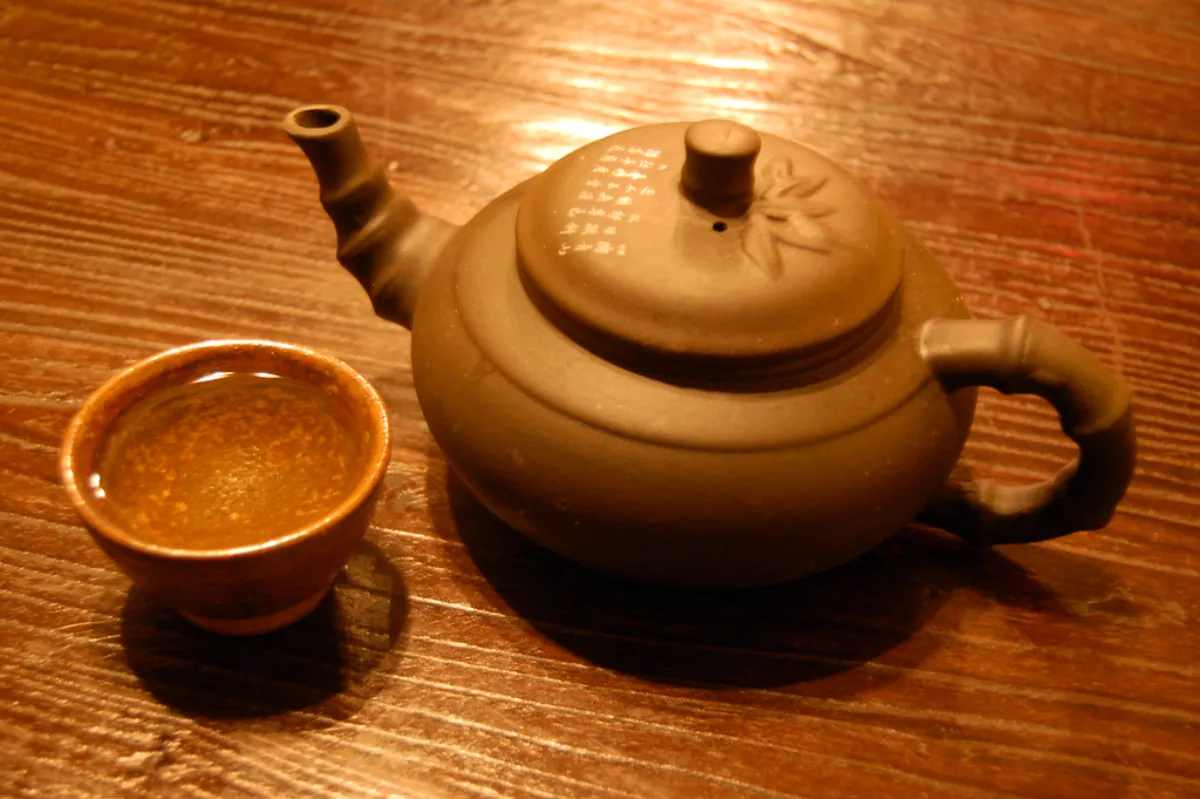
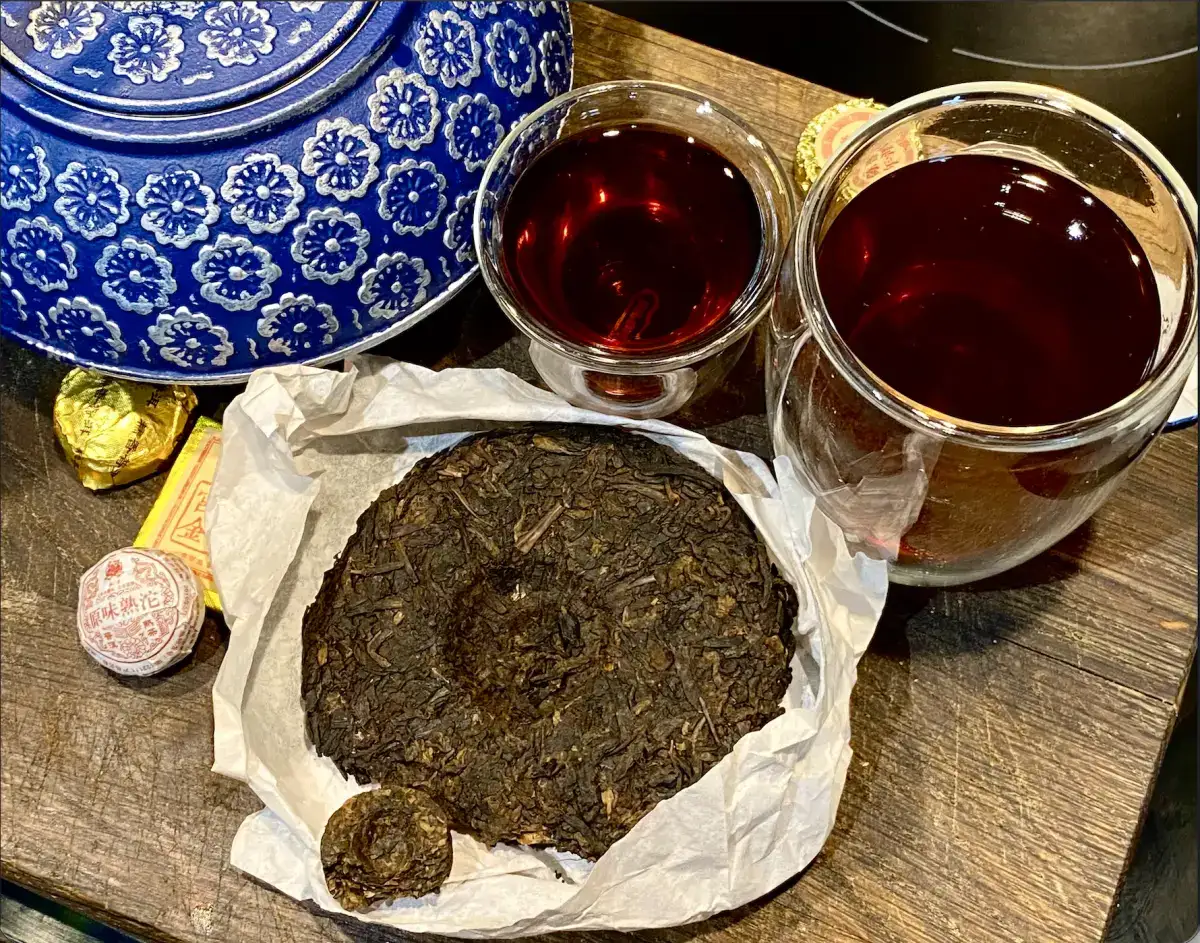
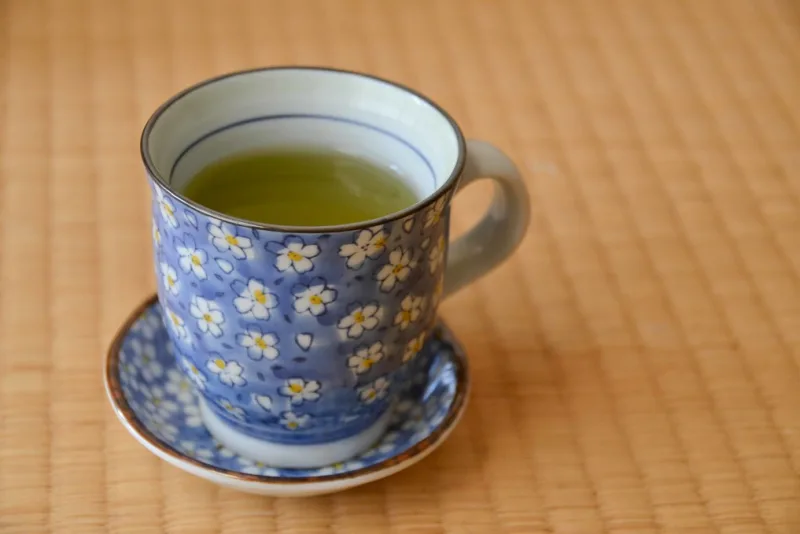
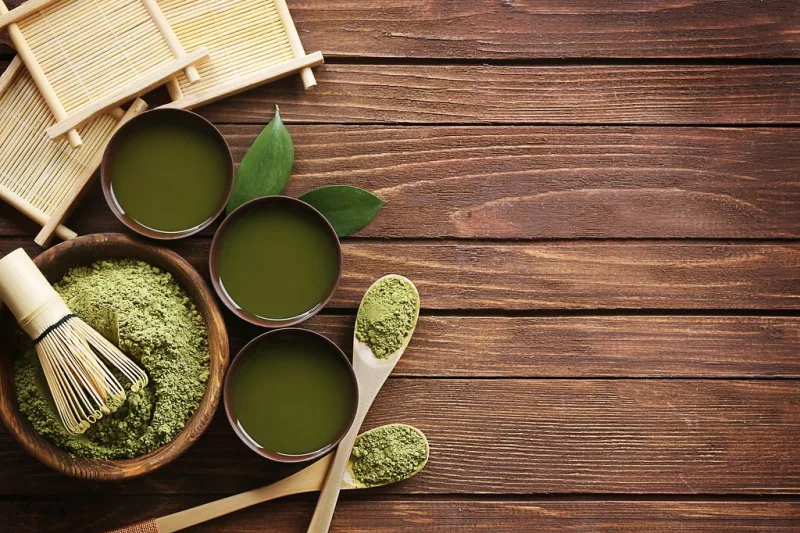
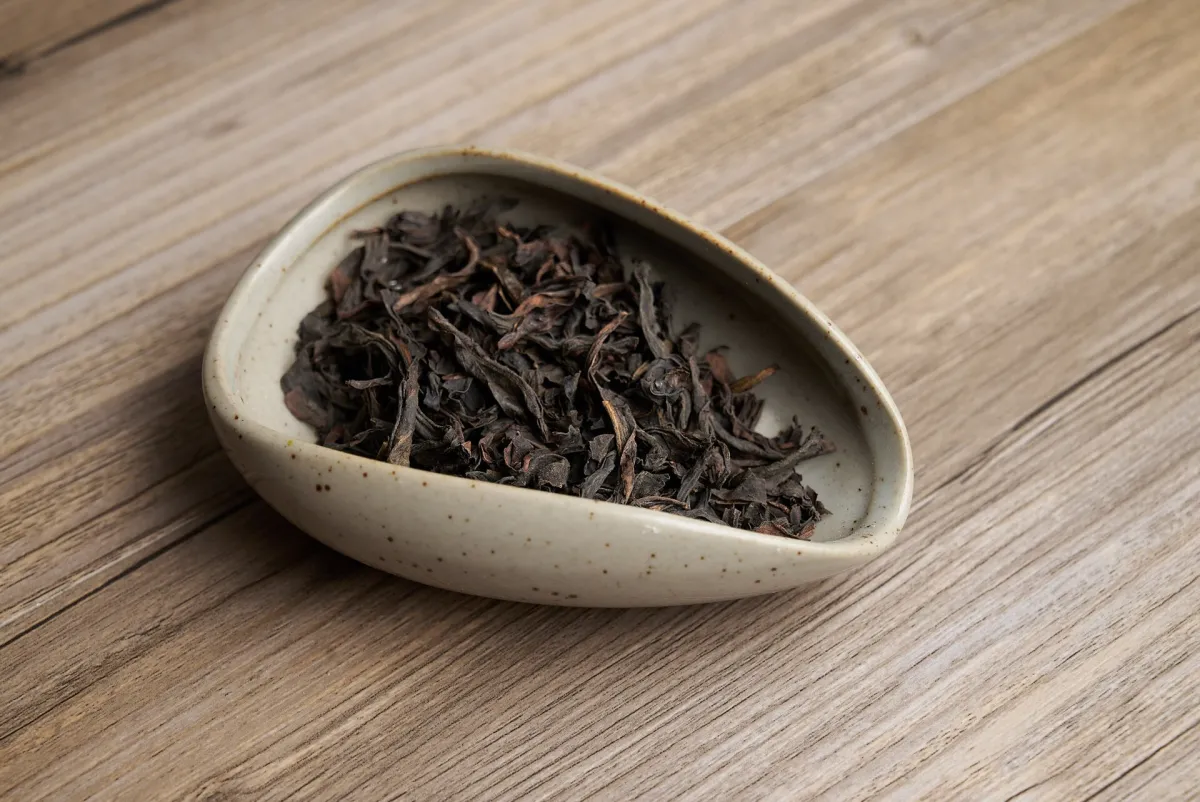
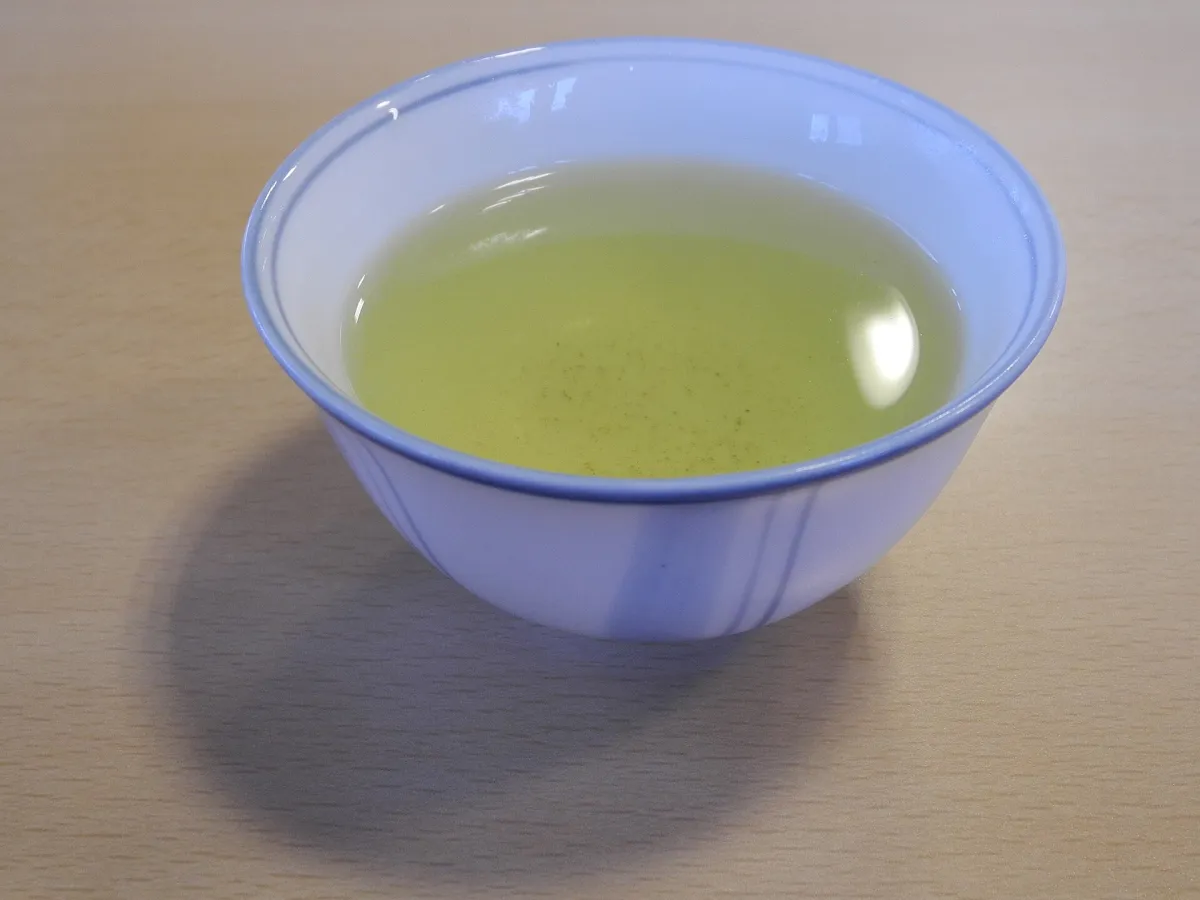
 Photo: Douglas P Perkins, CC BY 3.0, via Wikimedia Commons
No tea “melts” fat. Green tea, oolong and mate can slightly increase energy expenditure and fat burning thanks to caffeine and catechins, but the effect measured in studies is small: on average 1-1.5 kilograms at most over several months, and some trials find no difference at all. The real value of tea for weight loss lies elsewhere: it replaces sugary drinks, has no calories and helps you manage cravings. The best-selling “fast slimming” teas based on laxatives are also the riskiest. Here is what works, what is myth and what is dangerous.
Key takeaways
- Green tea has the most research; its effect on weight is small and shows mainly in people who do not already consume a lot of caffeine.
- Kilos lost “overnight” with detox teas are water and bowel contents, not fat.
- Teas with senna, frangula or cascara are laxatives: used often, they cause potassium imbalance and laxative dependence.
- The biggest benefit: swapping juice, creamy coffee drinks and sweet beverages for unsweetened tea.
- Concentrated green tea extracts (capsules) have been linked to rare cases of liver injury; normally brewed tea is safe.
Why tea cannot work miracles
Body weight depends on the long-term balance between energy taken in and energy spent. A tea can nudge that balance in three ways: a small rise in metabolism (caffeine), a possible small increase in fat oxidation (catechins, especially EGCG) and a reduction in calorie intake if it replaces high-calorie drinks. The first two effects are small; the third can be significant.
A concrete example: if you replace two glasses of juice a day (about 200 calories) with unsweetened tea, you save roughly 6,000 calories a month. That is far more than the effect of any catechin.
What the studies show, tea by tea
| Tea | Active compound | What studies show | Verdict |
|---|---|---|---|
| Green tea | catechins (EGCG) + caffeine | small effect on weight; the Cochrane review finds small, often clinically unimportant differences | modest help |
| Oolong | polymerised catechins, caffeine | few small studies, modest effect on energy expenditure | modest help |
| Matcha | more catechins (whole leaf) | no dedicated weight-loss trials | probably similar to green tea |
| Mate | caffeine, saponins | possible effect on satiety, limited data | uncertain |
| Pu-erh | fermentation compounds | small studies, mostly in animals | uncertain |
| Hibiscus | anthocyanins | limited weight data; useful for blood pressure | not a “slimming” tea |
| Senna, frangula, cascara | anthraquinones (laxatives) | water loss, not fat loss | avoid for weight loss |
| “Diuretic” teas (corn silk, horsetail) | potassium salts, flavonoids | temporary water loss | myth |
The Cochrane review on green tea for weight loss and maintenance (Jurgens et al.) concluded that green tea preparations produce a small, statistically non-significant and probably clinically unimportant weight loss in overweight adults. More on each type in our guides to green tea and oolong tea.
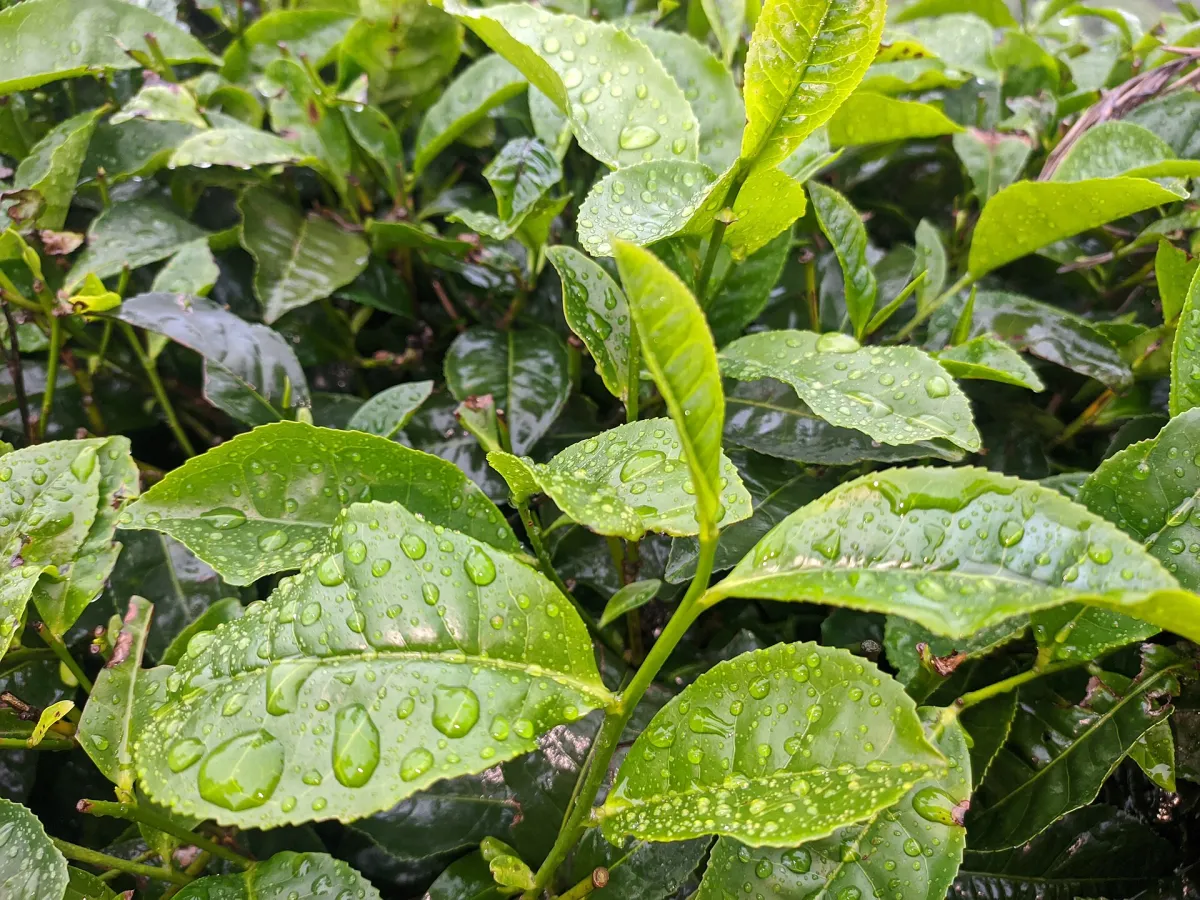 Photo: Athulvis, CC BY-SA 4.0, via Wikimedia Commons
The most common myths
“Detox tea flushes out toxins and fat”
The liver and kidneys clear toxins continuously. No tea “washes away” fat. Commercial detox teas usually contain a laxative (senna) and a mild diuretic; the flatter-belly feeling comes from an emptied bowel and water loss, both of which return within 1-2 days.
“Flat-belly tea burns belly fat”
Spot fat burning does not exist. Abdominal fat goes down with overall weight, through diet, movement, sleep and cutting alcohol.
“Tea after a meal cancels out the calories”
Some catechins may slightly slow carbohydrate absorption in lab studies, but the effect in humans is negligible. A big portion is still a big portion.
“Natural means safe”
Laxative teas, concentrated extracts and “thermogenic” green tea supplements have caused real harm, from electrolyte imbalance to liver damage.
The dangers of laxative slimming teas
Senna leaves and pods, frangula bark and cascara are stimulant laxatives. The European Medicines Agency advises using them only for occasional constipation, for no more than 1 week, not for weight loss. Used frequently, they can cause:
- abdominal cramps and diarrhoea;
- potassium loss, with fatigue, muscle weakness and heart rhythm disturbances;
- a “lazy bowel” that no longer works without a laxative;
- dangerous interactions with diuretics, digoxin and some heart medicines.
If a slimming tea gives you loose or frequent stools, read the label: it almost certainly contains a laxative.
How to use tea wisely when trying to lose weight
- Replace sweet drinks with unsweetened tea, hot or iced. This is the biggest win.
- Green or oolong tea in the morning and at lunch, 2-3 cups, not in the evening (caffeine disrupts sleep, and poor sleep increases appetite).
- A warm tea after dinner (peppermint, lemon balm, rooibos) can act as an “end of eating” signal and cut evening snacking.
- A glass of water or tea before meals may help with fullness.
- No sugar, honey or syrups. A teaspoon of sugar has about 16-20 calories; five cups a day add up quickly.
- Home-made iced tea (cold-brewed hibiscus or green tea, 6-8 hours in the fridge) is a good summer alternative to soft drinks.
The basic recipe: properly brewed green tea
- 1 teaspoon green tea (2 g)
- 200 ml water at 75-80 °C (not boiling, or it turns bitter)
- steep 2-3 minutes
The leaves can be re-steeped twice. 2-3 cups a day, not on an empty stomach if your stomach is sensitive.
Iced hibiscus and mint tea (no sugar)
2 teaspoons hibiscus and a few mint leaves to 1 litre cold water, in the fridge overnight. Strain and serve with ice and a slice of lemon.
Dosage and safety limits
- Green tea: 2-4 cups a day for healthy adults. The European Food Safety Authority (EFSA) concluded that EGCG from ordinary infusions raises no concern, but supplement doses of 800 mg EGCG a day or more have been linked to raised liver enzymes.
- Total caffeine: up to 400 mg a day for adults (about 4-5 cups of green tea plus coffee), maximum 200 mg a day in pregnancy.
- Green tea extract capsules should not be taken on an empty stomach or without medical advice if you have liver problems.
Who should be careful
- people with high blood pressure, arrhythmias, anxiety or insomnia (caffeine);
- pregnant and breastfeeding women (caffeine, laxatives);
- people with iron-deficiency anaemia: tea with meals reduces absorption of plant iron; drink it between meals;
- people on anticoagulants (warfarin may interact with large amounts of green tea);
- people with eating disorders: laxative and diuretic teas can feed dangerous behaviours; seek specialist help.
When to see a doctor
- if you do not lose any weight despite a controlled diet and exercise (thyroid and blood sugar checks);
- if you gain weight quickly for no reason or have swollen legs;
- if, after a slimming tea or supplement, you notice dark urine, yellow skin or eyes, pain in the upper right abdomen, palpitations or muscle weakness;
- if your BMI is above 30 or you have diabetes, high blood pressure or sleep apnoea: a structured medical plan gets much better results.
Common mistakes
- Believing tea makes up for diet.
- Laxative tea “cleanses” before an event.
- Green tea in the evening, followed by poor sleep and more sugar cravings the next day.
- Sweetened “slimming” tea with honey or sugar.
- Concentrated extract supplements in large doses on an empty stomach.
- Daily weigh-ins after detox teas: the quick water loss feels like success and disappears just as fast.
Conclusion
A tea for weight loss is not a shortcut but a small, useful tool. Green tea, oolong or matcha may give metabolism a modest boost, and any unsweetened tea can replace hundreds of calories from sweet drinks. Detox and laxative teas promise a lot, lose only water and can do harm. For a complete strategy, read our guide to natural weight loss, and if your concern is cholesterol or blood sugar, see also tea for cholesterol and tea for diabetes.
Frequently asked questions
What is the best tea for weight loss? Green tea has the most research, but its effect is small. In practice, the best weight loss tea is the one you drink unsweetened instead of sugary drinks.
How much weight can I lose with green tea? At best, studies show differences of about 1 kilogram over several months compared with placebo, and many find no significant difference. Without changing your diet, the effect is negligible.
Do detox teas help you lose weight? Not in terms of fat loss. Most contain laxatives or diuretics, and the kilos lost are water that returns quickly.
Is senna tea dangerous for weight loss? Used often, yes: it can cause potassium loss, cramps, heart rhythm problems and laxative dependence. It is meant only for occasional constipation, for one week at most.
Can I drink green tea in the evening? It contains caffeine, so for many people it affects sleep. In the evening, choose caffeine-free teas: rooibos, peppermint, lemon balm, chamomile.
Does pu-erh tea melt fat? There is no solid human evidence. Pu-erh can be part of a balanced diet, but it does not “melt” fat.
Are green tea extract capsules more effective? They contain higher doses, but the extra benefit is small, and high doses of EGCG have been linked to liver injury. Normally brewed tea is safer.
Sources and further reading
- Cochrane Review: “Green tea for weight loss and weight maintenance in overweight or obese adults” (Jurgens et al.).
- EFSA Panel on Food Additives and Nutrient Sources: “Scientific opinion on the safety of green tea catechins” (2018).
- EFSA: “Scientific Opinion on the safety of caffeine” (2015).
- European Medicines Agency (EMA/HMPC): monographs on Sennae folium and Frangulae cortex.
- NCCIH: “Green Tea” and “Weight Loss and Dietary Supplements” fact sheets.
This article is for information only and does not replace advice from a doctor or dietitian.