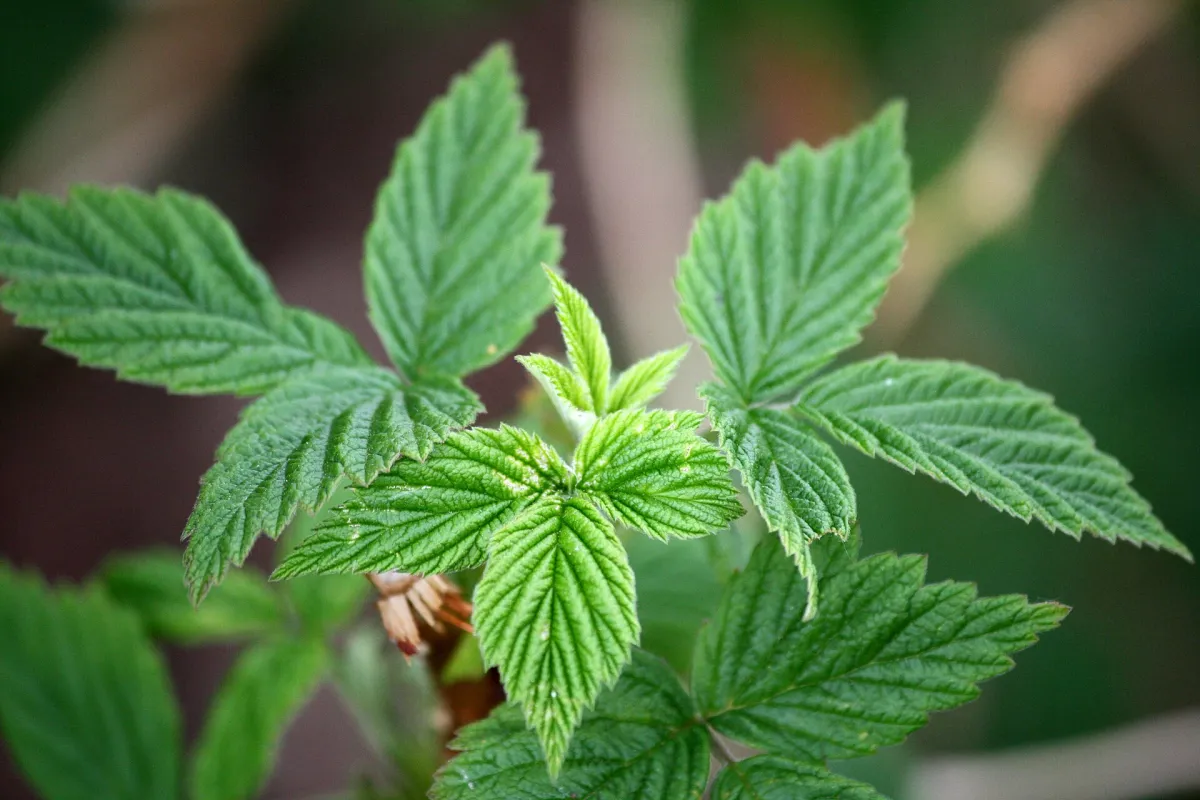
 Photo: Nicu Buculei, CC BY-SA 2.0, via Wikimedia Commons
In pregnancy you can drink, in moderate amounts, ginger tea (for nausea), rooibos, linden tea, chamomile occasionally and fruit teas with no added medicinal herbs. Black and green tea are allowed but count towards the 200 mg of caffeine a day limit. Herbs with effects on the uterus or known toxicity are best avoided: large amounts of sage, concentrated parsley, yarrow, liquorice, senna, St John’s wort, wormwood and greater celandine. The golden rule: one tea, a moderate amount, and any “course” discussed with your doctor.
Key takeaways
- Fine in moderation: ginger, rooibos, linden, occasional chamomile, fruit teas, peppermint (for nausea, without reflux), black and green tea within the caffeine limit.
- Avoid: liquorice, sage (large amounts), yarrow, senna, St John’s wort, wormwood, greater celandine and herbs “to bring on a period”.
- Caffeine: maximum 200 mg a day, about 2-3 cups of black or green tea, counting coffee and cola too.
- Raspberry leaf: only late in pregnancy and only with your doctor’s or midwife’s approval.
- No tea “cleanses” or “prepares” the body risk-free; less is safer.
Why tea is a sensitive area in pregnancy
Most herbs have never been rigorously studied in pregnant women, for obvious ethical reasons. What we know comes from tradition, animal studies, case reports and a few observational studies. Some herbs may affect uterine contractions or hormones, or contain substances toxic to the liver or to fetal development. That is why European guidance (EMA) states for almost every herb that “use during pregnancy is not recommended in the absence of sufficient data”. That does not mean a cup of linden is dangerous, only that no large studies declare it safe.
In practice, most ordinary teas drunk occasionally pose no problem. Risks arise with large amounts, long courses, multi-herb blends and potent herbs.
The practical list: teas you can drink
| Tea | Pregnancy status | Approximate amount | Helps with |
|---|---|---|---|
| Ginger | considered safe in moderate doses | 1-2 cups/day (no more than 1 g dried ginger/day) | nausea, vomiting |
| Rooibos | caffeine-free, considered safe | 2-3 cups/day | alternative to black tea |
| Linden | traditional use, considered safe | 1-2 cups/day | colds, sleep |
| Chamomile | probably safe occasionally | 1 cup/day, no long courses | digestion, sleep |
| Peppermint | probably safe | 1-2 cups/day | nausea, bloating (avoid with reflux) |
| Fruit tea (apple, rosehip, citrus) | safe if it has no medicinal herbs | to taste | hydration |
| Black, green, white tea | allowed within the caffeine limit | 2-3 cups/day | - |
| Lemon balm | probably safe occasionally | 1 cup/day | restlessness, sleep |
| Nettle (leaf) | debatable, especially in the first trimester | only with medical approval | - |
| Raspberry leaf | only in the final weeks, with medical approval | as advised | “birth preparation” (weak evidence) |
More on the most widely used herbs in our guides to ginger tea, rooibos tea and linden tea.
 Photo: Miansari66, Public domain, via Wikimedia Commons
Teas to avoid in pregnancy
- Liquorice: high intake in pregnancy has been linked to preterm birth and effects on child development; it also raises blood pressure. It is found in many cough, stomach and “detox” teas.
- Sage: contains thujone; large amounts or courses should be avoided. An occasional gargle is not a problem.
- Yarrow, wormwood, tansy, rue: traditional effects on the uterus and menstruation.
- Senna, frangula, cascara: stimulant laxatives that can cause cramps and fluid and salt imbalance.
- St John’s wort: multiple interactions and insufficient data.
- Greater celandine: risk of liver damage.
- Large amounts of parsley (concentrated seed or leaf tea): effects on the uterus; as a garnish in food it is fine.
- Detox and slimming teas: almost always contain laxatives or diuretics.
- Blends with essential oils or unknown concentrated flavourings.
- Teas from unknown wild-gathered plants: risk of confusion with toxic species.
Teas for common pregnancy complaints
First-trimester nausea
Ginger is the most studied natural remedy for pregnancy nausea. Recipe: 1-2 cm fresh ginger, sliced, to 250 ml boiling water, 10 minutes covered. Sip slowly, warm or cold, throughout the day, maximum 2 cups. Weak peppermint also helps if you have no heartburn. More tips in our guide to morning sickness.
Constipation
Fluids and fibre are the foundation. A warm tea in the morning (fruit or linden) can help get things moving. Avoid senna laxative teas. See our guide to constipation in pregnancy.
Colds
Linden and an occasional cup of elderflower tea with honey and lemon are the traditional options. For details, read tea for colds and flu, but remember that fever in pregnancy should be reported to your doctor.
Sleep and restlessness
A cup of lemon balm or linden in the evening, 30-60 minutes before bed.
Heartburn
Avoid peppermint. Small meals, a raised pillow and perhaps a cup of lukewarm chamomile help.
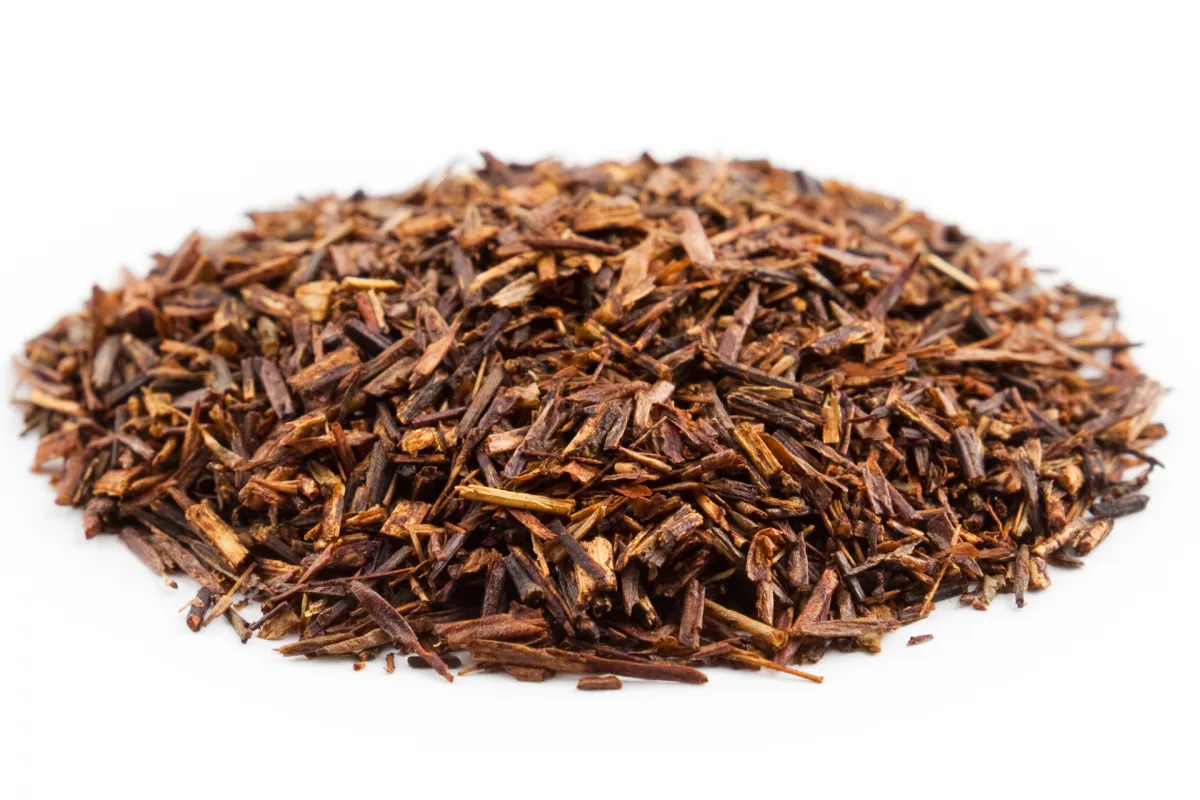 Photo: soultea.de/André Helbig, CC BY-SA 3.0, via Wikimedia Commons
Caffeine: how much is allowed
The World Health Organization and European authorities advise pregnant women not to exceed 200 mg of caffeine a day. As a guide:
| Drink | Approximate caffeine |
|---|---|
| Black tea, 250 ml | 40-60 mg |
| Green tea, 250 ml | 25-45 mg |
| Matcha, one serving | 60-80 mg |
| Filter coffee, 250 ml | 90-140 mg |
| Espresso | 60-80 mg |
| Cola, 330 ml | 30-40 mg |
| Rooibos, chamomile, linden | 0 mg |
Tea with meals reduces iron absorption from food; in pregnancy, when iron needs rise, drink black or green tea between meals, at least an hour apart.
Simple rules for tea in pregnancy
- Well-known herbs from trusted sources (pharmacy, herbal shop), not exotic blends.
- One tea at a time, not five herbs in one cup.
- Moderate amounts: 1-3 cups a day in total of medicinal teas.
- No long courses of the same herb.
- Read the label: many “fruit” teas contain liquorice, hibiscus or other herbs.
- Tell your doctor which teas you drink, especially if you take medication, have high blood pressure, gestational diabetes or a risk of preterm birth.
When to see a doctor
- vomiting so frequent you cannot keep fluids down, dark urine, dizziness (possible hyperemesis);
- fever above 38 °C;
- abdominal pain, regular contractions before term, bleeding or leaking fluid;
- severe headache, vision problems, sudden swelling of the face and hands (possible pre-eclampsia);
- intense itching, especially on the palms and soles, in the third trimester;
- any unusual reaction after a tea (rash, palpitations, cramps).
Common mistakes
- “It’s natural, so it’s safe.” Some herbs have strong effects on the uterus.
- Slimming or detox teas during pregnancy.
- Liquorice teas for cough or stomach, drunk daily.
- Raspberry leaf from the first trimester to “prepare the uterus”.
- Forgetting caffeine: green tea, matcha, cola and chocolate all add up.
- Tea with meals when you are anaemic.
Conclusion
The teas safe in pregnancy are the simple, gentle ones: ginger for nausea, rooibos as a stand-in for black tea, occasional linden and chamomile, fruit teas without hidden medicinal herbs, and black or green tea within the caffeine limit. Herbs that act on the uterus, liquorice and laxatives stay out of the cup until after birth. And after birth the choices change again: read our guide to tea for breastfeeding.
Frequently asked questions
What tea can I drink in pregnancy for nausea? Ginger tea is the most studied, in moderate amounts (1-2 cups a day). Weak peppermint may help if you do not have heartburn.
Is chamomile tea safe in pregnancy? An occasional cup is generally considered safe. Avoid long courses and large amounts, and skip it if you are allergic to the daisy family.
Can I drink green tea while pregnant? Yes, in moderation, within a total of 200 mg caffeine a day and between meals, so it does not reduce absorption of iron and folic acid.
Does raspberry leaf tea help with labour? The evidence is weak. If you want to drink it, do so only in the final weeks of pregnancy and only with your doctor’s or midwife’s approval.
Which teas are forbidden in pregnancy? Liquorice, large amounts of sage, yarrow, wormwood, senna, St John’s wort, greater celandine, and slimming or detox teas.
Is rooibos safe in pregnancy? Yes, rooibos is caffeine-free and considered a safe alternative to black tea in normal amounts.
Can I drink linden tea while pregnant? Yes, occasionally, 1-2 cups a day for colds or sleep. There are no risk signals at usual intake.
Sources and further reading
- European Medicines Agency (EMA/HMPC): community herbal monographs on Zingiberis rhizoma, Matricariae flos, Tiliae flos and Liquiritiae radix (pregnancy sections).
- World Health Organization: recommendations on antenatal care (including caffeine intake).
- EFSA: “Scientific Opinion on the safety of caffeine” (2015).
- NCCIH: “Ginger” and “Herbs at a Glance”.
- ACOG: guidance on nausea and vomiting of pregnancy.
This article is for information only and does not replace advice from your obstetrician or midwife. In pregnancy, discuss any herbal remedy with your doctor.