Turmeric Tea: Anti-Inflammatory Benefits, How to Prepare and Side Effects
IMPORTANT: Although turmeric is considered safe when used in the usual amounts found in cooking or in a cup of tea, consuming it in large doses or as concentrated curcumin supplements is not without risk. Turmeric may interfere with blood-thinning medication (such as warfarin or aspirin), with diabetes medication and with drugs that reduce stomach acidity. People who suffer from gallstones, bile duct obstructions, severe liver conditions or who are about to undergo surgery should avoid high turmeric intake. Pregnant and breastfeeding women should limit themselves to ordinary culinary amounts and avoid supplements. If you are following any medical treatment, have a chronic illness or notice unusual reactions, consult your doctor or pharmacist before drinking turmeric tea regularly. This article is for informational purposes only and does not replace professional medical advice.
Grandma Veta, from a village at the foot of the hills, had a habit no one in the family dared question: every cold autumn morning, before getting on with the household chores, she would boil a small pot of water, sprinkle into it a spoonful of yellow-orange powder she kept in an old mustard jar, and let it simmer gently until the whole kitchen filled with a warm, slightly earthy aroma. She said that “this yellow weed” kept her bones from “seizing up” and that ever since she started drinking it regularly she hadn’t spent a single coin on ointments. Back then, no one spoke of “curcumin” or “natural anti-inflammatories”; turmeric had reached her village through her grandson who had moved to the city, worked at a spice factory, and brought home full bags on holidays.
What Grandma Veta didn’t know, but felt on her own body, was that this yellow powder was one of the most studied medicinal plants in the world. Today, turmeric tea has become a true wellness trend, yet its roots stretch back thousands of years into traditional Ayurvedic and Chinese medicine. In this article I’ll tell you everything you need to know about this golden tea: what it contains, why it is so valued, how to prepare it correctly to extract the most from its active compounds and, just as importantly, when you should be cautious.
What Turmeric and Turmeric Tea Are
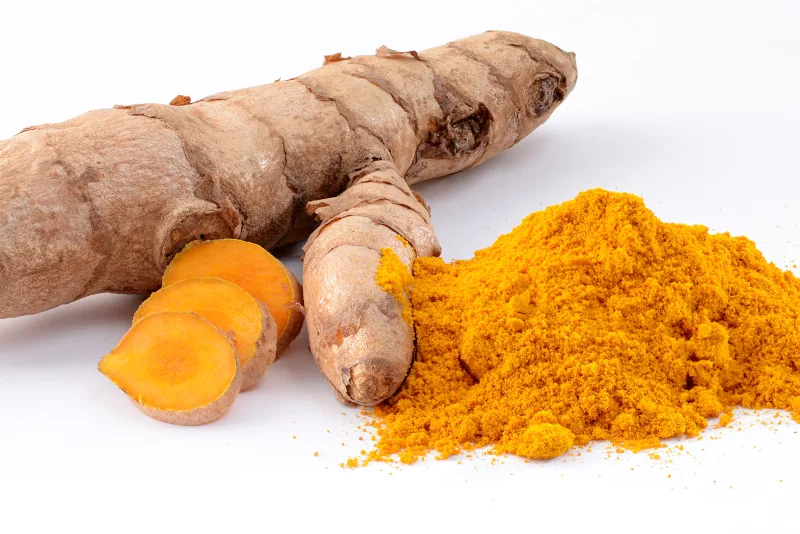
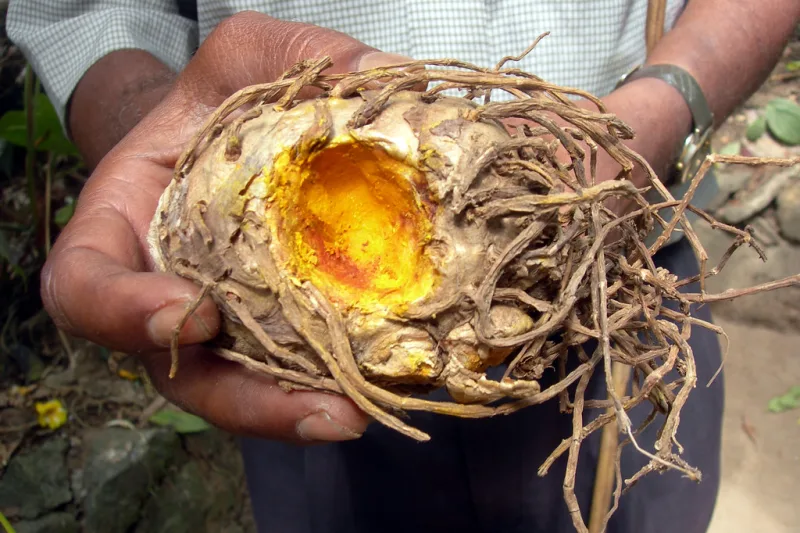
Turmeric (also known as curcuma, Indian saffron or, colloquially, the “yellow weed”) comes from the rhizome of the plant Curcuma longa, a member of the ginger family (Zingiberaceae). It grows in the tropical regions of South and Southeast Asia, especially in India, Indonesia and Sri Lanka, where it needs heat, humidity and rich soil. The part used is the thickened root, the rhizome, which, when cut, reveals an intensely orange-golden flesh, exactly like the one shown in the image above. This rhizome is boiled, dried and ground, producing the famous yellow powder we all know from cooking, particularly from curry.
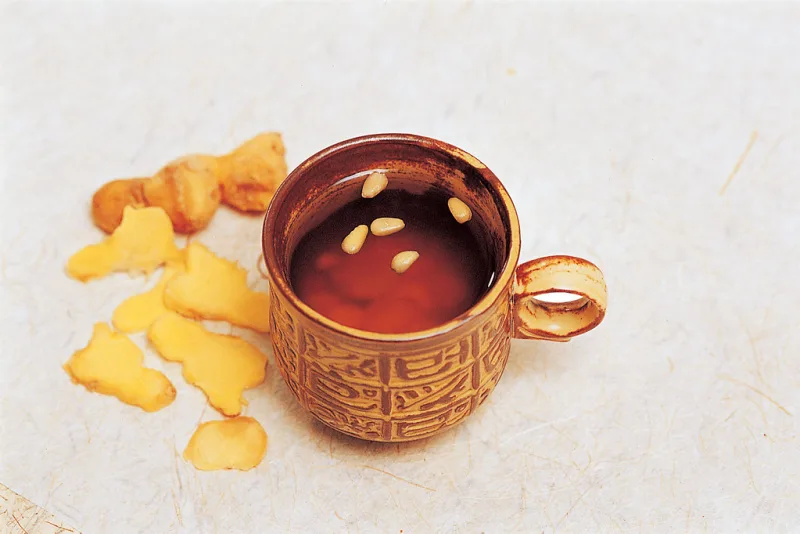
Turmeric tea is essentially an infusion or decoction made from turmeric powder or grated fresh root dissolved in hot water. Unlike classic leaf teas (such as black or green tea), this is not a simple infusion but often a gentle simmer that helps release the active compounds from the powder. An extremely popular variant is “golden milk,” in which turmeric is combined with milk (dairy or plant-based) and other warming spices, transforming into a creamy, soothing drink, perfect for cold evenings.
Why is this tea so valued? Because it combines a tradition thousands of years old with a remarkable biochemical profile. In Ayurvedic medicine, turmeric is regarded as a plant that “cleanses” and “balances” the body, used for digestion, for the skin and for strengthening the body after illness. Today, attention is focused on one particular compound: curcumin.
Table of Contents
- Composition and active compounds
- Health benefits
- Traditional uses of turmeric
- How to prepare turmeric tea correctly (step-by-step recipes)
- When and how much to drink
- Combinations with other plants and spices
- Lifestyle tips
- Practical tips and common mistakes
- Conclusion
- Frequently Asked Questions
Composition and Active Compounds
Turmeric is a genuine biochemical treasure. Its most famous and most studied component is the group of pigments called curcuminoids, the most important of which is curcumin – the substance responsible both for the golden-yellow color and for most of the therapeutic properties attributed to the plant. Curcuminoids, however, represent only a relatively small percentage of the total mass of the dried rhizome, which explains why, in many cases, the tea alone offers gentler benefits than concentrated supplements.
Beyond curcuminoids, turmeric contains volatile oils (such as turmerone and zingiberene), which contribute to the aroma and which, according to some research, also play a role in the plant’s effects. We also find dietary fiber, starch, small amounts of B-complex vitamins, vitamin C and minerals such as iron, manganese, potassium and magnesium. Manganese, in particular, is present in notable amounts and plays an important role in bone metabolism and in the body’s antioxidant systems.
An essential peculiarity of curcumin is that, by nature, the body absorbs it poorly (it has low bioavailability). The good news is that this absorption can be significantly improved through a few simple tricks, which we’ll discuss in the preparation section: adding black pepper (which contains piperine) and including a source of fat (such as whole milk, coconut milk or a teaspoon of coconut oil). Folk tradition intuited these combinations long before laboratories confirmed them – it’s no coincidence that turmeric almost always appears alongside pepper and fats in Asian cuisine.
Health Benefits
Before listing the benefits, it’s worth saying clearly: turmeric is not a miracle drug and does not cure serious diseases. It is, rather, a gentle support for the body, an ally of a healthy lifestyle. Studies suggest a number of interesting effects, and folk tradition has confirmed many of them for centuries.
Anti-Inflammatory Effect
The best-known property of turmeric is its anti-inflammatory effect. Chronic low-grade inflammation is associated with a multitude of modern health problems. Curcumin appears to act on certain biochemical pathways involved in inflammatory processes, which is why turmeric tea is appreciated by people who feel discomfort in their joints or who simply want to support their body. Grandma Veta didn’t speak of “signaling molecules,” but she knew exactly why she drank her tea on cold days, when her knees “stung.”
Supporting Digestion
In traditional medicine, turmeric has always been used as a digestive tonic. It is said to stimulate bile production, helping to digest fats, and to ease bloating and discomfort after heavy meals. A cup of warm turmeric tea after a rich meal is an old habit, considered by many to be just as effective as a commercial digestive aid. Be careful, though: precisely because it stimulates bile, people with gallbladder problems must be cautious.
A Source of Antioxidants
Curcumin is a powerful antioxidant, meaning it helps neutralize free radicals, those unstable molecules that contribute to cellular aging. Beyond its direct action, turmeric also appears to stimulate the body’s own antioxidant mechanisms. This is one of the reasons turmeric tea has popularly been called a “drink of youth.”
Supporting Immunity
Turmeric has been used for generations as a winter remedy, alongside honey and lemon. Folk tradition credits it with strengthening the body during the cold season and soothing an irritated throat. Many homemakers combine it with ginger, honey and lemon into a warm drink at the first signs of a cold.
Skin Health
Both consumed as a tea and applied externally as a paste (an old wedding custom in India, where the bride is anointed with turmeric paste for radiant skin), turmeric is associated with cleaner, brighter skin. Its antioxidants and anti-inflammatory effect may contribute to the overall appearance of the skin.
Supporting Mood
Some preliminary research suggests that turmeric may have a beneficial effect on mood, possibly linked to its anti-inflammatory and antioxidant properties. While it is by no means a treatment for mood disorders, many people describe the warm ritual of turmeric tea as soothing in itself.
Traditional Uses of Turmeric
In Ayurvedic medicine, turmeric has held a central place for over 4,000 years. It was used to purify the blood, for digestion, for wounds (as a locally applied paste) and to balance the body’s energies. In traditional Chinese medicine, turmeric was valued for its ability to “move” energy and blood, being used for abdominal discomfort and pain.
In the Romanian context, turmeric is a relatively recent arrival compared with native plants such as St. John’s wort or chamomile, but it quickly became part of the repertoire of home remedies. Many grandmothers adopted it exactly as Grandma Veta did: as a “yellow weed” for the bones, the stomach and immunity. Turmeric paste with honey was used for sore throats, and the mixture of turmeric with warm milk became an evening remedy against coughs and cold. These traditional uses are not medical proof, but they reflect folk wisdom tested by time.
How to Prepare Turmeric Tea Correctly (Step-by-Step Recipes)
The secret to a good turmeric tea lies not only in the quality of the powder, but also in the method of preparation, which directly influences how well your body will use the active compounds. Here are several variations, from the simplest to the richest.
Basic Recipe – Simple Turmeric Tea
Ingredients:
- 250-300 ml water
- 1 level teaspoon of turmeric powder (or about 1 cm of grated fresh root)
- 1 pinch of freshly ground black pepper
- optional: honey, lemon, to taste
Method:
- Put the water in a small pot and bring it close to boiling.
- Add the turmeric powder and the pinch of black pepper. Pepper is essential – without it, a good portion of the curcumin passes through the body unused.
- Let it simmer over low heat, covered, for 8-10 minutes. This gentle simmer (decoction) helps release the active compounds better than a simple steeping.
- Remove from heat and let it settle for 2-3 minutes. The turmeric sinks; you can strain it or leave it in and drink everything, stirring gently.
- Add honey and lemon once the tea has cooled slightly (honey keeps its properties better in warm, not boiling, liquid).
Golden Milk
Ingredients:
- 250 ml milk (cow’s, coconut, almond or oat)
- 1 teaspoon of turmeric powder
- 1 pinch of black pepper
- 1/2 teaspoon of cinnamon
- a touch of grated ginger (optional)
- 1 teaspoon of honey or maple syrup
- optional: 1/2 teaspoon coconut oil for better absorption
Method:
- Warm the milk over low heat, without letting it boil.
- Add the turmeric, pepper, cinnamon and ginger. Whisk well to avoid lumps.
- Keep over low heat for 5 minutes, stirring continuously, until it becomes smooth and takes on an intense golden color.
- Remove from heat, add the honey and coconut oil, and stir.
- Serve warm, ideally in the evening, as a soothing drink.
Turmeric Tea with Fresh Root
If you can find fresh turmeric root (the one with golden-orange flesh), you can make an even more aromatic tea:
- Peel and grate about 2 cm of root.
- Simmer it in 350 ml water, over low heat, for 10 minutes, together with a pinch of pepper and, if you like, a slice of ginger.
- Strain, add honey and lemon to taste.
Note: turmeric stains strongly. Use utensils you don’t mind keeping colored, and be careful with clothing and surfaces.
When and How Much to Drink
For balanced consumption, one to two cups of turmeric tea per day are generally enough for a healthy person. The most appreciated moments are:
- In the morning, as a start-of-day ritual, just like Grandma Veta;
- After meals, to support digestion;
- In the evening, especially as golden milk, as a relaxing drink before bed.
It’s not advisable to overdo it, thinking that “more is better.” Large amounts of turmeric can irritate the stomach in sensitive people and can increase the risk of interactions with certain medications. Start with a small amount and observe how your body reacts.
Combinations with Other Plants and Spices
Turmeric pairs wonderfully with other warming spices, forming delicious and beneficial blends:
- Turmeric + ginger: a classic combination, perfect for the cold season, with a pleasant “warming” effect from the inside.
- Turmeric + cinnamon: for a sweet, aromatic taste, ideal in golden milk.
- Turmeric + lemon + honey: the winter remedy par excellence, for a sore throat and for immunity.
- Turmeric + black pepper: not optional, but almost mandatory – the piperine in pepper significantly increases the absorption of curcumin.
- Turmeric + cardamom + cloves: for a “chai”-style variant, rich and fragrant.
Lifestyle Tips
Turmeric tea reaches its full potential when it is part of a balanced lifestyle, not when it is viewed as an isolated remedy. Combine it with a diet rich in vegetables, fruit and healthy fats, with regular movement and quality sleep. Folk tradition, after all, said that remedies “work” better in a person who keeps good order in their life. Use turmeric in cooking too – in soups, stews, rice or dressings – to benefit from its properties more often. And don’t forget the black pepper and a source of fat, whatever form you consume it in.
Practical Tips and Common Mistakes
Mistake no. 1: Leaving out the black pepper. This is the most common mistake. Without piperine, the body absorbs only a small part of the curcumin. A simple pinch of pepper makes an enormous difference.
Mistake no. 2: Preparing it without fat. Curcumin is fat-soluble, meaning it dissolves in fats. A turmeric tea made with plain water, with no fat at all, offers fewer benefits than one made with whole milk, coconut milk or a teaspoon of coconut oil.
Mistake no. 3: Only steeping, without a gentle simmer. Unlike leaf teas, turmeric benefits from a gentle few-minute simmer that helps release the active compounds.
Mistake no. 4: Adding honey to boiling water. Honey loses some of its enzymes and properties at very high temperatures. Add it after the tea has cooled a little.
Mistake no. 5: Excessive consumption. “More” does not mean “better.” Large doses can irritate the stomach and increase the risk of drug interactions. One to two cups a day are enough.
Mistake no. 6: Ignoring contraindications. If you take blood thinners, have gallstones or are about to have surgery, do not consume turmeric in large amounts without talking to your doctor.
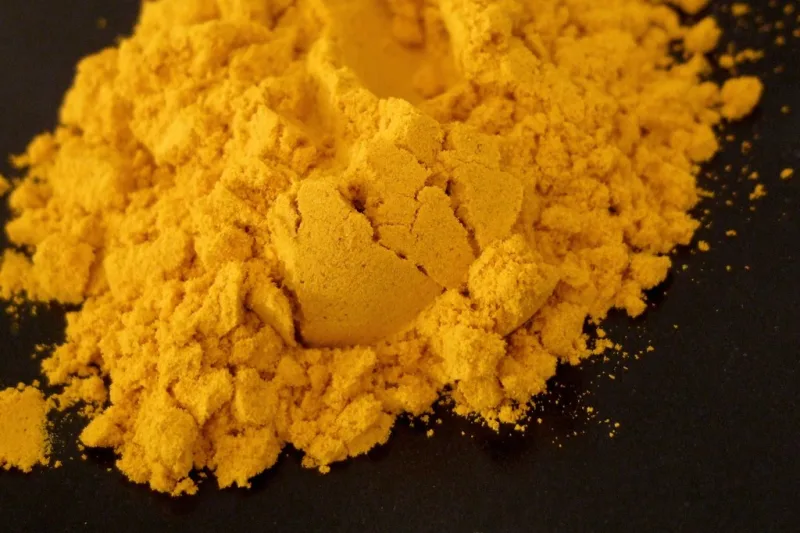
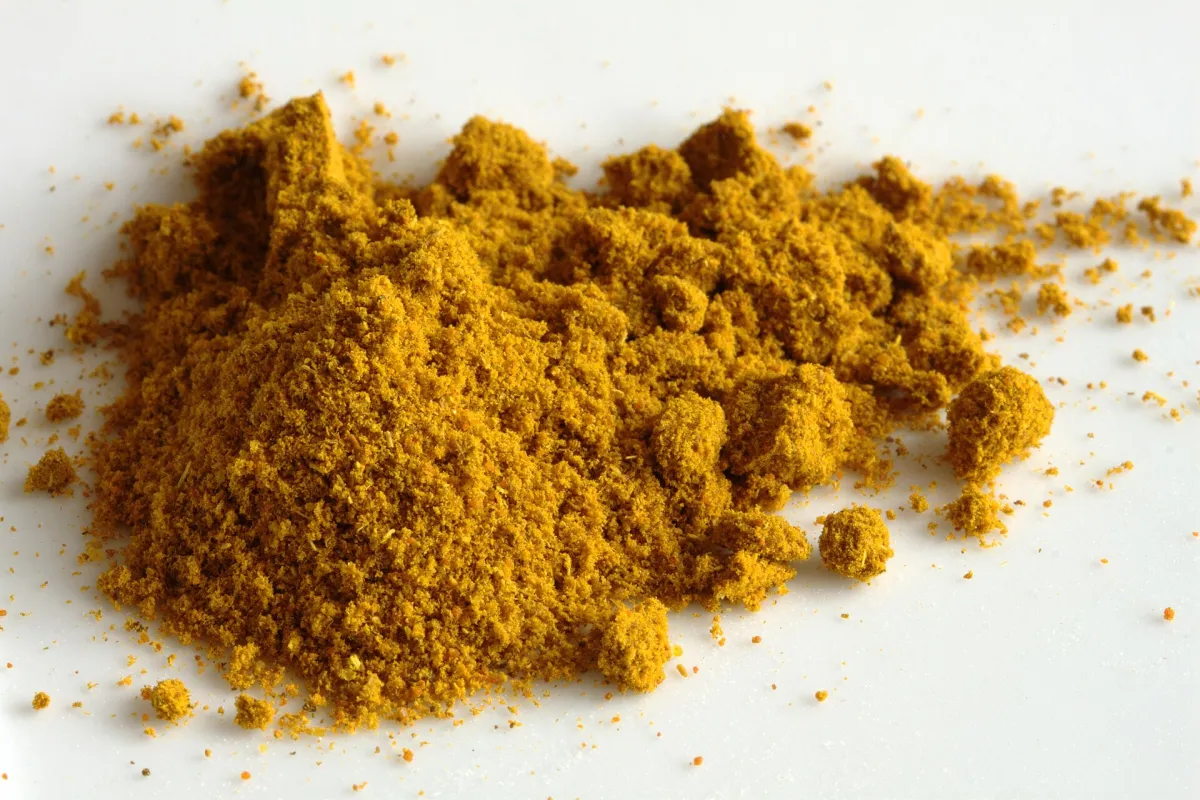
Mistake no. 7: Using poor-quality turmeric. Look for turmeric powder with a vivid, intensely yellow-orange color and a pronounced smell. A pale, odorless powder is usually old or of poor quality.
Conclusion
Turmeric tea is more than a passing trend – it is a warm, fragrant ritual, supported by a tradition thousands of years old, that combines pleasure with benefits for the body. From its anti-inflammatory effect and support for digestion, to its supply of antioxidants and support for immunity, Grandma Veta’s “yellow weed” deserves a place in your cup. The secret lies in correct preparation: black pepper, a source of fat and a gentle simmer. Consumed in moderation and with attention to contraindications, turmeric tea can become a pleasant ally of a healthy lifestyle. Remember, though, that no tea replaces a doctor’s advice, especially if you are following a treatment or have a chronic condition.
Frequently Asked Questions
How often can I drink turmeric tea? For a healthy person, one to two cups a day are generally considered safe and sufficient. Start with a smaller amount and observe how your body reacts. With regular long-term consumption, it’s wise to take breaks as well.
Why do I need to add black pepper to turmeric tea? Black pepper contains piperine, a substance that significantly increases the absorption of curcumin in the body. Without pepper, much of the active compound passes through unused. A simple pinch is enough.
Can I use fresh root instead of powder? Yes, absolutely. Grated fresh root offers a livelier, more intense aroma. About 1-2 cm of root is equivalent to a teaspoon of powder. Peel and grate it before simmering.
Does turmeric tea help with weight loss? Turmeric is not a weight-loss solution and does not “burn fat” miraculously. It can support digestion and be part of a healthy lifestyle, but weight loss depends on a balanced diet and exercise, not on a single tea.
Can I drink turmeric tea if I’m pregnant? Ordinary culinary amounts, such as those in an occasional cup of tea, are generally considered safe, but it is recommended to avoid high consumption and concentrated supplements. It’s best to consult your doctor first.
Does turmeric stain? How do I remove stains? Yes, turmeric stains strongly, both surfaces and clothing. For fresh stains, wash immediately with soap and water; exposure to sunlight can help fade fabric stains. Use utensils you don’t mind keeping colored.
What is the difference between turmeric tea and golden milk? Turmeric tea is water-based, making it lighter and “cleaner” in taste. Golden milk is made with milk (dairy or plant-based) and warming spices, making it creamier, more filling and better suited as an evening drink.
Can I give turmeric tea to children? In small amounts, as a flavoring in food or in a diluted warm drink, turmeric is generally considered safe for children. However, for regular consumption or in larger amounts, talk to your pediatrician first.