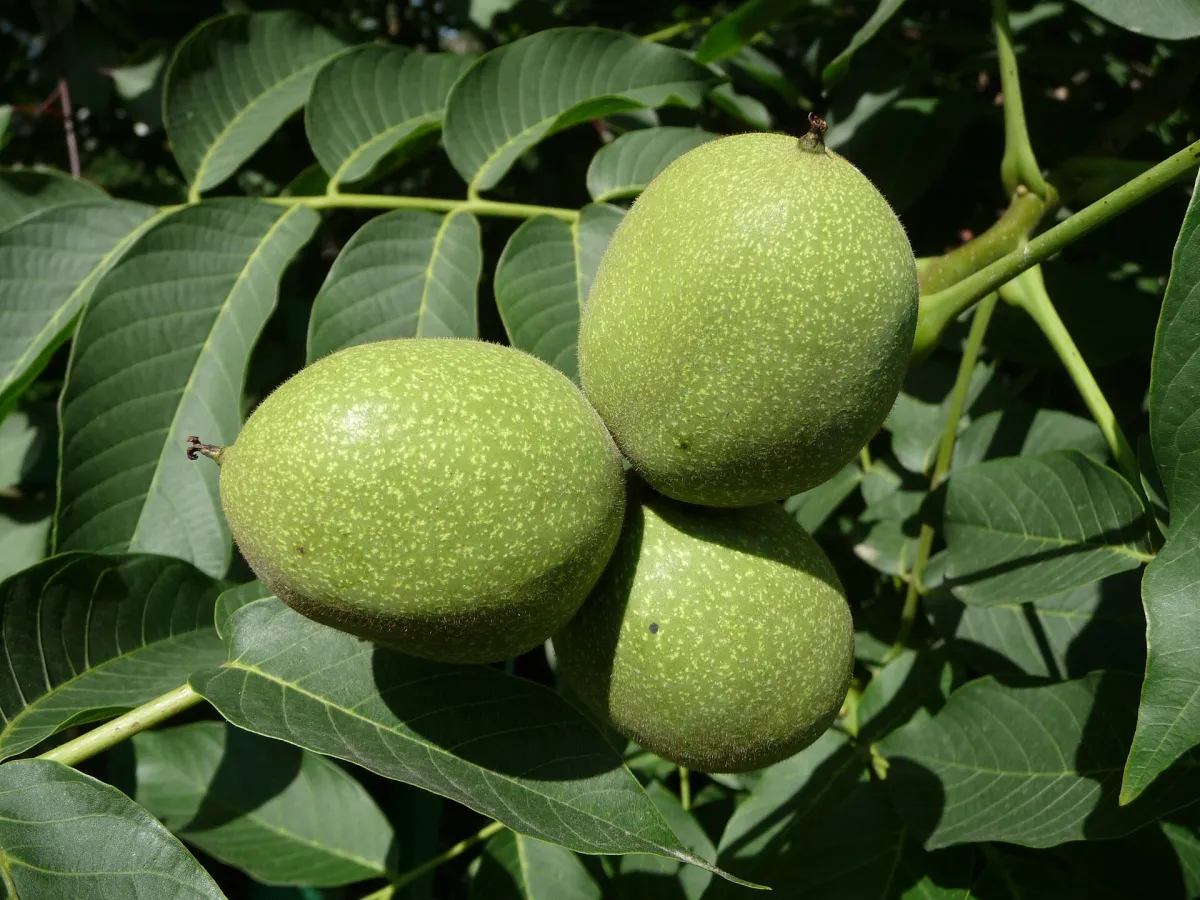
 Photo: George Chernilevsky, Public domain, via Wikimedia Commons
Walnut leaf tea (Juglans regia) is a tannin-rich herbal infusion traditionally used in Eastern European folk medicine for blood sugar, mild diarrhoea, excessive sweating and skin problems. The only use officially recognised in the EU is external: compresses and soaks for minor skin inflammation and sweaty hands and feet. Evidence for drinking it is limited to small studies, so keep internal use to short courses of no more than 3-4 weeks, and never use it in place of diabetes treatment.
Key takeaways:
- Walnut leaves contain ellagitannins, flavonoids and traces of juglone, which make them astringent: they tighten tissue and reduce secretions.
- External use (foot soaks, compresses, sitz baths) has the strongest traditional backing and is the only use accepted by the European Medicines Agency.
- The blood sugar effect is supported by a few small studies using extracts, not by solid evidence for home-brewed tea.
- For drinking: 1.5-2 g dried leaf per 250 ml water, 1-2 cups a day, for a maximum of 3-4 weeks, then a break.
- Avoid drinking it if you are pregnant or breastfeeding, for children, with constipation, iron deficiency, or alongside diabetes medication without your doctor’s agreement.
What is walnut leaf tea?
The common or English walnut is one of the most familiar trees in European gardens. Its leaves are compound, with 5-9 large oval leaflets that release an aromatic, slightly resinous smell when crushed. Herbal medicine uses the dried leaflets (pharmaceutical name Juglandis folium), stripped from the central stalk. Properly dried, they are green to brownish, with a bitter, strongly astringent taste that makes your mouth pucker.
You can prepare walnut leaves as an infusion (steeped, for drinking and gargling) or as a decoction (simmered, stronger, for compresses and baths). The difference matters: a decoction pulls out far more tannins and is too harsh for the stomach.
Active compounds
- Tannins (ellagitannins) are the main active group. They bind to proteins on the surface of skin and mucous membranes, forming a protective layer, reducing secretions and acting as a mild antimicrobial.
- Flavonoids (quercetin and kaempferol derivatives) and phenolic acids are antioxidant and anti-inflammatory, mostly shown in lab studies.
- Juglone is a naphthoquinone found mainly in fresh leaves and green walnut husks. It causes the brown staining on your hands and has antifungal activity, but irritates skin at high concentrations. Drying reduces the amount.
- Volatile oil, present in small amounts, gives the typical scent.
Benefits: tradition versus evidence
Sweaty hands and feet
This is the best-recognised use. Germany’s Commission E approved walnut leaf for external use in excessive sweating, and the EMA’s Committee on Herbal Medicinal Products (HMPC) lists it as a traditional herbal medicine for relieving sweaty hands and feet. Tannins temporarily tighten the pores and reduce surface sweat. Note that traditional means the approval rests on long-standing use and plausibility, not on modern clinical trials. For a full approach, see our guide to excessive sweating.
Minor skin inflammation
Also as a traditional use, the European monograph accepts walnut leaf for minor inflammation of the skin. In folk practice, compresses were applied to weeping eczema, irritated skin, small scrapes, acne and oily skin. Lab studies show antibacterial (including against staphylococci) and antifungal activity of the extracts, but convincing clinical trials in patients are lacking.
Blood sugar
In Romania and much of Eastern Europe, this is the main reason people drink walnut leaf tea. Animal studies in diabetic models showed lower blood glucose, and a small Iranian clinical trial published in 2014 reported that an aqueous walnut leaf extract in capsules, added to usual treatment, lowered fasting glucose and HbA1c in people with type 2 diabetes compared with placebo. Proposed mechanisms include slowing carbohydrate digestion (alpha-glucosidase inhibition) and improving insulin sensitivity.
The limits are important: few participants, a short trial and a precisely dosed extract, not homemade tea. At best, the tea is a modest add-on to diet, exercise and prescribed treatment. If you have diabetes, our guide to teas for diabetes compares the herbs with the best data.
Mild diarrhoea, gums and sore throat
The astringent action makes the traditional use in mild adult diarrhoea (for 1-2 days) and as a gargle for slightly bleeding gums or a sore throat plausible. These uses make sense but have not been tested clinically.
Sitz baths
In rural Romania, walnut leaf sitz baths were the classic remedy for vaginal discharge, intimate irritation and hemorrhoids. They may soothe itching and dampness for a while, but they do not treat infections (thrush, bacterial vaginosis, sexually transmitted infections), which need a proper diagnosis.
Hair
Rinsing hair with walnut leaf decoction gives a slightly darker tone and a subtle shine. The strong dyeing effect comes from green walnut husks, not the leaves.
How to harvest and dry walnut leaves
- When: June and early July, when the leaves are fully grown but still tender.
- Where: from healthy trees, away from busy roads and orchards that have been recently sprayed.
- What to pick: whole green leaflets only, with no black spots or signs of disease; discard the central stalk.
- Drying: spread in a thin layer in the shade, somewhere airy, turning daily. In a dehydrator, use 40°C at most. They are ready when they crumble easily.
- Storage: paper bags or sealed jars, away from light and moisture, for up to a year. Throw away blackened or mouldy leaves.
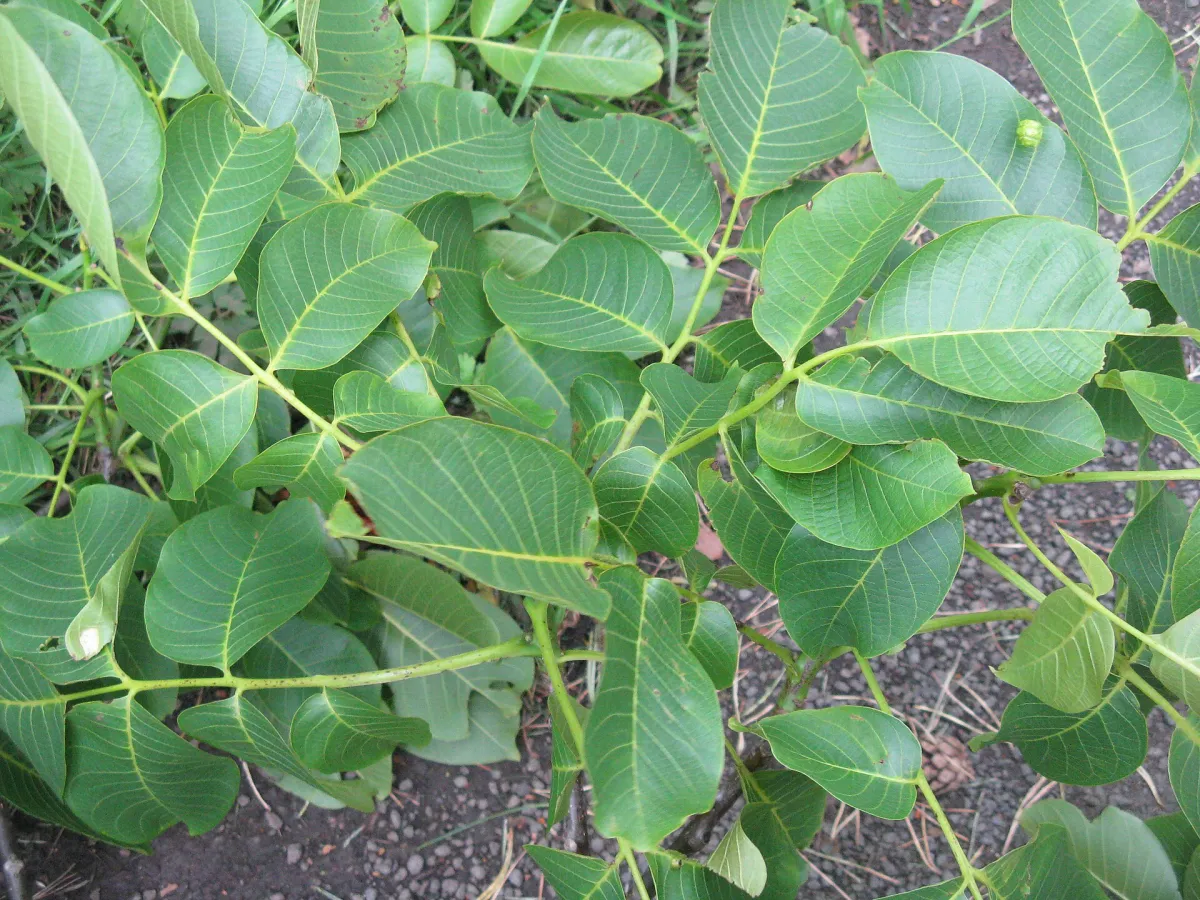 Photo: M J Richardson, CC BY-SA 2.0, via Wikimedia Commons
How to make walnut leaf tea
Infusion for drinking
- Put 1 heaped teaspoon (about 1.5-2 g) of dried, crumbled leaves in a mug.
- Bring 250 ml water to the boil and let it rest for a minute, to roughly 95°C.
- Pour over the leaves, cover the mug and steep for 10 minutes (no more than 15).
- Strain and drink warm, between meals.
The taste is astringent and slightly bitter. A few mint leaves help; if you have diabetes, skip sugar and honey. Drink it at least 2 hours apart from medicines and iron supplements.
Gargle
Make a stronger infusion: 2 teaspoons (3-4 g) per 250 ml boiling water, covered, for 15 minutes. Gargle with the warm tea 3-4 times a day, without swallowing.
Decoction for compresses
- Put 2 tablespoons (6-8 g) of dried leaves in 250 ml cold water.
- Bring to the boil and simmer gently for 10-15 minutes.
- Leave covered for another 10 minutes, then strain through gauze.
- Soak a clean cloth in the warm decoction and apply it to the affected area for 10-15 minutes, 2-3 times a day.
Keep the decoction in the fridge for no more than 24 hours. Our guide to herbal compresses covers the technique in more detail.
Foot or hand soak
- Simmer 30 g of leaves (a large handful, about 8-10 tablespoons) in 1 litre of water for 15 minutes.
- Strain and add to 3 litres of lukewarm water at 34-37°C.
- Soak your feet or hands for 15-20 minutes.
- Dry thoroughly, including between the toes.
Repeat daily or every other day for 2-3 weeks. For other recipes, see our article on foot soaks.
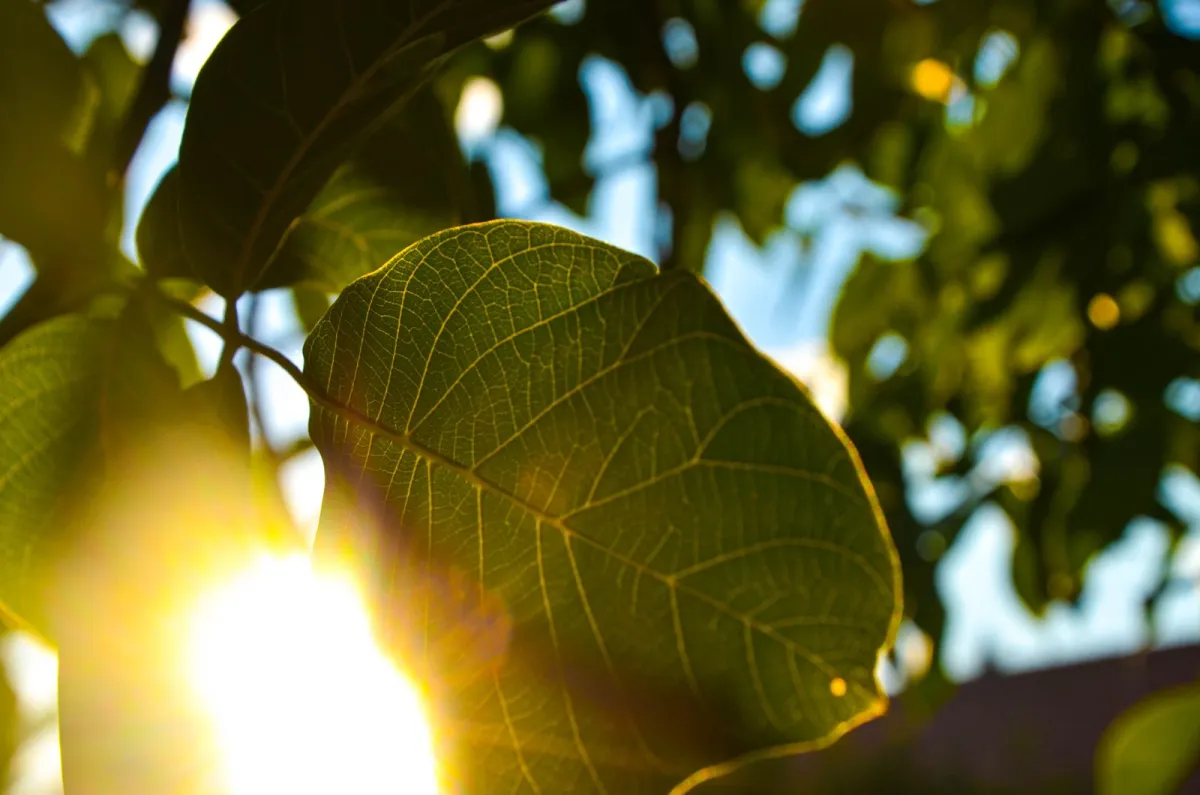 Photo: Ale Eyestar, CC BY 4.0, via Wikimedia Commons
Sitz bath
- Simmer 40-50 g of leaves in 2 litres of water for 15 minutes.
- Strain through gauze so that no leaf fragments remain.
- Pour into a clean basin and top up with water to 36-37°C.
- Sit in it for 10-15 minutes, once a day, for no more than 7 days in a row.
Do not use the decoction as a vaginal douche: it disrupts the normal flora and can make things worse.
Dosage and duration at a glance
| Use | Amount | Preparation | Frequency | Maximum duration |
|---|---|---|---|---|
| Tea for drinking | 1.5-2 g per 250 ml | Covered infusion, 10 min | 1-2 cups/day | 3-4 weeks, then a 2-week break |
| Gargle | 3-4 g per 250 ml | Infusion, 15 min | 3-4 times/day | 7 days |
| Compresses | 6-8 g per 250 ml | Decoction, 10-15 min | 2-3 times/day | 2 weeks |
| Foot/hand soak | 30 g per 1 l, diluted with 3 l water | Decoction, 15 min | Daily or every other day | 2-3 weeks |
| Sitz bath | 40-50 g per 2 l | Decoction, 15 min | Once a day | 7 days |
The maximum durations for drinking are precautionary, because there are no long-term safety studies on the tea. After a break, you can repeat the course if you tolerated it well.
Side effects, interactions and who should avoid it
Do not drink walnut leaf tea if:
- you are pregnant or breastfeeding: there are no safety data, and juglone is not something to take just in case;
- the person is a child under 12;
- you have chronic constipation: tannins can make it worse;
- you have active gastritis or an ulcer: concentrated tannins irritate some stomachs, especially when empty;
- you have iron-deficiency anaemia or take iron: tannins reduce absorption of plant iron and iron supplements;
- you have liver or kidney disease: high tannin intake has been linked to digestive irritation and, rarely, liver damage;
- you have a tree nut allergy: the leaves are far less allergenic than the kernels, but start cautiously or avoid them.
Interactions
- Oral diabetes drugs and insulin: the effects may add up, with a risk of low blood sugar. Check your glucose more often in the first days and tell your doctor.
- Iron, some alkaloid-based drugs and other oral medicines: tannins can bind to them in the gut. Keep a 2-hour gap.
- Other tannin-rich drinks (strong black tea, oak bark tea): avoid combining them, as the astringent load adds up.
External use
Do not apply to deep wounds, large burns or infected skin. Some people develop contact dermatitis. The decoction temporarily stains skin and nails brown and leaves marks that are hard to remove from clothes, towels and baths.
When to see a doctor
- your fasting blood sugar is repeatedly above normal, you are very thirsty, urinate often or lose weight without trying (see type 2 diabetes);
- you take diabetes medication and notice shaking, cold sweats, dizziness or confusion (signs of hypoglycaemia);
- sweating started suddenly, is heavy at night, or comes with fever, weight loss or palpitations;
- diarrhoea lasts more than 2-3 days, contains blood, or comes with fever and signs of dehydration;
- you have smelly vaginal discharge, intense itching, pelvic pain, or you are pregnant;
- you notice rectal bleeding;
- eczema spreads, develops yellow crusts or pus, or you get a fever.
Common mistakes
Stopping diabetes medication because you drink the tea. The tea cannot replace treatment, and uncontrolled blood sugar silently damages eyes, kidneys and nerves.
Boiling the tea you drink. Decoctions are for external use; prolonged boiling extracts too many tannins and upsets the stomach.
Drinking it all summer long. A course has a limited length and a mandatory break.
Drinking it with meals if you are anaemic. It lowers iron absorption from food.
Putting crushed fresh leaves or green husks straight on the skin. Concentrated juglone irritates and stains heavily.
Using sitz baths for weeks instead of seeing a gynaecologist. Recurring symptoms need a diagnosis.
Picking leaves by the roadside. They collect dust, lead and other pollutants.
Bottom line
Walnut leaf tea is a genuine traditional remedy, but the evidence behind it is uneven. For soaks and compresses in excessive sweating and minor skin inflammation, it has European recognition. For blood sugar, small studies show promising signals, enough for a short course as an add-on, not enough to change treatment. Stick to the amounts, duration and contraindications, and if you have a chronic condition, talk to your doctor or pharmacist first.
Frequently asked questions
Does walnut leaf tea lower blood sugar? It may have a modest effect, suggested by animal research and one small clinical trial using an extract. It is not as strong as medication and must not replace prescribed treatment.
How long can I drink walnut leaf tea? A cautious approach is 1-2 cups a day for no more than 3-4 weeks, followed by at least a 2-week break. There are no safety data for continuous use.
Is walnut leaf tea safe in pregnancy? No. Safety data are missing and tannins reduce iron absorption, which pregnant women especially need. Avoid sitz baths in pregnancy too unless your doctor agrees.
Do walnut leaf foot soaks help with sweaty feet? This is the best-supported use, traditionally recognised by the EMA and Commission E. The effect is temporary, so repeat the soaks for a few weeks, along with cotton socks and breathable shoes.
Why are my hands stained brown? Juglone and tannins in the leaves colour the skin. The stain is harmless and fades within a few days; wear gloves when preparing the decoction.
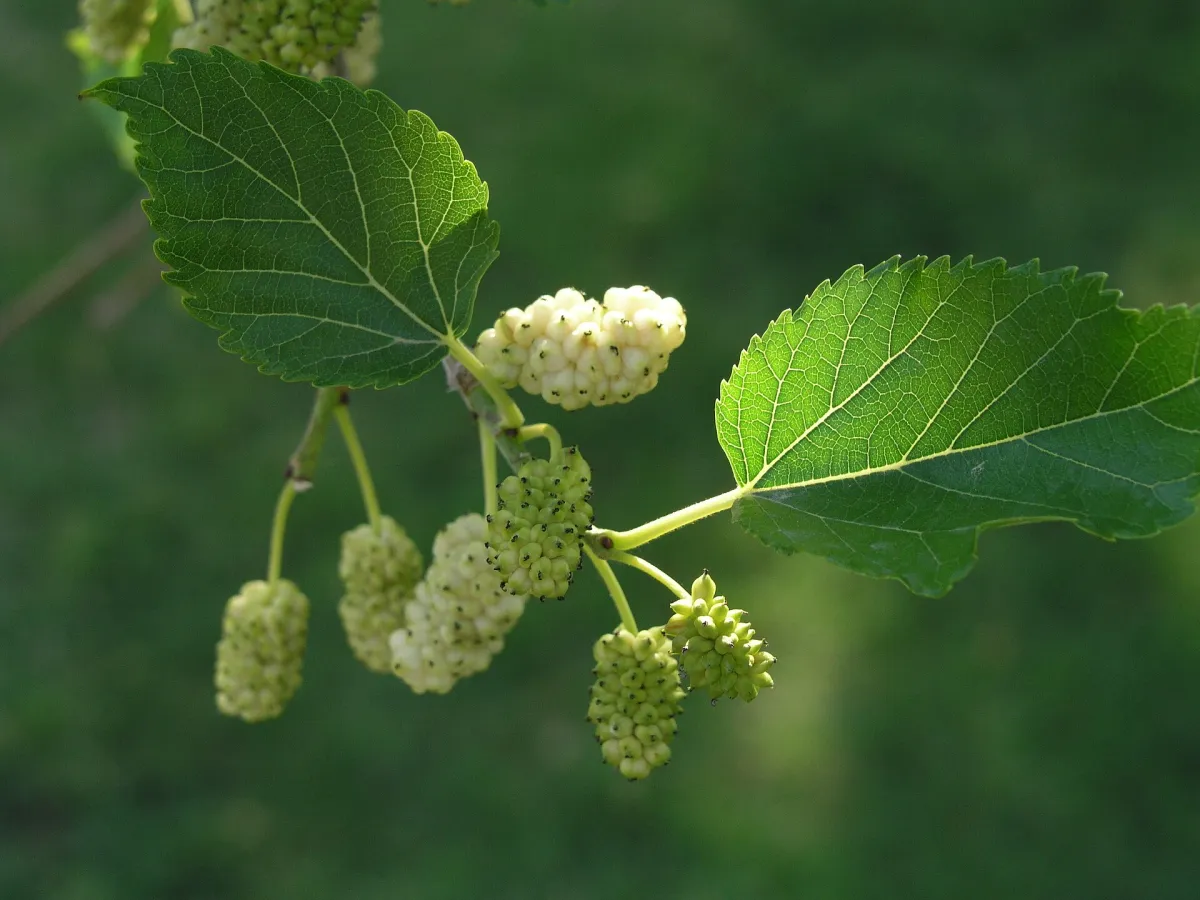
Can I mix walnut leaves with other herbs for blood sugar? They are traditionally combined with bilberry or mulberry leaves. Each added herb increases the risk of low blood sugar if you take medication, so monitor your glucose and tell your doctor.
When is the best time to pick walnut leaves? In June and early July, on a dry day after the dew has lifted. The leaves should be fully grown and free of spots.
Sources and further reading
- European Medicines Agency, Committee on Herbal Medicinal Products (HMPC): Community herbal monograph on Juglans regia L., folium.
- European Medicines Agency, HMPC: Assessment report on Juglans regia L., folium.
- Blumenthal M. (ed.), The Complete German Commission E Monographs: Walnut leaf, American Botanical Council, 1998.
- Hosseini S. et al., ‘The hypoglycemic effect of Juglans regia leaves aqueous extract in diabetic patients: a first human trial’, DARU Journal of Pharmaceutical Sciences, 2014.
- Wichtl M. (ed.), Herbal Drugs and Phytopharmaceuticals, monograph on Juglandis folium.
This content is for information only and does not replace a consultation with a doctor or pharmacist. If you have diabetes, a chronic condition or take medication, ask before using walnut leaf tea.